'%20d='m0%200%2016%2011h61%2061%2061%2061%2060L47%2037h61%2061%2060%2061L16%2063h61%2061%2061%2061%2060L47%2089h61%2061%2060%2061L16%20115h61%2061%2061%2061%2060L47%20141h61%2061%2060%2061L16%20166h61%2061%2061%2061%2060L47%20192h61%2061%2060%2061L16%20218h61%2061%2061%2061%2060z'/%3e%3c/svg%3e)
About
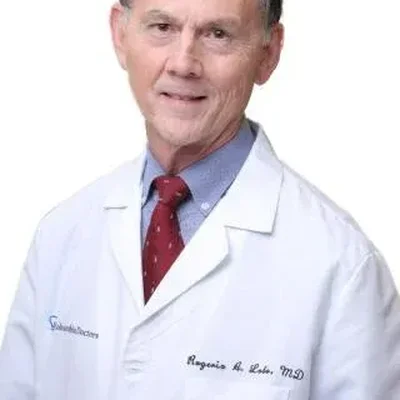
Dr. Rogerio Arnaldo Lobo led the American Society for Reproductive Medicine as its president in 2010. He also founded the Journal of the Society for Gynecologic Investigation and served as its editor-in-chief. More than forty years into a career in reproductive medicine, he is still on faculty at Columbia University, where he is a professor, directs the Reproductive Endocrinology and Infertility fellowship program, and sees patients at the Columbia University Fertility Center — the same subspecialty training route he himself took at USC, completing a fellowship there in 1986.
He has also chaired an academic obstetrics and gynecology department, and his published research and clinical trials cluster on three conditions rather than on laboratory technique: uterine fibroids, endometriosis and menopause. That is a different vantage point from most fertility profiles. Fibroids and endometriosis are the two diagnoses most likely to turn a straightforward infertility case into a decision about surgery, timing and whether to go straight to IVF, and menopause is what sets the deadline on a family plan.
He practices inside a program with a history of its own. Columbia University Fertility Center traces its roots to 1978, when it opened as one of the first IVF programs in the United States, and Newsweek ranked it first among America’s fertility clinics for 2026. The narrower, more useful version of that for someone sitting in the exam room is this — the physician evaluating a difficult case here also decides which fellows rotate through it, and his own research program covers the three conditions most likely to be the reason the case is difficult.
Clinical Expertise
- Uterine fibroids: Research, clinical trials and the management decision where fibroids intersect with fertility — surgery first, IVF first, or neither
- Endometriosis: A named research and clinical focus, covering pain, ovarian involvement and the fertility decisions that follow both
- Menopause and perimenopause: Menopause is among his stated research areas, alongside more than forty years in reproductive endocrinology
- In Vitro Fertilization and assisted reproduction: Practice at a center that performs stimulation, retrieval, ICSI, blastocyst culture, PGT and vitrification in its own laboratory
- Female infertility, complex presentations: The referral end of the specialty, where the diagnostic question is unsettled
- Training and program oversight: As director of Columbia’s reproductive endocrinology and infertility fellowship, he sets the curriculum the next cohort of specialists learns from
Why Choose Dr. Rogerio Lobo
A verdict from inside the subspecialty. ASRM’s presidency is chosen from its own membership, which makes the 2010 appointment a judgment passed by reproductive endocrinologists rather than by a rating agency.
He founded a journal and edited it. Launching the Journal of the Society for Gynecologic Investigation and serving as editor-in-chief means deciding what evidence passed, which is a different skill set from reading it.
Disease-specific depth, not general IVF. Fibroids, endometriosis and menopause are his published research areas and his clinical trials. Patients whose infertility has one of those three causes are seeing a physician who has spent a career on that cause specifically.
He trains the specialists who will treat you. Fellowship director at Columbia, in the subspecialty he entered in 1986: the reproductive endocrinologists training under him are learning the field from the physician who led the society that sets its standards.
Professional Affiliations
American Society for Reproductive Medicine, which he led as president in 2010. Founder and former editor-in-chief of the Journal of the Society for Gynecologic Investigation. Professor at Columbia University in the division of women’s and children’s health, with an obstetrics and gynecology background that includes chairing an academic department, and Director of the Reproductive Endocrinology and Infertility Fellowship Program at Columbia University Irving Medical Center, practicing within NewYork-Presbyterian.
Suitable For
- Fertility patients with fibroids: A physician whose research program includes them, when the decision is surgery first or IVF first
- Endometriosis-related infertility: Stated research and clinical territory, including ovarian involvement and timing questions
- Perimenopausal patients on a clock: Menopause physiology is his specialty area as well as his research, which matters when reserve is falling
- Patients who want a second opinion from the top of the field: Forty-plus years in reproductive endocrinology, a national presidency of the field’s main society and a journal he founded put him in a different category from most fertility profiles
- Complex female infertility where the diagnosis is still open: The kind of case a fellowship program director sees as a teaching problem, not a protocol problem