'%3e%3cpath%20fill='red'%20d='M0%200h720v480H0z'/%3e%3cpath%20fill='%23000095'%20d='M0%200h360v240H0z'/%3e%3cg%20fill='%23fff'%3e%3cpath%20d='m154%20126.9-2.5%209.6%209.4%202.6-1.8-7.1zm46.9%205.1-1.8%207.1%209.4-2.6-2.5-9.6zm-41.8-24-5.1%205.1%201.9%206.9z'/%3e%3cpath%20d='m155.9%20120-1.9%206.9%205.1%205.1z'/%3e%3cpath%20d='m154%20113.1-6.9%206.9%206.9%206.9%201.9-6.9zm14%2027.8%205.1%205.1%206.9-1.9zm18.9%205.1%209.6%202.5%202.6-9.4-7.1%201.8z'/%3e%3cpath%20d='m192%20140.9%207.1-1.8%201.8-7.1zm-31.1-1.8%202.6%209.4%209.6-2.5-5.1-5.1zm19.1%205%206.9%201.9%205.1-5.1z'/%3e%3cpath%20d='m173.1%20146%206.9%206.9%206.9-6.9-6.9-1.9zm-12.2-45.1-9.4%202.6%202.5%209.6%205.1-5.1zm-1.8%2031.1%201.8%207.1%207.1%201.8zm45-12%201.9-6.9-5.1-5.1z'/%3e%3cpath%20d='m168%2099.1-7.1%201.8-1.8%207.1zm32.9%208.9-1.8-7.1-7.1-1.8zm5.1%2018.9%206.9-6.9-6.9-6.9-1.9%206.9z'/%3e%3cpath%20d='m200.9%20108-8.9-8.9-12-3.2-12%203.2-8.9%208.9-3.2%2012%203.2%2012%208.9%208.9%2012%203.2%2012-3.2%208.9-8.9%203.2-12z'/%3e%3cpath%20d='m200.9%20132%205.1-5.1-1.9-6.9zm5.1-18.9%202.5-9.6-9.4-2.6%201.8%207.1zm-6.9-12.2-2.6-9.4-9.6%202.5%205.1%205.1zm-26-6.9-9.6-2.5-2.6%209.4%207.1-1.8zm6.9%201.9-6.9-1.9-5.1%205.1z'/%3e%3cpath%20d='m186.9%2094-6.9-6.9-6.9%206.9%206.9%201.9z'/%3e%3cpath%20d='m192%2099.1-5.1-5.1-6.9%201.9zM173.1%20146l-9.6%202.5%204.5%2016.6%2012-12.2zm-5.1%2019.1%2012%2044.9%2012-44.9-12-12.2zm-7.1-26-9.4-2.6-4.4%2016.4%2016.4-4.4z'/%3e%3cpath%20d='m147.1%20152.9-12%2045.1%2032.9-32.9-4.5-16.6zm-12-20.9L102%20165.1l45.1-12.2%204.4-16.4z'/%3e%3cpath%20d='m154%20126.9-6.9-6.9-12%2012%2016.4%204.5zm0-13.8-2.5-9.6-16.4%204.5%2012%2012z'/%3e%3cpath%20d='M135.1%20108%2090%20120l45.1%2012%2012-12zm90%2024-16.6%204.5%204.4%2016.4%2045.1%2012.2z'/%3e%3cpath%20d='m199.1%20139.1-2.6%209.4%2016.4%204.4-4.4-16.4zm-12.2%206.9-6.9%206.9%2012%2012.2%204.5-16.6zm19.1-19.1%202.5%209.6%2016.6-4.5-12.2-12z'/%3e%3cpath%20d='m192%20165.1%2033.1%2032.9-12.2-45.1-16.4-4.4zm7.1-64.2%209.4%202.6%204.4-16.4-16.4%204.4z'/%3e%3cpath%20d='M225.1%20108%20258%2075.1l-45.1%2012-4.4%2016.4zm-12.2-20.9L225.1%2042%20192%2075.1l4.5%2016.4zm12.2%2044.9%2044.9-12-44.9-12-12.2%2012z'/%3e%3cpath%20d='m206%20113.1%206.9%206.9%2012.2-12-16.6-4.5zm-38-38L135.1%2042l12%2045.1%2016.4%204.4z'/%3e%3cpath%20d='m160.9%20100.9%202.6-9.4-16.4-4.4%204.4%2016.4z'/%3e%3cpath%20d='m147.1%2087.1-45.1-12%2033.1%2032.9%2016.4-4.5zm39.8%206.9%209.6-2.5-4.5-16.4-12%2012z'/%3e%3cpath%20d='M192%2075.1%20180%2030l-12%2045.1%2012%2012z'/%3e%3cpath%20d='m173.1%2094%206.9-6.9-12-12-4.5%2016.4z'/%3e%3c/g%3e%3ccircle%20cx='180'%20cy='120'%20r='51.1'%20fill='%23000095'/%3e%3ccircle%20cx='180'%20cy='120'%20r='45.1'%20fill='%23fff'/%3e%3c/g%3e%3c/svg%3e)
About
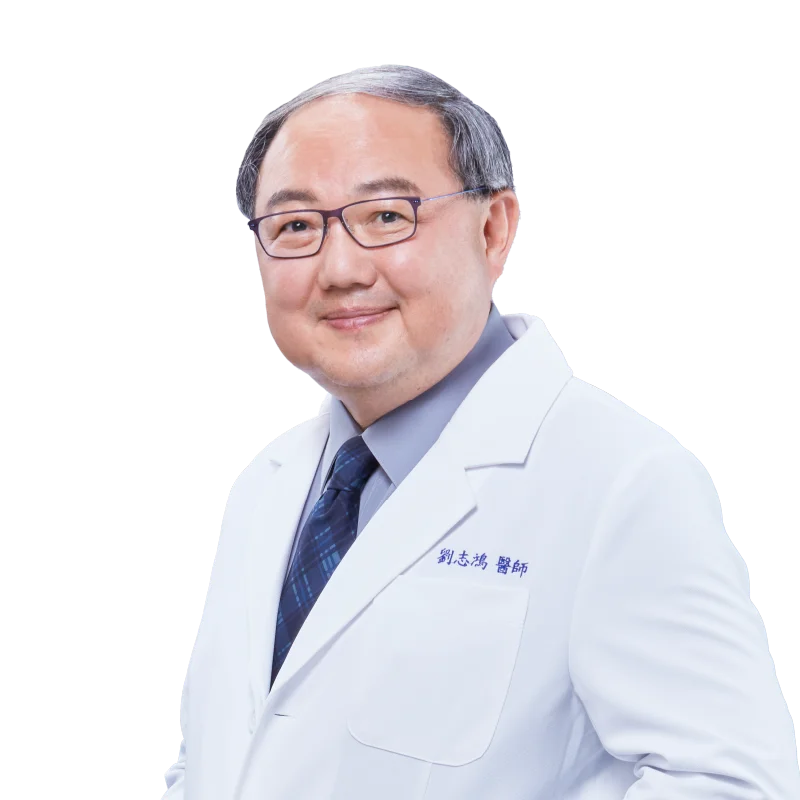
The Taiwanese Society for Reproductive Medicine is the specialty body behind practice norms for assisted reproduction in Taiwan, and Dr. Chi-Hong Liu is one of its past presidents — a society office rather than a hospital or clinic appointment. Alongside that standing, the current posts are Principal Medical Consultant and Attending Physician, roles oriented toward cycle strategy and hard cases rather than consultation volume, plus adjunct associate professorships in obstetrics and gynecology at National Taiwan University and National Cheng Kung University.
Training began at National Taiwan University, with the M.D. from the university’s Medical College and residency in the obstetrics and gynecology department of National Taiwan University Hospital, followed later by a lectureship in that same department. The overseas years were research appointments, and the longest was three years as a postdoctoral fellow in the Department of Reproductive Medicine at the University of California, San Diego, working with Professor Samuel S. C. Yen. After that came a research fellowship at the Scripps Clinics and Research Foundation in La Jolla, then visiting staff posts at the University of British Columbia, the University of Calgary and the Queen Elizabeth Hospital in Adelaide.
The senior clinical years moved between a university hospital and the private fertility sector: chairman of the obstetrics and gynecology department and associate professor at National Cheng Kung University Hospital, then in Taipei as director of the Liu Institute for Infertility and IVF and director of the IVF program at Usoon Fertility Center. Dr. Liu also holds a consulting and attending physician role at Dianthus Fertility Clinic in Taipei. The stated research interests trace the same line as the consult work — optimizing ovarian stimulation in PCOS, IVF, repeated IVF failure, diminished ovarian reserve, PGT-A, severe male factor, and natural cycle frozen embryo transfer.
Clinical Expertise
- Repeated IVF failure: a failed transfer has to be taken apart before anything is repeated, since endometrial preparation, embryo quality, stimulation dose and the mechanics of the transfer itself each point at a different fix. This is a stated research interest, so the review starts from cycle design rather than from another attempt.
- Diminished ovarian reserve: low reserve changes what a stimulation can realistically produce, so the questions become dose, cumulative retrieval across cycles, and the point at which a donated-egg plan beats further own-egg attempts.
- Severe male factor infertility: count, motility and morphology poor enough to bypass ordinary insemination, which pulls in laboratory sperm selection, surgical retrieval where relevant, and donor sperm as a parallel option.
- Egg donation and sperm donation: donor cycles run on eligibility rules, waiting time and legal conditions set by Taiwan’s assisted reproduction framework, so the planning is procedural as well as clinical.
- Ovarian stimulation in PCOS: the aim is follicle recruitment without hyperstimulation, which is where individual dose response varies most and where research attention to protocol has direct effect on cycle safety.
- IVF: protocol selection, trigger timing, retrieval and transfer decisions across the whole cycle, with the difficult case as the usual starting point rather than the exception.
- PGT-A: screening embryos for chromosome number, used where maternal age, repeated failure or recurrent loss changes what a transfer is likely to achieve; the trade is cost, time and the chance that no eligible embryo is found.
- Natural cycle frozen embryo transfer: transferring a vitrified embryo in a cycle with minimal or no stimulation, one of the lower-drug routes available when a patient’s own cohort already exists.
Why Choose Dr. Liu
A society presidency held as a past office. Reproductive medicine societies are governed from inside the membership, so a past president has been on the standard-setting side of the field rather than only the practising side. For someone comparing clinics, that experience of how assisted reproduction is regulated and reviewed in Taiwan is a credential NUWA states outright.
Three years inside a university reproductive medicine department at UC San Diego. Postdoctoral work with Samuel S. C. Yen was laboratory and research time in one of the few departments built specifically around reproductive medicine. That matters most in the situation where a protocol has already failed once and the assumptions behind it need re-examining rather than re-run.
Four further institutions on three continents. Scripps in La Jolla, then UBC and Calgary in Canada, then the Queen Elizabeth Hospital unit in Adelaide. Different systems handle culture conditions, stimulation intensity and embryo transfer practice differently, and first-hand exposure to several of them gives a wider comparison base when reviewing outside records and laboratory parameters.
Department chairman, then two center directorships. Chairing obstetrics and gynecology at Cheng Kung University Hospital is unit-level responsibility for case mix, staffing and protocols. Directing the Liu Institute for Infertility and IVF and the IVF program at Usoon Fertility Center placed that work inside dedicated fertility institutions, which is where cycle scheduling and laboratory coordination get decided.
Professional Affiliations
Society and academic roles: past president and board member of the Taiwanese Society for Reproductive Medicine, and adjunct associate professor in the departments of obstetrics and gynecology at National Taiwan University and National Cheng Kung University. Earlier academic appointments include lecturer in the obstetrics and gynecology department of National Taiwan University Hospital, associate professor at National Cheng Kung University Hospital, and chairman of that department.
The medical degree came from the Medical College of National Taiwan University. Research appointments took Dr. Liu from three years as postdoctoral fellow in the Department of Reproductive Medicine at the University of California, San Diego, to a research fellowship at the Scripps Clinics and Research Foundation, then to visiting staff posts at the University of British Columbia, the University of Calgary and the Queen Elizabeth Hospital in Adelaide. Clinical leadership covers the Liu Institute for Infertility and IVF, where the directorship was held, the IVF program at Usoon Fertility Center, and the general counsel and attending physician role at Dianthus Fertility Clinic in Taipei.
Suitable For
Repeated implantation failure after several transfers: when the same protocol is repeated a third time, the diagnostic question is which layer has not been examined yet. Repeated IVF failure and PGT-A are both stated interests of this practice, so embryo chromosome status, endometrial preparation and stimulation dose can be reviewed inside one assessment.
Diminished ovarian reserve or advanced maternal age: response to standard stimulation is limited in this group, so dose adjustment, accumulating oocytes across cycles, and the timing of a switch to donated eggs all need deciding in sequence rather than by default.
Severe male factor infertility: severe semen parameters usually mean a plan for both partners at once, since retrieval technique, laboratory sperm handling and donor sperm sit on the same decision table.
Egg or sperm donation cycle planning: donation cycles in Taiwan are governed by eligibility, waiting period and legal conditions, and a physician familiar with the national framework can say what is actually possible and how long each stage takes.
Second opinion after failure at another clinic: outside records are mostly laboratory and cycle parameters, and judging whether to continue the original direction or rebuild the protocol is easier with a background built across several reproductive institutions in different countries.