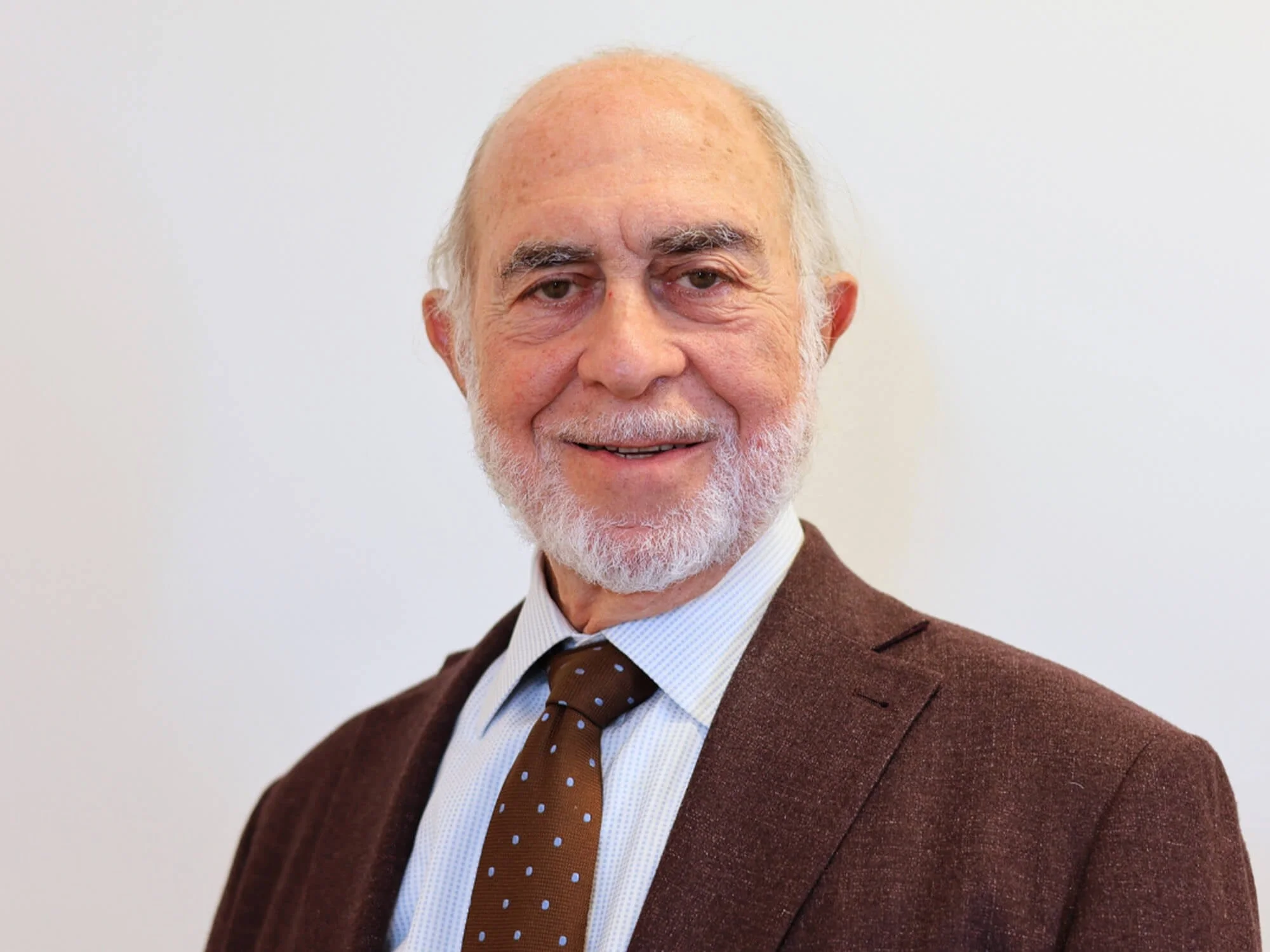

About
Barad has held the same two titles at CHR since 2003: Director of Clinical ART, which puts the center’s IVF cycle management and embryology laboratory operations under his oversight, and Senior Scientist, which keeps him on the research side of the same building. Few physicians at fertility centers carry both, and at a clinic whose identity is built on published research rather than volume, that split matters to how cycles get designed.
He earned his MD and MS at Rutgers Medical School, completed obstetrics and gynecology residency at the Sloane Hospital for Women in New York, then took his reproductive endocrinology and infertility fellowship at Brigham and Women’s Hospital, Harvard Medical School, in Boston. He is a diplomate of the American Board of Obstetrics and Gynecology with subspecialty certification in reproductive endocrinology and infertility.
The second half of his research record sits outside IVF. Barad was an investigator on the Women’s Health Initiative, the long-running national study of postmenopausal health, and later served as a scientific consultant on it — work that shows up in his clinical range, which extends to women’s health after menopause as well as to conception. He appears in CHR’s patient education video library explaining the center’s LGBTQ+ family-building programs, and his name is attached to the center’s published statements on why individualized stimulation, rather than a standard protocol, drives success in patients with low ovarian reserve.
Clinical Expertise
- IVF cycle management in low responders — gonadotropin dosing, trigger timing and monitoring rebuilt around each patient’s reserve, with DHEA and androgen priming before the cycle where indicated; the center’s position is that women over 40 cannot be stimulated the way younger patients are.
- Director of Clinical ART — responsibility for the assisted reproduction pathway end to end: stimulation, retrieval, fertilization including ICSI, embryo culture and transfer, all performed in CHR’s own laboratory.
- Recurrent implantation failure — review of prior cycle records and embryology reports to identify what changed between attempts, rather than repeating the same protocol a third time.
- Reproductive endocrinology and ovulatory dysfunction — interpretation of hormone levels, PCOS and endocrine causes of anovulation, and the immune and thyroid workups CHR asks for when miscarriage repeats.
- Postmenopausal health — a clinical interest backed by WHI investigator experience, covering health after menopause alongside fertility treatment.
- Family building for LGBTQ+ patients — donor egg, donor insemination and gestational surrogacy pathways for lesbian couples, gay male couples and single parents, in line with New York’s Child-Parent Security Act.
Why Choose Dr. Barad
- He runs the clinical side of a research center. As Director of Clinical ART he is accountable for how the center’s published positions translate into actual cycles, so protocol choices — conservative use of PGT-A, individualized stimulation, consecutive cycles in low responders — pass through his oversight rather than sitting in a lab report.
- His training is Harvard-affiliated REI. A fellowship at Brigham and Women’s Hospital is one of the recognized pathways into academic reproductive endocrinology in the United States, and it sits on top of ABOG certification in OB/GYN plus the REI subspecialty exam.
- Two decades on the same team. Since 2003 he has worked alongside Norbert Gleicher at CHR, a continuity that matters for patients arriving with years of records from several other clinics: the person reviewing them has seen the same protocols fail repeatedly and knows which variables were changed.
- He has a national cohort study behind his menopause care. The Women’s Health Initiative role as investigator and later scientific consultant gives his postmenopausal health advice a different evidentiary basis from typical clinic counseling.
- He fronts the center’s LGBTQ+ education. Barad is the physician who appears in CHR’s program videos explaining family building for same-sex couples and single parents, which means the pathway discussion is led by the REI rather than by a coordinator.
- PubMed lists 192 papers under his name with a CHR affiliation, a third-party searchable record of the research output behind the clinical protocols.
Professional Affiliations
Barad is a Fellow of the American College of Obstetricians and Gynecologists and holds subspecialty certification in reproductive endocrinology and infertility. He is a member of the American Society for Reproductive Medicine and the Society for Reproductive Endocrinology and Infertility, and has contributed to the Women’s Health Initiative as an investigator and, subsequently, as a scientific consultant. He publishes from CHR’s clinical and laboratory program and presents the center’s research at professional meetings.
Suitable For
- IVF over 40 and diminished ovarian reserve. These are the two largest groups in CHR’s reported cycles — 74.3% of patients over 40 and 82.8% with a low-reserve or premature-aging diagnosis in the CDC’s 2022 data — and Barad’s protocol work concentrates on them, including the multi-cycle programs built for very low reserve.
- Full-cycle IVF management. Patients who want stimulation, retrieval, laboratory handling and transfer under one physician’s oversight, in one building, without an outside genetics laboratory in the chain.
- Repeated embryo transfer failure. Barad’s approach to prior failures is reconstruction of the record: medication doses, egg and embryo numbers, and laboratory reports from earlier centers, which patients are asked to bring to the first consultation.
- Lesbian couples, gay male couples and single parents. CHR serves these paths under New York’s CPSA framework, and Barad is the physician who explains them in the center’s own program materials, covering donor eggs, donor insemination and gestational carriers.
- Menopause and postmenopausal health. Women whose questions are about health after the menstrual years rather than conception alone — the WHI background is what separates this from general OB/GYN counseling.