'%20d='m0%200%2016%2011h61%2061%2061%2061%2060L47%2037h61%2061%2060%2061L16%2063h61%2061%2061%2061%2060L47%2089h61%2061%2060%2061L16%20115h61%2061%2061%2061%2060L47%20141h61%2061%2060%2061L16%20166h61%2061%2061%2061%2060L47%20192h61%2061%2060%2061L16%20218h61%2061%2061%2061%2060z'/%3e%3c/svg%3e)
About
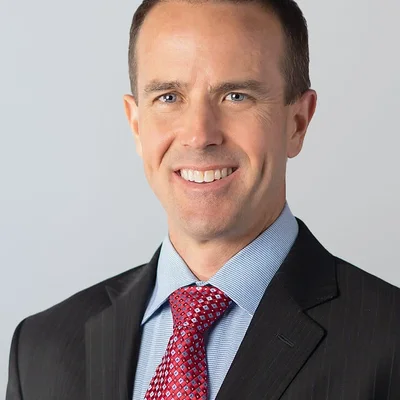
James Smith runs the clinic inside the clinic. As director of the UCSF Male Reproductive Health Center, he leads the service where male factor infertility, hormonal problems and sexual dysfunction are evaluated and operated on, rather than referred out to a urologist in another building. He has stated the job plainly: to grow UCSF’s male reproductive health program into a world-class center of excellence in research and patient care.
His training looped back to the same campus. He earned both his medical degree and a master’s in health and medical science in the joint UCSF / UC Berkeley Medical Program, completed general surgery and urology residency at the University of Utah in 2007, then returned to UCSF for a fellowship in andrology — the study and treatment of the male reproductive system. He is an associate professor of urology and board certified by the American Board of Urology.
His research sits in the same lane as his operating schedule: understanding male reproductive biology at the mechanism level, then converting those findings into better fertility treatment. In practice that means the men he sees fall into three groups — couples working up infertility, patients about to lose fertility to cancer treatment, and men with testosterone, erectile or Peyronie’s problems whose symptoms also affect the possibility of conception. He coaches his daughter’s basketball team and is on record as a Golden State Warriors fan, which is the part of the intake form patients bring up first.
Clinical Expertise
- Male infertility evaluation: semen analysis interpretation, hormonal workup, genetic testing when indicated, and treatment aimed at conceiving without IVF where that is achievable
- Men’s fertility preservation: he directs the UCSF team that counsels and banks sperm before chemotherapy, radiation or gonadotoxic surgery, working with the embryology lab on cryopreservation
- Sperm retrieval: surgical recovery of sperm in obstructive and non-obstructive azoospermia, paired with ICSI in the same program’s cycle
- Microsurgical vasectomy reversal: vasovasostomy and vasoepididymostomy
- Varicocele repair: microsurgical approaches to enlarged scrotal veins affecting count and function
- Low testosterone and hypogonadism: treatment planned around whether the patient still wants children, since exogenous testosterone suppresses sperm production
- Erectile dysfunction and Peyronie’s disease: medical and surgical management, including implant surgery
Why Choose Dr. James Smith
He holds the director title, which means the andrology side of a Bay Area academic fertility program is one physician’s responsibility, not a shared rotation — the reason complex male cases in the UCSF system land with him.
Preservation before treatment is his stated program, not an afterthought: counseling, banking and coordination with the oncology teams happen under his direction.
Surgery and science in the same specialty. His research goal is explicit — translate what is known about male reproductive biology into better fertility treatment — and the operative list (retrieval, reversal, varicocele) is where that shows up in a couple’s timeline.
Five societies, one focus: American Urological Association, ASRM, Society of Reproductive Surgeons, Society for Male Reproduction and Urology, Sexual Medicine Society of North America.
Professional Affiliations
Associate Professor of Urology, University of California San Francisco, and Director of the UCSF Male Reproductive Health Center. Board certified in urology by the American Board of Urology. Active member of the American Urological Association, the American Society for Reproductive Medicine, the Society of Reproductive Surgeons, the Society for Male Reproduction and Urology, and the Sexual Medicine Society of North America. UCSF School of Medicine, 2002, alongside an MS in health and medical science from the UC Berkeley / UCSF Joint Medical Program; University of Utah general surgery and urology residency, 2007; andrology fellowship at UCSF.
Suitable For
- Couples told the problem is male: one service that evaluates, operates, and if necessary retrieves sperm for the same center’s ICSI cycle
- Men starting cancer treatment: the preservation program he directs
- Post-vasectomy patients seeking reversal, and men with a varicocele on a semen abnormality report
- Men with low testosterone who still want children: replacement decisions that account for sperm production
- Erectile dysfunction and Peyronie’s disease where conception timing is part of the treatment choice