'%20d='m0%200%2016%2011h61%2061%2061%2061%2060L47%2037h61%2061%2060%2061L16%2063h61%2061%2061%2061%2060L47%2089h61%2061%2060%2061L16%20115h61%2061%2061%2061%2060L47%20141h61%2061%2060%2061L16%20166h61%2061%2061%2061%2060L47%20192h61%2061%2060%2061L16%20218h61%2061%2061%2061%2060z'/%3e%3c/svg%3e)


About UCSF Center for Reproductive Health
The Center for Reproductive Health (CRH) is the fertility program of the University of California, San Francisco. It sits on the sixth floor of UCSF Medical Center in the Mission Bay campus, inside an academic hospital rather than a standalone clinic building. Marcelle I. Cedars, who directs the Division of Reproductive Endocrinology, is the named medical director on the center’s SART reporting record.
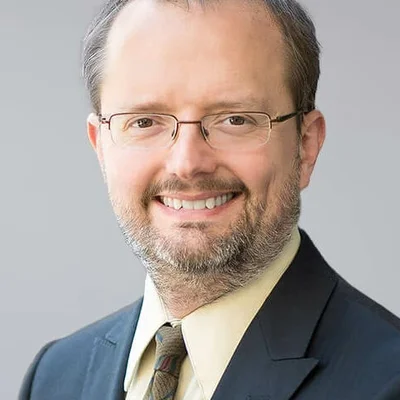
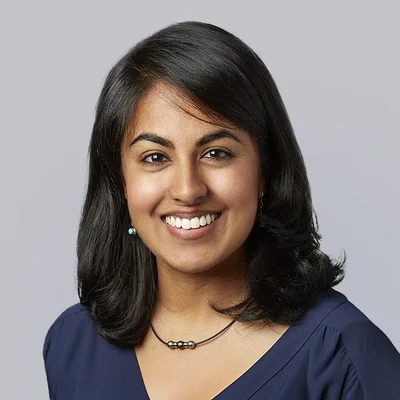
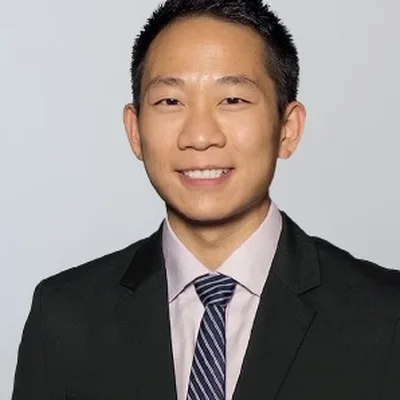
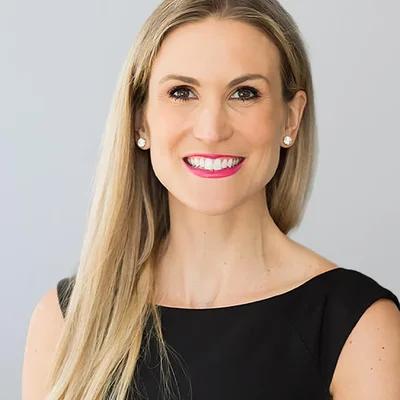
Seventeen physicians staff the program — fourteen reproductive endocrinologists and three reproductive urologists — supported by nurse practitioners, genetic counselors, psychologists, andrologists and embryologists. The center reports more than 6,000 babies born to its patients over the past decade and completed 1,183 ART cycles in the 2023 SART reporting year, against a national per-clinic average of roughly 932. In the same five-year window it published more than 313 studies and ran over 100 clinical trials, which is the practical difference between this and a private IVF practice: the people reading your chart are also the people writing the literature, and rare cases get referred here from around the Bay Area.
Newsweek’s 2026 America’s Best Fertility Clinics list ranks CRH first in California and fifth in the country. Outcomes are filed cycle by cycle with SART and the CDC rather than self-reported, and the figures in the data panel on this page link to the clinic’s public SART profile so you can check the denominators yourself. Two cautions when you read them. First, this program’s case mix includes oncologic fertility preservation, diminished ovarian reserve and complex uterine pathology referred in from other centers — the same patients who push averages down at any academic clinic. Second, the center states its own position plainly: “At UCSF, we base our clinical decisions on what is best for an individual patient, and not what is best for our statistics.”
Accreditations & Awards
- Newsweek America’s Best Fertility Clinics 2026 — #1 in California, #5 in the United States, ranked on quality indicators, peer reputation, certifications and patient experience
- CAP-accredited and CLIA-certified embryology laboratory, additionally FDA registered and registered as a California tissue bank
- SART member clinic, reporting every cycle to SART and the CDC for 2023 and prior years
- UCSF Health is a US News top-10 hospital, and its obstetrics and gynecology service is ranked among the best specialties in the country — the hospital you deliver in is the hospital you stimulate in
- Magnet designation for nursing excellence from the ANCC, recorded for UCSF Health in our sources
- Human Rights Campaign Healthcare Equality Index: perfect score for eight consecutive years
- Active research portfolio: 313-plus publications and 100-plus clinical trials in five years, spanning PCOS, ovarian aging, fertility preservation and reproductive genetics
Why Choose UCSF Center for Reproductive Health
- An academic medical center, literally: everything is on one UCSF Mission Bay campus. High-risk obstetrics, reproductive surgery, urology, medical genetics, oncology and psychology are departments down the hall, not referral letters. The center markets this as a “continuum of care,” and for a patient who might need a cesarean with a cardiac anesthesiologist on standby, it matters.
- Oncofertility is a service line, not a side offer: urgent fertility preservation appointments for cancer patients starting gonadotoxic treatment, with a dedicated preservation phone line, run by embryology lab director Mitchell Rosen, whose lab does the vitrification of eggs, sperm and ovarian and testicular tissue.
- The male partner gets a physician, not a lab slip: three reproductive urologists and a dedicated Male Reproductive Health Center mean azoospermia, varicocele and ejaculatory dysfunction are evaluated and, where fixable, operated on inside the same program that runs the IVF cycle.
- In-house laboratory with the current hardware: time-lapse culture incubators, microfluidic culture systems, AI-assisted embryo assessment, laser biopsy for PGT, vitrification, plus continuous environmental monitoring on backup power.
- Its own donor egg program, recruiting and screening donors directly, alongside a third-party reproduction track that covers donor sperm, donor eggs, reciprocal IVF and gestational carriers.
- PCOS has its own clinic and research program, headed by Heather Huddleston, which is where patients with the syndrome or its metabolic complications get a protocol rather than generic advice — the team also publishes patient guidance on the proposed renaming of PCOS.
- Language and money help built in: interpreter services, telehealth for new-patient visits, IVF orientation and injection teaching by video, and financial navigators who verify insurance benefits before medications are ordered. Our sources do not identify which treating physicians speak which additional language, so we make no claim about Mandarin- or Spanish-speaking doctors here.
IVF & Fertility Services
- IVF and ICSI: ovarian stimulation, monitoring, retrieval, insemination by conventional method or single-sperm injection, blastocyst culture, and fresh or frozen transfer
- Fertility testing and evaluation: ovarian reserve testing including AMH and antral follicle count, hormonal panels, semen analysis and advanced sperm testing, uterine cavity assessment by saline sonogram or HSG, and genetic carrier screening with counseling
- IUI and donor insemination, including for single patients and same-sex couples
- Ovulation induction for anovulatory and PCOS patients, with monitoring
- PGT-A and PGT-M: embryo biopsy and genetic testing in the lab, with the center’s own genetic counselors interpreting results
- Egg, embryo and sperm freezing, both elective and medical — including expedited preservation before chemotherapy, radiation or surgery
- Donor eggs from the center’s own ovum donor program, plus donor sperm and embryo donation
- Third-party reproduction: gestational carrier programs with California-contract legal coordination
- LGBTQ+ family building: reciprocal IVF, donor gametes, surrogacy support, and fertility preservation for transgender patients, including pre-treatment sperm and oocyte banking
- Reproductive surgery: hysteroscopic adhesiolysis, polypectomy and septum resection; laparoscopic treatment of endometriosis, ovarian cysts and hydrosalpinx; fibroid surgery
- Male reproductive surgery: microsurgical vasectomy reversal, varicocele repair, micro-TESE and other sperm retrieval, hormonal therapy, penile implant surgery, and treatment of Peyronie’s disease and chronic scrotal or pelvic pain
- Specialty clinics: PCOS Clinic, recurrent pregnancy loss evaluation, tubal reversal, menopause and reproductive hormone care including adolescent patients
- Support services: psychological counseling and support groups, financial navigation, nutrition and genetics
Fees & Packages
There is no published price list in our sources. The center maintains a financial guidance page, a fees-and-costs page, a financial programs page and an insurance coverage page, but what our extract holds from those four is where they live, not a single dollar figure — the research file says outright that concrete pricing still has to be collected. So we quote no consultation fee, IVF cycle price, medication cost, PGT-A price, frozen-transfer price or all-in range on this page, and the pricing block carried in this profile’s front matter is not supported by the sources we hold.
What does shape your bill is the billing structure. Hospital-based programs in California split one cycle into separate facility, professional, anesthesia, laboratory and pharmacy charges, so the only number that really applies to you is your own itemized estimate. Ask the center’s financial navigation staff to pull your insurance benefits and out-of-pocket exposure before any medication is prescribed, and request that written itemized quote at the treatment-consent visit rather than at the first appointment. Ask for the covered and non-covered lines in writing.
Charges that commonly sit outside a cycle quote at any hospital-based program are injectable medications dispensed by an outside specialty pharmacy, egg or embryo storage, anesthesia for the retrieval, and the laboratory side of PGT. Our sources do not document a shared-risk or refund bundle, an in-house financing plan, named discount programs, or any specific payer arrangement at this center.
Patient Journey
- Referral and intake: no referral is required for most patients. New-patient appointments are booked online or by phone, and the first visit can be a telehealth video appointment with a physician, psychologist or genetic counselor.
- Evaluation: cycle-day hormone panel, AMH and antral follicle count, pelvic ultrasound, saline sonogram or HSG for the uterine cavity, and a semen analysis — with the male partner seen in the Male Reproductive Health Center if the result is abnormal.
- Plan and cost review: the physician team proposes a staging of treatment, from ovulation induction or IUI through IVF, PGT, donor gametes or a gestational carrier, while a financial navigator verifies insurance and quotes out-of-pocket exposure.
- Stimulation and monitoring: daily injectable medications for roughly 8-14 days with blood work and ultrasound monitoring. The clinic’s posted hours are 8:00 AM to 4:45 PM Monday to Friday, so monitoring starts early; patients already in a cycle can be seen on weekends.
- Retrieval: transvaginal egg retrieval under intravenous sedation, with the partner’s sperm — ejaculated or surgically retrieved — processed the same morning. Our sources do not give the length of the retrieval procedure.
- Culture, testing and transfer: fertilization by ICSI or conventional insemination, blastocyst culture to day 5-6, optional PGT with results back in one to two weeks, then either a fresh transfer or full freeze and a planned frozen transfer. The lab runs 24/7 environmental monitoring on backup power.
- Pregnancy test and handoff: a blood hCG test confirms the pregnancy, followed by early ultrasounds, then obstetric care transfers to UCSF’s own birth center — often in the same building. Our sources do not state how many days after transfer the blood test falls or how far the early ultrasounds run.
Local Legal Framework
California writes the rules most US fertility patients hope for, and an on-site third-party reproduction program means CRH handles them routinely.
Gestational carriers. Family Code §§7960-7962 govern gestational carrier agreements: the intended parents and the carrier must each have independent legal counsel, the contract must be completed before embryo transfer, and California courts issue pre-birth parentage orders so the intended parents appear on the original birth certificate. Compensation of the carrier is lawful.
Egg, sperm and embryo donors. Family Code §7613 provides that a donor who supplies gametes through a physician is not the legal parent of a resulting child, with no support obligation or rights. One citation to correct, because it appears in this clinic’s own record as well as in other California profiles: Health & Safety Code §125355 governs payment for eggs collected for research purposes. It is not the legal basis for egg donation in treatment, and we do not rely on it as one. Written informed consent and donor screening documentation are required; reasonable donor expense compensation and fees are permitted.
LGBTQ+ parentage. California gives registered domestic partners the same rights and obligations as married couples. Our sources record that protection without naming the statute behind it, so we do not cite a section number here. California’s presumed-parent rules let both mothers, both fathers, or intended parents using a carrier be recognized without adoption proceedings. One caution: a California birth order does not guarantee recognition in every other US state, so patients who will deliver or register the birth elsewhere should confirm that before treatment starts.
Genetic testing and insurance. PGT-A and PGT-M face no California-specific restriction beyond standard informed consent; the center’s own genetic counselors set practice limits on what is tested. On payment, our sources for this center name no California statute that obliges a plan to cover fertility preservation or infertility treatment, so we make no coverage-mandate claim here. Self-funded employer plans sit outside state insurance regulation in any case, so ask the center’s financial navigator to check your own policy rather than assuming a statewide rule reaches it.
Embryos. California has not assigned legal personhood to frozen embryos. What does bind you is the embryo disposition agreement: it decides whether unused embryos are stored, donated to research, donated to another patient, or discarded, and storage terms and annual fees are set at signing. Read that document before transfer, not at it.
Location
- Address: 499 Illinois Street, 6th Floor, San Francisco, CA 94158
- Phone: (415) 353-7475