'%20d='m0%200%2016%2011h61%2061%2061%2061%2060L47%2037h61%2061%2060%2061L16%2063h61%2061%2061%2061%2060L47%2089h61%2061%2060%2061L16%20115h61%2061%2061%2061%2060L47%20141h61%2061%2060%2061L16%20166h61%2061%2061%2061%2060L47%20192h61%2061%2060%2061L16%20218h61%2061%2061%2061%2060z'/%3e%3c/svg%3e)
About
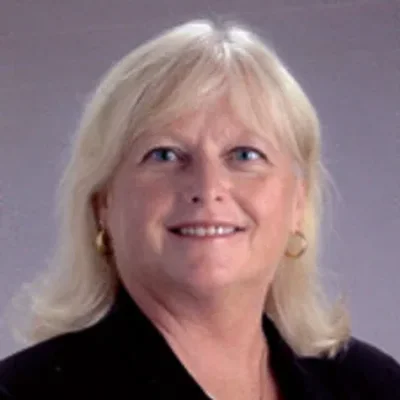
Most reproductive endocrinologists arrive through an obstetrics and gynecology residency. Linda Nelson arrived through a neuroscience laboratory. She earned a Ph.D. in physiological psychology at the University of California, Los Angeles, studying how stressors experienced before birth shape endocrine responsiveness later in life, and held NIH National Research Service Award fellowships in both her predoctoral and postdoctoral years. She then entered the University of Miami Ph.D.-to-M.D. program, went back to UCLA for obstetrics and gynecology residency, and completed her clinical fellowship in reproductive endocrinology and infertility at the University of California, San Francisco. That sequence — endocrine science first, patients second — is unusual enough in a fertility clinic to be worth noticing, and it is the background she brings to hormone problems.
She has practiced reproductive endocrinology and infertility in the Phoenix area since 2010 and is an infertility specialist at Arizona Reproductive Medicine Specialists, sharing the downtown Phoenix and East Valley practices with Dr. Drew Moffitt, who was her classmate in the UCLA obstetrics and gynecology residency. Before Arizona she held faculty positions at the University of Illinois in Chicago and at the University of Kansas Medical Center in Kansas City.
She is now a professor of Obstetrics and Gynecology at the University of Arizona College of Medicine-Phoenix, where she has won the 2014-2015 Faculty Teaching Award and a Class of 2017 excellence-in-teaching award for the block covering reproduction, endocrine growth and development through the lifespan. Castle Connolly has named her a Regional Top Doctor. Her stated clinical interest runs through the topic she trained on: “Based on my continued interest in the area of stress and reproduction, I am also eager to help patients reduce the stress that they are experiencing.”
Clinical Expertise
- Reproductive endocrinology: hormone axes, ovulation and ovarian reserve evaluated as an interconnected system, an approach that follows directly from an endocrine physiology doctorate
- IVF program care: as one of ARMS’s two board-certified specialists she carries patients through the clinic’s standard cycle workflow — stimulation and monitoring, ultrasound-guided retrieval, blastocyst culture and transfer, with single frozen embryo transfer as the clinic’s default
- Ovulation disorders and anovulation: diagnosis and induction for patients who are not releasing eggs predictably, including the reproductive hormone imbalances that cause it
- PGT-A within an in-house lab program: embryo biopsy and chromosome screening are part of ARMS’s own workflow, with a CLIA- and CAP-certified laboratory and a PhD laboratory director on the bench
- Female infertility evaluation: semen analysis on the partner side, cavity assessment by HSG or sonohysterogram, hormone testing and ultrasound before a treatment plan is chosen
- Fertility preservation and egg freezing: patients banking eggs, before cancer treatment or for their own timing, are handled through the clinic’s vitrification program and its Donor Egg Bank USA partnership, which tracks thawed-egg outcomes back to the freezing lab
- Stress and reproduction: named as her continuing clinical interest, and the subject of her doctoral research, rather than a pamphlet on the waiting-room table
Why Choose Dr. Linda Nelson
An MD-PhD who still teaches medicine. She is a professor at the University of Arizona College of Medicine-Phoenix and has been recognized twice for teaching there — the 2014-2015 Faculty Teaching Award and a course-level excellence award for the Class of 2017. Physicians who teach tend to explain; that matters when you are deciding between protocols.
Her research background is endocrine physiology under stress. Her doctoral work at UCLA examined how prenatal stressors influence later endocrine responsiveness, and she holds NIH NRSA predoctoral and postdoctoral fellowships alongside the UCSF clinical fellowship. She came at reproductive medicine from the laboratory side.
She is an outside academic who chose private practice. Faculty posts at the University of Illinois in Chicago and the University of Kansas Medical Center preceded her Phoenix move in 2010, so patients here get an academic-reputation background without an academic clinic’s rotation of fellows.
Registry-checkable practice. She works inside ARMS’s SART-reported program, so the clinic’s 2023 cycle outcomes are on the public record, and she is named a Castle Connolly Regional Top Doctor.
Longstanding ties to her colleague. Moffitt trained with her at UCLA and has known her for more than 25 years; the two share the same-day physician callback policy that new patients hit first.
Professional Affiliations
Board certified in Reproductive Endocrinology and Infertility, and a Fellow of the American College of Obstetricians and Gynecologists as listed in her clinical credentials. Active member of the American Society for Reproductive Medicine and of the Society for Reproductive Endocrinology and Infertility. She serves as an ad-hoc reviewer for the Journal of Assisted Reproduction and Genetics, participates in the Association of American Medical Colleges medical education presentation community, and sits on the AAMC National Committee on Disorders of Sexual Development. She completed NIH National Research Service Award fellowships at UCLA and UCSF, and continues re-certification education with the other ARMS specialists.
Suitable For
- Patients who want the mechanism, not just the plan: an endocrine physiologist’s framing of hormone and ovulation problems, useful if you have been handed a diagnosis without an explanation
- Ovulation and hormone disorders: anovulation, irregular cycles and the reproductive hormone patterns behind them
- Patients under real time or emotional pressure: stress and reproduction is her named ongoing interest, and ARMS offers evening and Saturday monitoring so treatment fits around a job rather than replacing it
- Second opinions: an academic clinician’s read on a protocol drawn up somewhere else, with the clinic’s complimentary IVF consultation available at the Phoenix office
- Egg freezing and preservation decisions: whether to bank now, how many cycles that implies, and what the clinic’s own thawed-egg outcome data say
- Patients wanting a physician, not a coordinator, at the front door: ARMS lists two offices, downtown Phoenix and Gilbert, and its stated policy is that a doctor answers a new patient’s call the same day