'%20d='m0%200%2016%2011h61%2061%2061%2061%2060L47%2037h61%2061%2060%2061L16%2063h61%2061%2061%2061%2060L47%2089h61%2061%2060%2061L16%20115h61%2061%2061%2061%2060L47%20141h61%2061%2060%2061L16%20166h61%2061%2061%2061%2060L47%20192h61%2061%2060%2061L16%20218h61%2061%2061%2061%2060z'/%3e%3c/svg%3e)



About Arizona Reproductive Medicine Specialists
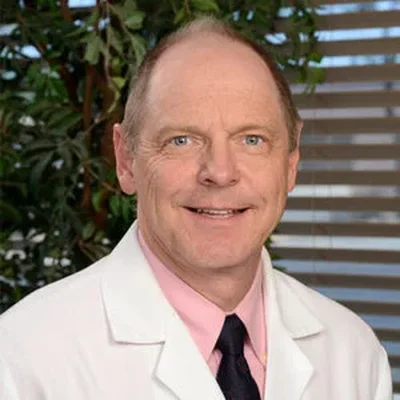
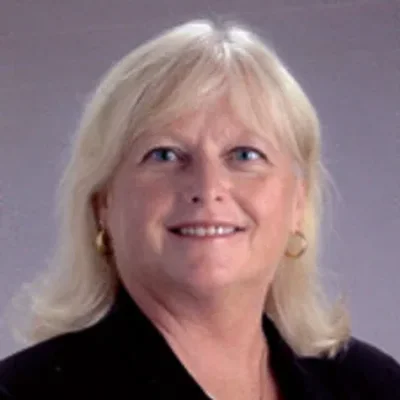
Arizona Reproductive Medicine Specialists — everyone calls it ARMS — is a Phoenix metro IVF practice built around two offices: the original downtown Phoenix clinic at 1701 E Thomas Road, and an East Valley office at 2730 S. Val Vista Drive in Gilbert. The practice opened in 2000. Its physicians are board certified in Reproductive Endocrinology and Infertility and hold outside appointments that matter to patients choosing a clinic: Dr. Drew Moffitt is ARMS’s medical director, directs the reproductive endocrinology and infertility division at Banner Good Samaritan Medical Center, and is a clinical assistant professor at the University of Arizona. Dr. Linda Nelson is a professor of obstetrics and gynecology at the University of Arizona College of Medicine-Phoenix and has practiced in the Phoenix area since 2010. The practice states that its physicians each hold more than 30 years of experience treating infertility patients.
Day to day, ARMS sells access and speed rather than luxury. Its “Talk to a Doctor Today” policy means you call as a potential patient, leave a number, and Moffitt or Nelson calls back the same day — before you have booked anything. New patients can be seen in morning, afternoon, evening or Saturday slots, and the practice says IVF can start in as little as two weeks. Everything happens in-house: embryology, andrology and endocrine testing run out of ARMS’s own laboratory, headed by a PhD laboratory director who is board certified in human clinical embryology and andrology. Embryos are grown to the blastocyst stage, and the clinic states plainly that at ARMS “we mostly transfer frozen embryos,” with one embryo transferred where possible.
What the headline number is, and what it is not. The clinic’s success-rates page puts ARMS at 58.7% live birth for new patients under 35 with no prior ART cycle, measured after a single egg retrieval, using 2023 data that the clinic presents under a CDC heading; the same chart shows 48.5% at 35-37, 26.1% at 38-40, and 1 live birth in 10 patients over 40. Treat this as clinic-published. Our research did not retrieve the CDC clinic report itself, only the practice’s rendering of it, so we can vouch for what ARMS says, not for the extraction. What we can stand behind from a registry is SART: ARMS’s 2023 final report in the SART CORS registry (ClinicPKID 2306) covers 487 cycles started that year and was signed off by Moffitt as medical director, and the CDC’s clinic listing records the practice as a SART member with verified lab accreditation.
The registry bands, compared honestly. In that SART 2023 report, live birth per intended egg retrieval counting the first transfer only came in at 43.1% under 35 (72 retrieval starts), 33.3% at 35-37 (24), 29.2% at 38-40 (24) and 13.3% at 41 and over — 2 live births in the 12 retrievals at 41-42 and none of the 3 over 42. On the same SART 2023 metric nationwide, the row is 39.4 / 31.0 / 21.3 / 8.1. Same registry, same year, same denominator, so the comparison holds: ARMS is modestly above the US average in each band, with its widest margin at 38-40. The sample sizes are small, which is worth remembering before anyone reads 29.2% versus 21.3% as a trend.
Frozen transfers split the story. Per thawed embryo in a second transfer, ARMS’s 2023 SART figures are 50.0% under 35 (8 of 16 thaws), 23.1% at 35-37 (3 of 13), 25.0% at 38-40 (2 of 8), and 0% at 41 and over — no live birth in the one thaw recorded at 41-42, with none reported over 42. The matching SART 2023 national rows are 46.6 / 44.9 / 40.7 / 29.3. So under 35 the clinic edges the national rate, and from 35 onward it falls well below it. The 0% figure rests on a single cycle and we state it rather than dropping it; it is not comparable with the cumulative national row graphed on this page (53.2 / 39.9 / 26.2 / 9.4), which counts live births from all transfers after a retrieval, not one thaw.
ARMS itself will tell you not to lean too hard on any of this. The practice argues that registry statistics ignore the variables that decide outcomes for an individual patient — egg quality and egg number — and that clinic-to-clinic ranking is therefore close to meaningless outside donor-egg programs. That caveat is fair, and it is the same one the registries print. Alongside registry data, ARMS publishes numbers no registry carries: a 64.9% clinical pregnancy rate across all ages in PGT-A cases (24 of 37) for January through March 2026, and a 4.9 out of 5 patient satisfaction score from its own 2025 survey of Dr. Moffitt’s patients. Both are self-reported and drawn from short windows.
Accreditations & Awards
- SART member clinic with a published 2023 final report — 487 cycles in the SART CORS registry, verified by the medical director, so the outcomes on this page are checkable against the registry rather than only against the clinic’s marketing
- CDC ART clinic listing records ARMS as a SART member with verified laboratory accreditation
- On-site laboratory described by the practice as CLIA-certified and CAP-accredited, covering embryology, andrology and endocrine assays
- Blue Distinction Center by Blue Cross Blue Shield, 2019 and 2020, listed by the practice among its insurer center-of-excellence recognitions
- Fertility Solutions Center of Excellence, 2020, from Optum / UnitedHealthcare
- Donor Egg Bank USA “Superior Outcomes in Vitrification Egg Freezing Practice” award, received for a third consecutive year, announced on the practice’s own site
- Lab recognition separate from the doctors: senior embryologist Amber Brewer took first or second place in the DEB USA embryologist awards in 2018, 2019, 2020, 2022 and 2023
- Physician honors: Moffitt named a Phoenix Magazine “Top Doc” in infertility for many years; Nelson named a Castle Connolly Regional Top Doctor and a 2014-2015 Faculty Teaching Award recipient at the University of Arizona College of Medicine-Phoenix
Why Choose ARMS
- A doctor calls you back before you spend anything — the “Talk to a Doctor Today” line routes your question to Moffitt or Nelson the same day, and the Phoenix office offers a complimentary IVF consultation for patients who want a second opinion on a plan someone else already drew up
- Pace you can plan around: new-patient slots in the morning, afternoon, evening and Saturday, and a stated path to starting IVF within two weeks of deciding
- Time-lapse embryology you can watch: Embryo Watch films each embryo’s development, streams it to your phone or laptop, and runs AI analysis that the embryologist folds into selection — the embryos also stay in the incubator instead of coming out for scoring
- Frozen-first, single-embryo practice: blastocyst culture, freeze-all as the common route, and transfer of one embryo where possible, which is the main lever against twins and the health risks they carry
- Numbers on the table: both IVF protocols, ICSI, PGT, monthly embryo storage and the money-back program carry published prices, plus more than ten financing and discount routes — including $5,500 off a cycle for military patients and first responders
- Credentialed bench, bilingual front desk: a PhD laboratory director certified in clinical embryology and andrology, technical-supervisor-certified senior embryologists, and a practice where Moffitt consults in fluent Spanish — Hablamos español is the clinic’s own line, not an assumption about patients
- Full donor-egg machinery: the Donor Egg Bank USA partnership and The Fountain Method give patients a frozen-donor catalog, and donors are paid $5,000 on the day of their retrieval
IVF & Fertility Services
- Optimal IVF: standard stimulation with individualized medication dosing, monitoring, ultrasound-guided retrieval, fertilization, blastocyst culture and transfer; the protocol ARMS positions as highest-yield and the most expensive
- Gentle IVF: lower medication dose and fewer monitoring visits at roughly half the clinic fee, with a “simple medication” variant that combines three drugs into one daily injection
- ICSI (intracytoplasmic sperm injection): single-sperm injection for male factor infertility or fertilization concerns, done in the same lab as the rest of the cycle
- PGT-A, PGT-M and PGT-SR: a handful of cells biopsied from a blastocyst to test chromosome number (Down syndrome and other aneuploidies), single-gene disease (cystic fibrosis, sickle cell anemia, thalassemia, Tay-Sachs, spinal muscular atrophy, Huntington’s disease, fragile X), or structural rearrangements behind recurrent miscarriage
- Frozen embryo transfer: the clinic’s usual transfer route after a freeze-all cycle, and the reason its first-transfer numbers understate per-patient chances
- IUI: washed, concentrated sperm placed into the uterus around ovulation — ARMS uses fallopian tube sperm perfusion, a balloon catheter that releases 3 to 4 mL of sperm forward into the uterus, a 15 to 20 minute procedure
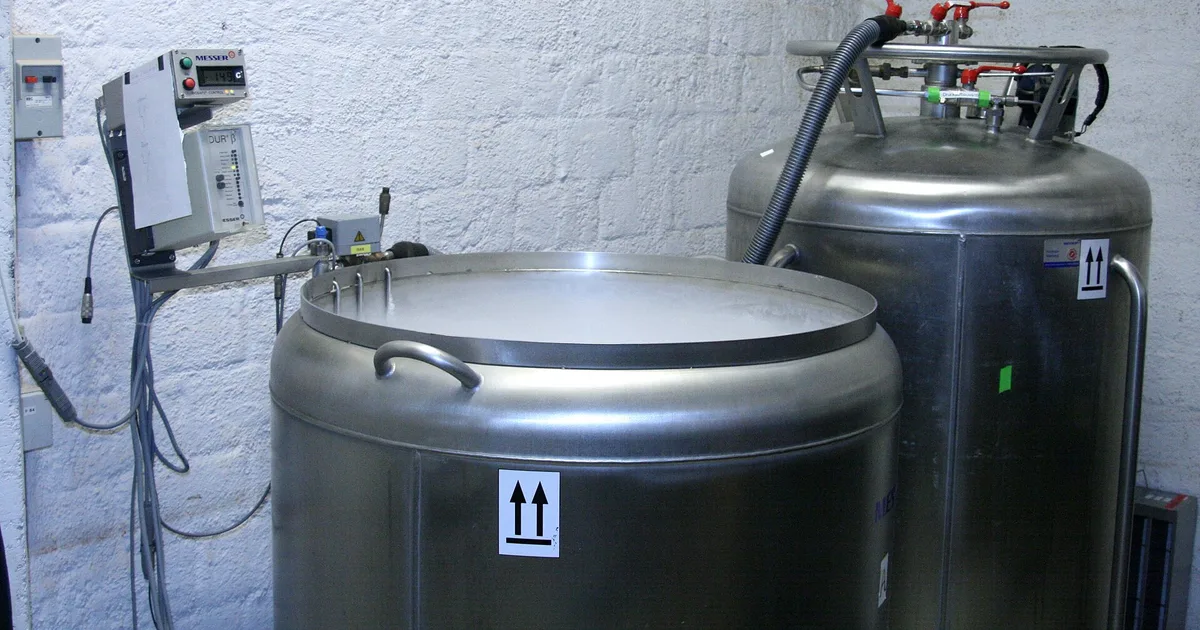
- Egg, embryo and sperm freezing: vitrification and on-site liquid nitrogen storage, for cancer patients facing chemotherapy or radiation as well as patients banking eggs now; the practice also offers a “Biological Clock” ovarian reserve check for women still deciding
- Donor eggs and donor sperm: frozen donor eggs through the Donor Egg Bank USA catalog, plus donor insemination using banked sperm for patients without a male partner
- Diagnostic workup: semen analysis, hormone and ovarian reserve testing, transvaginal ultrasound, hysterosalpingogram and sonohysterogram, an Endomeasure scan before transfer, and trial transfers to catch problems ahead of the real one
- Assisted hatching included in the Optimal IVF package; reproductive surgery appears in the practice’s service list, including tubal ligation reversal
Fees & Packages
ARMS puts its prices on its website. Figures below are the practice’s own published rates and they change, so confirm them when you call.
- New patient appointment: $150, with $51 credited to your account when you come in — the clinic advertises the intro visit as low as $99
- Optimal IVF: $11,725 clinic fee. Included: monitoring ultrasounds, estradiol blood draws, egg identification, retrieval, culture and fertilization, sperm preparation, embryo culture, cryopreservation, assisted hatching, one frozen embryo transfer, Endomeasure ultrasound, preparation for transfer, up to two hCG blood tests. Not included: the anesthesia fee, screening tests, medications, ICSI and PGT
- Medications: roughly $2,000-$2,900 with Optimal IVF, $1,200-$1,500 with Gentle IVF. ARMS says it uses US-based pharmacies only, and calls the import of overseas fertility drugs illegal; it claims savings come from protocols that need less drug
- ICSI: $2,000 when medically necessary. PGT: about $4,000, optional and billed separately on both IVF packages
- Gentle IVF: $4,800 — the reduced-medication protocol, less than half the Optimal fee
- Non-refundable single cycle program: $9,900, open to all patients, covering monitoring, retrieval and the cycle
- Comprehensive refund program: $25,250 for up to three cycles, with 100% of the money back if you do not have a baby
- Military discount and first-responder discount: $5,500 off a single IVF cycle (the first-responder offer is limited to active police and fire department members)
- Shared Hope IVF: a discount in exchange for donating some of your own eggs through Donor Egg Bank USA; the clinic calls it the cheapest IVF program in Arizona
- Shared Help: need-based financial assistance assessed by an outside company with no ties to ARMS
- Tell a Friend: $100 credit to both you and the patient you refer, once they book
- Embryo storage: $60 a month or $600 a year
- Financing: Prosper Healthcare, CapexMD, First Steps and other routes, more than ten programs in total
- Insurance: there is no published list of accepted plans in our sources. The clinic’s own price breakdown says only that screening costs vary with your insurance, so verify benefits before a cycle starts
Patient Journey
- Call before you commit — say you are a potential patient and want to speak with a physician; Moffitt or Nelson calls back the same day, before an appointment is booked
- New patient visit — $150 with $51 credited; the doctor reviews both partners’ histories and lays out options rather than a default protocol. Patients already treated elsewhere can ask for a complimentary second-opinion consultation at the Phoenix office
- Testing — semen analysis, ovarian reserve bloodwork and ultrasound, cavity assessment by HSG or sonohysterogram, and a trial transfer where the path looks complicated
- Protocol decision — Gentle IVF, Optimal IVF, a shared-hope discount cycle or something simpler; the practice states it will not pressure a patient into IVF, and monitoring can begin within two weeks
- Stimulation and monitoring — injectable medication with blood draws and scans, scheduled around morning, evening or Saturday slots where possible
- Retrieval — eggs collected under anesthesia with ultrasound guidance; the follicular fluid is examined and the embryologist identifies and prepares the eggs for fertilization
- Fertilization and culture — conventional insemination or ICSI, then five to seven days to blastocyst, with Embryo Watch time-lapse imaging and an AI-assisted development report; biopsy for PGT if you chose testing
- Transfer — usually a single frozen blastocyst in a later cycle rather than a fresh transfer, with remaining embryos banked at $60 a month
- Confirmation and handoff — a blood test about nine days after transfer, an ultrasound a few weeks later to confirm how many implants took and a heartbeat, then care returns to your own obstetrician
A full cycle from testing through transfer typically runs one to three months.
Local Legal Framework
The ART rules that show up in our Arizona sources sit on general parentage law plus clinic paperwork, not one comprehensive statute.
- Surrogacy — this profile records surrogacy as legal in Arizona when it is arranged through a written gestational agreement, under the parentage provisions of Arizona Revised Statutes, Title 25. Results are fact-specific, so independent legal counsel before embryos are moved is normal here, not a sign of a problem
- Egg and embryo donation — permitted, and documented in written donation agreements that set out the rights and duties of donor and recipients. ARMS recruits and screens its own donors and pays them $5,000 on the day of donation, and also places frozen donor eggs from the national bank it partners with
- Genetic testing — PGT-A and PGT-M are offered without a state-level prohibition in our sources; consent is the standard medical kind, and testing happens only on embryos created by IVF
- Legal status of embryos — our sources record no Arizona statute defining embryos as persons or setting their legal status. Practically, embryo disposition is contractual: expect explicit consent forms covering creation, storage and what happens to banked embryos after divorce, the death of a partner, or stopped payments
- Number of embryos transferred — our sources record no Arizona statutory cap; ARMS’s own policy is one embryo where it safely can, and it warns that transferring more raises the risk of a multiple pregnancy for mother and babies
Location
- Address: 1701 E Thomas Rd, Bldg 1, Suite 101, Phoenix, AZ 85016
- Phone: (602) 343-2767