'%20d='m0%200%2016%2011h61%2061%2061%2061%2060L47%2037h61%2061%2060%2061L16%2063h61%2061%2061%2061%2060L47%2089h61%2061%2060%2061L16%20115h61%2061%2061%2061%2060L47%20141h61%2061%2060%2061L16%20166h61%2061%2061%2061%2060L47%20192h61%2061%2060%2061L16%20218h61%2061%2061%2061%2060z'/%3e%3c/svg%3e)
About
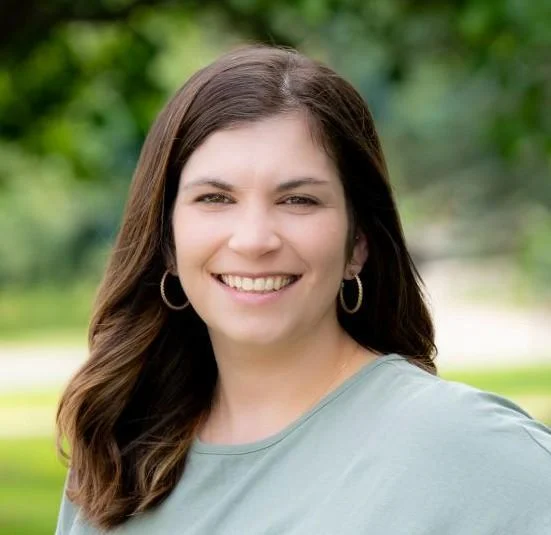
Before she worked with patients trying to conceive, Shoshana Gruber spent five years in New York City hospitals as a Labor and Delivery and Antepartum nurse — the units that manage pregnancies in progress, including the ones that turn complicated. She has worked on the other end of the process, getting patients to that point, since 2021.
Her credential needs stating first, because it is not a medical degree: Gruber is a certified family nurse practitioner (MSN, NP-C) on the Gago Center for Fertility team, with a stated focus on women’s health and fertility. She is one of three clinicians the practice lists across its Brighton, Lansing and Ann Arbor offices, alongside the two reproductive endocrinologists, Drs. Laura April Gago and Elizabeth Pritts. In an ART practice, that structure means the physicians prescribe, order and interpret the cycle; a family nurse practitioner works the women’s health and patient-facing side of it under the practice’s own supervision arrangements, which are not published in the clinic’s materials.
Her degrees stack in a clear order: a bachelor’s in community health from the University of Maryland in 2014, a Bachelor of Science in Nursing from the Johns Hopkins University School of Nursing, and a master’s in nursing from Vanderbilt University in 2021. She describes finding her specialty — women’s health — during that training, and says that since moving into fertility in 2021 she has not wanted to do anything else.
Clinical Expertise
- Women’s health care alongside fertility treatment: reproductive and general women’s health questions from a family nurse practitioner whose declared focus is exactly that intersection
- Fertility nursing since 2021: cycle care in a practice where monitoring visits, bloodwork and ultrasounds are the working rhythm of a stimulated cycle; her own biography does not itemize which procedures she performs, so ask the front desk what a visit with her covers
- Contraception, preconception and gynecologic follow-up: the standard scope of a certified family nurse practitioner, applied to patients whose questions are not only about getting pregnant this month
- Patient teaching and day-to-day questions: injection technique, medication schedules and the “is this normal” calls that decide whether a cycle continues comfortably or stops in a panic — the part of cycle care nurse practitioners carry in most fertility practices
- Obstetric history to draw on: five years on labor, delivery and antepartum units, which is practical knowledge for patients heading toward a pregnancy after treatment
Why Choose Shoshana Gruber
A nurse practitioner is a different kind of appointment. In a two-physician practice, the endocrinologist sets the protocol; a nurse practitioner is usually the clinician with room to walk through what the medications do, what the scan measurements mean, and what to watch for at home. Gruber’s own line about her goal — helping patients reach their family goals in whatever way possible — is the patient-facing half of this clinic.
A nursing record worth naming. Bachelor of Science in Nursing from Johns Hopkins, master’s in nursing from Vanderbilt, and five years of hospital obstetric practice in between.
Five years in a New York City delivery ward. Antepartum nursing means managing pregnancies that carry complications before term. Most fertility patients will never need that particular knowledge, and the ones who do — after a loss, or in a pregnancy watched closely — are the patients for whom it matters.
Clear on what she is. She is not a physician and does not present herself as one. If you want the nurse practitioner’s time on your monitoring calendar rather than only the prescribing physician’s, say so when you book.
Professional Affiliations
Certified Family Nurse Practitioner (NP-C), practicing women’s health and fertility care at Gago Center for Fertility in Brighton, Lansing and Ann Arbor, Michigan. Education: Bachelor of Science in Nursing, Johns Hopkins University School of Nursing; Master of Science in Nursing, Vanderbilt University, 2021; bachelor’s in community health, University of Maryland, 2014. Prior clinical practice: five years as a Labor and Delivery and Antepartum nurse in New York City; in fertility care since 2021. The sources reviewed for this profile document no society membership, publication record or certification beyond her family nurse practitioner credential, and none is claimed here. The clinic’s accreditations — SART membership and a CAP-accredited laboratory — attach to the practice and its physicians, not to her nursing license.
Suitable For
- Patients starting a fertility workup who want each test, medication and injection explained before they begin, at the pace a nursing visit allows
- Anyone managing a stimulated cycle: the monitoring schedule is where nursing time is spent most heavily, and continuity with one clinician across those visits reduces the guesswork
- Women whose care is not only IVF: preconception questions, gynecologic follow-up and general women’s health alongside fertility treatment
- Patients after a loss: a nurse practitioner with years of antepartum and delivery experience is a steadier presence in the visit than most marketing copy
- Anyone who wants to know who is actually seeing them: if you need the physician’s decision on protocol, book the physician; if you need the plan explained and re-explained, book the nurse practitioner