'%20d='m0%200%2016%2011h61%2061%2061%2061%2060L47%2037h61%2061%2060%2061L16%2063h61%2061%2061%2061%2060L47%2089h61%2061%2060%2061L16%20115h61%2061%2061%2061%2060L47%20141h61%2061%2060%2061L16%20166h61%2061%2061%2061%2060L47%20192h61%2061%2060%2061L16%20218h61%2061%2061%2061%2060z'/%3e%3c/svg%3e)
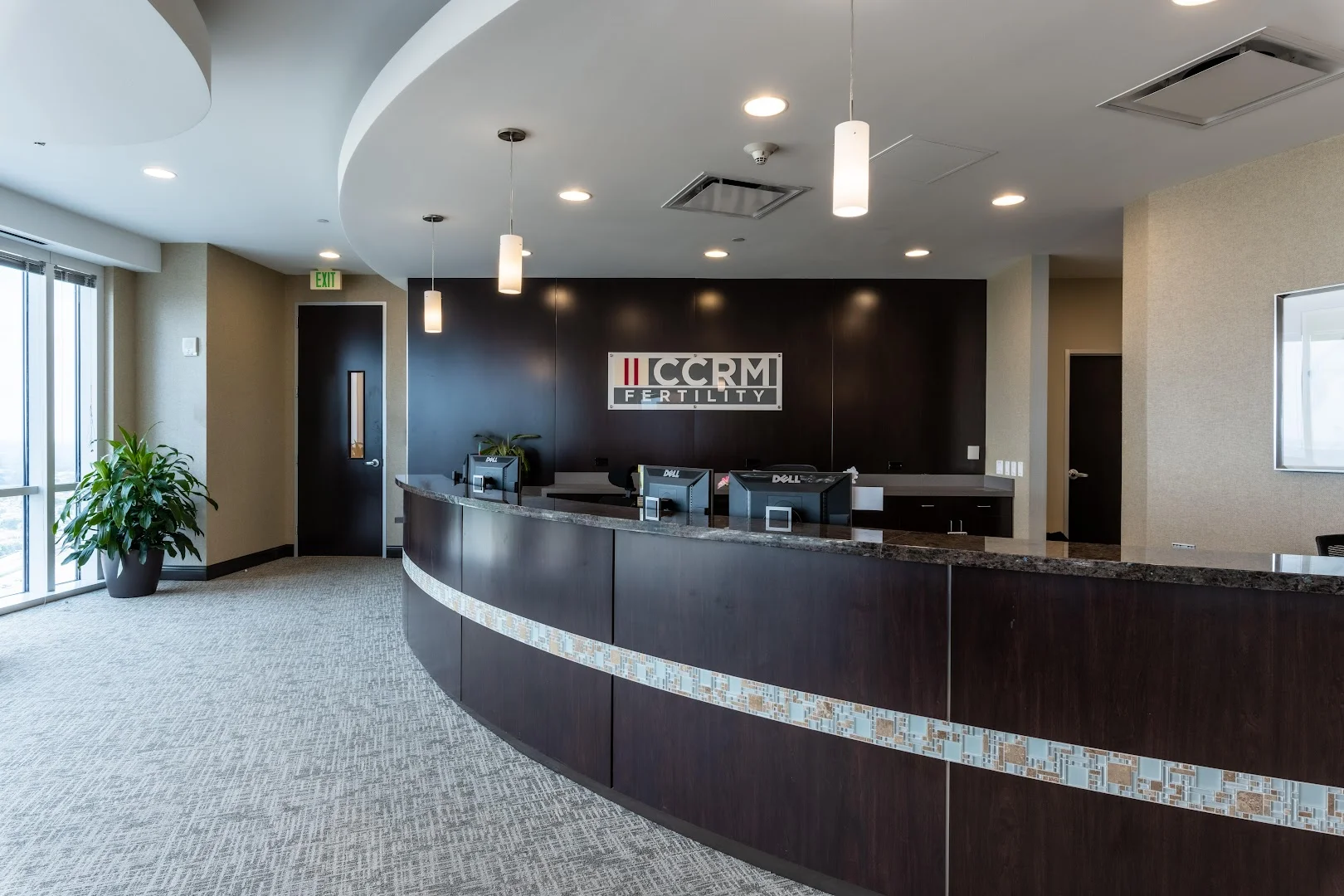

About CCRM Fertility of Houston (Main Center)
The Main Center takes suite 2300 at 929 Gessner Road in Houston’s Memorial area. It is one of three CCRM offices in this metro — this address, Sugar Land, and Texas Medical Center, all reachable on the same phone number — and three of the physicians here also hold clinic at one of the other two. This page covers Gessner Road. If you monitor in on a Tuesday morning, check which building your appointments actually land in.
The 1987 date carried above is the network’s, not this building’s: that is when Dr. William Schoolcraft founded the Colorado Center for Reproductive Medicine. Houston came later. Dr. Timothy Hickman started the practice here in 2001 and still runs it as founding physician and medical director. CCRM’s own materials describe a network of more than 40 clinics in the United States and Canada with 80-plus fertility specialists. Treat that as brand scale. What applies to you is Houston’s staffing and Houston’s data, and SART registers CCRM’s Houston practices as one reporting unit — clinic ID 2097 — whose 2023 final clinic report is the source of the age-band numbers below. Nothing in that registration isolates this address.
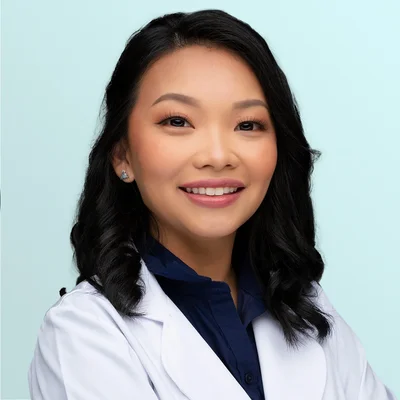
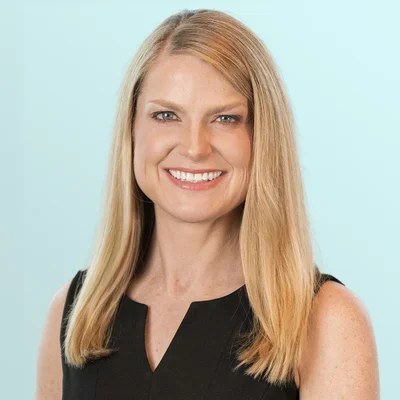
Four reproductive endocrinologists practice here: Hickman, Rashmi Kudesia, Katherine McKnight and Beth Zhou, supported by nurse practitioners Aminah Chaib and Kirstie Nash. The clinic’s Houston service list runs IVF, ICSI, IUI, PGT, egg freezing, male fertility evaluation, LGBTQIA+ family building, donor egg and donor sperm programs, and gestational carrier support. Office hours are 7:30 AM to 4:00 PM Monday through Friday, with weekend and holiday coverage from 7:30 to 11:00 AM. Monitoring labs and scans open at 7:30 and run to 8:30 AM on weekdays and on both weekend days. Google rates this address 4.0 across 220 reviews; the clinic’s own pages advertise “2,000 five-star reviews and counting,” which is a company-stated, network-scale marketing line rather than a review count for Gessner Road.
Outcomes, band by band, against the national row on this page. The comparison table below this article pairs this registration’s 2023 clinic data with the national row its own source line labels the SART 2023 national average — 52.5% under 35, 40.9% at 35-37, 28.4% at 38-40, 10.6% at 41 and over. Those are the national numbers used on this page, and the comparison below stays with them. The picture is mixed, not uniformly strong. Under 35 the clinic reports 52.6% against 52.5% — a tie, and not a reason to choose one clinic over another. At 35-37 it is 45.3% against 40.9%, roughly four and a half points in this practice’s favor. At 38-40 the order flips: 23.1% against 28.4%. In the 41-and-over row it is 5.1% against 10.6%, about half the national figure. One caveat on that last row: it carries the clinic’s over-42 band, and the 41-42 band is not broken out in the data this page holds.
The other set of numbers on the same report. The 2023 registration data also shows how embryos are replaced: single embryo transfer in 95.8% to 100% of transfers depending on age band, at an average of 1.0 embryo transferred, and live birth per single transfer of a frozen embryo at 51.0% under 35, 58.3% at 35-37 and 45.6% at 38-40. Those are not better results than the rows above; they count a different thing. A per-transfer figure starts counting after the cycles that produced no transferable embryo have already dropped out, and frozen single transfers here are typically of embryos grown to blastocyst and tested. Per-transfer numbers always look stronger than per-band totals, at this clinic or any other. Ask which denominator a quote is using, and note that the oldest band in that table rests on 22 transfers.
Cycle volume, whose it is. CCRM’s Houston materials report 2,541 treatment cycles. The 2023 SART record for registration 2097 lists 813 embryo transfers across all age bands, and three Houston-area offices sit under that phone number, so the 2,541 is a practice-reported figure that our sources do not tie to this address or to a single registration. The national per-clinic average shown on this page is 738 cycles — itself a mixed denominator, SART cycle counts over a CDC clinic count — so read any “times the national average” claim as a rough scale reference rather than a like-for-like comparison. The clinic separately publishes a 67.1% live birth rate for new patients under 35, which tracks patients across their cycles and is a third measure again; it is not comparable with the per-band figures above.
Accreditations & Awards
- SART member practice reporting under one Houston registration (clinic ID 2097, 2023 final clinic report), which is why the age-band numbers on this page exist in public and can be pulled independently rather than taken from a brochure
- Single embryo transfer discipline, audited: 95.8%-100% of transfers by age band performed as single embryo transfers, averaging 1.0 embryo transferred (SART 2023 registration data). Twin risk is the most underrated line in a fertility quote
- CAP and CLIA laboratory accreditation are clinic-stated, not independently verified here. The material reviewed for this page carries the claims but no accreditation or certificate number, so ask the lab to name them
- Embryo genetic testing inside the organization: PGT runs through CCRM Genetics, the network’s own laboratory, rather than being mailed to an outside company. CCRM’s timeline says its genetics group took multiple ASRM awards in 2023 and 2024 — a network claim, not a Houston one
- A Texas milestone, attributed: the practice’s profile of Dr. Hickman credits his team with the first pregnancy in Texas resulting in a live birth from cryopreserved eggs. It is Texas’s first, per the clinic’s own write-up, not a national one
- Standards-setting from this office’s medical director: Dr. Hickman is a past president of SART, sat on its executive board for more than 20 years, previously chaired its registry committee, and is currently the CDC liaison to SART — the body that publishes the data this page quotes
- Network history, cited for context only: CCRM’s own technical timeline puts Colorado’s first frozen embryo pregnancy and first donor-egg birth in 1990, the worldwide promotion of blastocyst culture in 1996, and the first clinical application of PGT-A on biopsied blastocysts across all 23 chromosome pairs in 2007. Those are the network’s Colorado milestones from before this Houston office opened; physician-level recognitions such as Castle Connolly and Houstonia listings sit on the individual doctor pages
Why Choose CCRM Fertility of Houston (Main Center)
- Almost nobody is carrying twins off a cycle here: 95.8% or more of transfers in every age band were single embryo transfers, with 1.0 embryo transferred on average (SART 2023). That is a practice policy you can check, not a promise
- One registration, published results: outcomes are filed under SART clinic ID 2097, so you can compare this practice’s 38-40 and 41-and-over rows — where it trails the national average — against the same source you would use for any competitor
- Monitoring built around a workday: labs and scans from 7:30 to 8:30 AM every day including weekends, and weekend and holiday office coverage until 11:00 AM under the clinic’s weekend staffing model. Stimulation cycles are appointment-heavy and time-sensitive; this is the detail that decides whether you keep your job
- Three Houston addresses, one phone number: Drs. Kudesia, McKnight and Zhou each practice at the Main Center plus Sugar Land or Texas Medical Center, so scans can happen closer to home or work instead of across town every other day
- Third-party reproduction is a program, not an exception: donor eggs matched through CCRM’s national egg donor database, donor sperm, reciprocal IVF for two mothers, and gestational carrier coordination, all on the Houston service list
- A physician on staff who helped write the reporting rules: the medical director’s SART and CDC history means the numbers this clinic publishes are the numbers he has spent a career auditing
- Mandarin-language consultations are available with Dr. Zhou, who lists Chinese alongside English
IVF & Fertility Services
- In Vitro Fertilization (IVF): individualized injectable stimulation, bloodwork and ultrasound monitoring, transvaginal retrieval as an outpatient procedure, embryo culture and transfer
- ICSI (Intracytoplasmic Sperm Injection): single-sperm injection for male factor infertility or prior fertilization failure, listed among the Houston treatments
- IUI (intrauterine insemination): sperm placed through the cervix, listed for milder factors and donor sperm cycles
- PGT-A and PGT-M: testing embryos for chromosome number and for known single-gene conditions, read in-network at CCRM Genetics
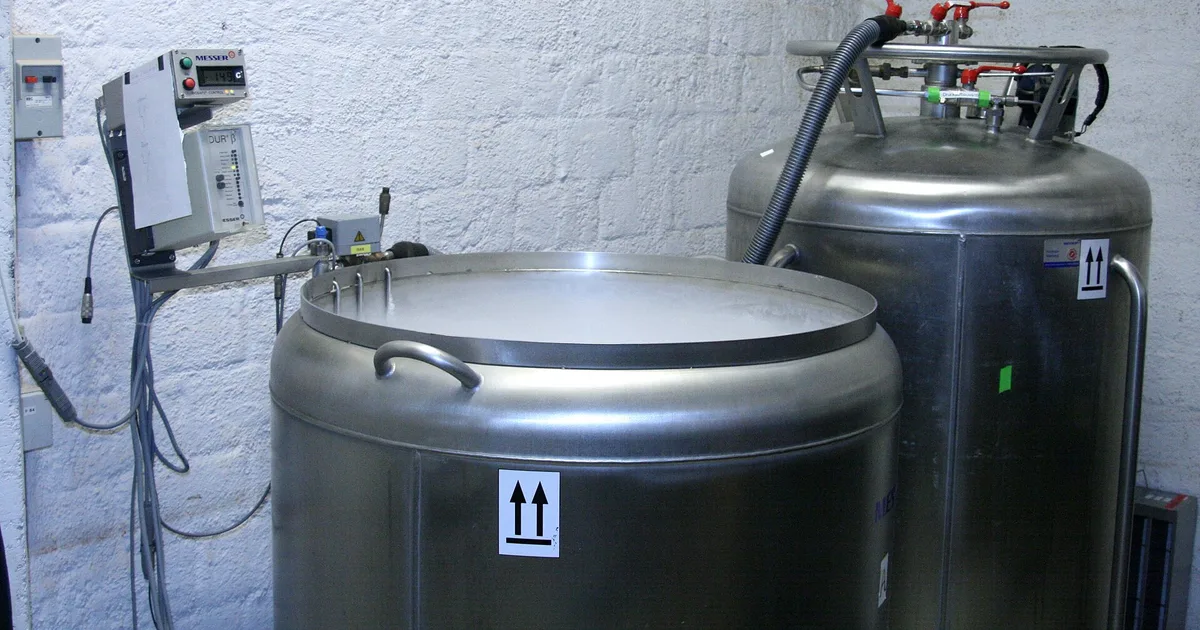
- Egg, embryo and sperm freezing: vitrification for elective preservation and for patients facing chemotherapy or radiation, with cryostorage at the practice
- Donor eggs and donor sperm: matching through CCRM’s national egg donor database and the network’s donor egg program
- Gestational carrier support: screening and coordination for patients who need someone else to carry the pregnancy
- LGBTQIA+ family building: reciprocal IVF, donor gamete paths and preservation before gender-affirming treatment, named as a Houston service line
- Male fertility evaluation: semen analysis covering volume, motility, morphology and count
- Fertility testing: ovarian reserve and hormone assessment, uterine evaluation, and counseling on cycle prognosis — Dr. Kudesia’s named focus area
- Diagnosis-led care for PCOS, endometriosis-associated infertility, recurrent pregnancy loss, primary ovarian insufficiency, poor responders and ovulation disorders, matching the specialties listed for the physicians on staff
- Hysteroscopic surgery for uterine cavity pathology, a named specialty of Dr. McKnight
- Telehealth visits for consultation, result review and cycle teaching, plus a patient portal and support groups listed as Houston patient resources
Fees & Packages
There is no published price list. The material reviewed for this office contains no cycle fee, no medication estimate, no PGT charge and no storage fee, and no Texas bundle. Do not budget from another clinic’s number or from a forum post; request a written estimate for your own protocol.
What CCRM does publish is how it handles money. In its own words, financial support covers dedicated financial counselors, insurance coverage guidance, self-pay discounts and financing through lending programs. The Houston page runs the line “fertility freedom made affordable” — that is the clinic’s marketing framing, and the underlying source material states no prices behind it. The counselor step happens before medications are ordered, which is where a self-pay discount or a benefit verification actually changes your bill.
Two questions worth asking on the phone, since the published language does not answer either: which plans this office contracts with, and what a quoted cycle includes line by line — biopsy and PGT-A, the frozen transfer itself, anesthesia, and cryostorage from year two. Clinics bundle these differently enough that ranges are not comparable.
Patient Journey
- Book a new-patient appointment, in person or by telehealth. This practice schedules through the network’s online platform, Lodus Health, or by phone on the number below
- Fertility assessment: hormone and ovarian reserve bloodwork, uterine imaging, and semen analysis covering count, motility, morphology and volume. Testing sets the protocol rather than confirming one decided in advance
- Plan review with a financial counselor in the same visit cycle: benefits verification, any self-pay discount, and the lending-program options, settled before medications are ordered
- Injection training before you start: the clinic runs a virtual “Fertility Spotlight” injection series for patients beginning cycles, which is where most people learn to do the daily shots
- Stimulation and monitoring: daily injectables tracked by bloodwork and transvaginal ultrasound in the 7:30-8:30 AM window, weekdays and weekends, with weekend and holiday office coverage to 11:00 AM
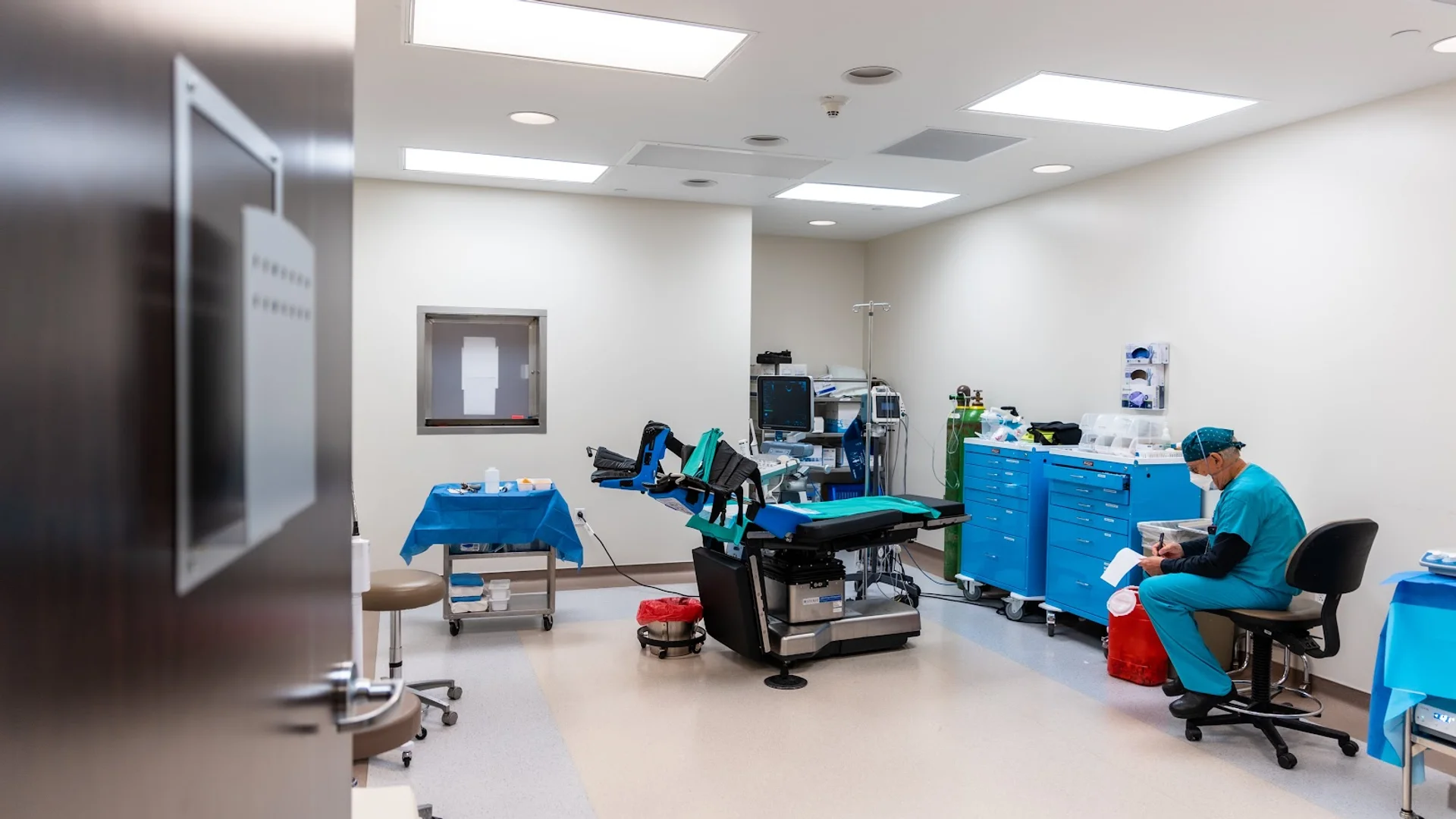
- Retrieval and fertilization: an outpatient procedure under sedation once follicles are mature, then conventional insemination or ICSI in the laboratory and culture to the blastocyst stage
- Biopsy, transfer and storage: embryos destined for PGT are biopsied and tested at CCRM Genetics, then transferred fresh or vitrified for a frozen single embryo transfer in a later cycle. Remaining eggs, embryos or sperm stay in practice cryostorage
- Pregnancy test and handoff: blood test after transfer confirms pregnancy, after which obstetric follow-up is coordinated with a community obstetric practice. Patients needing a gestational carrier or donor gametes run a parallel legal and screening track ahead of transfer
Local Legal Framework
In the material reviewed for this page, Texas governs assisted reproduction through its family law rather than through a standalone ART statute.
Gestational carriers. Texas is one of the more surrogacy-friendly states, and it has a statute for it: the gestational agreement provisions in the Texas Family Code’s parentage chapter (Chapter 160, Subchapter I) set out how an agreement between intended parents and a carrier is authorized and how the intended parents are then declared the child’s legal parents. Court authorization and the parentage order are legal proceedings, not clinic forms, and our material does not cover the eligibility rules a Texas court applies. Line up a Texas reproductive-law attorney before any transfer, and have the carrier’s own counsel separate from yours.
Donor eggs, donor sperm and embryos. Donation is permitted and performed at this practice, under written donor agreements and informed consent; the same parentage chapter is what keeps a gamete donor from being a legal parent. Our sources describe how donation works here but say nothing about what a Texas donor may lawfully be paid, so treat compensation and screening terms as an attorney question rather than a clinic question.
Genetic testing. PGT-A and PGT-M are offered as standard cycle options. Nothing in the sources reviewed names a Texas-level restriction on testing beyond informed consent.
Legal status of embryos. The material reviewed here disagrees on whether Texas defines an embryo’s legal status by statute, and none of it cites a law that does. In practice the controlling document is the disposition consent you sign when embryos are created — storage fees, who decides after divorce or a death, and whether unused embryos are donated, discarded or kept. Read it before signing.
Insurance. Nothing in the material reviewed for this page describes a Texas law requiring plans to cover IVF, so coverage is an employer-by-employer question. The clinic’s financial counselors verify benefits before treatment; that verification, not a state mandate, is what sets your out-of-pocket number.
Location
- Address: 929 Gessner Rd Suite 2300, Houston, TX 77024
- Phone: +1 713-465-1211