'%20d='m0%200%2016%2011h61%2061%2061%2061%2060L47%2037h61%2061%2060%2061L16%2063h61%2061%2061%2061%2060L47%2089h61%2061%2060%2061L16%20115h61%2061%2061%2061%2060L47%20141h61%2061%2060%2061L16%20166h61%2061%2061%2061%2060L47%20192h61%2061%2060%2061L16%20218h61%2061%2061%2061%2060z'/%3e%3c/svg%3e)

About Fertility & Surgical Associates of California
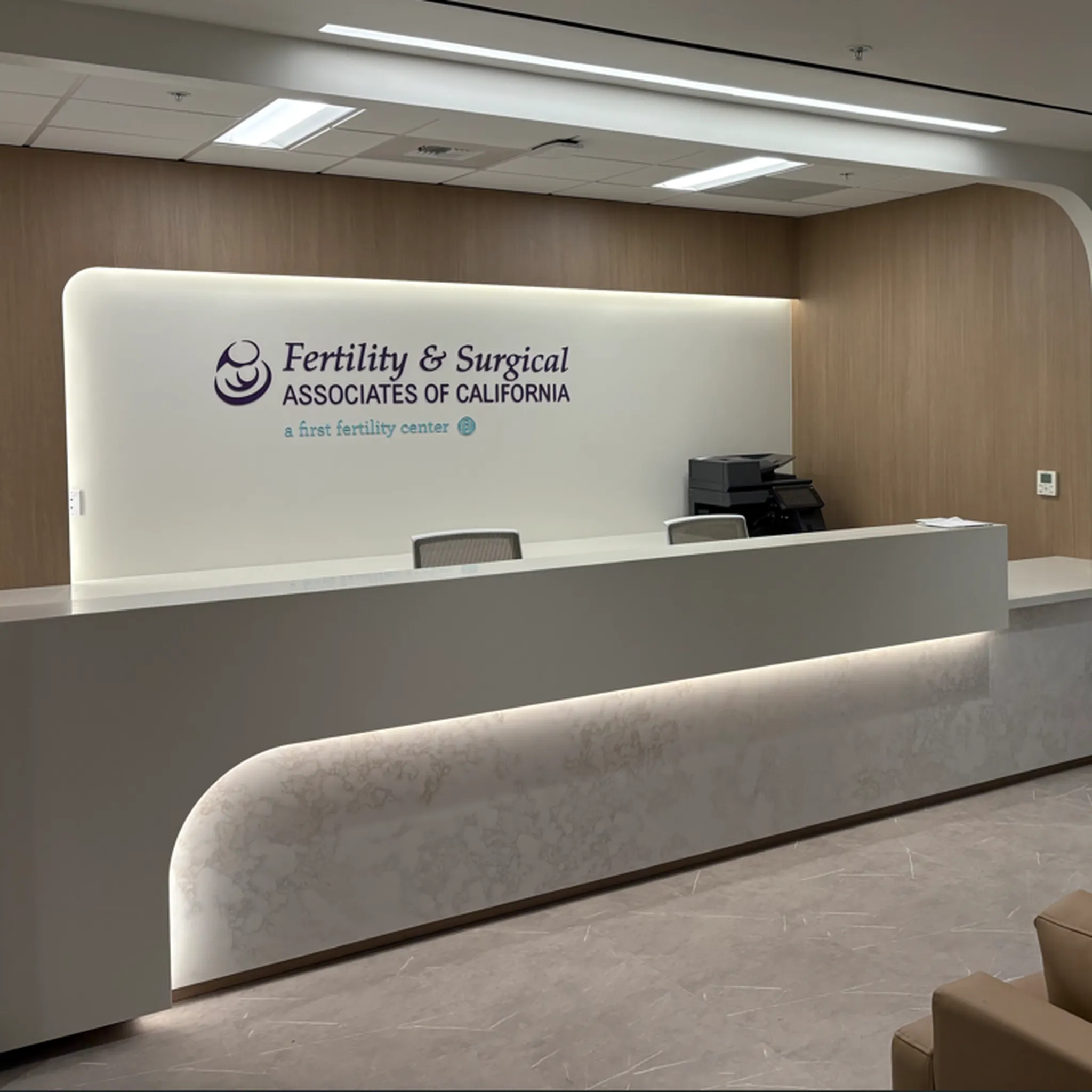
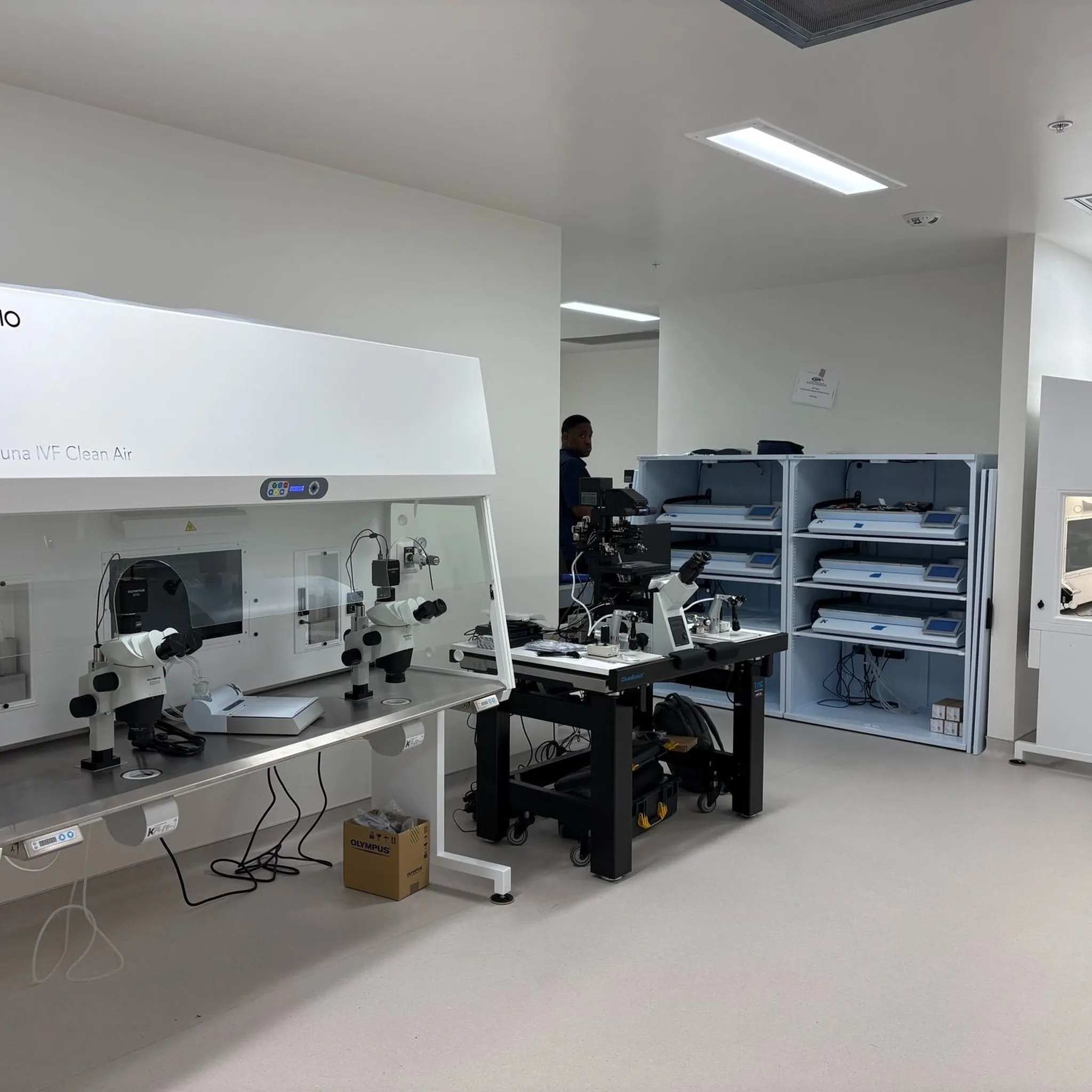
The name puts the operating room next to the lab, and the new Thousand Oaks building does the same. FSAC moved its flagship office to 225 W. Hillcrest Drive on 2 March 2026, and the relocation came with a brand-new IVF laboratory and an on-site surgery center under one roof. Follicle monitoring, blood draws, retrievals, transfers and laparoscopic or hysteroscopic procedures all happen at the same address — so when a workup finds a correctable anatomical problem, the patient is not automatically handed to a gynecologist somewhere else.
The practice runs three offices: Thousand Oaks as the primary site in Ventura County, plus Encino and Santa Monica in Los Angeles County. Each posts its own existing-patient line, and one new-patient number routes calls for all three. The practice dates itself to 1999 — a 25th-anniversary logo ran on its site through 2024 — while SART’s registry lists FSAC as a member since 1998, making it one of the longer-established programs still filing into the national registry. Two labs sit at Thousand Oaks: embryology and andrology.
Cycle numbers need one qualifier. The 1,685 cycles in FSAC’s SART 2023 final report are the total for the registry entity, which covers all three offices and includes 61 embryo banking and 148 oocyte banking cycles. Read them as the output of a three-site practice, not of the Thousand Oaks address alone.
Outcomes split by age band rather than running uniformly above or below the national row, so read them band by band (live births per intended egg retrieval, all transfers, SART 2023): 49.1% under 35 (165 retrievals), 44.8% at 35-37 (172), 22.8% at 38-40 (149), and 10.2% over 40 — that last figure blends a 17.5% result at 41-42 (97 cycles) with 1.3% above 42 (79). Set against the national SART rows on this page, FSAC sits below the national figure under 35 and at 38-40, above it at 35-37, and roughly level just past 40. The clinic’s best margin against the national row is at 35-37 and its worst under 35, which is the question age at start should drive. The registry record for this clinic does not break those rates into separate fresh and frozen numbers, so no per-protocol claim is possible from these data.
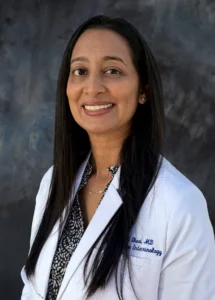
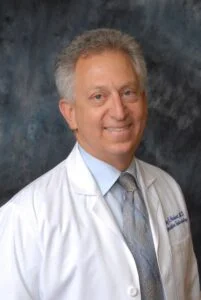
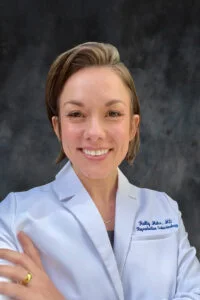
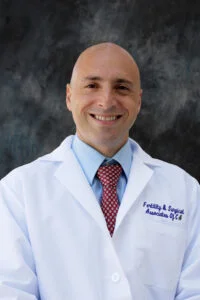
Four physicians now practice here. Dr. Richard Buyalos retired from clinical practice effective 1 June 2026 after a final day of patients on 31 May 2026; Drs. Hubert, Shamonki, Mehr and Dhesi remain. The practice states that all of its fertility specialists are board certified in reproductive endocrinology and infertility, and SART’s 2023 record names Gary Hubert, MD as medical director. FSAC says it has welcomed hundreds of international patients, offering virtual first visits, translation support and help coordinating travel.
Accreditations & Awards
- SART member since 1998, reporting to the national registry as clinic ID 2184 (registry number 0658), which is what makes the success figures on this page independently checkable
- CAP-accredited embryology laboratory, recorded on the SART platform; the practice describes a PhD embryologist leading the lab, and the SART record names Alison Bartolucci as laboratory director
- AAAHC ambulatory accreditation, shown on the practice’s own patient resources pages — clinic-reported; our search of public AAAHC listings did not surface a record we could confirm independently
- #FertilityEquity certificate in culturally competent care, earned by completing the Morehouse School of Medicine e-learning modules produced with support from Ferring Pharmaceuticals
- Physician recognition: Castle Connolly Top Doctor for 2025 and 2026 for Drs. Shamonki and Dhesi; Shamonki additionally holds America’s Top Doctors and the Carbee Award for excellence in OB/GYN; Dr. Mehr received the Society of Laparoscopic Surgeons award for excellence in minimally invasive surgery, an ACOG Patient Advocacy Award and the Ryan program award for excellence in family planning; Dr. Hubert has been honored more than once by the American Society for Reproductive Medicine and in the media for work on endometriosis and ovulation dysfunction
- Not JCI accredited — no international accreditation is claimed by the practice
Why Choose Fertility & Surgical Associates of California
- Lab and operating room at one address: the rebuilt Thousand Oaks center keeps monitoring, laboratory work and surgery in the same building, which the practice says tightens quality oversight and cuts the number of separate trips a cycle requires
- A surgeon inside the IVF team: Dr. Holly Mehr trained in minimally invasive gynecologic surgery at the Lahey Clinic before her UCLA reproductive endocrinology fellowship, so excising endometriosis or clearing the uterine cavity and running the cycle sit with the same practice rather than two
- A board-certified reproductive endocrinologist at every visit, and a full hour for the first one — FSAC’s stated policy, with the consult built around history review, education on the diagnosis pathways and a written next-step plan. Communication stays open between visits by text or phone, with an after-hours answering service, virtual appointments, and a Spanish-fluent physician in Dr. Amy Dhesi
- Insurance help that predates the mandate: the practice has been contracted with major California insurers for years, participates in the Progyny employer benefit network, and checks benefits for every new patient under the SB 729 coverage rules that took effect 1 January 2026
- Discounts with numbers attached: the Fertility Access Initiative takes $2,000 off an IVF freeze-all cycle and $1,300 off an egg freezing cycle for self-pay patients, with a year of storage bundled into the freeze-all and a month into egg freezing
- Single-embryo transfer as the described default: the practice’s IVF walk-through has the physician transferring one embryo and cryopreserving the rest, rather than aiming for a multiple pregnancy
IVF & Fertility Services
- In Vitro Fertilization (IVF): stimulation to grow multiple mature eggs, retrieval under light anesthesia, fertilization and culture monitored over several days, then transfer; the practice also runs freeze-all cycles, where every embryo is cryopreserved and transfer happens later
- ICSI (Intracytoplasmic Sperm Injection): performed in-house alongside the andrology lab’s advanced semen work
- IUI (intrauterine insemination): prepared sperm placed directly in the uterus, offered with medicated cycles monitored to reduce the risk of multiples
- PGT on embryos — PGT-A, PGT-M and PGT-P: screening for chromosome number, testing for a known single-gene condition, and polygenic risk assessment for conditions such as diabetes, cancer or heart disease. Biopsied cells go to an outside specialized genetics laboratory rather than being sequenced on site
- Genetic carrier screening before pregnancy: a cheek swab from each partner, sent out for analysis, covering sickle cell anemia, cystic fibrosis, spinal muscular atrophy, fragile X syndrome, Tay-Sachs disease and a wider panel — the screening ACOG recommends for both partners before conception
- Egg, embryo and sperm freezing: elective preservation, plus an oncofertility fast track that offers same-day consultations to newly diagnosed cancer patients so banking can finish before chemotherapy or radiation starts
- Third-party reproduction: donor sperm, donor eggs and gestational carriers, with the practice connecting patients to reputable agencies and supporting candidate evaluation
- Reproductive surgery: laparoscopy and hysteroscopy in the on-site surgery center, used to correct anatomical barriers to pregnancy
- Male fertility care: semen analysis and treatment of male factor infertility
- Fertility testing and diagnosis: hormone blood work, ovarian reserve assessment and ultrasound monitoring for both partners before a plan is written
- LGBTQ+ family building: donor egg, donor sperm and carrier paths for same-sex couples and single parents by choice, with the Santa Monica office highlighted for this work
- International patient program: virtual consultations, translation services and travel logistics; the practice also produces patient guidance aimed at families coming from China
Fees & Packages
There is no published price list. FSAC does not post a per-cycle IVF fee, medication estimate or donor program cost, so ask for written numbers before starting medications. What the practice does publish is a discount program and several routes to paying.
- Fertility Access Initiative (limited-time program): $2,000 off an IVF freeze-all cycle or $1,300 off an egg freezing cycle for self-pay patients. A freeze-all includes one year of embryo storage; an egg freezing cycle includes one month, with discounted longer-term storage available through the practice’s storage partner. Eligibility requires no current IVF coverage under your insurance, and the retrieval has to happen inside the promotional window. Pricing is advertised as transparent with no hidden fees; the practice reserves the right to change or end the program
- Insurance: SB 729 expanded what California plans must cover from 1 January 2026 (see the legal section below). FSAC says its billing team already verifies coverage and handles appeals, and it is a Progyny network provider
- Diagnostic workup is billed separately and may be covered even where treatment is not
- Financing: PatientFi installment plans, advertised with instant approval, no hard credit check and flexible monthly payments
- Medication savings: Ferring Pharmaceuticals discount programs for MENOPUR — heart for patients without insurance or with exhausted benefits, heart tomorrow for egg freezers, heartbeat for patients with a cancer diagnosis, heart for heroes for eligible US families, and heartfelt for cycles canceled by a natural disaster — plus federal drug-pricing savings options the practice points patients toward
Patient Journey
- Book a consultation — one new-patient line serves all three offices, and virtual first visits are available if you are out of the area; bring prior records if you want a second opinion
- Full one-hour consult with a board-certified reproductive endocrinologist — health history and previous testing reviewed, diagnosis pathways and treatment options explained, a step-by-step plan for the next tests and timelines, and time left for questions
- Testing for both partners — hormone blood work, ovarian reserve assessment, ultrasound and semen analysis, with carrier screening added if you want it before pregnancy
- A plan built from the cheapest effective option — FSAC says it starts with the least invasive approach most likely to work, then moves up to IUI or IVF
- Stimulation and monitoring — injectable medications with blood work and follicle ultrasounds, done at the same Thousand Oaks site as the lab and the procedure rooms
- Retrieval, fertilization and culture — eggs collected in a short procedure under light anesthesia, fertilized conventionally or by ICSI, monitored over several days, with embryo biopsy for PGT sent to an outside genetics lab if you chose testing
- Transfer, confirmation and hand-off — a single embryo placed into the prepared uterus, remaining embryos cryopreserved, pregnancy testing and ultrasound follow-up, then prenatal care moved to your own OB/GYN
International patients follow the same sequence with virtual consultations and translation support before travel, plus help coordinating which days of the cycle must be spent on site.
Local Legal Framework
SB 729 is the change that matters in California right now. The law took effect 1 January 2026 and requires fully insured, large-group health plans regulated in California — employers with 100 or more employees — to cover infertility diagnosis and treatment, including IVF and fertility preservation. Coverage does not depend on marital status, gender identity or sexual orientation. Not covered yet: self-funded plans governed by ERISA (which is how many large employers run their health benefits), plans issued outside California, and Medi-Cal. Because FSAC’s staff walk new patients through benefits verification, ask them for a written coverage check; note that diagnostic testing is billed separately and may be paid even when treatment is not. The practice also publishes a patient fact sheet on SB 729 and a related California executive order.
Everything else about California makes it one of the friendlier states for family building:
- Gestational surrogacy: carrier agreements are enforceable in California, and state courts routinely issue parentage orders naming the intended parents before birth under Family Code sections 7960-7962, within the parentage framework of section 7600 et seq. FSAC connects intended parents with agencies and supports candidate evaluation, including LGBTQ+ couples and single parents by choice. Ask the practice how it handles the contract, whose counsel represents each side, and what it covers for out-of-state or international intended parents
- Egg, sperm and embryo donation: not restricted by California statute, and run here on written informed consent. One correction worth having before you rely on a citation: the Health and Safety Code section listed against this topic on this page (§125355) governs limits on payments for eggs collected for research, not clinical egg donation, and our sources name no California statute that does. Donors are treated as carrying no parental rights or obligations, which is settled by the donation agreement and the intended parents’ parentage order rather than by that section — have separate counsel read the consent before you donate or use a gamete
- PGT: no state-level limit on PGT-A or PGT-M beyond ordinary medical consent. Availability of polygenic screening (PGT-P) is a laboratory and clinic policy question, not a California legal one
- Embryo status: California does not treat embryos as legal persons, so storage terms, donation, research use and discard follow the consent forms you sign. Read them before a cycle, and check what happens to storage fees after the year bundled into a discount program runs out
Location
- Address (main clinic): 225 W Hillcrest Dr Suite 201, Thousand Oaks, CA 91360
- Phone: New patients (213) 235-1002 — existing patients (805) 778-1122
- Encino: 5400 Balboa Blvd Suite 312, Encino, CA 91316 — existing patients (818) 461-1610
- Santa Monica: 2428 Santa Monica Blvd Suite 308, Santa Monica, CA 90404 — existing patients (310) 453-8500