'%3e%3cpath%20fill='red'%20d='M0%200h720v480H0z'/%3e%3cpath%20fill='%23000095'%20d='M0%200h360v240H0z'/%3e%3cg%20fill='%23fff'%3e%3cpath%20d='m154%20126.9-2.5%209.6%209.4%202.6-1.8-7.1zm46.9%205.1-1.8%207.1%209.4-2.6-2.5-9.6zm-41.8-24-5.1%205.1%201.9%206.9z'/%3e%3cpath%20d='m155.9%20120-1.9%206.9%205.1%205.1z'/%3e%3cpath%20d='m154%20113.1-6.9%206.9%206.9%206.9%201.9-6.9zm14%2027.8%205.1%205.1%206.9-1.9zm18.9%205.1%209.6%202.5%202.6-9.4-7.1%201.8z'/%3e%3cpath%20d='m192%20140.9%207.1-1.8%201.8-7.1zm-31.1-1.8%202.6%209.4%209.6-2.5-5.1-5.1zm19.1%205%206.9%201.9%205.1-5.1z'/%3e%3cpath%20d='m173.1%20146%206.9%206.9%206.9-6.9-6.9-1.9zm-12.2-45.1-9.4%202.6%202.5%209.6%205.1-5.1zm-1.8%2031.1%201.8%207.1%207.1%201.8zm45-12%201.9-6.9-5.1-5.1z'/%3e%3cpath%20d='m168%2099.1-7.1%201.8-1.8%207.1zm32.9%208.9-1.8-7.1-7.1-1.8zm5.1%2018.9%206.9-6.9-6.9-6.9-1.9%206.9z'/%3e%3cpath%20d='m200.9%20108-8.9-8.9-12-3.2-12%203.2-8.9%208.9-3.2%2012%203.2%2012%208.9%208.9%2012%203.2%2012-3.2%208.9-8.9%203.2-12z'/%3e%3cpath%20d='m200.9%20132%205.1-5.1-1.9-6.9zm5.1-18.9%202.5-9.6-9.4-2.6%201.8%207.1zm-6.9-12.2-2.6-9.4-9.6%202.5%205.1%205.1zm-26-6.9-9.6-2.5-2.6%209.4%207.1-1.8zm6.9%201.9-6.9-1.9-5.1%205.1z'/%3e%3cpath%20d='m186.9%2094-6.9-6.9-6.9%206.9%206.9%201.9z'/%3e%3cpath%20d='m192%2099.1-5.1-5.1-6.9%201.9zM173.1%20146l-9.6%202.5%204.5%2016.6%2012-12.2zm-5.1%2019.1%2012%2044.9%2012-44.9-12-12.2zm-7.1-26-9.4-2.6-4.4%2016.4%2016.4-4.4z'/%3e%3cpath%20d='m147.1%20152.9-12%2045.1%2032.9-32.9-4.5-16.6zm-12-20.9L102%20165.1l45.1-12.2%204.4-16.4z'/%3e%3cpath%20d='m154%20126.9-6.9-6.9-12%2012%2016.4%204.5zm0-13.8-2.5-9.6-16.4%204.5%2012%2012z'/%3e%3cpath%20d='M135.1%20108%2090%20120l45.1%2012%2012-12zm90%2024-16.6%204.5%204.4%2016.4%2045.1%2012.2z'/%3e%3cpath%20d='m199.1%20139.1-2.6%209.4%2016.4%204.4-4.4-16.4zm-12.2%206.9-6.9%206.9%2012%2012.2%204.5-16.6zm19.1-19.1%202.5%209.6%2016.6-4.5-12.2-12z'/%3e%3cpath%20d='m192%20165.1%2033.1%2032.9-12.2-45.1-16.4-4.4zm7.1-64.2%209.4%202.6%204.4-16.4-16.4%204.4z'/%3e%3cpath%20d='M225.1%20108%20258%2075.1l-45.1%2012-4.4%2016.4zm-12.2-20.9L225.1%2042%20192%2075.1l4.5%2016.4zm12.2%2044.9%2044.9-12-44.9-12-12.2%2012z'/%3e%3cpath%20d='m206%20113.1%206.9%206.9%2012.2-12-16.6-4.5zm-38-38L135.1%2042l12%2045.1%2016.4%204.4z'/%3e%3cpath%20d='m160.9%20100.9%202.6-9.4-16.4-4.4%204.4%2016.4z'/%3e%3cpath%20d='m147.1%2087.1-45.1-12%2033.1%2032.9%2016.4-4.5zm39.8%206.9%209.6-2.5-4.5-16.4-12%2012z'/%3e%3cpath%20d='M192%2075.1%20180%2030l-12%2045.1%2012%2012z'/%3e%3cpath%20d='m173.1%2094%206.9-6.9-12-12-4.5%2016.4z'/%3e%3c/g%3e%3ccircle%20cx='180'%20cy='120'%20r='51.1'%20fill='%23000095'/%3e%3ccircle%20cx='180'%20cy='120'%20r='45.1'%20fill='%23fff'/%3e%3c/g%3e%3c/svg%3e)
About Jiang OB-GYN Clinic
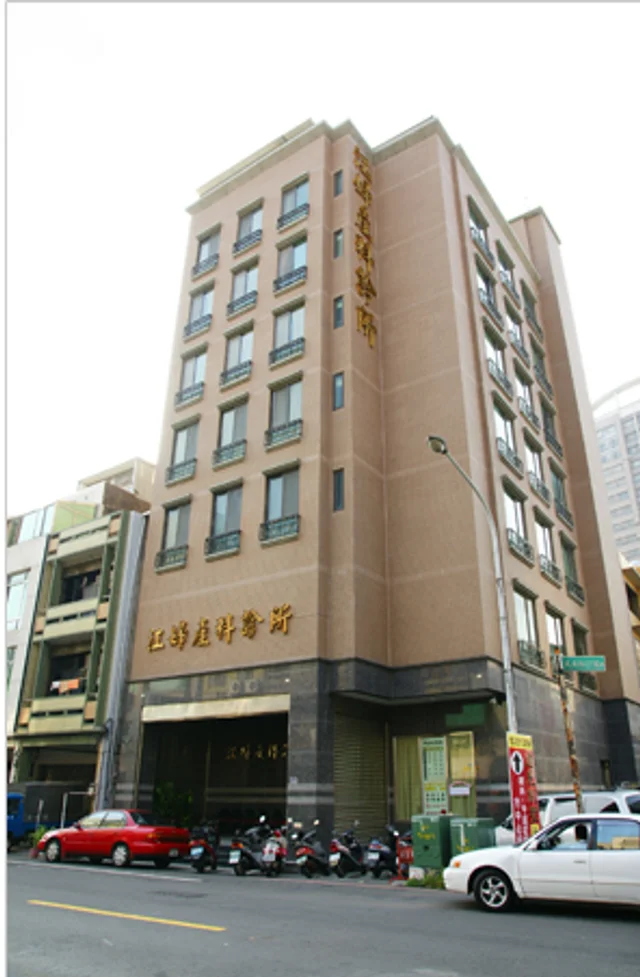
Jiang OB-GYN Clinic (江婦產科診所, operating as the JOG Medical System) is an obstetrics and gynecology practice with its own reproductive laboratory in Hsinchu, Taiwan. It opened on 6 September 1994 at 35 Dongmen Street, near the Hsinchu rail station, and moved to 125 Minzu Road in 2009. Two years later, in 1997, the clinic passed the Department of Health evaluation and was registered as an institution authorized to perform assisted-reproduction procedures — one of the earlier cohort of licensed ART providers in Taiwan under what became the Artificial Reproduction Act.
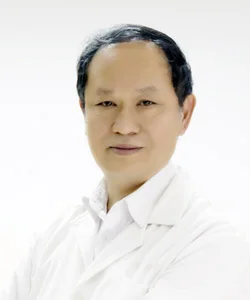
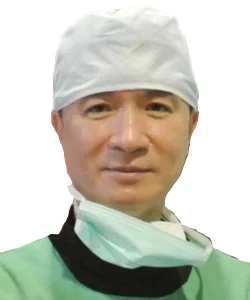
The clinic is led by Dr. Chiang, who graduated from the National Taiwan University College of Medicine in 1984, ran the IVF center at National Taiwan University Hospital’s Hsinchu branch from 1990 to 1994, and holds subspecialty certification in perinatology and maternal-fetal medicine alongside reproductive-surgery credentials. His dual role means ART cycles and the pregnancy that follows stay with the same physician.
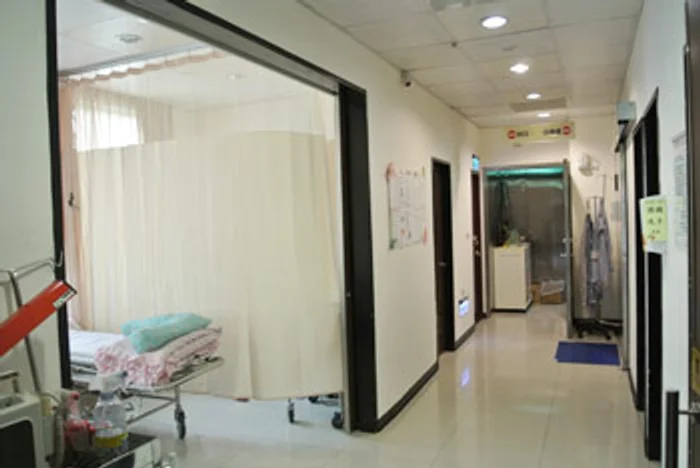
The practice is organized around a single assumption: fertility treatment, antenatal care and delivery should not require three different institutions. Alongside the embryology laboratory, the clinic operates its own ward, delivery room, operating theater and IVF suite, and runs an attached postpartum care home (confinement/nursery facility for the traditional 30-day postpartum period). Since 2007 it has also provided high-level fetal ultrasound and first-, second- and third-trimester pregnancy assessment in Hsinchu.
Scale claims on the clinic’s official site — that IVF has helped “over a thousand couples” and its gamete bank “a thousand couples” become parents — are cumulative, self-reported figures with no age breakdown or cycle denominator, so they are not treated as success rates here. Taiwan does not publish clinic-level ART outcomes, so this profile leaves every success-rate field empty and relies instead on audited public signals: the 1997 license and the 2011 national excellence list.
Two related sites sit outside Hsinchu. A Taipei outpatient office (Jiang En OB-GYN, near exit M8 of Taipei Main Station) opened on 30 August 2018. A larger “NTU Hospital & Jiang OB-GYN Reproductive Medicine Center” is planned in the Hsinchu High-Speed Rail biotech zone in Zhubei; the clinic’s own site still lists it as under construction, so it should not be treated as open. For patients who want gametes or embryos stored in the United States, the clinic arranges a cryo-shipping package with an affiliated San Francisco reproductive medicine center.
Accreditations & Awards
- 1997 — licensed assisted-reproduction institution, evaluated by the Executive Yuan Department of Health
- 2011 — named to the first national list of 34 excellent assisted-reproduction clinics, published by the DOH Division of Health Administration. Only four institutions in Hsinchu made it: Mackay Memorial Hospital Hsinchu Branch, Hsinchu Cathay General Hospital, Jiang OB-GYN Clinic and a local Songziyuan fertility clinic. The published selection criterion was measurable: a live-birth rate at or above the national average among patients aged 35 or younger who received ART between 2007 and 2009, tracked to October 2010, with clinics under 60 treatment cases excluded from the statistic
- 2011 — evaluated as a national excellent ART institution
- 2015 — baby-friendly health facility certification by the National Health Administration, awarded in the same round as Mackay Hsinchu Branch and the Tri-Services General Hospital Hsinchu Branch
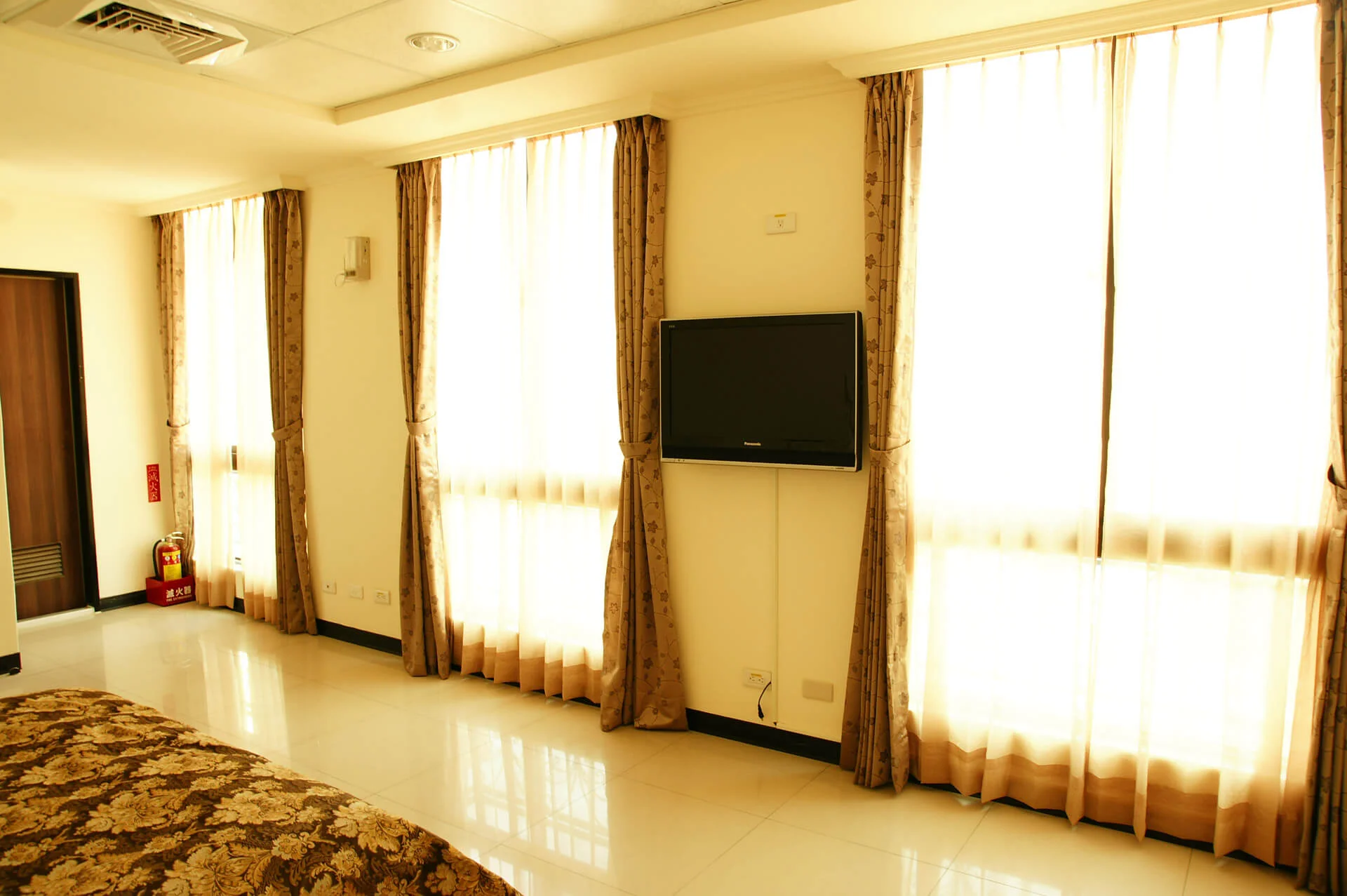
- Postpartum care home inspected by the Hsinchu City government; the certificate the clinic displays was valid 2022-01-01 to 2023-12-31, so its current standing needs confirmation
- 2023 — contracted clinic for Hsinchu City’s “Wishing You a Baby” egg-freezing subsidy, the first municipal elective egg-freezing subsidy in Taiwan; the clinic also operates an AMH test subsidy intake
- Dr. Chiang personally holds fetal nuchal translucency certification from the Taiwan Society of Perinatology, serves as an advisory physician of the Taiwan Endometriosis Association, was elected board supervisor of the Taiwan PCOS Society, and is a member of AAGL, ASRM, ESHRE, AIUM and AAAM
Why Choose Jiang OB-GYN Clinic
- Licensed for ART since 1997, with a live-birth-based national award in 2011. Taiwan publishes no clinic-level success rates, so verifiable official signals are limited to licensing and selection exercises. This clinic has both, and the 2011 selection used an explicit live-birth-rate criterion for patients under 35 — a harder standard than a self-reported pregnancy percentage.
- One institution from stimulation to confinement. Most fertility clinics hand patients to an obstetric practice once a pregnancy test is positive. Here the IVF suite, operating room, ward, delivery room, obstetric ultrasound program and postpartum care home are on the same site, which matters if you intend to stay in Taiwan for the pregnancy and delivery rather than fly home after transfer.
- Third-generation IVF priced as a separate published line. Blastocyst culture with PGS/PGD by next-generation sequencing is quoted as its own package (NT$330,000-670,000) rather than folded into an “IVF from” headline, alongside distinct fresh-cycle, frozen-transfer and donor-egg prices. Range-level transparency like this is uncommon among Taiwan clinics.
- An in-house sperm bank and both fresh and frozen donor-egg pathways. The clinic states sperm inventory across blood types is available for release, and separates donor-egg treatment into fresh-oocyte and frozen-oocyte programs, the latter positioned for patients travelling from central and southern Taiwan. Donor arrangements are routed through the reproductive laboratory rather than the front desk.
- Same-sex family building plus infectious-disease services. The clinic runs a dedicated LGBTQ family-building consultation and asks prospective patients to book an in-person consult with the attending physician, and it provides publicly funded PrEP and free anonymous HIV screening. For a female same-sex couple needing donor insemination, or for anyone who must clear an infection risk before starting cycles, this is a service set most fertility centers do not cover.
- Cross-border fertility preservation and remote access. Semen, egg and embryo transport to a San Francisco partner clinic is offered as a package; telemedicine consultations have been available since 26 May 2021 and online booking since 13 September 2023. The website runs in four languages (zh-TW, English, zh-CN, Japanese) with an overseas consultation desk.
IVF & Fertility Services
Programmes the clinic lists for its ART centre, where it also states its regulator status (“National Health Administration assisted-reproduction institution, since 1997”):
| Category | Procedures |
|---|---|
| Cycle types | Conventional IVF, third-generation IVF (ICSI + PGS), mild IVF, natural-cycle IVF, ZIFT, tubal embryo transfer (TET), gamete intrafallopian transfer (GIFT), thawed embryo transfer, in vitro maturation (IVM) |
| Low-intervention | Timed intercourse in natural and monitored cycles, ovulation-induction cycles, IUI with partner sperm (AIH) or donor sperm (AID) |
| Micromanipulation | ICSI, assisted hatching, partial zona dissection, cleavage-stage and trophectoderm biopsy, polar body biopsy |
| Laser embryology | Laser assisted hatching, laser partial zona dissection, laser biopsy, laser blastocyst contraction |
| Genetic testing | PGS (preimplantation chromosomal screening), PGD (preimplantation genetic diagnosis), polar-body chromosome analysis; sex selection only to avoid sex-linked disease |
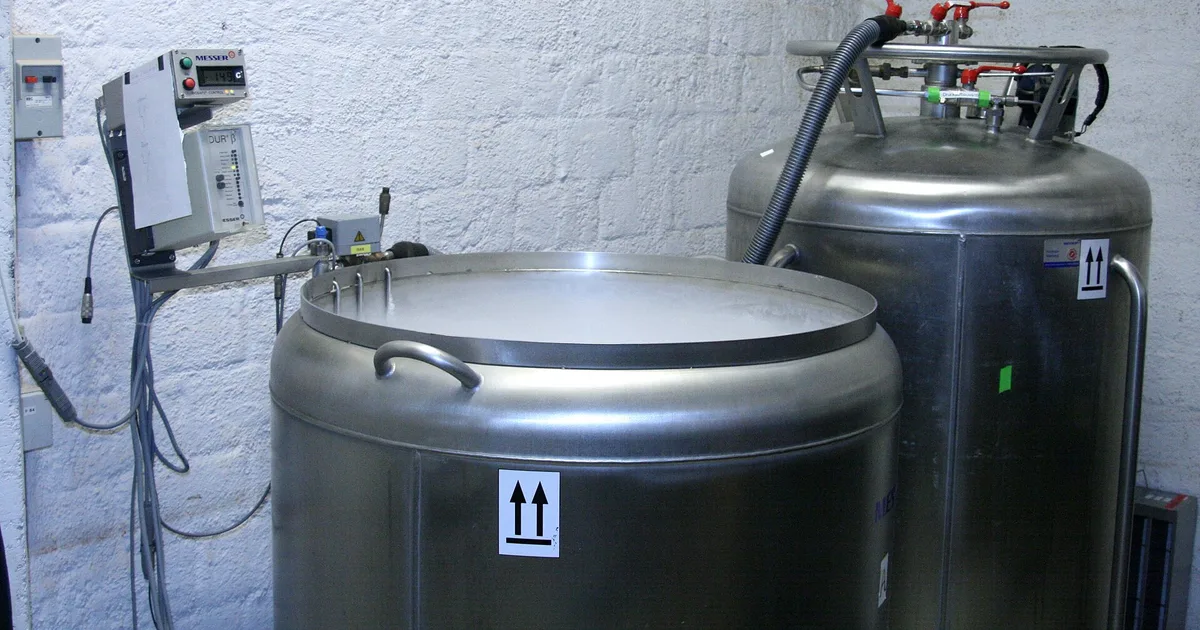
| Cryopreservation | Egg, sperm, embryo, ovarian tissue and testicular tissue freezing; international cryo-shipping package |
| Andrology and surgery | MESA, TESE, vasoprostomy/tuboplasty, microsurgical sperm retrieval combined with ICSI, hysteroscopy, laparoscopic and single-port laparoscopic surgery, endometrial biopsy |
| Male infertility | Erectile and ejaculatory dysfunction work-up, vas deferens surgery, sperm banking |
| Repeated failure | Recurrent miscarriage evaluation and treatment, recurrent implantation failure work-up, internal immunology testing and treatment, endometriosis medical and surgical therapy, hysterosalpingography, postcoital testing |
| Obstetrics and gynecology | Gynecologic intake visits, abnormal uterine bleeding, menstrual disorders, lactation problems, breast cancer screening, menopause, RU-486, pen-type ovulation injections, anesthesia-assisted pain-free delivery, threat-of-preterm labor and tocolysis center, high-level fetal ultrasound |
| Donation and family building | Egg and sperm donation intake, sperm bank, same-sex family-building consultation, publicly funded PrEP, free anonymous HIV screening |
| International and remote | Overseas consultation, medical travel, telemedicine, cryo-shipment to the United States |
Supporting documents the clinic publishes for cycle planning: a short-protocol flow chart, a medication log for thawed/donor/sperm-bank cycles, and the notarization forms required for recipient donor gametes (including an English-name consent form used for English-language birth documents).
Fees & Packages
The clinic publishes NT$ fee ranges in a list dated 15 July 2023. USD figures below are approximate at NT$32 = US$1.
| Program | Published fee (TWD) | Approx. USD |
|---|---|---|
| IUI cycle (injections, ultrasound, blood work; excludes couple’s work-up) | 20,000-40,000 | ~$620-1,250 |
| Standard IVF: fresh egg retrieval + transfer | 220,000-440,000 | ~$6,900-13,750 |
| IVF: frozen-thawed cycle | 80,000-180,000 | ~$2,500-5,620 |
| Third-generation IVF: blastocyst + PGS/PGD by NGS | 330,000-670,000 | ~$10,300-20,950 |
| Donor egg, standard IVF (excludes donor and couple’s testing, embryo freezing) | 440,000-770,000 | ~$13,750-24,060 |
| Donor egg, third-generation IVF (same exclusions) | 550,000-870,000 | ~$17,200-27,200 |
| Elective egg freezing for later self-use (physician assessment required) | 110,000-270,000 | ~$3,440-8,440 |
| Cryo-shipment of sperm, eggs or embryos to the US partner center | from 10,000 USD | from $10,000 |
The clinic notes bundled discounts are available by consulting the physician, so the ranges above are pre-discount.
Public subsidies that apply:
- Taiwan’s national infertility medical-care subsidy: up to six subsidized cycles per child for patients under 40, up to three for those 40 to under 45; NT$100,000 on the first cycle of a child and NT$60,000 for each subsequent one. The clinic states the same split as “under 39 / 39 to under 45”.
- Hsinchu City’s egg-freezing subsidy (launched 2023) and an AMH test subsidy, applied through forms on the clinic’s own site.
A separate Hsinchu City maximum-charge schedule shown on the site is the government’s ceiling table for all Western-medical clinics in the city (e.g. NT$480 outpatient examination fee), not this clinic’s own pricing.
Patient Journey
- Book a slot — the clinic runs online booking (its own app) alongside telephone appointment. Reserved slots take odd sequence numbers and walk-ins even ones; arriving early, patients can ask the counter whether switching to a walk-in number is faster, and are advised to leave a urine sample on arrival in case urinalysis is needed.
- Infertility first visit — the gynecologic intake covers sexual and menstrual history, physical examination and baseline tests, with semen analysis and male sexual-function assessment arranged in parallel. Same-sex family-building cases must be discussed in person with the attending physician; the clinic does not handle these by message.
- Protocol choice and consent — the couple selects among standard IVF, mild IVF, natural cycle, frozen-thawed transfer, donor egg or donor sperm. Recipient donor-gamete treatment requires an assisted-conception consent form and a notarized donor-gamete declaration.
- Laboratory scheduling — donor egg, egg banking, sperm bank and all embryo work are booked through the reproductive laboratory window, which the clinic gives as the first contact point for these services.
- Cycle execution — stimulation, monitoring and retrieval follow the published short-protocol flow chart. Third-generation cycles biopsy at blastocyst stage for PGS/PGD by NGS, with transfer scheduled separately; thawed or donated-egg cycles are timed using the clinic’s medication log form.
- Pregnancy test and obstetric handover — a positive result moves care to the clinic’s own obstetrics service, including high-level fetal ultrasound and first-, second- and third-trimester assessment, with pain-free delivery and baby-friendly feeding protocols available on site.
- Postpartum and documents — the attached postpartum care home can be booked after delivery; overseas and bilingual families can follow the clinic’s English-name consent form and English birth-certificate guidance.
- Remote follow-up — telemedicine is offered in two tracks (insurance-referred, with a health bureau referral, and self-pay; consultation fees differ), and overseas patients can start through the consultation desk before arranging travel for a cycle.
Local Legal Framework
Assisted reproduction in Taiwan is governed by the Artificial Reproduction Act, promulgated and effective 21 March 2007, which the clinic itself cites as the legal basis for its sperm-bank operation. The provisions that shape a treatment plan:
- Eligibility is limited to a legally married different-sex couple using their own gametes or gametes received through a licensed institution, and treatment must occur at a ministry-evaluated ART institution. The clinic states it has held that status since 1997.
- Gamete donation is double-blind and anonymous, must run through an institution licensed by the central or local government, and advertising to recruit donors is prohibited. Availability and waiting time for donor eggs or sperm are therefore controlled by supply, and recipients sign both a consent form and a notarized declaration.
- Surrogacy is not legal. No gestational-carrier arrangement can be performed by a Taiwan institution under the current act; patients should not build a plan around one, despite surrogacy keywords that appear on some overseas listing pages for this clinic.
- Preimplantation genetic testing is for medical indications. PGS/PGD may be used to avoid sex-linked disease, and the clinic labels sex selection as restricted to that purpose.
- Same-sex couples: Taiwan implemented same-sex marriage on 24 May 2019 under the act enforcing Judicial Yuan Interpretation No. 748. Female same-sex couples conceive through donor insemination within ART rules; the clinic operates a family-building consultation desk for these patients.
- Outcome reporting: ART institutions report to the National Health Administration, but no public clinic-level success-rate database exists — unlike the US CDC/SART or UK HFEA systems. This profile therefore carries no numeric success rate and points instead at the 2011 selection criterion, which was built on live-birth rates.
Location
- Address: No. 125, Minzu Rd., East Dist., Hsinchu City 300, Taiwan
- Phone: +886-3-5353532