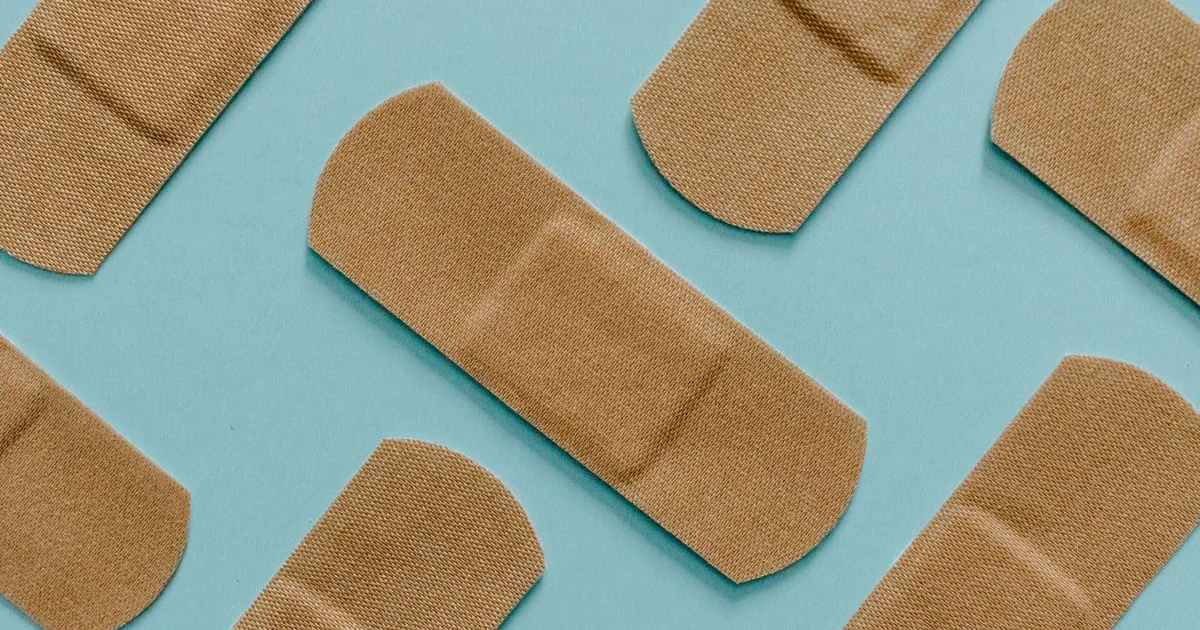
Estrogen patches for IVF go on clean, dry, unbroken skin of the lower abdomen or the buttocks — never on the breasts — and each new patch should move to a fresh spot, waiting at least one week before reusing the same site.
Applied this way, patches build the uterine lining for a frozen embryo transfer about as effectively as oral estrogen, and in most head-to-head comparisons they also cause fewer systemic side effects (MedlinePlus, NIH; Sci Rep 2020).
This guide was compiled by the ProIVF medical editorial team from peer-reviewed studies indexed on PubMed (including randomized trials of transdermal versus oral estrogen for frozen embryo transfer) and patient-information resources from the NIH and ASRM; it was reviewed by the ProIVF medical advisory board. ProIVF does not sell medications or provide treatment, and nothing here replaces the instructions printed on your own prescription.
Why FET cycles use estrogen patches
In a hormone-replacement (artificial) frozen embryo transfer cycle, medication — not your own ovulation — controls the cycle: estrogen thickens the uterine lining, and progesterone then opens the implantation window at a precisely scheduled time (frozen embryo transfer guide walks through the full sequence). Estradiol can be delivered as tablets, gel, vaginal tablets, or adhesive patches, and your clinic picks a route based on availability, cost, and how your body responds.
What the evidence says: patch vs oral vs vaginal
Head-to-head comparisons consistently find that the route matters less for outcomes than for comfort. Across 317 randomized patients, patch and oral estrogen produced equal endometrial thickness and equal clinical outcomes in single blastocyst transfers — J Assist Reprod Genet 2019 — and a Brazilian RCT of 88 women (82 completed) replicated the finding for gel versus tablets — 6 mg/day estradiol valerate versus 4.5 mg/day gel — Rev Assoc Med Bras 2024.
| Study | Comparison | Key numbers |
|---|---|---|
| Angers University Hospital cohort, 318 cycles — Sci Rep 2020 | Transdermal patch vs vaginal estrogen | Endometrium 9.9 vs 9.3 mm (P = 0.03); treatment 13.6 vs 15.5 days (P < 0.001); 85.7% (36/42) of women who used both preferred the patch |
| Prospective study, 294 cycles — Gynecol Endocrinol 2021 | Transdermal gel vs oral tablets | Outcomes equal; satisfaction 8.02 ± 1.07 vs 6.96 ± 0.99 (P < 0.01); side effects 18.1% vs 55.1% (P ≤ 0.01) |
| RCT, 317 women — J Assist Reprod Genet 2019 | Patch vs oral, single blastocyst FET | Endometrial thickness and clinical outcomes equal (P > 0.05) |
| Three-route study, 90 patients — JBRA Assist Reprod 2021 | Oral (Primogyna) vs patch (Estradot) vs gel (Oestrogel), all ≈ 6 mg/day equivalent + 600 mg vaginal progesterone (Utrogestan) | No difference in implantation, clinical pregnancy, or miscarriage |
| Retrospective series, 342 cycles — Eur J Obstet Gynecol Reprod Biol 2002 | Patch (Estraderm TTS 100) + vaginal gel, no monitoring | Endometrium 7–15 mm showed no pregnancy-rate difference; serum E2 did not predict success |
“In conclusion, this method of endometrial preparation is comfortable for patients and monitoring is unnecessary.” — Banz C et al., European Journal of Obstetrics & Gynecology and Reproductive Biology, 2002
When clinics choose the patch
Patches are the default for patients who vomit or poorly absorb tablets, need steadier hormone levels, or simply tolerate them better. One pharmacokinetic comparison found the patch delivered relatively stable estradiol across the middle of its wearing time, while tablets peaked 4–5 hours after each dose and swung 54% between peak and trough — Maturitas 1999.
That stability is why some clinics also reach for patches in women whose lining lagged on oral estrogen.
Where the patch should go: approved sites
Lower abdomen
The lower abdomen — below the beltline, avoiding the waistband and any scars — is the most commonly recommended site. The skin there is flat, easy to reach, and holds adhesive well.
Clean the area with plain water, skip lotions and oils, and let it dry completely before pressing the patch on for about ten seconds with the palm of your hand.
Buttocks
The upper, outer quadrant of either buttock works equally well and is a good rotation partner for the abdomen. Stay away from the area where underwear sits: waistbands and seams rub edges loose.
Like the abdomen, the buttocks must be clean, dry, hair-free if possible, and free of cuts, rashes, or sunburn.
Where patches must never go
The breasts are off-limits, along with damaged, irritated, or callused skin and areas with recent scars or tattoos. Waistbands, areas under backpack straps, and skin folds that fold the patch edge should also be avoided because friction lifts the adhesive.
These placement rules follow the patient instructions for transdermal estradiol carried by the NIH MedlinePlus drug guide.
Rotation: why every application needs a new spot
Rotation is not cosmetic — repeated doses on the same skin patch cause redness, itching, and eventual eczema, and irritated skin also absorbs medication unpredictably. The practical rule is one site per patch and at least one week before returning to a previous site.
Many patients alternate right abdomen → left abdomen → right buttock → left buttock, which gives each spot three to seven days of rest in a twice-weekly or every-other-day schedule.
How to apply a patch so it stays on
Step-by-step application
- Wash and dry your hands, then pick a clean, dry, hair-free site from the approved list.
- Open the sachet, peel the backing without touching the sticky surface, and press the patch firmly for about ten seconds — especially the edges.
- Note the removal day on your calendar: most IVF protocols use 50 or 100 microgram patches changed every two to three days, while some weekly-matrix brands last seven days.
- When removing, fold the used patch sticky-side-to-sticky-side and discard it out of reach of children and pets; residual hormone remains.
If a patch falls off
Refold and reapply the same patch to a new site if it still sticks; if it will not, put on a fresh one and keep your original change schedule. Do not wear two patches to “catch up” unless your clinic says so — the dose is set per patch, and doubling changes your absorption.
Count how many hours it was off and mention it at your next monitoring visit; a single lost patch rarely derails a cycle, but clinics often re-scan the lining if several were lost.
Showering, swimming, and hot climates
Patches are designed to survive normal showering, but soaking in baths, pools, or saunas loosens the edges, and high heat plus humidity soften the adhesive — a real consideration for patients doing FET preparation in Southeast Asia. Press the edges down after bathing, cover the patch with your palm before toweling, and if it keeps lifting in hot weather, ask the clinic about an adhesive-securing film rather than taping directly over the medication surface.
Dosing and change schedules: what “standard” looks like
Common patch strengths and schedules
FET protocols most often use 50 or 100 microgram estradiol patches applied twice weekly or every 48–72 hours, escalating to two simultaneous patches if the lining responds slowly. Weekly matrix patches exist and are changed every seven days.
The 2002 German series of 342 cycles used one 100-microgram patch (Estraderm TTS 100) throughout, combined with vaginal progesterone gel, and skipped blood monitoring entirely without hurting outcomes — Eur J Obstet Gynecol Reprod Biol 2002.
Why you cannot convert between forms yourself
Serum estradiol levels and their meaning differ by route: the Angers cohort measured an average of 268 pg/mL on patches versus 1,332 pg/mL with vaginal tablets, yet live birth rates were statistically identical (18% vs 19%) — Sci Rep 2020. Pharmacokinetic work also found the gel, patch, and tablet are not bioequivalent, with large inter-subject variability, so “switching” between routes needs a prescriber’s recalculation — Maturitas 1999.
If you travel between clinics — for example, starting medication at home before a transfer abroad — bring the exact product names and dose schedule to the new clinic rather than translating doses yourself.
What if you forget a patch
Put on the missed patch as soon as you remember and resume your normal schedule from there. A single delayed change (up to roughly 24 hours) is unlikely to change the lining trajectory, but call your clinic if it has been longer, because they may want an extra ultrasound before setting the progesterone start date.
The IVF medication calendar guide covers systems for never missing a dose while traveling.
Side effects and skin care
Localized skin reactions — redness, itching, or a rash at the application site — are the most common complaint and usually fade within days of moving to fresh skin. Systemic side effects such as breast tenderness, bloating, or nausea appear less often with patches than with oral estrogen: one prospective comparison recorded side effects in 18.1% of transdermal users versus 55.1% of oral users — Gynecol Endocrinol 2021.
Rotate sites rigorously, keep skin products away from the application area, and report blistering or spreading rashes to your clinic, who may switch you to gel or tablets.
Three patients, three patch problems
The following cases are composite scenarios based on common patient experiences; identifying details have been altered to protect privacy.
Ava, 32, Bangkok — patches melting in the heat. Preparing for a June FET (cycle cost about 320,000 Thai baht), she found her patches curling at the edges by day two in the humidity. The clinic approved a thin adhesive film over each patch and moved her change days indoors to air conditioning; her lining reached 9 mm on schedule and the transfer proceeded on the original date. “I assumed the patch failing meant the cycle failing,” she said. “It just meant the glue failed.”
Meng, 36, Shanghai — angry skin after three weeks. Her artificial cycle (about 18,000 RMB in medications) hit a snag when her lower abdomen turned red and itchy at every site. Rotation to the buttocks plus a four-day break let the skin recover, and she completed the cycle with the same 100-microgram dose. Her transfer resulted in a positive test at 12 days after progesterone start. “I thought the red skin meant I’d ruined the cycle,” she recalled. “Moving the patch to my buttock for a few days was all it took.”
Dana, 39, Berlin — the self-converted dose. Paying about €450 out of pocket for medications across two countries, she tried to swap her tablet dose for patches by counting milligrams and under-dosed for a week; her lining stalled at 6 mm. After her new clinic recalculated the regimen (equivalent daily delivery, not equal milligrams), the lining reached 8.2 mm within nine days. “Different forms are not the same drug,” her doctor told her. The transfer succeeded on the second attempt.
FAQ
Q: Where exactly should I put an estrogen patch for IVF?
Lower abdomen below the beltline or the upper outer buttocks — clean, dry, intact skin away from waistbands — MedlinePlus, NIH; rotate to a fresh site with every change and give each spot at least 7 days of rest.
Q: Can I put the patch on my breast or on broken skin?
No — the breasts, irritated skin, cuts, rashes, and scarred areas are all contraindicated — 4 site categories the NIH patient guide lists outright. Friction zones such as the waistband line can also lift a patch within 24 hours and cost you a dose.
Q: What happens if my patch falls off in the shower?
Losing 1 patch almost never cancels a cycle: if the adhesive still works, reapply the same patch to a new site, or replace it with a fresh one and keep your usual schedule. Clinics usually just add 1 extra ultrasound if several are lost before the progesterone start date.
Q: How often do FET estrogen patches get changed?
Most IVF protocols use 50 or 100 microgram patches every 48–72 hours, and some weekly brands run seven days. Follow your prescription exactly, because strengths and wear times are not interchangeable between brands.
Q: Are patches better than estrogen tablets for the uterine lining?
Pregnancy outcomes are essentially equivalent in randomized comparisons of 317 and 82–88 women (J Assist Reprod Genet 2019; Rev Assoc Med Bras 2024). Patches win on side effects (18.1% vs 55.1% in one study) and on satisfaction, while tablets cost less in many markets.
Q: My skin is red and itchy where the patch was — should I stop the medication?
Mild, fading redness at rotated sites is common and managed with strict rotation, not by stopping — systemic side effects were only 18.1% with transdermal estrogen versus 55.1% oral in one 294-cycle study. Blistering, spreading rash, or hives need a call to your clinic, who can switch routes.
Q: Can I swim or use a sauna with the patch on?
Quick showers are fine, but soaking in baths, pools, or saunas softens the adhesive edges; in Bangkok’s humid season, patches changed every 2–3 days kept lifting until 1 layer of medical adhesive film was added — a 30-second fix worth requesting in hot climates.
Planning your FET medication plan
Patches, tablets, and gel all build the same lining — the differences are skin, schedule, and travel logistics. If you are preparing a frozen transfer abroad, our hospital directory lists clinics with clear medication protocols and English-speaking nursing teams, and you can contact ProIVF for help comparing FET preparation costs across destinations.
The general IVF medications guide maps where each drug fits in the cycle, and our Estrace, estradiol and progesterone levels guides cover the other two hormone groups.
This article was written by the ProIVF medical editorial team and reviewed by the ProIVF medical advisory board. It summarizes peer-reviewed research and drug-safety patient resources for general information only and is not medical advice; follow the instructions from your own prescriber, and consult a qualified reproductive specialist about your individual protocol. ProIVF does not provide treatment or brokerage services and does not endorse any clinic or product mentioned.
Last updated: September 30, 2026