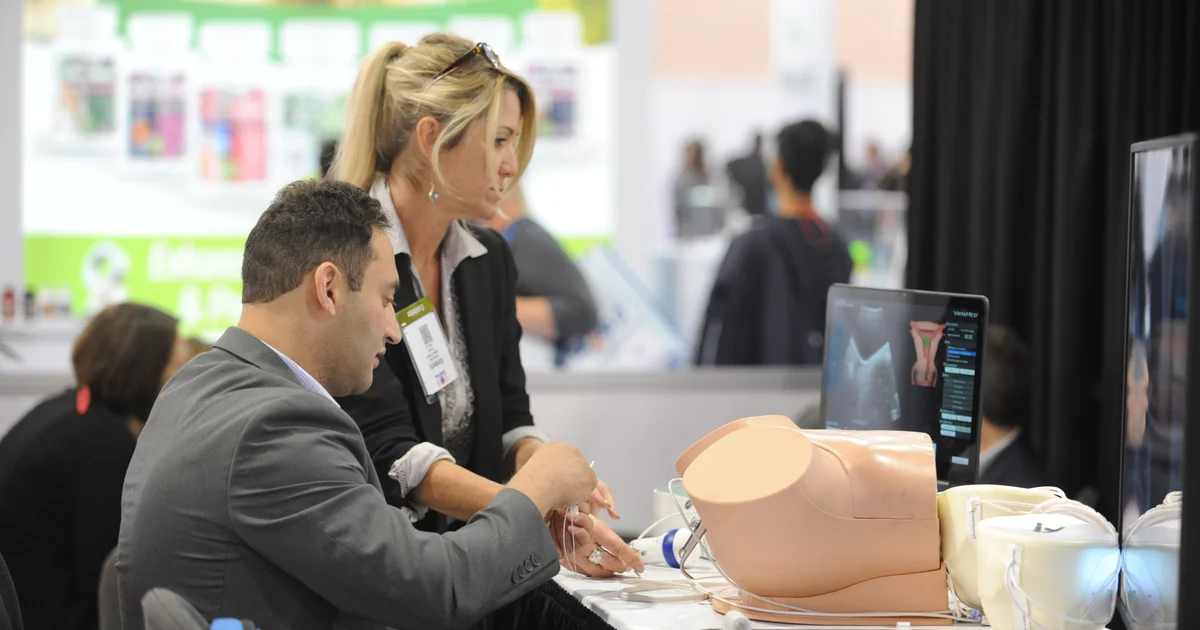
A frozen embryo transfer (FET) places a previously cryopreserved embryo into the uterus during a controlled menstrual cycle, and it now accounts for over 70% of all embryo transfers performed in the United States, according to the CDC’s ART fertility clinic success rates reports. Per-transfer live birth rates are comparable to fresh transfer — 50–60% for euploid blastocysts from patients under 35 — and higher in some age groups.
Data in this guide comes from CDC ART surveillance, public guidance from the American Society for Reproductive Medicine, ASRM, and peer-reviewed medical literature. Thanks to vitrification (ultra-rapid freezing), embryo thaw survival now exceeds 95% in most accredited laboratories, so one egg retrieval can safely support multiple transfer attempts and a much higher cumulative chance of pregnancy.
Why Choose a Frozen Embryo Transfer Over a Fresh One?
The fresh-versus-frozen decision depends on your medical situation, timing, and goals — and for many patients the answer is frozen. The four reasons below explain why clinics increasingly default to FET.
Higher Cumulative Live Birth Rates
A single retrieval often produces several usable embryos: one may go fresh, and the rest are frozen. With FET, you can attempt multiple transfers from that same retrieval without another round of stimulation.
ASRM-published research shows cumulative live birth rates of 60–70% after two to three FETs from one retrieval, versus roughly 35–45% from a single fresh transfer.
Lower Risk of Ovarian Hyperstimulation Syndrome — OHSS
OHSS is a potentially serious complication of ovarian stimulation, driven by high estrogen levels and the hCG trigger acting together; deferring transfer to a later FET cycle removes that synergy entirely. ASRM clinical guidelines recommend a “freeze-all” strategy for patients at high OHSS risk, including those with PCOS or peak estradiol above 4,000 pg/mL.
Better Endometrial Receptivity
Stimulation produces supraphysiological hormone levels that can disturb the implantation window of the uterine lining. FET lets the endometrium be prepared under more physiological conditions, in a natural or programmed cycle.
A 2021 meta-analysis in Human Reproduction Update found significantly higher clinical pregnancy rates with FET versus fresh transfer in ovulatory women (RR 1.21, 95% CI 1.07–1.36).
More Control Over Timing
FET lets patients and clinics schedule the transfer deliberately. That flexibility matters most for:
- Patients using preimplantation genetic testing, PGT, whose biopsy results take 5–14 days
- Anyone working around travel, jobs, or family commitments
- Patients who want to transfer in optimal seasonal or physiological conditions
- People who froze eggs or embryos for fertility preservation and plan to use them months or years later
How Does the FET Process Work, Step by Step?
An FET cycle is far lighter than a fresh IVF cycle — no stimulation injections, no retrieval procedure. From cycle start to transfer typically takes 3–6 weeks, depending on the endometrial preparation protocol.
Step 1: Endometrial Preparation
The uterine lining must reach optimal thickness and pattern before any embryo goes in. Three main protocols exist:
Natural cycle FET: For patients with regular ovulatory cycles. The clinic tracks natural ovulation with ultrasound and LH tests and schedules transfer about 5 days after ovulation, with no hormonal medication — usually 3–4 monitoring visits across 2–3 weeks.
Hormone replacement (medicated) cycle: The most-used protocol worldwide. Estrogen (oral, patch, or vaginal) starts on cycle day 2–3 to grow the lining; once it reaches ≥7 mm with a triple-line pattern, progesterone begins, and a blastocyst transfer is set for day 6 of progesterone. Total duration: 3–4 weeks.
Modified natural / mild stimulation cycle: A middle path using low-dose gonadotropins to grow one or two follicles while the lining prepares. Clinics occasionally choose it for patients who respond poorly to both natural and fully medicated cycles.
Step 2: Embryo Thawing
On the morning of transfer, the embryologist removes the selected embryos from liquid nitrogen storage at –196°C. Vitrification froze them so fast that ice crystals — the main cause of cell damage — never formed, and thawing through a series of warming solutions takes just 5–10 minutes.
In labs following ASRM guidelines, post-thaw survival exceeds 95% for blastocysts and 90% for cleavage-stage embryos. Any embryo that survives with at least 50% of its cells intact is considered viable for transfer.
Step 3: The Transfer Procedure
The transfer itself is a brief outpatient procedure taking 5–10 minutes. A speculum exposes the cervix, which is gently cleaned, and a soft catheter carrying the thawed embryo(s) passes through the cervix into the uterine cavity under ultrasound guidance, with the tip placed 1–2 cm from the fundus — the ideal position.
You rest briefly afterward, but current evidence does not support prolonged bed rest for implantation.
Step 4: The Two-Week Wait
After FET, progesterone support (injection, vaginal suppository, or oral) continues until roughly 10–12 weeks of pregnancy if you conceive. The serum hCG pregnancy test is drawn 10–14 days after transfer.
What Are FET Success Rates?
Success depends mainly on your age at egg retrieval, embryo quality, and whether the embryos were genetically tested. Our IVF success rate guide breaks down the wider picture, and the CDC’s ART reports provide the most reliable population-level benchmarks.
Live birth rates by age at retrieval
| Age at retrieval | Live birth per FET (euploid blastocyst) | Live birth per FET (untested blastocyst) |
|---|---|---|
| Under 35 | 50–60% | 45–50% |
| 35–37 | 45–55% | 35–42% |
| 38–40 | 35–45% | 25–33% |
| 41–42 | 20–30% | 12–18% |
| Over 42 | 10–15% | 5–8% |
Source: CDC ART success rate reports, SART data, and published ASRM clinical summaries. Individual clinic outcomes vary.
Embryo quality predicts FET success more strongly than the transfer protocol itself. A euploid blastocyst from a patient under 35 implants to a live birth in close to 60% of transfers, whether the cycle was natural, medicated, or modified.
Is frozen better than fresh?
For patients with a receptive lining and good-quality embryos, FET live birth rates match or slightly exceed fresh transfer rates. The decisive advantage is cumulative rather than single-cycle: one retrieval funds several transfer attempts.
“The goal of infertility treatment should be a healthy singleton live birth.” — American Society for Reproductive Medicine, “Guidance on the Number of Embryos Transferred,” 2022
That guidance is why clinics steer well-prognosis patients toward single embryo transfer even when FET makes additional attempts easy.
Three Real FET Journeys
These patient stories were shared with consent; names and identifying details have been changed to protect privacy.
Case 1: Freeze-all after OHSS risk — Bangkok
Li Wei, 34, from Shenzhen, traveled to a Bangkok fertility center after a PCOS diagnosis. Her fresh transfer was cancelled when estradiol climbed too fast, signaling OHSS risk.
“I was devastated when the doctor said we couldn’t transfer fresh. Nine eggs retrieved and all that medication for nothing, I thought. But the clinic recommended a freeze-all approach, and we ended up with three frozen blastocysts. The FET cycle was so much easier — no injections except progesterone, and I walked in for the transfer feeling totally normal. Because I traveled from Shenzhen, FET meant 5 days in Bangkok instead of 18. Two and a half years on, our daughter is napping in the next room.”
Her first FET, with a single euploid blastocyst, succeeded. Out-of-pocket cost for the FET cycle including medications and monitoring: about $3,200, plus travel.
Case 2: Multiple FETs after a failed fresh transfer — Malaysia
Mei Yin, 39, from Kuala Lumpur, had a day-3 fresh transfer that ended in a biochemical pregnancy. Her clinic thawed two remaining blastocysts for later FETs.
“The first FET after my failed fresh transfer — I was a wreck. I’d read everything online and convinced myself the embryos wouldn’t survive the thaw. The embryologist called on transfer morning and said both had survived with 100% cell integrity. That phone call changed everything. The transfer took maybe six minutes; I remember the doctor saying ‘embryo in’ and that was it. That first FET didn’t work either, and I cried for a week. My husband convinced me to try the last embryo. The second FET, three months later, took — the nurse said I was so relaxed I nearly fell asleep on the table.”
The second FET (single blastocyst) resulted in a live birth. Each FET at her Malaysian clinic cost about $2,800 including medications and monitoring.
Case 3: FET scheduled around PGT results — United States
Sarah, 36, from California, chose PGT-A after two miscarriages with natural conception. Her retrieval produced seven blastocysts, five of which were biopsied.
“We knew we wanted to test because of the losses. The hardest part was waiting — genetic testing took 10 days, and by then my fresh transfer window had closed. Looking back, I’m glad it worked that way. Knowing we were transferring a chromosomally normal embryo was invaluable for my peace of mind. The FET felt very different from the retrieval cycle — less urgent, more planned. We transferred one euploid female embryo, and I spent the two-week wait reading FET success stories and trying not to symptom-spot.”
The FET resulted in a live birth. The cycle cost about $4,500 including medications, monitoring, and storage fees for the remaining frozen embryos.
Which Endometrial Preparation Protocol Is Right for You?
Choosing between natural, medicated (HRT), and modified protocols is a trade-off among convenience, monitoring load, medication, and success rates.
Natural cycle FET
Best for: Women with regular ovulatory cycles who want minimal medication.
What it involves: Ultrasound and LH monitoring of natural ovulation (3–5 visits per cycle), with no exogenous hormones.
Pros: No medication side effects, lower cost, physiologically natural lining development.
Cons: More monitoring visits; the cycle can be cancelled if ovulation is irregular or lands on a weekend.
Typical success: Equivalent to or slightly higher than HRT-FET in ovulatory women, per recent meta-analyses.
Medicated hormone replacement FET
Best for: Women with irregular or absent ovulation, and anyone who needs precise scheduling.
What it involves: Estrogen for 10–14 days, then progesterone; usually 2–3 monitoring visits.
Pros: Highly predictable timing, fewer visits, and practical for patients traveling internationally to the clinic.
Cons: Hormone medication required; some studies show a slightly higher risk of hypertensive disorders of pregnancy; hormone levels do not mirror a natural cycle.
Typical success: Equivalent to natural cycle FET when the lining prepares well.
Mild-stimulation modified natural FET
Best for: Patients whose lining stays thin on other protocols.
What it involves: Low-dose gonadotropin injections for 5–7 days, followed by a trigger.
Pros: Can improve endometrial response in difficult cases by combining follicle growth with lining preparation.
Cons: Higher cost, injections required, and a somewhat heavier monitoring schedule.
How Much Does a Frozen Embryo Transfer Cost?
FET cycles cost far less than a full stimulation-and-retrieval IVF cycle because they exclude fertility drugs and the retrieval procedure. Prices vary substantially by country and clinic.
| Country | Typical FET cost (USD) | Medications | Notes |
|---|---|---|---|
| United States | $3,000–$5,000 | $300–$800 | Excludes annual embryo storage ($500–$1,000/yr) |
| Thailand | $1,500–$3,500 | $150–$400 | Lower medication costs; bundled FET packages |
| Malaysia | $1,500–$3,000 | $100–$350 | FET often folded into multi-cycle packages |
| Mexico | $1,500–$2,800 | $100–$300 | Common cross-border choice for US patients |
Figures cover the FET cycle itself (lining preparation, monitoring, thawing, transfer) and exclude the initial retrieval, PGT, and long-term storage fees.
Many clinics offer multi-cycle FET packages or discounts for transferring embryos already stored from a previous cycle.
FAQ
Q: Does freezing damage the embryo?
No — vitrification cools embryos faster than 15,000°C per minute; ice crystals never form.
Post-thaw survival exceeds 95% for blastocysts in experienced labs, and studies tracking children born from frozen embryos find no increased birth-defect risk versus fresh transfers.
Q: How long can embryos stay frozen?
Indefinitely, at –196°C in liquid nitrogen. The longest recorded freeze-to-live-birth interval is 27 years, and no evidence links storage duration to reduced viability or worse pregnancy outcomes.
Q: Is FET more successful than fresh transfer?
Per-transfer rates are comparable, with FET holding a slight edge in ovulatory women in some studies (the 2021 meta-analysis found RR 1.21 for clinical pregnancy). FET’s real advantage is cumulative: multiple transfers from one retrieval raise the overall chance of pregnancy to 60–70%.
Q: How many embryos should be transferred in an FET?
ASRM guidelines recommend elective single embryo transfer for patients with a favorable prognosis — under 38, euploid embryo, or a previous successful FET. Double embryo transfer may be considered at older ages or after repeated failures, but it sharply increases the risk of twins and related complications.
Q: Can I travel after a frozen embryo transfer?
Most clinics advise avoiding long-haul flights (over 4 hours) for the first 24–48 hours as a precaution, though no solid evidence links travel to lower implantation. Light activity and normal routines are encouraged; skip strenuous exercise until the pregnancy test.
Q: Is the FET procedure painful?
The 5–10 minute transfer is usually painless or feels like mild discomfort similar to a Pap smear, with occasional light cramping from the speculum or catheter. The hormonal medications — estrogen patches or progesterone — can cause breast tenderness, bloating, or mood swings, typically milder than in a fresh IVF cycle.
Q: What happens if my cycle is cancelled before transfer?
Cancellation before transfer occurs in roughly 5–10% of FET cycles, most often because the lining stays under 7 mm, natural cycles ovulate early, or progesterone rises too soon. Your embryos remain safely frozen, and the clinic can try a different protocol next cycle.
Q: How does PGT affect FET timing?
PGT biopsies embryos at the blastocyst stage and takes 5–14 days for results. Because the fresh transfer window closes on day 5–6 after retrieval, PGT almost always means an FET: biopsied embryos are vitrified immediately and thawed for transfer once results arrive.
How to Plan Your FET Journey
A frozen embryo transfer is an opportunity, not a consolation prize — for most patients it is physically easier, easier to schedule, and cumulatively stronger than betting everything on one fresh transfer.
If you already have frozen embryos, discuss protocol options with your clinic using your cycle regularity, travel needs, and past transfer results. Regular ovulation may suit a natural cycle FET; a medicated cycle offers the scheduling flexibility international patients need.
If you are starting your first IVF cycle, ask about the clinic’s freeze-all policy and its FET success rates. Clinics with strong FET outcomes tend to run mature vitrification programs with experienced embryology teams.
If you are considering treatment abroad, ProIVF lists fertility centers across Thailand, Malaysia, the United States, Japan, and Laos, many with transparent bundled FET pricing. Browse the hospital directory to compare FET prices, success rates, and preparation protocols, or filter by destination — for example clinics in Thailand offering multi-cycle FET packages — and contact our team if you want help shortlisting.
This article was written by the ProIVF Medical Editorial Team and reviewed by the ProIVF Medical Advisory Board, based on CDC ART surveillance data, ASRM public guidance, and peer-reviewed medical literature.
Last updated: July 23, 2026. This content is for informational purposes only and does not constitute medical advice. Fertility treatment outcomes vary by individual medical history, embryo quality, and clinic expertise — verify all pricing and protocols directly with clinics before making treatment decisions.