'%20d='m0%200%2016%2011h61%2061%2061%2061%2060L47%2037h61%2061%2060%2061L16%2063h61%2061%2061%2061%2060L47%2089h61%2061%2060%2061L16%20115h61%2061%2061%2061%2060L47%20141h61%2061%2060%2061L16%20166h61%2061%2061%2061%2060L47%20192h61%2061%2060%2061L16%20218h61%2061%2061%2061%2060z'/%3e%3c/svg%3e)



About Aspire Fertility - Stone Oak
Aspire Fertility opened in Houston in 2015 and merged with RMA of Texas in 2018, running San Antonio, Dallas, Austin, and Atlanta clinics under one brand. Stone Oak is the San Antonio flagship: it’s where Aspire’s IVF lab sits, and the 150 E Sonterra Boulevard address is the SART-registered site (ClinicPKID 2411) that anchors Aspire’s San Antonio success-rate reporting. Two satellite offices (Medical Center and Alamo Heights) handle new-patient consults, bloodwork, and monitoring, but retrievals, embryo culture, PGT, and transfers are performed at the Stone Oak lab.
Under SART 2023 Final reporting for the San Antonio entity, the group completed 1,697 ART cycles. Live birth per intended egg retrieval came in at 58.4% for patients under 35, 33.8% for ages 35-37, 27.4% for 38-40, and 13.2% weighted for over 40. Compare that to the SART 2023 national averages of 53.2 / 39.9 / 26.2 / 9.4: the under-35 and over-40 buckets run above the national line, 38-40 is essentially in line, and the 35-37 group sits below it (33.8 vs 39.9). It’s the picture you should check when you’re weighing San Antonio options.
Accreditations & Awards
- SART member clinic reporting under ClinicPKID 2411 (Stone Oak registered address)
- CDC clinic-lab accreditation “Yes” in the CDC Fertility Clinic Success Rates Report for Aspire’s San Antonio entity
- Newsweek “America’s Best Fertility Clinics” 2026: Aspire Fertility – San Antonio ranked #63 nationally, a brand-level placement across the three San Antonio offices
- Castle Connolly Top Doctors recognition across the Aspire provider group (network-wide, not a per-branch credential)
- Google rating 4.6 stars from 474 reviews on the Stone Oak listing
Why Choose Aspire Fertility - Stone Oak
- The lab is on-site, not off-site. Because Stone Oak houses the IVF embryology lab, your eggs, embryos, and PGT samples don’t travel between buildings the way they do at clinics where the lab sits at a partner hospital. Embryo culture, freezing, thawing, and transfer all happen at the address listed on the SART report.
- Three San Antonio offices, one record. Consults, bloodwork, and monitoring can happen at Stone Oak, Medical Center (4330 Medical Dr), or Alamo Heights (430 W Sunset Rd); your chart and Prelude portal carry across all three. Most patients live-work-monitor near one office and only commute to Stone Oak for retrieval and transfer days.
- 7:00 AM weekday start and Saturday monitoring. Stimulation cycles require early follicle scans and same-morning bloodwork so dosing can be adjusted the same day. Aspire opens at 7:00 AM Monday through Friday and 8:00 AM Saturday, which means you can be in and out before a 9:00 AM meeting without losing a workday.
- Full ART service breadth in one place. IVF, ICSI, PGT-A and PGT-M, egg and embryo cryopreservation, donor-egg cycles, donated embryos, gestational carrier programs, and fertility preservation for cancer patients are all offered under one roof — no need to send you to another center for the lab work.
- Financial infrastructure built for insurance-heavy cycles. Aspire participates in most major regional and national plans, and dedicated financial counselors work the pre-authorization, single-case agreements, and payment-plan paperwork so cycle decisions aren’t hostage to billing.
- Accessibility across greater San Antonio. Stone Oak sits off I-410 and Loop 1604, which is a real factor when you’re doing daily stim monitoring — patients commute in from New Braunfels, Schertz, Seguin, Converse, and Cibolo.
IVF & Fertility Services
- In Vitro Fertilization (IVF): full-cycle stimulation, monitoring, retrieval, and transfer, managed in-house at the Stone Oak lab
- Intracytoplasmic Sperm Injection (ICSI): injected fertilization for male-factor cases and for PGT biopsies
- Preimplantation Genetic Testing (PGT): PGT-A for aneuploidy screening and PGT-M for single-gene conditions, coordinated from the on-site lab
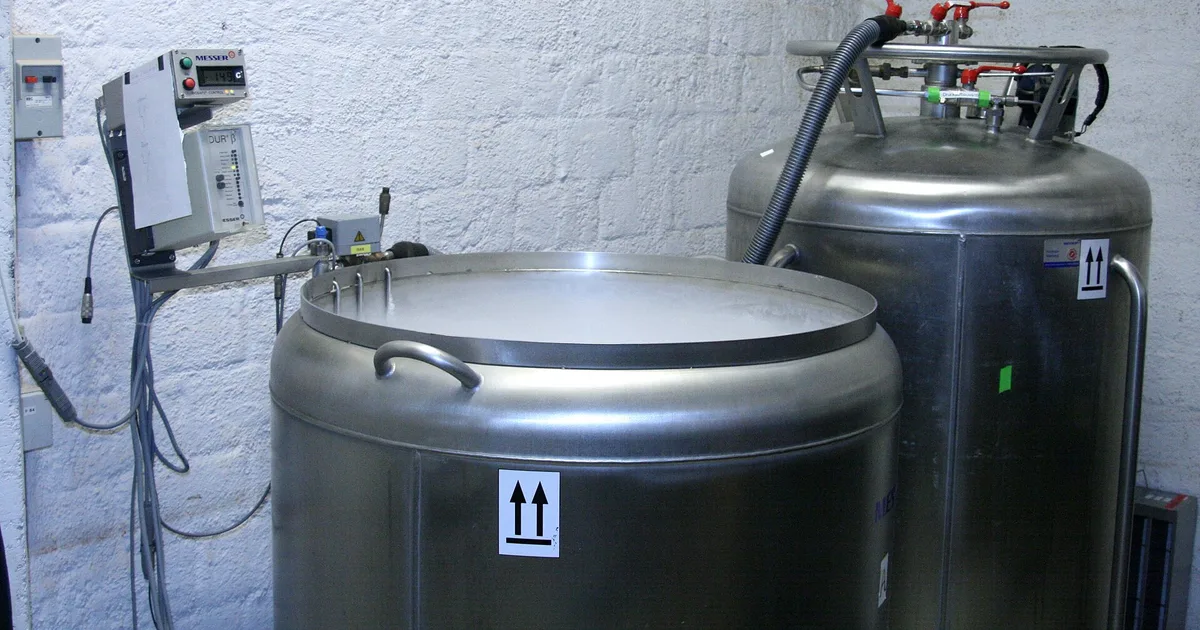
- Egg Freezing / Oocyte Cryopreservation: elective and medical preservation, with storage handled at Stone Oak
- Embryo Cryopreservation and Frozen Embryo Transfer (FET): whether from a freeze-all cycle or a later frozen transfer, embryos are stored and thawed in-house
- Donor Egg and Donated Embryo Programs: shared and known donors, with cycle coordination from Stone Oak
- Gestational Carrier / Surrogacy Programs: IVF coordination with the carrier’s reproductive endocrinology and obstetric team
- Intrauterine Insemination (IUI): ovulatory, mild male-factor, donor-sperm, and unexplained infertility cases
- Fertility Preservation for Cancer Patients: egg and embryo freezing coordinated with oncology timing
- Male Fertility Evaluation: semen analysis and coordination with urology when surgical sperm retrieval is needed
- Fertility Surgery: diagnostic hysteroscopy and laparoscopy when uterine or tubal pathology is on the table
- LGBTQ+ Family Building: reciprocal IVF, donor sperm IUI, donor egg IVF, and gestational carrier coordination
Fees & Packages
Aspire Fertility does not publish a fixed price per IVF cycle at Stone Oak. Costs vary with the protocol you’re prescribed, medication volume, whether you add PGT-A, freezing, storage, donor-egg, or a gestational carrier, and what your insurance actually covers. Aspire maintains a “Fertility Costs” page on the network site with general ranges, and every patient is walked through a written quote by a financial counselor before medication is dispensed. Aspire accepts most major PPO plans and offers patient-financing options for cycles that fall outside insurance. Ask specifically about single-cycle pricing, all-inclusive bundles, refund-program terms, and multi-cycle packages during the consult.
Patient Journey
- Request a consult through the Aspire website or the shared San Antonio phone line; new-patient intakes accept referrals directly, and you don’t need an OB/GYN referral to be seen.
- New-patient consultation at your nearest Aspire San Antonio office. Bring prior records; expect a full reproductive work-up: FSH, LH, estradiol, AMH, TSH, prolactin, pelvic ultrasound with antral follicle count, semen analysis for the male partner, and infectious-disease screening.
- Insurance and financial review. A dedicated financial counselor pulls your benefits, requests medical necessity letters where they’re needed, and hands you a written quote covering cycle fees, medications, and add-ons before any protocol is written.
- Personalized stimulation protocol and monitoring. Inj medications begin at home; follicle ultrasounds and bloodwork run at Stone Oak, Medical Center, or Alamo Heights from 7:00 AM weekdays and 8:00 AM Saturday so dose adjustments happen the same day.
- Trigger and egg retrieval at the Stone Oak IVF lab under monitored sedation; eggs are fertilized by IVF or ICSI and cultured in-house; PGT-A or PGT-M biopsies are performed at blastocyst stage when selected.
- Fresh transfer or freeze-all. Embryos that aren’t transferred are vitrified and stored at Stone Oak; a frozen transfer cycle follows once PGT results return.
- Pregnancy test and follow-up. A blood pregnancy test after transfer and an early ultrasound, then transition to an obstetric practice once a heartbeat is confirmed; our source does not document this clinic’s exact timing for either. Prelude portal messaging keeps you connected to your care team between visits.
Local Legal Framework
Texas settles most assisted-reproduction questions through the Texas Family Code, so the paperwork you sign at Stone Oak carries real legal weight. Our clinic file says only that Texas ART practice is FDA- and CDC-regulated and that SART member clinics report cycle data to the CDC; the statutory points below are cited to the Family Code itself, not to the clinic’s materials.
- Gestational carrier / surrogacy: Texas Family Code Chapter 160, Subchapter I governs gestational agreements — § 160.754 sets the requirements for the agreement, and § 160.755 the court confirmation that follows it. To be enforceable, the written agreement has to be signed before any embryo transfer or artificial insemination, both intended parents and the carrier (and her spouse, if she’s married) have to sign, a physician has to attest that the intended mother cannot carry a pregnancy or that a pregnancy would pose a serious health risk, and the carrier must have previously given birth to a child. The court order naming the intended parents as legal parents is a separate proceeding from the agreement itself (§ 160.755).
- Egg, sperm, and embryo donation: Under § 160.702, a gamete or embryo donor is not a parent of a child born through assisted reproduction and holds no parental rights or obligations. Where a married woman receives donor gametes with her husband’s written consent, he is a legal parent under Chapter 160’s assisted-reproduction provisions; the same consent logic carries into donor-egg and donated-embryo cycles, and the parentage trail is tighter when at least one intended parent is genetically related.
- PGT-A / PGT-M: No Texas-specific statutory restriction; standard FDA and CLIA laboratory rules and clinic informed-consent forms govern.
- Marital-status expectations in surrogacy: Texas’s gestational-agreement statute is written around a married man and woman, and its protections are strongest for that structure. Single intended parents and same-sex couples pursuing surrogacy in Texas should have a family-law attorney map the parentage route before signing with a carrier — the underlying medical care is available at clinics like Aspire; the legal pathway differs.
- Embryo status: Texas has no comprehensive embryo-personhood statute that restricts IVF. Disposition of unused embryos is governed by the consent forms you sign with the clinic at creation.
- Insurance: our Texas sources document no state mandate that requires a health plan to cover IVF. Read your plan’s fertility language before assuming a cycle is covered, and have the clinic’s financial staff confirm benefits in writing before medication is ordered.
Location
- Address: 150 E Sonterra Blvd #220, San Antonio, TX 78258
- Phone: (210) 337-8453