'%20d='m0%200%2016%2011h61%2061%2061%2061%2060L47%2037h61%2061%2060%2061L16%2063h61%2061%2061%2061%2060L47%2089h61%2061%2060%2061L16%20115h61%2061%2061%2061%2060L47%20141h61%2061%2060%2061L16%20166h61%2061%2061%2061%2060L47%20192h61%2061%2060%2061L16%20218h61%2061%2061%2061%2060z'/%3e%3c/svg%3e)

About Bloom Reproductive Institute, PLLC - Scottsdale
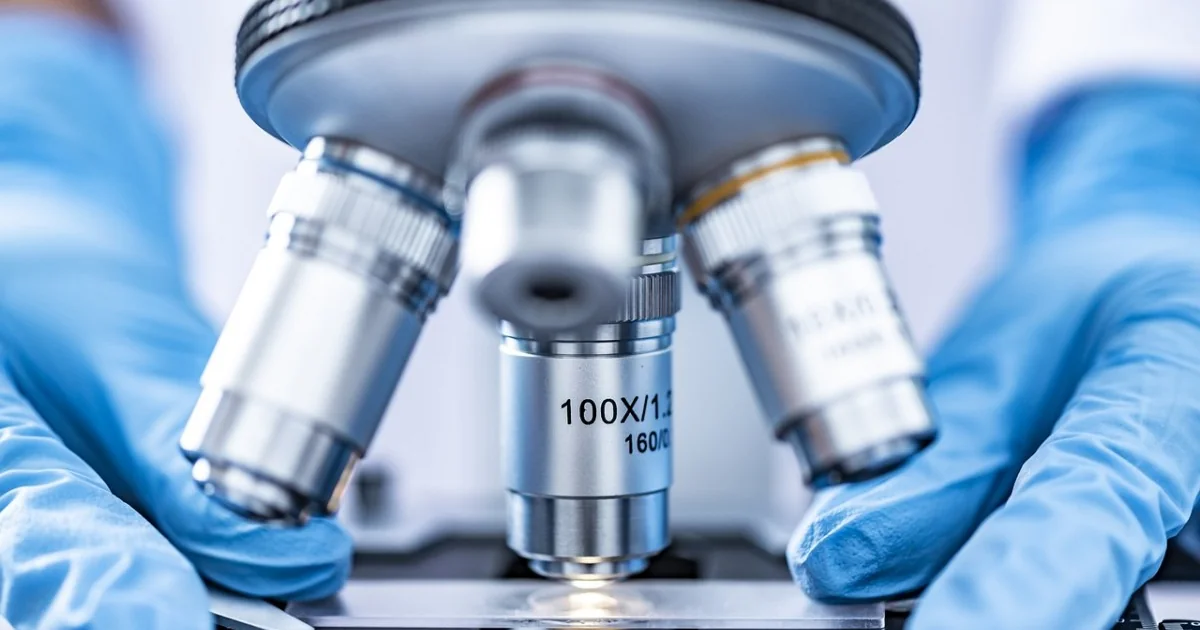
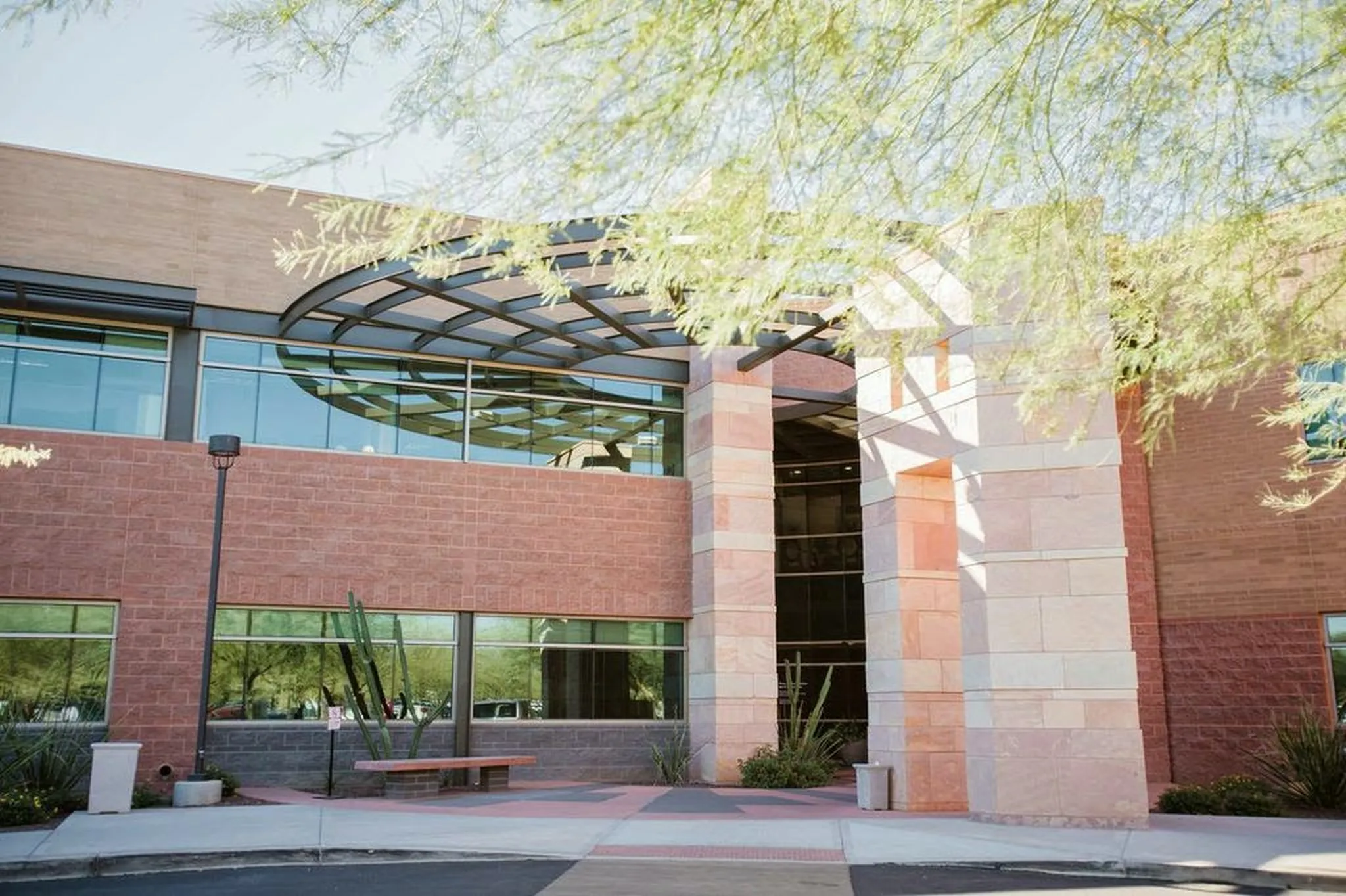
Treatment physically happens here. At 8415 N Pima Road, Suite 290, Bloom keeps its embryology lab on site and performs egg retrieval, ICSI, embryo culture, biopsy for genetic testing, freezing and transfer in that lab; a second office, in Chandler, exists to run monitoring and cycle management closer to East Valley homes. The lab is CAP-accredited, and the clinic describes its endocrine lab as CLIA-certified. The lab menu the site lists: ICSI, egg and embryo cryopreservation, assisted hatching, PGT, blastomere and trophectoderm biopsy, frozen embryo transfers, and donor egg and recipient cycles.
The lab director is the detail most IVF clinics leave vague, and Bloom puts a name to the role: Barry Behr, PhD, HCLD, credited on the clinic’s site as co-inventor of the time-lapse technology used for embryo selection and as developer of a culture medium for growing embryos to the blastocyst stage. The same profile lists more than 80 peer-reviewed publications, more than 150 abstracts, past presidency of both the Pacific Coast Reproductive Society and the American Association of Bioanalysts, and current Stanford roles including director of its IVF laboratory. That is a research-and-laboratory pedigree attached to the room where your embryos are handled.
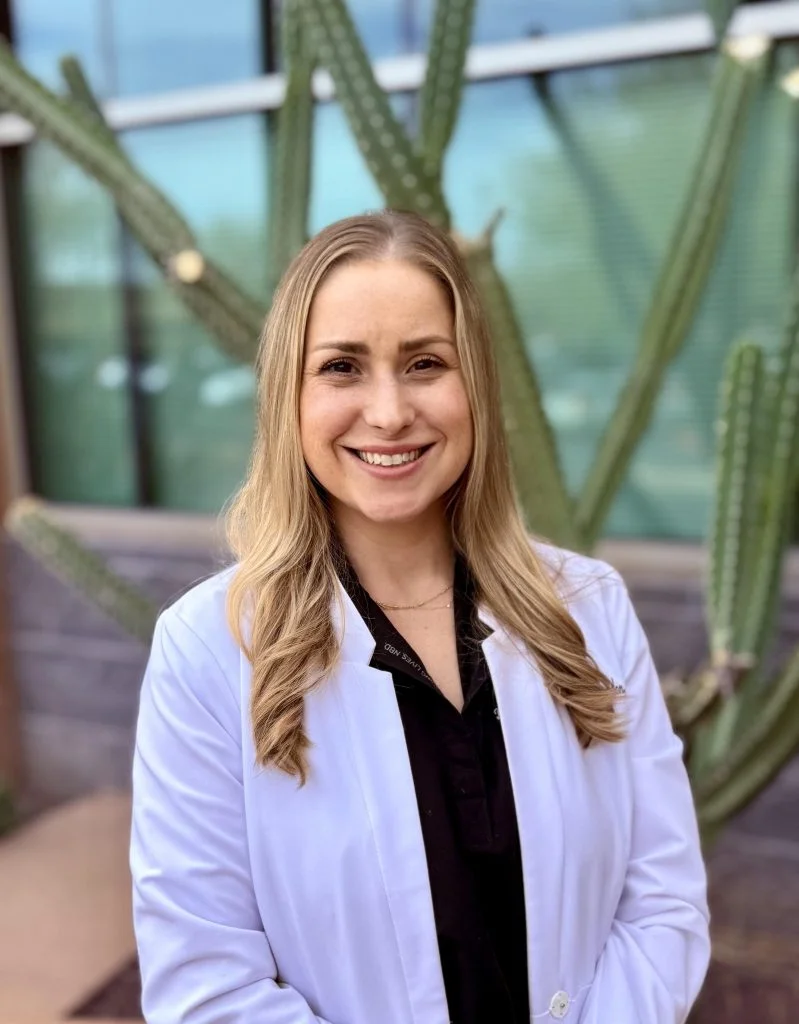
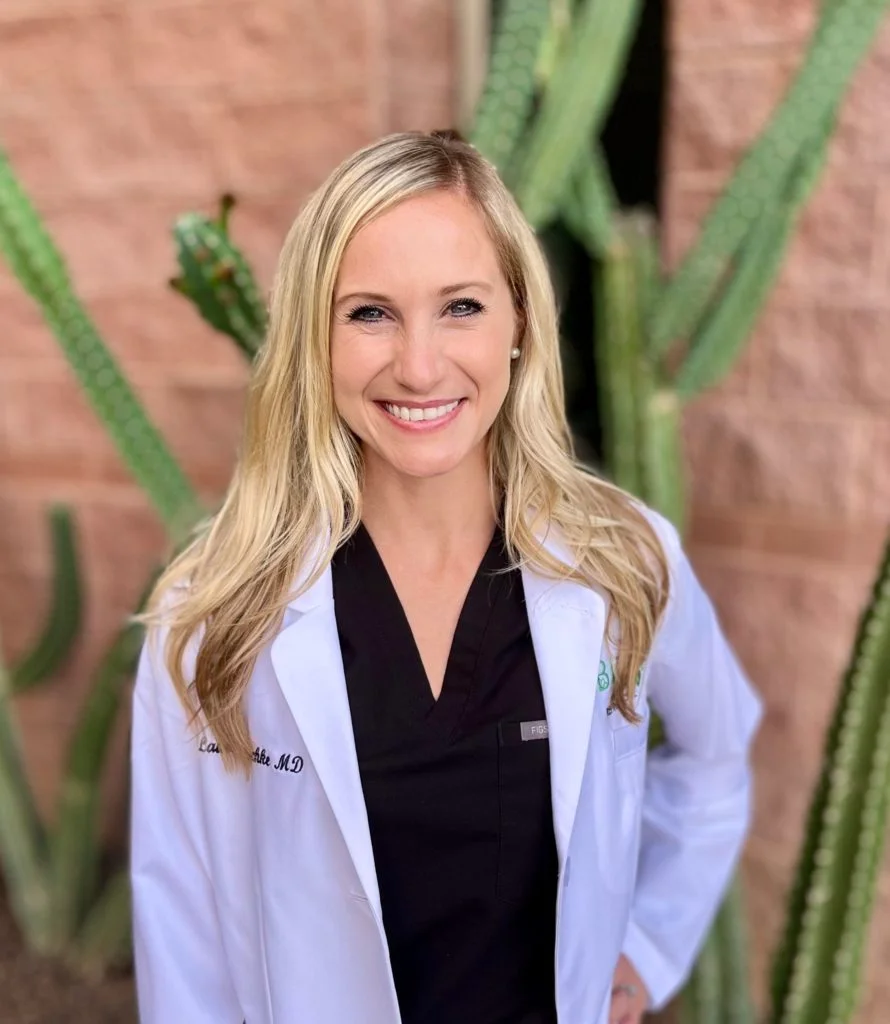
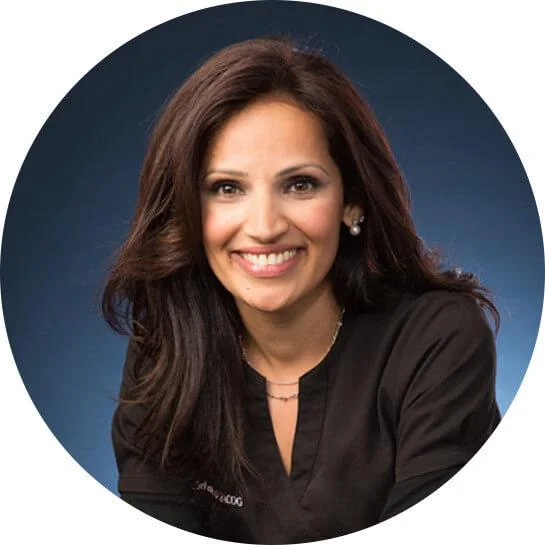
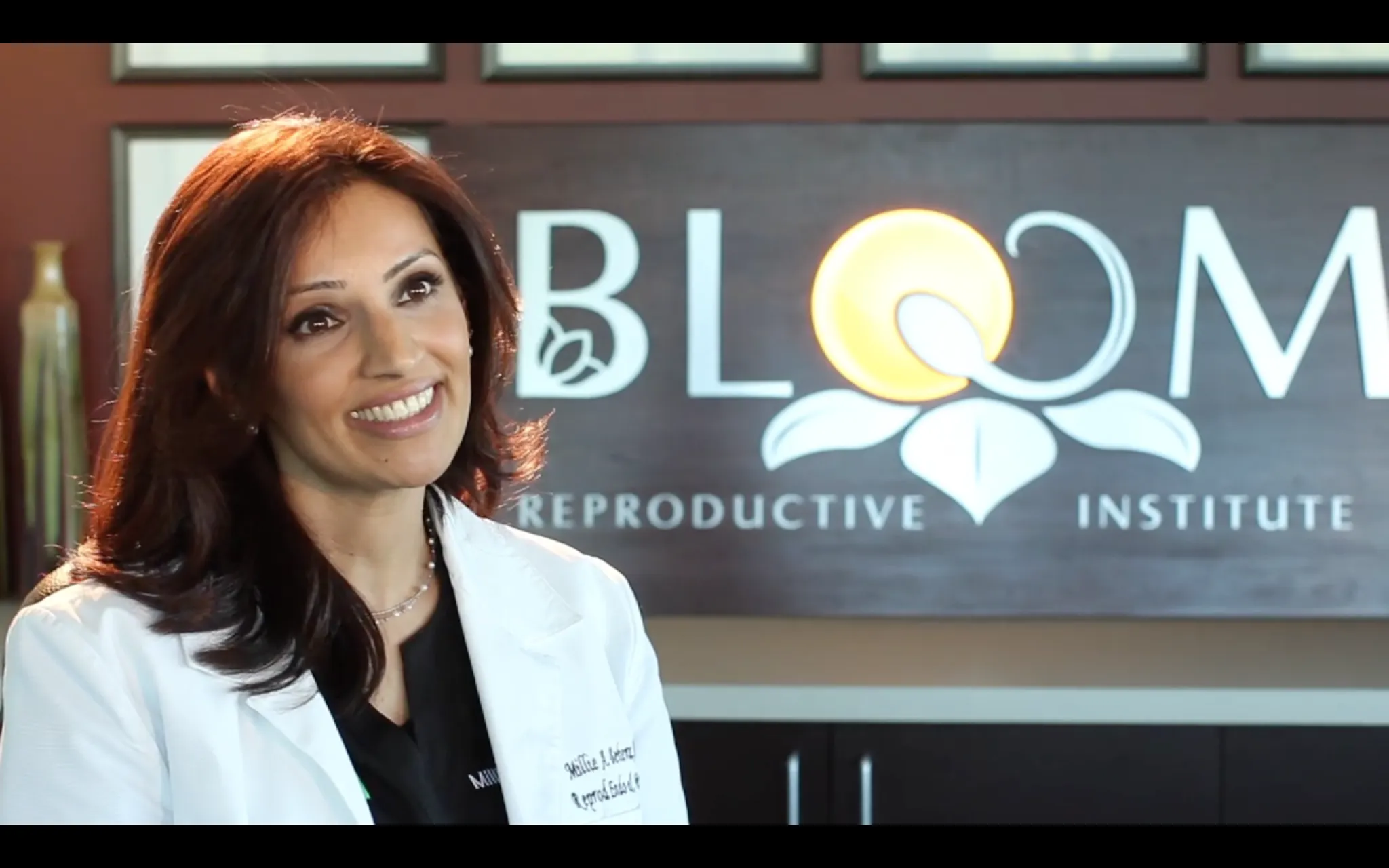
The brand’s team page names three reproductive endocrinologists working from this address, and the site describes the practice as boutique-scale. Dr. Millie Behera, MD, FACOG, FRCSC, board-certified in both OB/GYN and reproductive endocrinology and infertility, is the SART report’s listed medical director; before moving to the Phoenix area she was an assistant professor at Duke University and clinical director of its Center for Fibroid Biology and Therapy, and she remains adjunct faculty at Duke and at the University of Arizona. She is described as the first reproductive surgeon in the Phoenix area to perform robotic tubal reversal surgery, and as part of a Center of Excellence in Minimally Invasive Surgery at Scottsdale Healthcare. Dr. Lauren Reschke, MD, FACOG, trained at Johns Hopkins for both medical school and her REI specialty, did residency at Washington University in St. Louis as chief administrative resident, has treated Bloom patients since 2022, and publishes on onco-fertility, PCOS, fibroids and complex IVF; her stated interests cover fertility preservation, egg freezing, cancer-related fertility treatment, diminished ovarian reserve, and LGBTQ family building. Dr. Catherine Gordon, MD, FACOG, completed REI fellowship at Brigham and Women’s Hospital in Boston after residency at the University of California, Irvine, and came from three years at The Fertility Center of Southern California. Four nurse practitioners and physician assistants support the physicians: Kim, Alex, Kimberley and Taylor. The clinic claims “over 100 years” of combined experience among key personnel and, separately, faculty positions and national recognition - both are self-published statements, and our sources give no independent count.
On outcomes, read the label before the number. The SART row on this profile is ClinicPKID 2000041, which is a single brand reporting unit covering the Scottsdale and Chandler addresses together; SART does not publish the two sites separately. In the 2023 Final report that unit recorded 862 cycles and these live-birth rates per intended egg retrieval: 46.9% under 35, 45.2% at 35-37, 20.5% at 38-40, and 3.1% over 40, with the last figure weighted from two bands SART reports apart - 5.5% across 55 cycles at 41-42 and 0.0% across 42 cycles over 42, or 97 cycles combined. Set against the same registry and year, SART’s 2023 national summary reports 53.2% under 35, 39.9% at 35-37, 26.2% at 38-40 and 9.4% over 40. So the brand sits below the national figure in three of four bands and above it in one, the 35-37 band. Our dataset has no fresh-IVF or frozen-transfer split for this clinic (those cells are empty), so nothing here says whether a fresh transfer or a frozen one drove a given band - even though the national row does carry both, at 45.5% fresh and 45.7% frozen under 35.
Two more cautions before you use any of those digits. First, year to year this unit moves: the same SART report family shows 754 cycles for 2022 Final, with 58.4% under 35, 27.3% at 35-37 and 13.5% at 38-40 - so between the two report years the youngest band slid from 58.4% to 46.9% while both older bands rose (27.3% to 45.2%, 13.5% to 20.5%). Ask for the report year that matches your age band rather than one headline. The brand’s CDC entry (ArtClinicId 712, reporting year 2022) counts 766 cycles and lists live births per intended retrieval of 47.5% under 35 (101 retrievals), 29.7% at 35-37 (74), 22.9% at 38-40 (83) and 6.4% over 40 (78); those CDC numbers come from a different registry and a different year with a different case mix, so they cannot be lined up against the SART 2023 figures or the national SART row. A SART 2024 preliminary release also exists in our notes (907 cycles, with rates of 34.4/15.6/12.4/10.6/3.4); we exclude it because preliminary reporting leaves out late-delivered cycles, which drags rates down artificially. Second, membership status: the SART clinic-search record for this brand returned InGoodStanding as false on our 2026-08-31 research pass, even though the 2023 report page loaded normally - worth a direct question to the clinic, and worth noting that our dossier records no JCI accreditation (uncommon for US fertility clinics) and no Newsweek clinic ranking entry.
Finally, dates. This profile carries an established year of 2016, and the only 2016 our sources support is the SART member-since date on the brand record. No founding year for the Scottsdale unit appears in our research, so we will not tell you a “since 2016” history: the team facts we do have run later (Kim joined the brand in 2017, Dr. Reschke has treated Bloom patients since 2022, and Taylor joined in 2024). Independent of all this, the Google listing for the Scottsdale address scores 4.6 stars across 222 reviews, and the clinic’s own About page publishes selected patient testimonials, including one account of pregnancy from a first transfer with a single embryo.
Accreditations & Awards
- CAP accreditation, embryology lab: appears both in the SART clinic-search record’s accreditation field and in the clinic’s own description of its lab. The lab reports cycle data to SART.
- SART membership: ClinicID 2000041, SART number 0840, member since 2016-01-26 per the clinic-search record. The same record returned InGoodStanding as false at our research date (2026-08-31); the public 2023 report page itself read normally.
- CLIA certification, endocrine lab: stated on the clinic’s About page. Clinic-reported; our research pass did not verify this certificate at the issuing body.
- CDC ART registration: ArtClinicId 712 under the Scottsdale address, with SART flagged yes and accreditation flagged yes in the CDC clinic list, reporting year 2022.
- Medical director of record: the SART report names Millie Behera, MD as medical director; the CDC record names Millie A. Behera, MD.
- Physician recognition: Dr. Behera named a Phoenix Magazine Top Doc for 2014, and the clinic’s news page (items dated 2020) reports continuing TopDoc recognition plus appearances on national television programs including “Dr. Oz” and “The Doctors”. These are clinic-published claims.
- Insurer and hospital designations: the homepage states the practice has been awarded “Center of Excellence” classifications by insurance companies and hospitals; no list of which payers or which years appears in our sources.
- Patient volume signal: 4.6 stars across 222 Google reviews at this address, materially more feedback than the brand’s Chandler listing carries.
Why Choose Bloom Reproductive Institute, PLLC - Scottsdale
- The lab is on site, and it is named. Retrieval, culture, biopsy and freezing happen in the building rather than through an outside lab, and the laboratory director is a public figure in embryo culture and time-lapse selection technology. Ask what a given lab does for your specific case, but you can at least find out who runs this one.
- Surgery is in the same practice. Dr. Behera’s documented scope includes laparoscopy, operative hysteroscopy and robotic surgery, and the site credits her as the first reproductive surgeon in the Phoenix area to perform robotic tubal reversal. If fibroids, tubal blockage, adhesions or endometriosis need fixing before or between cycles, that is not a referral to another building.
- Diagnostics you do not have to shop around. HSG runs on a GE OEC 9900 Elite C-Arm with digital low-dose fluoroscopy and a soft-catheter technique, with optional on-site tubal cannulation for proximal tubal occlusion, and the clinic performs semen analysis and sperm freezing on request.
- A preservation program with a specific owner. Dr. Reschke’s fellowship work included a fertility preservation quality-improvement team, and her published topics include onco-fertility - relevant if you are banking eggs or embryos before cancer treatment rather than for timing reasons.
- Donor egg cycles under FDA and ASRM screening, offered for reduced egg number or quality, ovarian failure, or prior treatment failure, with known or anonymous donors. The clinic states donor-egg success rates run significantly higher than standard IVF; it publishes no numbers to support that, so treat it as clinic-published.
- A second address for the boring majority of visits. Stimulation monitoring can move to the Chandler office while procedures stay here - useful if you are counting weekday absences.
- Three REI physicians, not thirty. That cuts both ways: continuity and attending-level attention, against narrower scheduling and fewer subspecialty bench depths. Our sources do not state wait times for a first appointment.
IVF & Fertility Services
- Initial evaluation - history review, ultrasound of uterus, ovaries and pelvis, physical exam, hormone testing, HSG for tubal patency, and semen analysis for a male partner.
- IVF - the clinic describes a full cycle as roughly 4-6 weeks: down-regulation medication, gonadotropin stimulation (FSH and LH) for 10-14 days, ultrasound and bloodwork monitoring, an hCG trigger, retrieval 35-38 hours after trigger, fertilization by insemination or ICSI, transfer on day 3 or day 5, then a pregnancy blood test about 11 days after transfer and a first obstetric ultrasound between the fifth and eighth week of gestation. The site states blastocyst (day 5) transfer is preferred for the highest pregnancy rate with the lowest multiple-pregnancy risk.
- IUI - washed sperm placed in the uterus, timed about 36 hours after an hCG trigger. The clinic lists low sperm count, reduced sperm motility, unexplained infertility and cervical factors as situations where it is used, and notes it costs less and is less invasive than IVF.
- PGT - biopsy at the blastocyst stage (day 5) taking trophectoderm cells. PGT-A screens chromosome number (the site names Down syndrome and Edward syndrome); PGT-M tests single-gene conditions, with cystic fibrosis, hemophilia, Huntington disease, Marfan syndrome, muscular dystrophy, thalassemia, Tay Sachs, spinal muscular atrophy and sickle cell anemia listed.
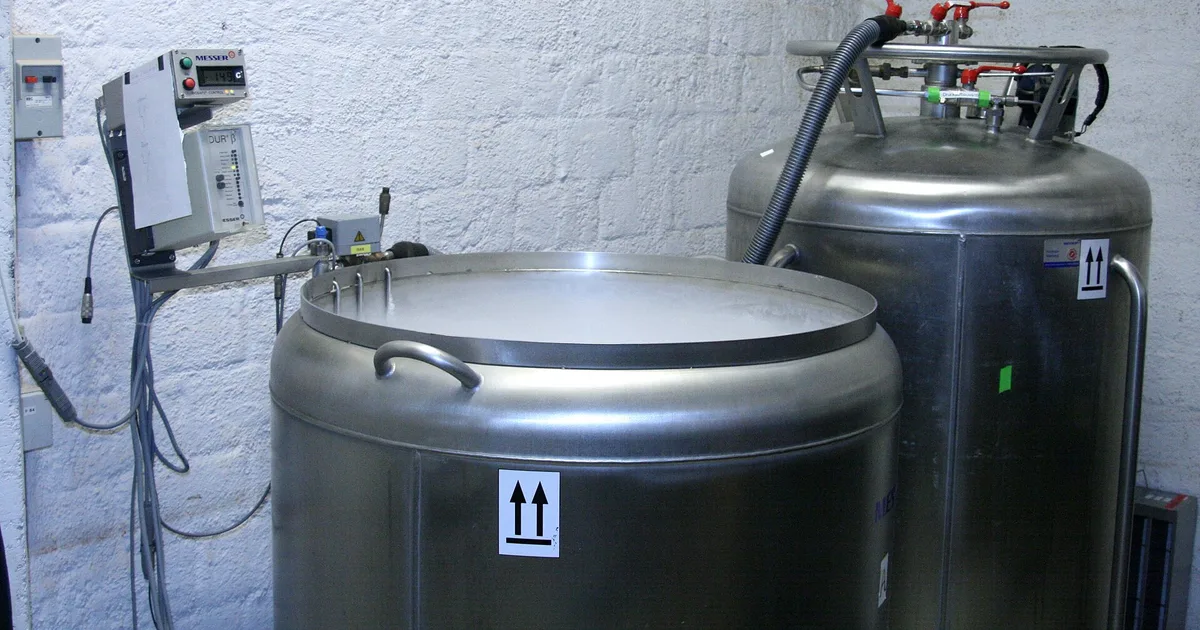
- Egg freezing and fertility preservation - vitrification of eggs, sperm or embryos with liquid-nitrogen storage, for cancer and its treatment, endometriosis, lupus and other autoimmune disease, surgery affecting reproductive organs, and age or timing reasons.
- Fertility-enhancing surgery - laparoscopic, hysteroscopic and robotic work on tubal blockage, uterine fibroids, endometriosis, pelvic adhesions, uterine or vaginal anatomic variants, ovarian cysts and intra-uterine adhesions.
- Donor egg program - known or anonymous donors screened under FDA and ASRM guidelines, for patients with diminished reserve, ovarian failure, or unsuccessful prior treatment.
- Egg donor recruitment - the clinic recruits donors, compensates those who pass screening, and runs the process anonymously.
- Andrology support - semen analysis on request, plus semen cryopreservation.
Fees & Packages
There is no published price list. Across the whole of our research for this clinic, no dollar figure appears for a cycle, a consultation, medication, PGT, freezing or storage - so treat any number you are given verbally as a quote to compare, not a published rate.
What the clinic does publish is how it lowers and spreads cost:
- Insurance: enrolled in a number of plans that carry fertility coverage and accepts most such plans, with a billing department that checks benefits and requirements. Arizona law in our sources does not mandate IVF coverage, so what your specific plan pays is the deciding variable.
- Financing: payment plans through ARC Fertility, described on the clinic’s financial page as a partner operating for nearly 17 years.
- Grant: one qualifying existing patient receives funding for one IVF cycle each calendar quarter.
Not documented in our sources: what the cycle fee includes and what bills separately (injectables, anesthesia, ICSI, embryo biopsy and PGT lab fees, freezing, annual storage, donor compensation and screening), and whether a monitored cycle started in Chandler is billed identically to one run entirely in Scottsdale. Request an itemized written estimate that names each of those line items before starting.
Patient Journey
- Referral or self-referral - patients reach the practice through the online request form, the phone line, or a referring provider (the clinic publishes a referral line and a fax line for provider referrals), and manage results through an online patient portal.
- Initial evaluation - history, exam, ultrasound, hormone panels, tubal imaging by HSG, and semen analysis for a male partner. The clinic does not publish how long the diagnostic phase takes.
- Protocol design - a plan matched to diagnosis, age and goals, with the financial page’s options - insurance verification, ARC payment plans, the quarterly grant - priced at this stage.
- Stimulation and monitoring - 10-14 days of gonadotropins with ultrasound and bloodwork, dose changes as follicles grow. Recurring monitoring can be relocated to the Chandler office, and this address keeps a Saturday morning window (07:30 - 10:30) in its hours record; our sources do not say which visits are scheduled then.
- Trigger and retrieval - hCG trigger, then retrieval 35-38 hours later. Our sources do not state the anesthesia method used for retrieval.
- Fertilization and culture - insemination or ICSI in the CAP-accredited lab, culture to day 3 or day 5, with trophectoderm biopsy if PGT is planned.
- Transfer and testing - embryo transfer, a pregnancy blood test roughly 11 days later, and a first obstetric ultrasound between weeks 5 and 8 of gestation. Frozen-thaw transfers follow the lab’s FET workflow instead.
Local Legal Framework
Our research for this clinic names no Arizona statute number, and we will not borrow legal text from other Arizona clinic profiles. What is documented, with its limits:
- Insurance coverage: no Arizona mandate that insurers cover IVF appears in our sources. Practical consequence: your plan’s fertility benefit, and whether Bloom is enrolled in it, determines coverage - not state law.
- Egg donation: legal and in routine practice here, with the clinic screening donors under FDA and ASRM guidelines. Those are federal program standards and society guidelines, not an Arizona code citation, and our dossier records no Arizona statute governing donor compensation or donor-conceived parentage.
- Gestational carrier: gestational carrier is among the service categories listed in the brand’s CDC registration. Our sources record no Arizona statute or court decision on point, so we make no claim that the state “explicitly supports” surrogacy. If you need a carrier, get an Arizona parentage opinion from a family-law attorney before any cycle, and ask about pre-birth and post-birth orders directly.
- Embryo and gamete storage: the clinic stores eggs, sperm and embryos, and holds them under a CAP-accredited and SART-reporting lab structure, but our sources do not reproduce its consent, disposition or storage-term documents. Ask for those documents before signing.
- Federal reporting: the Fertility Clinic Success Rate and Certification Act requires ART clinics to report cycle data to CDC. Bloom’s CDC entry is ArtClinicId 712 at this address (reporting year 2022), and its SART report covers the brand as one unit.
- LGBTQ+ family building: the profile flags LGBTQ+ friendly care, and Dr. Reschke’s stated clinical interests include LGBTQ family building. Our sources do not itemize which arrangements (partner egg-sharing, donor sperm, carrier) the practice coordinates, so confirm your specific path.
Location
- Address: 8415 N Pima Rd, Suite 290, Scottsdale, AZ 85258, USA
- Phone: (480) 434-6565