'%20d='m0%200%2016%2011h61%2061%2061%2061%2060L47%2037h61%2061%2060%2061L16%2063h61%2061%2061%2061%2060L47%2089h61%2061%2060%2061L16%20115h61%2061%2061%2061%2060L47%20141h61%2061%2060%2061L16%20166h61%2061%2061%2061%2060L47%20192h61%2061%2060%2061L16%20218h61%2061%2061%2061%2060z'/%3e%3c/svg%3e)


About Boca Fertility
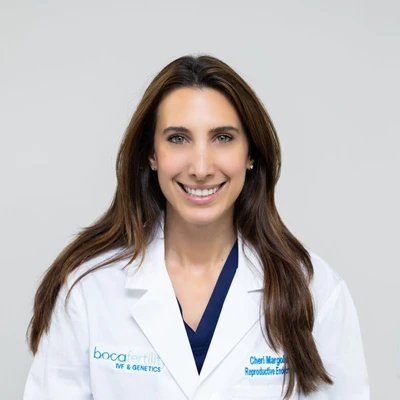
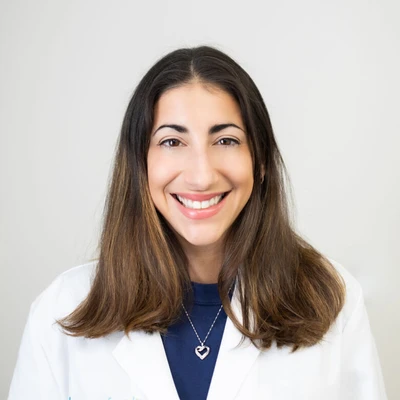
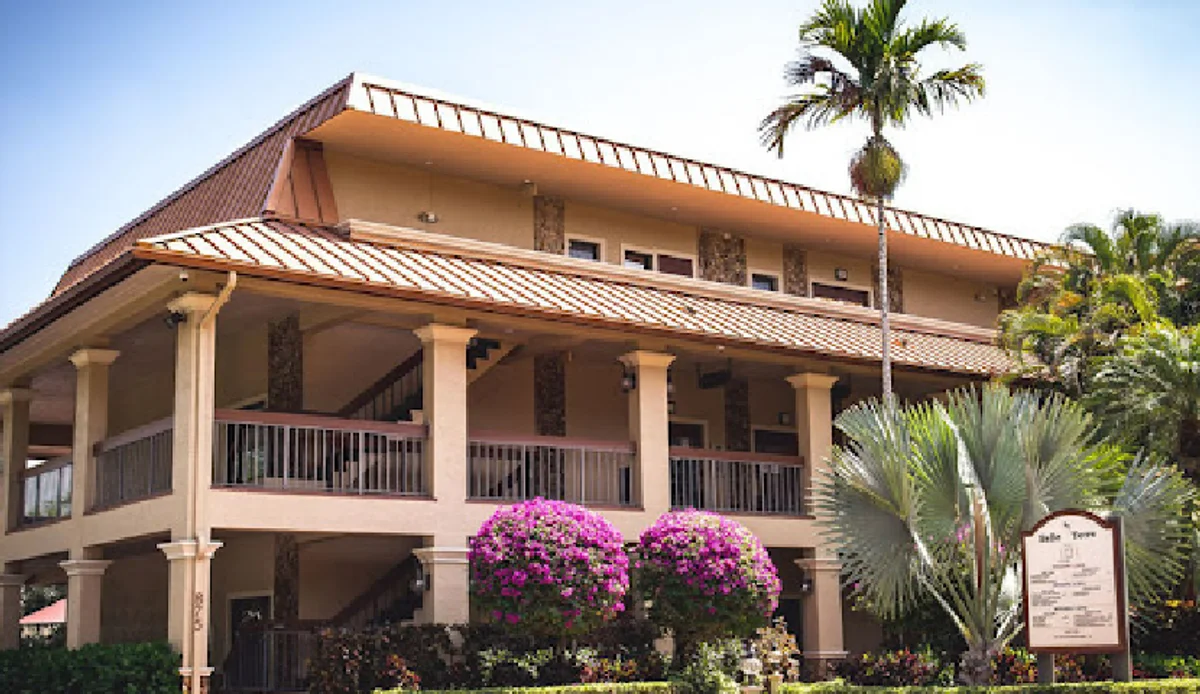
Boca Fertility began in 1982 as the first in vitro fertilization program in Palm Beach County, and it delivered the county’s first IVF birth. It is a private practice in the sense the clinic itself advertises: its materials promise a “private practice atmosphere” in which “you will be cared for by only one doctor.” Two reproductive endocrinologists appear on the physician roster — Leah Roberts, M.D., listed as the practice’s Medical Director, and Cheri Margolis, M.D. — supported by a licensed physician assistant, a nursing team, and an IVF laboratory led by a doctoral-level clinical laboratory director. The flagship clinic sits at 875 Meadows Road in Boca Raton, with a satellite office in Fort Lauderdale for consultations and monitoring closer to Broward County, and the practice is a member of the Fertility Specialists Network, a US physician-led network of independent clinics. One honest caveat on continuity: reviews still posted on the clinic’s own pages name physicians (Dr. Peress, Dr. Matilsky) who are no longer on the current team listing, and the 2023 SART report was countersigned by Moshe Peress, M.D., the clinic’s former medical director.
The outcomes, stated plainly. In SART’s 2023 registry data — live births per intended egg retrieval, counting all embryo transfers — Boca Fertility reported 48.4% for patients under 35 (62 retrievals), 25.6% at 35-37 (43), 21.2% at 38-40 (52), and 17.2% across the 29 retrievals in patients over 40. The national row in the comparison table on this page shows 53.2%, 39.9%, 26.2% and 9.4% for the same metric. So this program trails the national averages in the three younger bands and sits above them in the oldest. Read that oldest band carefully: it rests on 29 cycles, and the six retrievals in patients over 42 produced no live birth, which makes the 41+ figure small-sample territory rather than something to plan on. The same registry report gives 38.7 / 20.9 / 21.2 / 6.9% for live birth at first embryo transfer — the row this page stores under “fresh”, which is a label worth questioning in a clinic that states it never transfers fresh embryos. The clinic’s own language about “impressive success rates” holds against the registry only in that oldest band; weigh the band that matches your age, and check the numbers yourself on SART’s public reports for clinic 1949.
Scale, with the sourcing kept straight. The program completed 537 cycles in the 2023 reporting year, against the 932 per-clinic national figure shown on this page: a mid-sized private practice, not a volume hub. SART records a 93.2% retrieval-start reporting rate for this clinic, meaning the great majority of its cycles are in the public dataset rather than withheld. What the clinic claims about scale is qualitative, not audited — “more than 40 years” helping South Florida patients grow their families, and “consistent high patient success rates since 1982”. This office’s own public Google rating is 4.7 stars from 446 reviews.
Accreditations & Awards
- CAP “with Distinction” laboratory accreditation — the clinic’s IVF lab is accredited by the College of American Pathologists at its “with Distinction” level
- AAAASF-certified operating suite — egg retrievals happen in an on-site ambulatory surgery suite accredited by the American Association for the Accreditation of Ambulatory Surgery Facilities, with IV sedation administered by a board-certified anesthesiologist
- Newsweek’s Best Fertility Clinics in America, Top 10% — 2023, 2024 and 2025 — three consecutive years; the ranking combines a survey of 3,000+ physicians and fertility professionals with performance indicators and accreditation data
- SART member clinic — cycle data filed with SART and the CDC (ClinicPKID 1949), which is where the numbers in this page’s comparison table come from
- Fertility Specialists Network member — a US physician-led network of independent fertility practices sharing clinical best practices
Why Choose Boca Fertility
- You keep one doctor. The clinic runs on an explicit private-practice model: one physician follows you from workup through transfer, rather than rotating you through a panel of residents. Both listed reproductive endocrinologists practice at this address.
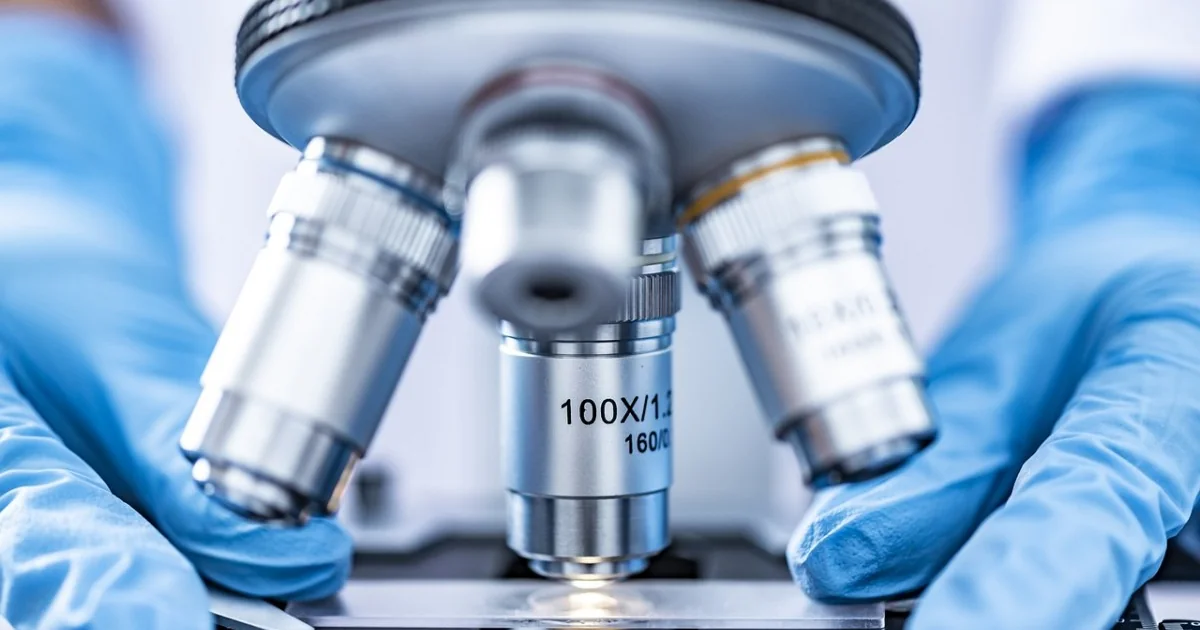
- The lab does the work in house. Blastocyst culture to day 5-7, ICSI, laser-assisted hatching, and embryo biopsy for PGT are performed on site. Genetic analysis runs through a Juno Genetics platform, which the clinic states was selected because it has been validated to reduce false-positive results. An RI Witness electronic chain-of-custody system tracks eggs and embryos.
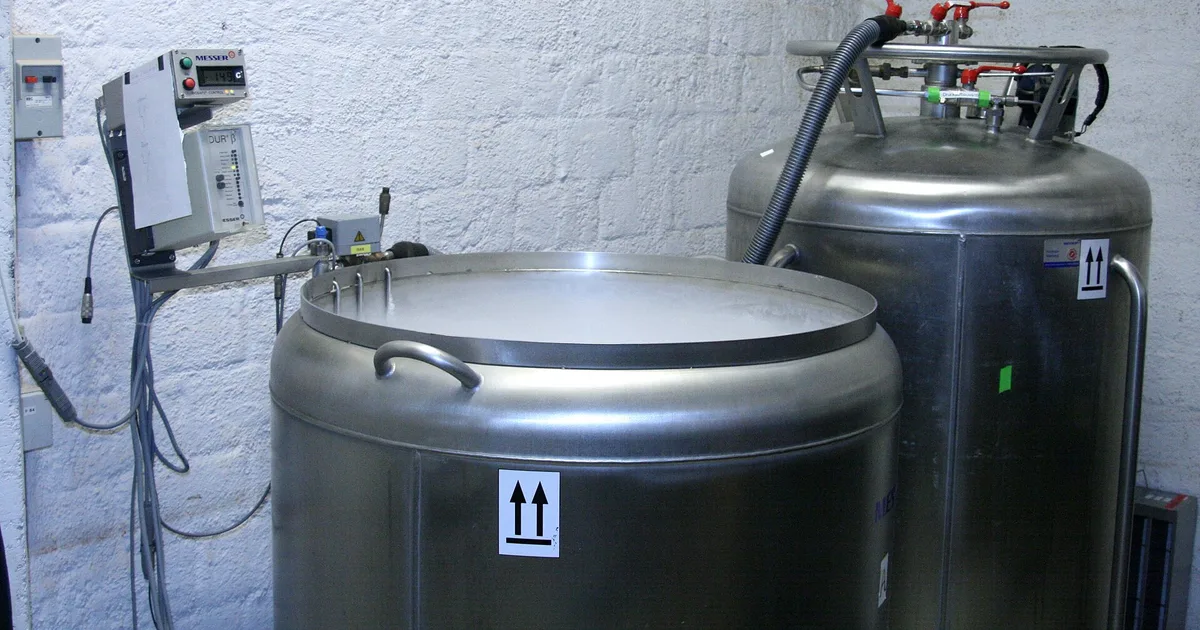
- A defined transfer strategy. The clinic states it does not perform fresh transfers: every embryo is vitrified at the blastocyst stage and moved in a later cycle — the practice’s stated reasons are endometrial timing and lowering OHSS risk. Transfers are generally single-embryo; the clinic does not publish its exact single-transfer rate, and neither does it publish protocol-level details like batch timing policies.
- A medical director who is on the roster, not a rotating consultant. Leah Roberts, M.D. holds the Medical Director title on the clinic’s own team page and is one of only two reproductive endocrinologists listed there — the physician who evaluates you is the physician who runs the program.
- Cost controls you can read. One all-inclusive Unlimited Transfer Package, $3,000-$50,000 treatment loans through CapexMD, PatientFi monthly plans, FSA/HSA eligibility, and special IVF pricing for teachers, first responders and military personnel who have no insurance coverage.
- Built for patients who don’t live nearby. The Visitors’ Program lets you finish most pre-IVF testing in your hometown and make one short trip to Boca Raton; the clinic is 1.4 miles from the Boca Raton Brightline station, and the practice bundles local Uber rides for patients arriving on a Premium rail fare.
IVF & Fertility Services
- IVF — antagonist-based stimulation starting on cycle day 3 (roughly 10 days of injectables with ultrasound and blood monitoring), hCG or increasingly Lupron trigger to cut OHSS risk, transvaginal retrieval in the on-site AAAASF suite, then all-embryo freezing and staged frozen transfers
- ICSI — single-sperm injection for male factor or prior fertilization problems; the clinic cites normal fertilization in 70-80% of injected eggs
- PGT-A and PGT-M — trophectoderm biopsy of 5-15 cells at the blastocyst stage with next-generation sequencing; PGT-M for single-gene conditions such as cystic fibrosis
- Frozen embryo transfer (FET) — estrogen-prepared lining to 7-8 mm, progesterone for 5-6 days, ultrasound-guided single transfer, blood pregnancy test 9 days after transfer
- Egg freezing — vitrification; the clinic cites roughly 70% post-thaw survival of frozen eggs, pregnancy rates of 30-50% depending on age at freezing, and typically recommends freezing before 35
- IUI and donor sperm IUI — including bank sperm under FDA screening or a known donor after required testing, counseling, and pre-freezing of the sample
- Ovulation induction — oral agents such as clomiphene or injectables with monitoring
- Donor egg IVF — the clinic states its donor egg program achieves a delivery rate of about 50%, transfers one embryo at a time, and quotes a two-to-three-month path from consultation to a start
- Gestational carrier programs — for gay men, single parents and patients who cannot carry; the clinic advises working through an established agency given FDA and guideline requirements
- Embryo donation — transfer of embryos donated by families who have completed treatment
- LGBTQ+ family building — donor IUI, IVF with donor sperm, reciprocal (co-maternity) IVF for lesbian couples, and donor egg plus carrier paths
- Fertility preservation / oncofertility — egg, sperm and embryo freezing before chemotherapy, radiation or surgery
- Reproductive surgery — hysteroscopy for polyps, fibroids, adhesions and septum; laparoscopic and robotic-assisted laparoscopic surgery for endometriosis, ovarian cysts, fibroids and tubal disease
- Diagnostics — HSG, 3-D sonohysterogram with a mock transfer in the same visit, antral follicle count, FSH/estradiol/AMH ovarian reserve panel, and high-complexity semen analysis
Fees & Packages
There is no published price list. Clinic fees are discussed with a financial counselor at the end of your first visit, and the practice says it deliberately keeps office fees low. What the clinic does publish:
- Unlimited Transfer Package — one all-inclusive fee covering physician management, all monitoring, egg retrieval, IVF, ICSI and laser hatching as indicated, the RI Witness system, embryo freezing and storage until you graduate from the program, two pregnancy blood tests and two sonograms, plus unlimited transfers for 12 months from a single retrieval. Medications, anesthesia and pre-screening tests are billed separately; the sticker price requires a quote.
- Occupational discounts — reduced IVF pricing for teachers, first responders and active or veteran military personnel, available only to patients without insurance coverage for treatment
- Financing — CapexMD fertility loans from $3,000 to $50,000 over 6-60 months (can include medications and genetic testing, with 24-hour online pre-approval) and PatientFi monthly payment plans
- Insurance — a participating provider in many PPO and HMO plans and employer fertility-benefit networks. The clinic verifies your benefits with your insurer before the appointment, but treats that as an estimate, not a guarantee; co-pays and deductibles are due at the time of visit. FSA and HSA funds can be applied to treatment.
- Third-party program benchmarks the clinic publishes — donor compensation of roughly $7,000-$8,000 paid through legal counsel, agency fees on top, and $16,000-$27,000 for a bank vial of 6-8 frozen eggs
- Payment methods — major credit cards (MasterCard, Visa, American Express, Discover), checks, and cash
Patient Journey
- Consultation (1-1.5 hours) — history and vitals, sit-down with a fertility specialist, test recommendations, a treatment plan discussion, then time with a financial counselor on pricing and payment plans. Telehealth visits are available, and weekend appointments exist for procedures that must land on a specific day. Bring prior operative reports and HSG films.
- Pre-cycle workup — HSG (valid for two years), 3-D sonohysterogram with a mock transfer, ovarian reserve testing (AFC, FSH, AMH), and a high-complexity semen analysis. A blocked, fluid-filled tube (hydrosalpinx) is removed before transfer because its secretions harm implantation.
- Stimulation and monitoring (about 10 days) — injections start on day 3, a GnRH antagonist is added around day 6, and follicles are tracked by ultrasound and bloodwork. Monitoring visits take 15-30 minutes; office hours run 8:00 AM to 4:30 PM Monday through Friday.
- Trigger and retrieval — hCG or Lupron trigger when leading follicles reach 20 mm; the retrieval takes about 15 minutes under IV sedation in the on-site AAAASF suite, and you leave roughly 30 minutes afterward.
- Fertilization and freeze-all — conventional insemination or ICSI in the lab, embryos grown to day 5-7 blastocysts, biopsied for PGT if planned, and every embryo is frozen. The IVF nurse coordinator calls you with daily lab updates.
- Frozen transfer and test — estrogen for about two weeks, progesterone once the lining hits 7-8 mm, one embryo transferred under ultrasound guidance (acupuncture can be arranged in advance), then a blood pregnancy test 9 days later and an ultrasound about four weeks after transfer.
- After a positive — the clinic provides early prenatal monitoring and hands you back to your own OB/GYN. Out-of-town and international patients use the Visitors’ Program: most baseline testing happens at home, and one brief Boca Raton visit covers the cycle itself.
Local Legal Framework
Florida is one of the few states with detailed ART statutes on the books. Egg and sperm donation run through a statutory written informed-consent process: a donor who signs is not a legal parent of a child conceived from the donation. Gestational carrier agreements can be validated under state law, which lets intended parents be established as legal parents before birth — the framework as written was built around married intended parents, with the carrier required to have had a previous live birth and to have her own independent lawyer. Our Florida sources describe that framework without identifying statute numbers. On top of state law the clinic follows federal FDA rules: infectious-disease screening for all donors, psychological evaluation for egg donors, and advance freezing of known donors’ samples.
Two honest caveats. First, our Florida sources do not give statute numbers and do not record any current court ruling on how these parentage statutes apply today, so treat the above as orientation, not legal advice; intended parents — especially single parents and LGBTQ+ parents working around the marital framing of Florida’s surrogacy law — should get independent advice from a Florida reproductive attorney before starting. Second, Boca Fertility publishes no on-site legal or counseling service for these arrangements; it expects that work to happen with outside counsel. PGT-A and PGT-M face no Florida-specific restriction beyond informed consent, and embryos have no blanket legal status under state law — disposition is controlled by the consent agreements you sign with the clinic.
Location
- Address: 875 Meadows Rd, Suite 334, Boca Raton, FL 33486
- Phone: +1 561-368-5500
- Fort Lauderdale satellite clinic: 255 SE 14th St, Suite 1A, Fort Lauderdale, FL 33316 — Phone: +1 561-368-5500