'%20d='m0%200%2016%2011h61%2061%2061%2061%2060L47%2037h61%2061%2060%2061L16%2063h61%2061%2061%2061%2060L47%2089h61%2061%2060%2061L16%20115h61%2061%2061%2061%2060L47%20141h61%2061%2060%2061L16%20166h61%2061%2061%2061%2060L47%20192h61%2061%2060%2061L16%20218h61%2061%2061%2061%2060z'/%3e%3c/svg%3e)


About CCRM Fertility of Northern Virginia - Vienna
CCRM’s Northern Virginia main center takes the fifth floor of 8010 Towers Crescent Drive in Vienna, near Interstate 66 and the Vienna Metro station. This page covers Vienna only. The same group also sees patients at Rockville, Maryland and Downtown D.C., and several of the physicians here hold clinic at more than one of those addresses.
Mark Payson ran the IVF program at Walter Reed Army Medical Center until 2012, completed his service as a Navy Commander, worked in private practice in the region, and then founded the Northern Virginia practice with Dr. William Schoolcraft, who started CCRM — the Colorado Center for Reproductive Medicine — in 1987. Our sources do not date the opening of this Virginia office, so the founding year shown in the data panel is not something this page can corroborate. Google ratings for the Vienna address average 3.7 across 260 reviews.
The clinic does the full assisted reproduction lineup: IVF with ICSI, IUI, PGT-A, PGT-M and PGT-SR, egg, embryo and sperm freezing, donor eggs and donor sperm, gestational carrier cycles, LGBTQIA+ family building, and preservation before chemotherapy or radiation. Embryo biopsy testing is read at CCRM Genetics, the network’s own laboratory, rather than sent to an outside company. Five reproductive endocrinologists share the medical decisions; the monitoring ultrasounds, hysterosalpingograms, inseminations and endometrial biopsies run through the office’s nurse practitioner. Weekday labs and scans start at 7:00 AM.
Whose numbers these are. SART registers CCRM’s Virginia practice as one reporting unit, CCRM Virginia, LLC (clinic ID 2000064), and its 2023 final report was verified by Medical Director Mark Payson. Nothing in that report separates the Vienna building from the rest of the registration, so read the results below as CCRM’s Virginia figures. For 2023, live birth per intended egg retrieval across all embryo transfers: 49.6% under 35 (224 cycles started), 41.0% at 35-37 (210), 16.3% at 38-40 (245), 8.3% at 41-42 (168), 1.3% past 42 (152). Singleton delivery tracked just under those totals at 49.1% under 35. The 2023 SART national averages on the same denominator run 53.2 / 39.9 / 26.2 / 9.4.
That comparison is the honest one, and it does not match CCRM’s marketing line that its success rates sit “well above the national average.” Under the national figure at 38-40 and past 42, roughly level at 35-37, and about four points below the country under 35. The band values shown in the data table on this page are these per-intended-retrieval figures for all transfers, which is why the fresh and combined rows read identically and the frozen-transfer row is empty: this reporting unit’s data was not split by transfer type in the material reviewed here.
The figure that tracks a whole attempt. SART’s report also gives live birth per new patient, which counts everyone who started treatment at the practice in 2023 and follows them across the cycles that took, rather than scoring one retrieval. Under 35: 73.1% of 156 patients. At 35-37: 68.1% of 116. At 38-40: 36.6% of 101. At 41-42: 20.4% of 54. Past 42: 2.0% of 51. This is the closest thing in the data to “if I start here at my age, what are my chances,” and it is not comparable to a single-cycle or per-transfer figure quoted by another clinic.
The other denominator the clinic publishes. CCRM’s own Northern Virginia summary for 2023 reports live birth per single embryo transfer at 57.3% under 35, 62.1% at 35-37, 62.5% at 38-40, 62.5% at 41-42 and 54.5% past 42, on transfer counts of 171, 140, 94, 24 and 22. Those are per-transfer numbers, not per-retrieval numbers, and they describe embryos that were tested and replaced one at a time. A per-transfer rate will always look better than the per-retrieval rate for the same clinic, because it starts counting after the cycles that produced no transferable embryo have already dropped out. Ask any clinic you compare which denominator it is quoting. The combined per-transfer figures are not published in the material reviewed here, so the frozen-transfer row above is left blank rather than estimated.
CCRM states network-wide that more than two-thirds of its cycles are frozen transfers of embryos tested with PGT-A, which is a case-mix difference from a national average that includes untested embryos. The Virginia registration reported 1,880 cycles in the 2023 report against a national per-clinic average near 932 — volume for the reporting unit as a whole, not for this office alone.
Accreditations & Awards
- SART member practice with cycle data filed with SART and the CDC for the 2023 reporting year under CCRM Virginia, LLC (clinic ID 2000064), verified by Medical Director Mark Payson — the reason the age-band numbers on this page are independently checkable
- In-house genetic testing: CCRM reports being the first US fertility center to offer PGT-A on a day-5 or day-6 embryo, with results read at CCRM Genetics, the network’s proprietary laboratory. Both claims are network-level CCRM statements, not Vienna-specific milestones
- No CAP, JCI or CLIA number appears on the Virginia pages reviewed here. The laboratory accreditation that governs embryo handling and PGT work is not published at this address, so ask the clinic to name the lab and its CLIA number before an embryo is sent for biopsy
- Physician recognition, this office: Washingtonian Top Doctor listings for Mark Payson, Abbaa Sarhan, Carter Owen and Olivia Carpinello; Northern Virginia Magazine Top Doctor for Payson and Sarhan; Arlington Magazine Top Doctor for Sarhan; Castle Connolly Top Doctor for Payson and, in its LGBTQ+ physician listing, for Owen
- A network statistic, dated: CCRM’s site cites 2016 SART data for an average of 1.2 IVF cycles to pregnancy versus 1.6 nationally. That is a network figure from a reporting year nine years old, not a Virginia result, and it is not comparable with the 2023 numbers above
- Network scale, cited for context only: CCRM reports 80-plus physicians across more than 40 clinics and more than 100,000 babies since 1987. Those are CCRM’s totals across all its states. Cycle volume, staffing and outcomes at the Virginia registration are what apply to you
Why Choose CCRM Fertility of Northern Virginia - Vienna
- One reporting unit, published data: results here are filed under a single SART registration and signed by the office’s own medical director, so a patient can pull the same age-band tables before booking rather than trusting a brochure number
- Embryo testing stays in-network: PGT-A, PGT-M and PGT-SR run through CCRM Genetics, the group’s own laboratory, which keeps biopsy, testing and result reporting inside one organization
- A default of one embryo at a time: the clinic’s published Virginia figures are per single embryo transfer, and the 2023 SART report shows singleton delivery at 49.1% of cycles started under 35 against a 49.6% live birth rate — the multiple-birth risk in this program is small
- Clinicians across the metro area: physicians split between Vienna, Rockville and Downtown D.C., so a stimulation cycle’s monitoring appointments can land at the closer address instead of forcing a commute across the region every other morning
- Morning monitoring: weekday labs and scans open at 7:00 AM, with weekend and holiday appointments available by arrangement — the window that matters when follicle tracking is time-sensitive
- Nurse practitioner capacity on site: Ashley Urben, MSN, APRN, FNP-BC performs transvaginal monitoring ultrasounds, HSGs, IUIs and endometrial biopsies, and coordinates medicated cycles — the appointments that fill most of a treatment calendar
- A hard case is not unusual here: the practice treats recurrent pregnancy loss, PCOS, diminished ovarian reserve and endometriosis-related infertility, with one physician fellowship-trained in medical genetics alongside reproductive endocrinology
- Financing structured in advance: a financial counselor reviews benefits and self-pay options before medications start, and the clinic’s Future Family partnership bundles procedures, lab work, medications and storage into a fixed monthly payment
IVF & Fertility Services
- In Vitro Fertilization (IVF): individualized stimulation, bloodwork and ultrasound monitoring, transvaginal retrieval, fertilization, embryo culture through day 5-6, and transfer
- ICSI (Intracytoplasmic Sperm Injection): single-sperm injection for male factor infertility or prior fertilization failure
- IUI (intrauterine insemination): ovulation induction with Clomid or letrozole, monitoring and bloodwork, a trigger shot, laboratory sperm processing, then insemination
- PGT-A, PGT-M and PGT-SR: screening embryos for chromosome number, testing for known single-gene conditions, and rearrangement testing, with biopsy at the blastocyst stage and results read at CCRM Genetics
- Frozen embryo transfer: vitrified embryos replaced in a later, separately prepared cycle — the pathway for most CCRM cycles
- Egg freezing: fertility assessment, stimulation, retrieval, then vitrification of the eggs for storage
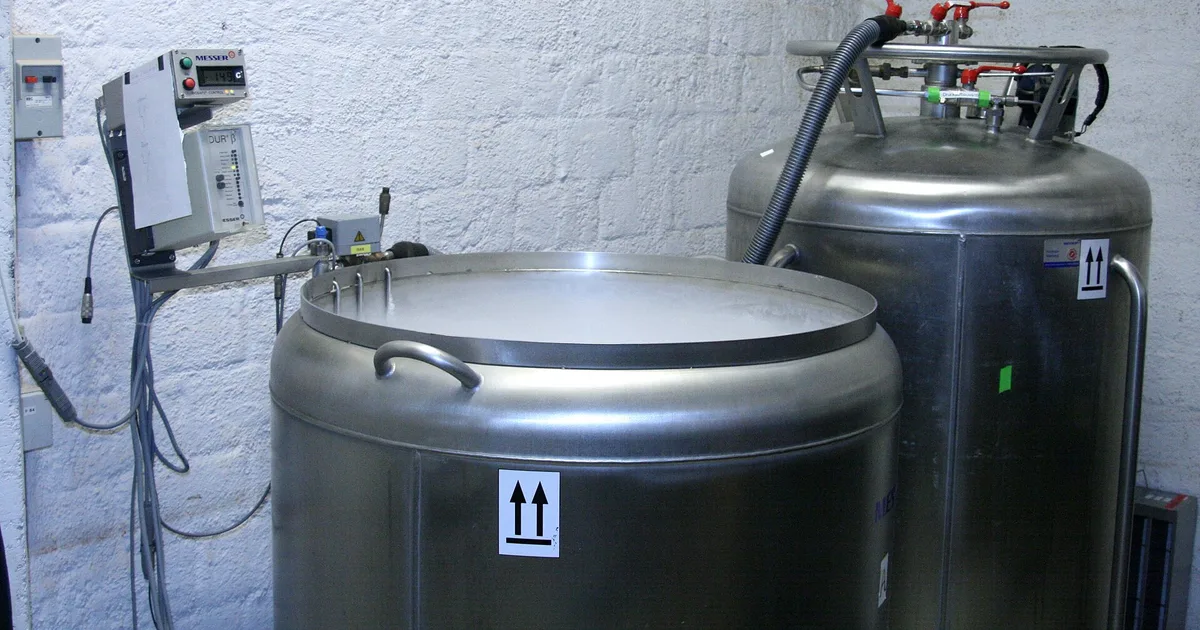
- Egg and embryo freezing, sperm freezing, and on-site cryostorage, including preservation for patients facing chemotherapy or radiation
- Donor eggs and donor sperm, and matching for patients who need gametes from another person
- Gestational carrier programs: screening and coordination for patients who need someone else to carry the pregnancy
- LGBTQIA+ family building: reciprocal IVF, donor sperm and donor egg paths, and preservation before gender-affirming treatment. The practice’s materials describe this office as a transgender-safe space
- Fertility testing: ovarian reserve and hormone panels, uterine evaluation including ultrasound and hysterosalpingogram, and semen analysis covering count, motility, morphology and concentration
- Diagnosis-led care for recurrent pregnancy loss, PCOS, diminished ovarian reserve and endometriosis-associated infertility
- Telehealth for consultation, result review and cycle teaching visits
Fees & Packages
The one figure CCRM publishes in the material reviewed here is its IVF cycle estimate: an average of $15,000-$27,000, covering bloodwork, monitoring, egg retrieval, fertilization, embryo culture, cryopreservation, biopsy, PGT-A testing and the frozen embryo transfer. Medications, anesthesia, testing and storage sit outside that range, and the clinic labels the figure an average subject to change.
That bundling matters when you compare quotes. Many US clinics bill PGT-A per embryo on top of a cycle fee and charge the frozen transfer separately; CCRM’s published range includes the biopsy, the PGT-A and the transfer. Check what your own written estimate includes line by line.
There is no published price list for the rest. IUI, donor egg and donor sperm cycles, gestational carrier programs, PGT-M, and annual cryostorage fees are not quoted in the material reviewed here, so none are estimated on this page. Request a written estimate for your own protocol before medications start.
Insurance is settled at the financial counselor step rather than at the front desk. That office verifies benefits, applies any self-pay discount, and lays out the Future Family financing option, which packages clinic procedures, laboratory work, medications and storage into one fixed monthly payment. The material reviewed here does not name which plans this office contracts with.
Patient Journey
- Book a first appointment, in person or by telehealth. The physician takes your medical and reproductive history and, in the clinic’s own framing, your family-building goals
- Complete the patient paperwork — records, consents and prior cycle or operative notes if you have treatment history elsewhere
- Meet the support team who will run the cycle around your physician: nurse practitioner, laboratory and financial staff
- Financial review before treatment: benefits verification, self-pay discounts and the monthly financing option, so pricing is settled before medications are ordered
- Testing: hormone and ovarian reserve bloodwork, uterine imaging, and semen analysis, which set the protocol rather than confirming one chosen in advance
- Stimulation and monitoring: daily injectable medications with bloodwork and transvaginal ultrasound, from 7:00 AM on weekdays, with weekend and holiday scan slots by arrangement
- Retrieval and fertilization: an outpatient procedure once follicles are mature, then conventional insemination or ICSI in the laboratory and culture to day 5-6
- Biopsy, transfer and storage: embryos destined for PGT are biopsied and tested at CCRM Genetics, then either transferred fresh or vitrified for a frozen single embryo transfer in a later cycle. Remaining eggs, embryos or sperm stay in cryostorage at the practice
Local Legal Framework
Virginia regulates assisted reproduction facilities through the state health department, and clinic licensing and laboratory standards sit under that oversight rather than under one consolidated ART statute. The material reviewed for this page does not name the Virginia code sections covering these arrangements, so this section states only what the sources support and flags what to verify with counsel.
Donor gametes and carriers. Egg donation, sperm donation and gestational carrier agreements are permitted in Virginia and are performed at this practice, under written agreements between the parties. Parentage for intended parents — particularly where a donor gamete or a gestational carrier is involved — is a legal question, not a clinical one, and it should be handled by a Virginia reproductive-law attorney before a cycle starts rather than after a birth.
Genetic testing. PGT-A, PGT-M and PGT-SR are offered here as standard options in an IVF cycle, with informed consent as the governing requirement in the material reviewed.
Third-party arrangements at this clinic. CCRM states that it operates as a managed service organization and that medical care is delivered by independently licensed healthcare professionals. That separation of business management from clinical practice is worth understanding when you ask who holds your embryos and who signs your consent forms.
Data and standards. As a SART member, the practice reports cycle outcomes to SART and the CDC, which is why the Virginia age-band tables above exist in public and can be checked against the clinic report for the reporting year.
Reporting unit. Because SART registers CCRM’s Virginia offices together, the published outcome figures describe that registration rather than Vienna alone. If you are comparing this office with another clinic on a per-retrieval basis, confirm that both sides of the comparison use the same reporting unit.
Location
- Address: 8010 Towers Crescent Dr 5th Floor, Vienna, VA 22182
- Phone: (571) 789-2100