'%20d='m0%200%2016%2011h61%2061%2061%2061%2060L47%2037h61%2061%2060%2061L16%2063h61%2061%2061%2061%2060L47%2089h61%2061%2060%2061L16%20115h61%2061%2061%2061%2060L47%20141h61%2061%2060%2061L16%20166h61%2061%2061%2061%2060L47%20192h61%2061%2060%2061L16%20218h61%2061%2061%2061%2060z'/%3e%3c/svg%3e)
About Gen 5 Fertility Center
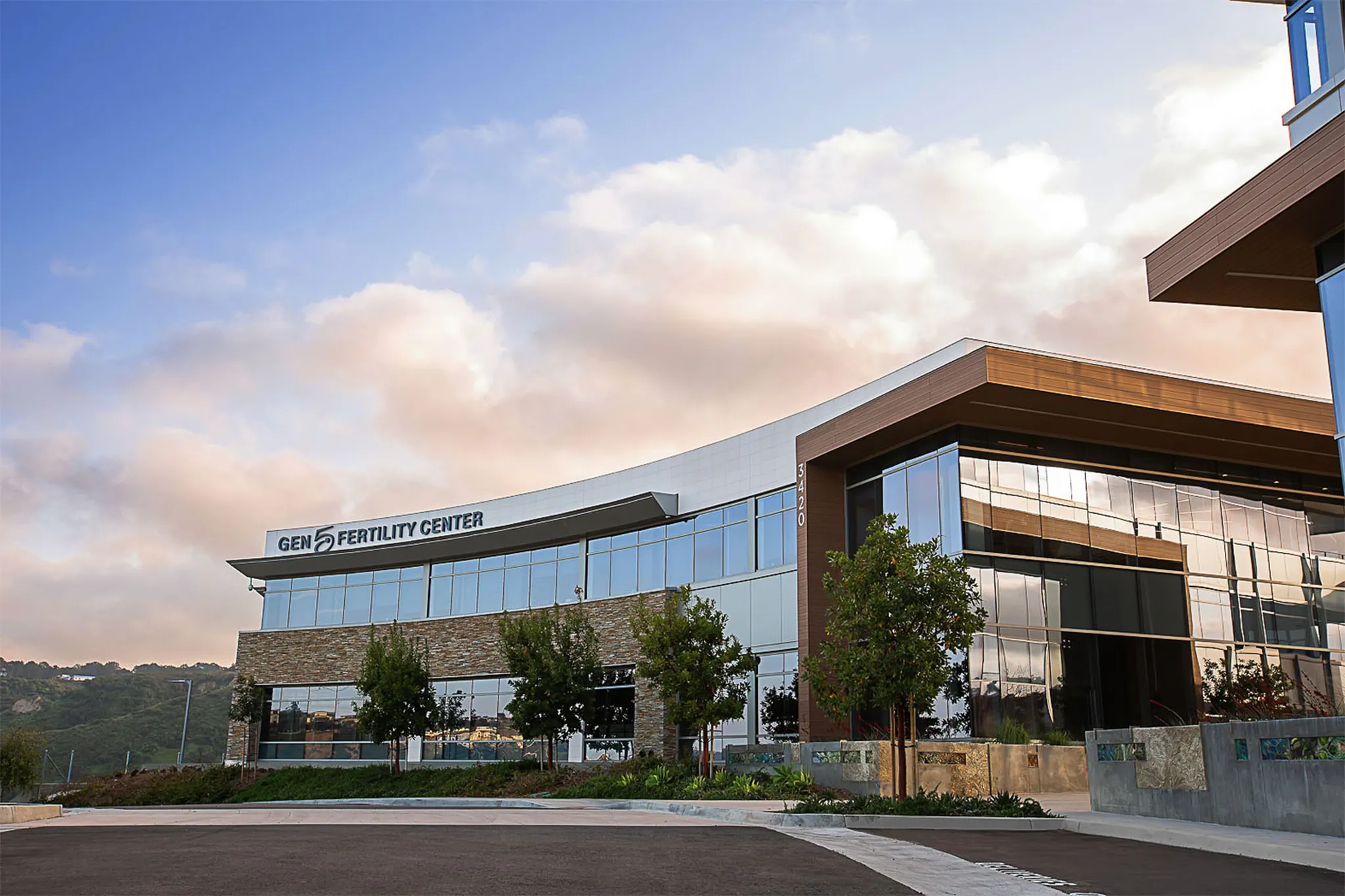
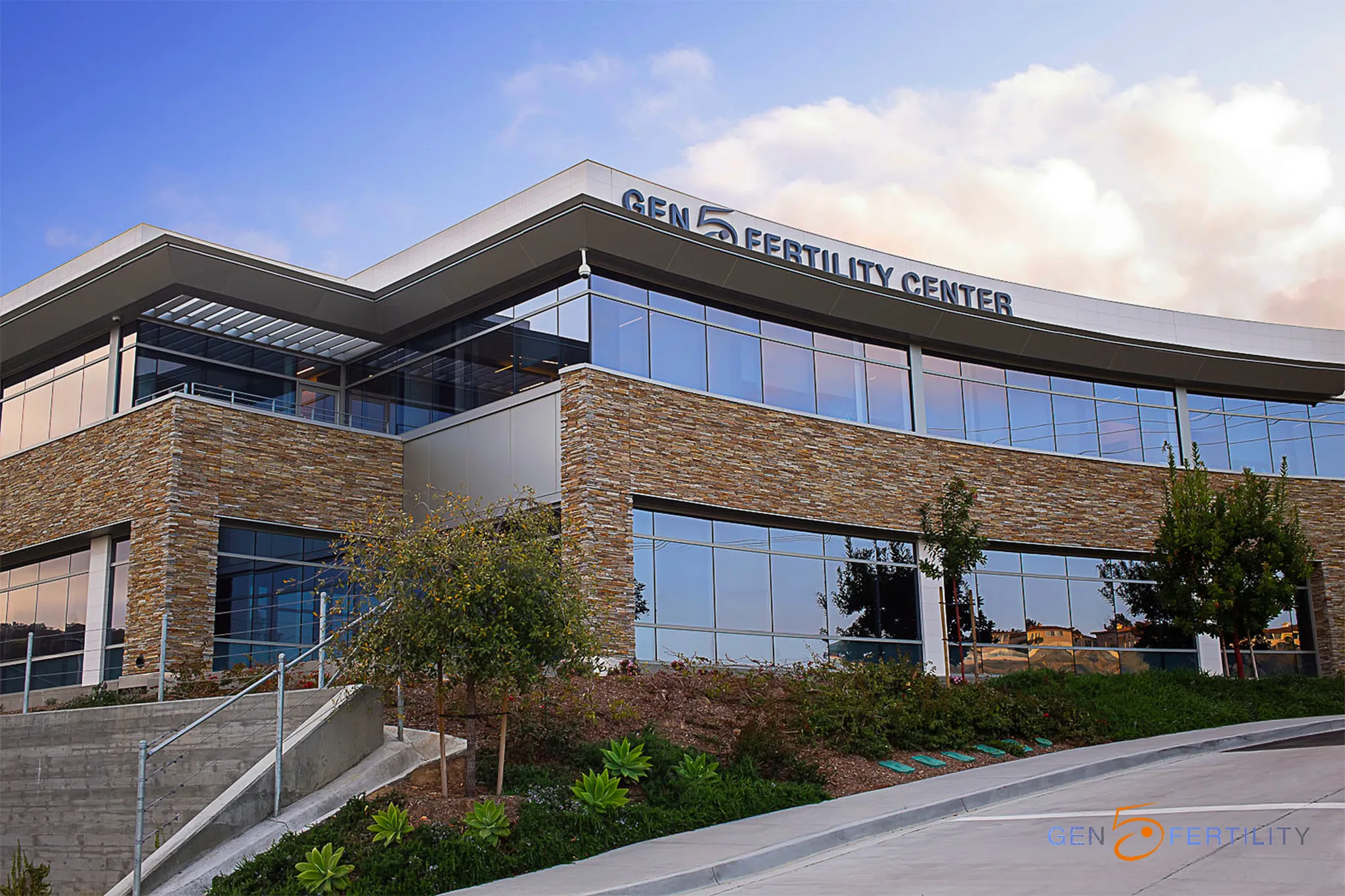
Gen 5 Fertility Center is a single-office fertility practice in the Carmel Mountain Road corridor of San Diego, California, listed as established in 2018 in this page’s directory record, and it has built its identity around one hard case mix: patients over 35 who have been told their egg reserve, egg quality or IVF odds are poor. Ovarian rejuvenation — intra-ovarian injection of platelet-rich plasma and its derived products — is the clinic’s signature offering and takes up more space on its website than any other service. Conventional care sits alongside it: IVF with ICSI, IUI with ovulation induction, egg, embryo and sperm freezing, donor eggs, gestational carriers, and LGBTQ+ family building including co-IVF and split insemination. The staff page lists three physicians, two laboratory directors and one nurse practitioner. Review data logged for this clinic averages 4.6 out of 5 across 156 ratings.
What the registry data shows. In the CDC’s 2022 ART clinic reporting (NASS), Gen 5 recorded 582 egg-retrieval cycles, with live birth rates per retrieval of 9.8% under 35, 2.9% at 35-37, 3.6% at 38-40 and 1.1% over 40. Those are far below the national ART figures in the comparison row on this page, and we are not going to dress that up. The case-mix note filed with that registry query explains most of the distance: more than half of those 582 cycles were fertility preservation — egg or embryo banking — rather than treatment aimed at a pregnancy in that cycle, and 54% of the patients treated were over 40. Both patterns push per-retrieval live birth numbers down. A frozen egg, by definition, yields no baby in the cycle it was collected; an egg retrieved from a 44-year-old patient has low odds regardless of who performs the retrieval.
Read the comparison carefully. The clinic row above is CDC NASS 2022. The national row is the SART 2023 national summary. Different registry, different reporting year, and different cycle denominators — the two lines are not a like-for-like measure of the same thing, and nothing on this page should be read as a valid multiple or percentage between them. The same caution applies to the national cycle-volume figure of 873 shown in the data block, which is a cross-registry yardstick rather than a same-year peer average. When a clinic shows you a success number, ask three questions: which registry, which year, and per retrieval or per transfer? Gen 5’s own website publishes no SART or CDC outcome page and links to no clinic record; the figures quoted here come from the federal registry, not from the clinic.
Gen 5’s site makes no numeric outcome claim at all. Its mission statement promises “better service and higher success rates,” and that is the extent of it. The clinic does describe itself as “the first and still the only IVF clinic in the United States” focused on platelet-based ovarian therapies — the clinic’s own words, not a finding of this page. On the record we do have, Gen 5 is best read as a small, founder-led center taking on low-reserve and preservation cases that many programs decline, with results you can verify only through the CDC row above.
Accreditations & Awards
- No clinic-level accreditation is documented. The website footer carries no CAP, CLIA, JCI or SART mark, and our research found no certificate or clinic record on file for the practice. Every US clinical laboratory, including an ART lab, must operate under federal CLIA certification, but no certificate number for this clinic appears in our sources.
- Individual laboratory credentials: HCLD/CC(ABB) for Samuel Wood, HCLD(ABB) for IVF laboratory director Catharine Adams, and TS(ABB) technical supervisor for assistant laboratory director Molly Chen-Chu, all issued by the American Board of Bioanalysts. These are personal personnel credentials, not endorsement of the clinic.
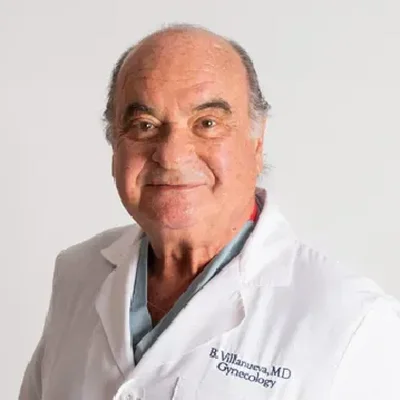
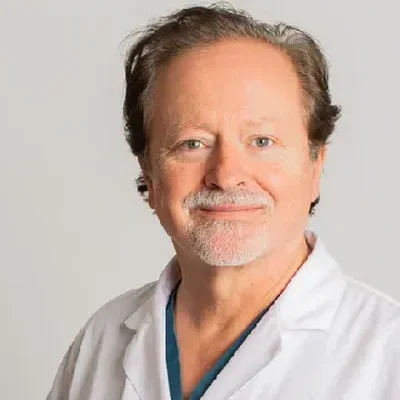
- Physician credentials: Samuel Wood is listed as FACOG and as board-certified in obstetrics and gynecology and in reproductive endocrinology and infertility; Benito Villanueva is listed as FACOG; Martin Bastuba is a board-certified urologist and Fellow of the American College of Surgeons.
- Published research: the clinic’s research page lists 15 clinic-authored papers from 2016 through 2023, nearly all of them jointly by Samuel Wood and Edward Sills, on intra-ovarian platelet-rich plasma and enriched platelet factors.
- Ratings and directory listings carried in the clinic’s own physician biographies: U.S. News & World Report “Top Doctor,” SuperDoctors “Super Doctor,” Avvo 9.8 (“Superb”), Vitals 4 of 4 stars, San Diego Magazine “50 People to Watch,” San Diego Metropolitan “Men who Impact San Diego,” and three Marquis Who’s Who volumes. These are directory and rating-site entries, not independent clinical accreditation.
Why Choose Gen 5 Fertility Center
- The ovarian rejuvenation program is the clinic’s headline offer. Generation 1 through Generation 4 protocols — autologous PRP, enriched platelet factors including EnPLAF, ULTRA and ULTIMATE — are injected into ovarian tissue under transvaginal ultrasound guidance, usually without anesthesia. Treat it as the clinic’s own offering, not as established practice: the clinic’s own pages call PRP “a relatively new procedure,” say response occurs in “a variable percentage of women,” and describe the goal as improvement that “may” raise the chance of pregnancy. Our sources document no outcome data for these programs — the CDC 2022 row covers the clinic’s overall cycles, not its rejuvenation cohorts. What is documented: staff “worked on the first registered ‘Ovarian Rejuvenation’ human research study in the United States, as listed with ClinicalTrials.gov,” and the clinic reports hundreds of injections performed “with no adverse events or complications” — its own report, unverified.
- One physician holds both the clinical and the laboratory credential. Wood is a board-certified reproductive endocrinologist who also carries a certified high complexity laboratory director credential; in practice that means the person setting your stimulation protocol is qualified to run the bench where your eggs are assessed and frozen.
- PGT-A is sent out, and single embryo transfer is the default. The clinic’s own IVF page says biopsy samples go to an outside reproductive genetics laboratory, so ask who reads your result and what the turnaround is. The same page states that Gen 5 “typically transfers only one embryo” to avoid high-order multiples, with remaining euploid embryos frozen.
- Third-party reproduction is arranged through named partners: YourEggs, described by the clinic as one of the world’s largest donor egg banks, A Perfect Match for academically screened donors, and Great Beginnings Surrogacy Services for gestational carriers.
- Published discount policy. The clinic does state who gets a reduction: 10% for veterans and active or retired military, 5% for educators, 20% for oncology patients and their partners through the LiveStrong partnership, 5-10% for returning cash-package patients, and reduced per-cycle pricing on 2- or 3-cycle plans.
- A realistic word on scale. This is a one-office practice with 582 retrieval cycles in the CDC 2022 reporting year and no published laboratory specifications — no documented time-lapse culture, no stated in-house PGT platform, no published anesthesia staffing details. If those matter to you, ask before you book.
- Language access, stated precisely. This page’s record lists English, Mandarin and Spanish. Spanish is documented at the physician level: Benito Villanueva is licensed in both the United States and Mexico and consults in Spanish. The Chinese-language support our sources can actually point to is patient reviews naming the same coordinators repeatedly — Fan, Jean, Luna, Jinger, Mary — rather than a published interpreter roster. Ask who your point of contact is before a cycle, not during one.
IVF & Fertility Services
- IVF with ICSI: stimulation, transvaginal retrieval, conventional insemination or single-sperm injection, blastocyst culture to day 5-6, fresh or frozen transfer. The clinic reports an average of 8-10 eggs retrieved per cycle.
- Mini-IVF and integrative cycles: the clinic’s practice blog advertises “Mini IVF and Integrative Fertility Treatments at Gen 5 Fertility”; our sources do not describe the protocol or who it suits.
- Ovarian rejuvenation: PRP, enriched platelet factors (EnPLAF), ULTRA and ULTIMATE intra-ovarian protocols, offered before or alongside stimulation for diminished reserve, low AMH, high FSH, premature ovarian insufficiency or repeated failed cycles. This is the clinic’s own protocol family and our sources document no outcome data for it — see the caveat under Why Choose above.
- IUI with ovulation induction: letrozole or clomiphene, sometimes injectables, ultrasound monitoring of one to three developing follicles, with natural or triggered ovulation.
- Fertility preservation: egg, embryo and sperm freezing, including pre-transition preservation for transgender patients and banking for oncology patients, who receive a 20% discount through the LiveStrong partnership. The clinic runs an installment plan covering an egg-freezing cycle plus five years of storage.
- Donor eggs and sperm, and gestational carriers: coordinated with YourEggs, A Perfect Match and Great Beginnings Surrogacy Services.
- LGBTQ+ family building: donor-sperm IUI and IVF for female couples and single parents, co-IVF (one partner provides eggs, the other carries), split insemination, and egg, sperm or embryo freezing ahead of transition.
- Genetic screening: PGT-A on blastocysts, with biopsy samples sent to an external reproductive genetics laboratory.
- Diagnostics: semen analysis, hormone panels, transvaginal ultrasound, saline and contrast ultrasound of the tubes (FemVue HSG), hysteroscopy and diagnostic laparoscopy for endometriosis, fibroids and tubal blockage.
- Male fertility: evaluation by a board-certified urologist, vasectomy reversal and repeat reversal, surgical sperm retrieval, and andrology laboratory services through the affiliated cryobank.
Fees & Packages
There is no published price list. What the clinic does document is how money is arranged rather than how much it costs.
- Global cash packages. For patients without infertility coverage, Gen 5 quotes a single fee for a selected treatment plan, stated to cover all services in that plan “so you know, upfront, before you begin, what your costs will be.” Get that scope in writing, and ask explicitly which items sit outside it: monitoring visits, anesthesia, ICSI, PGT-A biopsy per embryo, freezing, and annual storage.
- Discounts (not combinable): 10% veterans, active duty and retired military; 5% educators; 20% oncology patients and their spouse or partner via LiveStrong; 5-10% returning cash-package patients; additional reductions for uninsured patients who meet income guidelines; lower per-cycle pricing on 2- or 3-cycle IVF plans. The clinic reserves the final decision on eligibility, so eligibility and applicable fees are Gen 5’s to define.
- Financing: monthly installment plans through PatientFi, Ally Finance, CapexMD, United Credit and Future Family, covering treatment, ovarian rejuvenation and PGT.
- Insurance: Gen 5 is an in-network provider with Blue Shield, Blue Cross, Aetna, Cigna and HealthNet, and states that it facilitates billing and reimbursement for out-of-network benefits. Whether your plan pays for anything depends on your employer’s group benefits, so get the covered diagnosis codes in writing from the insurer before a cycle starts.
- Payment methods: cash, debit, credit, money order, wire transfer.
Patient Journey
- Consultation and pre-IVF evaluation — records review, hormone panels, antral follicle count and semen analysis. International patients start with a remote consultation, then travel to San Diego for the cycle itself.
- Cycle planning and cost quote — a financial coordinator reviews coverage, package pricing and financing before treatment begins.
- Optional ovarian rejuvenation step — for poor-reserve patients, an intra-ovarian platelet injection before stimulation, described as near-painless and usually done without anesthesia.
- Stimulation and monitoring — daily injections for roughly 10 days, with repeated ultrasounds and hormone blood tests at the clinic; dosing adjusted as follicles grow; final hCG trigger.
- Retrieval — about 36 hours after the trigger, taking 10-15 minutes. Gen 5’s pages describe the sedation level two different ways (“sedate you” for IVF retrieval, “gentle anesthesia through your IV” for egg freezing), so ask what is actually given and whether you need an escort home. Average yield is 8-10 eggs; most patients leave within an hour and return to normal activity the next day.
- Fertilization and culture — ICSI or conventional insemination, then 5-6 days of culture to the blastocyst stage. For PGT-A, trophectoderm biopsy samples go to an outside genetics lab and embryos are frozen while results come back.
- Transfer and pregnancy test — the uterus is prepared with medication, a single embryo is transferred, and a blood test follows roughly two weeks later. Consultation to pregnancy test generally runs 6-8 weeks.
Office hours are Monday to Friday, 7:30 AM to 4:00 PM, closed weekends — worth checking against your monitoring needs, since stimulated cycles often require early-morning or repeat scans, and this practice does not document weekend monitoring.
Local Legal Framework
California’s assisted reproduction rules are written into the California Family Code, and this clinic’s third-party programs — donor eggs through YourEggs and A Perfect Match, gestational carriers through Great Beginnings Surrogacy Services — operate inside that framework. These are the provisions our sources support; the clinic itself does not publish a legal page, so confirm the current text and your own situation with an independent California family-law attorney.
- Gestational carriers. Our sources cite California Family Code sections 7960-7962, enacted through AB 1217 in 2012, for the position that gestational carrier arrangements are lawful in California and that intended parents may obtain a court order establishing parentage, including before the birth. The specific statutory conditions — what the agreement must contain, and when it must be signed — are not reproduced in our sources.
- Egg and sperm donation. Under California Family Code section 7613 as cited by our sources, a donor is not a legal parent of a child conceived from the donation, and written agreements are what secure the intended parents’ position.
- PGT. No California statute limits PGT-A or PGT-M. The controls are clinical: informed consent and CLIA laboratory standards, and this clinic sends biopsy samples to an outside genetics laboratory.
- LGBTQ+ parents. Our sources cite Family Code section 3013 and state that California allows pre-birth parentage orders for same-sex couples and second-parent adoption; nothing in the California law documented here restricts access to treatment by marital status or sexual orientation.
- Embryo status. Our sources state that California does not treat embryos as legal persons and name no statute for that conclusion. They document nothing on embryo storage or disposition rules, so read the clinic’s embryo agreement before retrieval and ask what happens to unused embryos.
- What our sources do not cover. Egg-compensation limits, the clinic’s own state laboratory license number, and how parentage orders work for patients who are unmarried or who return to another country before the birth. Ask the clinic to answer those in writing.
Location
- Address: 3420 Carmel Mountain Rd, Suite 200, San Diego, CA 92121
- Phone: (858) 267-4365