'%20d='m0%200%2016%2011h61%2061%2061%2061%2060L47%2037h61%2061%2060%2061L16%2063h61%2061%2061%2061%2060L47%2089h61%2061%2060%2061L16%20115h61%2061%2061%2061%2060L47%20141h61%2061%2060%2061L16%20166h61%2061%2061%2061%2060L47%20192h61%2061%2060%2061L16%20218h61%2061%2061%2061%2060z'/%3e%3c/svg%3e)

About San Diego Fertility Center
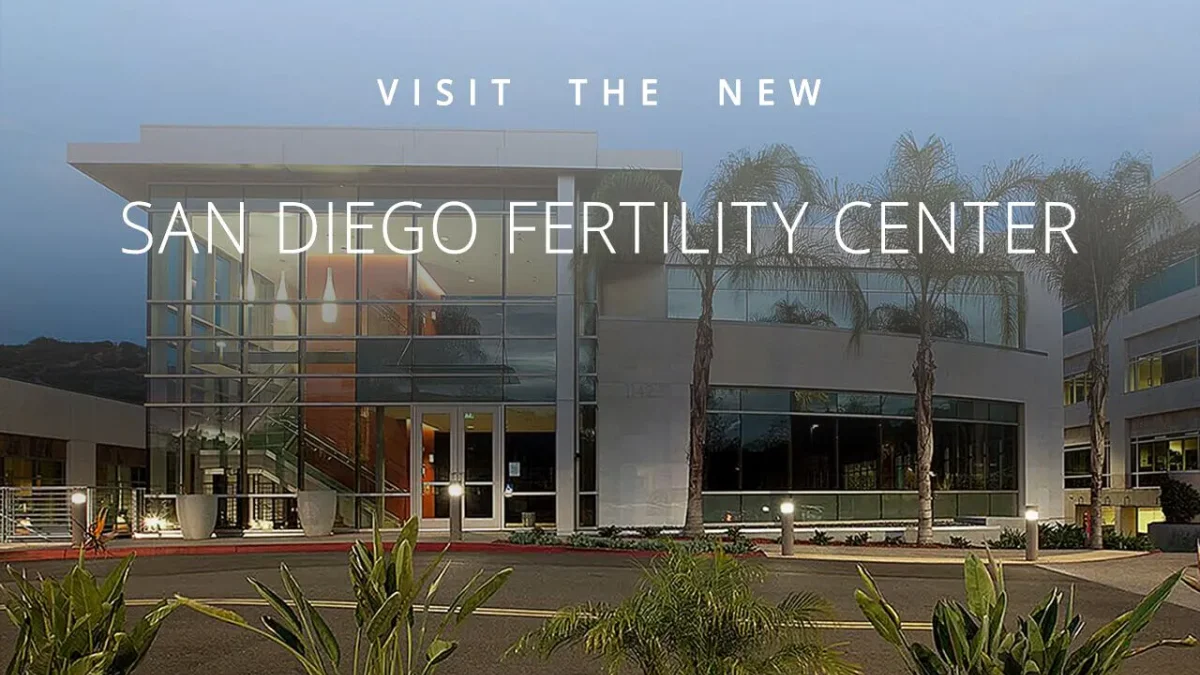
San Diego Fertility Center (SDFC) has handled infertility care in San Diego since 1989. Three offices carry laboratory services: Del Mar on El Camino Real, about 25 minutes from San Diego International Airport; Mission Valley in the Rio San Diego medical complex, about 15 minutes from the airport; and Temecula Valley in Riverside County. SART’s 2023 record for this clinic lists 2,336 cycles, roughly two and a half times the national per-clinic average of 932 recorded that year. SDFC sits inside the Ivy Fertility group; the separate Celenova brand listed in the site navigation, based in Rancho Santa Margarita, is not one of these three offices. Copy on the clinic’s own Chinese Fertility Program page still says the practice is “not affiliated with a larger institution” and markets that independence, which the Ivy Fertility branding in the same site’s navigation contradicts — read it as stale marketing copy, not as a description of who owns the clinic today.
The outcome table SDFC publishes is SART’s 2023 final data for live births per intended egg retrieval, counting all embryo transfers from that retrieval, for patients using their own eggs: 57.7% under 35 against a 51.5% national figure, 55.7% at 35-37 against 38.9%, 45.8% at 38-40 against 25.4%, and 15.0% at 41-42 against 12.8%. The “more than 40% above the national average” line on its IVF page is the relative version of the 35-37 row (55.7 vs 38.9, a gap of close to 17 percentage points). Three things are worth noticing before you quote that headline. First, the clinic’s margin over the national average is wide at 35-40 and thin at 41-42 — 15.0 vs 12.8 is a couple of points, and both numbers sit in a band where no program does well. Second, the national column in that chart is the clinic’s own choice of benchmark, and it runs below the figures SART’s 2023 national summary reports on the same measure (53.2% under 35, 39.9% at 35-37, 26.2% at 38-40) — the same rows this site carries for other clinics. Measured against the registry rather than the chart, SDFC still leads under 35 and at 38-40, but the 35-37 gap narrows from 17 points to about 16 and the under-35 gap closes from 6.2 to 4.5 points. Third, the published chart gives percentages only; the number of retrievals behind each age band, and the clinic’s separate fresh-transfer and thawed-transfer lines, are not in the record collected here. Those are in the SART Clinic Summary Report for registration 2143, and that is the document to read before comparing SDFC with another clinic.
Everything cumulative on the website is clinic self-reported, and there is no independent way to audit it: more than 20,000 babies born since 1989, over 700 IUIs a year, over 950 gestational carrier transfers a year, more than half of patients coming from outside the United States, and 98% of surveyed patients agreeing the center “felt inclusive and accepting.” A separate group of numbers on the treatment pages are general counseling statistics rather than SDFC results — PGT described as “over 98% accurate,” donor-egg success “3 to 10 times higher” than own-egg IVF, and up to a “70% chance” of a healthy pregnancy after three miscarriages. Those describe what the technologies can do in general, not what happened to this clinic’s patients.
The Google aggregate shown here is 4.4 across 310 ratings, which is a usable read on scheduling, staff and front-desk experience rather than on clinical programs.
Accreditations & Awards
- SART member clinic under registration 2143, reporting cycle outcomes to SART and the CDC. That reporting is the reason age-band numbers exist publicly for SDFC at all.
- CAP-accredited embryology laboratory — stated by the clinic, not verifiable through a public lookup here. CAP accreditation governs how eggs, sperm and embryos are handled, stored and witnessed; it is the accreditation that matters most to an IVF patient.
- CLIA federal laboratory requirements, cited by the clinic as the standard behind its donor infectious-disease screening alongside California rules.
- First clinic in San Diego to offer preimplantation genetic testing, per the clinic’s own laboratory page. A historical claim, not a current capability ranking.
- Newsweek “America’s Best Fertility Clinics” 2023-2026, and a 2024 banner calling SDFC the number-one fertility clinic in California. SDFC itself prints the caveat under that banner: rankings vary by ranking metric, patient medical characteristics, treatment approach and clinic entry criteria for ART. Newsweek is a commercial ranking, not an accreditation.
- San Diego Magazine “Best Fertility Clinic” 2023-2024 and Modern Luxury “San Diego’s Best Fertility Clinic” 2025 — magazine awards.
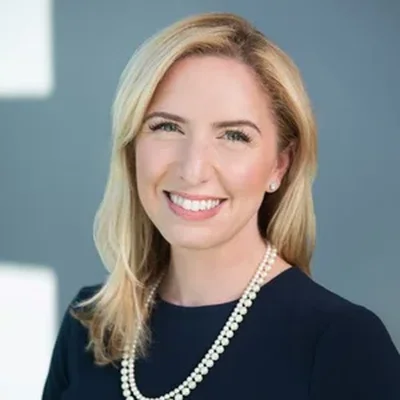
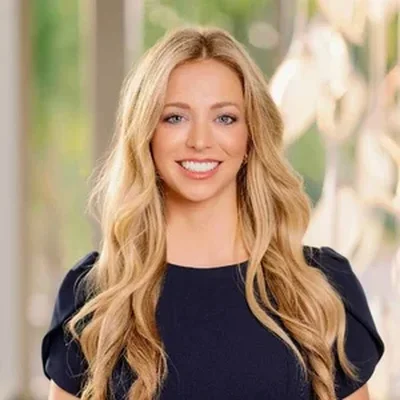
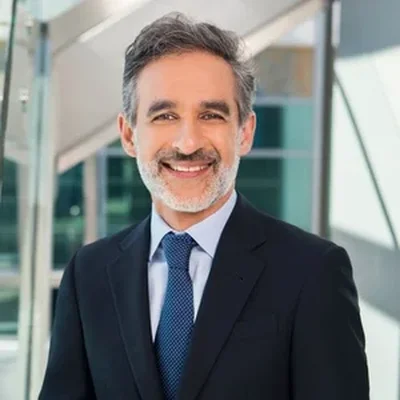
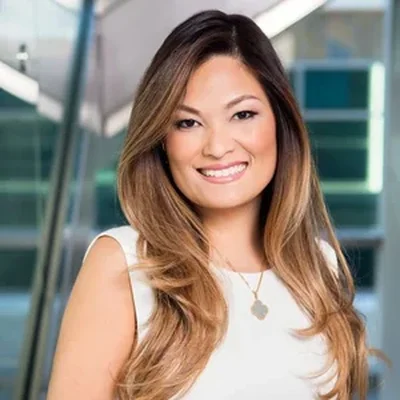
- Physician-level honors, awarded to individuals rather than to the clinic: San Diego Magazine “Top Fertility Doctor” for Dr. Brooke Friedman (2016-2019, 2021-2023, 2025, 2026) and Dr. Susanna J. Park (2019-2025), Dr. Said Daneshmand (2025); Castle Connolly “Top Doctor” for Dr. Sandy Chuan (2017-2026). Castle Connolly and San Diego Magazine lists are peer-nominated commercial rankings.
- Not held: no Joint Commission International (JCI) hospital accreditation appears in the collected research. Do not read CAP or CLIA as international hospital accreditation — they are US laboratory programs.
Why Choose San Diego Fertility Center
- Cycle volume you can check: 2,336 cycles in the 2023 SART record versus a national per-clinic average of 932. Embryology teams and monitoring nurses improve with repetition, and this is one of the few SDFC claims that a patient can verify independently.
- A CAP-accredited lab in the building, with the genetics sent out: eggs are retrieved, fertilized by ICSI and grown to day 5-7 in SDFC’s own lab, and its embryologists do the trophectoderm biopsy. The biopsy sample then goes to a PGT laboratory for analysis, as the clinic’s own genetic-testing page states. Ask which genetics lab handles your sample and what the turnaround is.
- Freeze-first is the default recommendation here: SDFC physicians commonly advise cryopreserving all viable embryos and doing a frozen transfer rather than a fresh one, which fits the practice of growing embryos to day 7 before deciding.
- Retrievals under general anesthesia: the clinic puts patients to sleep for the roughly 15-minute retrieval rather than using light sedation only, with one to two days of recovery afterward. Worth asking about if you have had a prior retrieval experience you want to compare.
- A published low-intervention protocol: Gentle IVF replaces the daily injectable ovulation-suppression medication with an oral agent while still using injectable stimulation. Fewer injections, fewer monitoring visits and lower medication cost follow; the clinic states comparable pregnancy and live birth rates and positions the protocol for patients with diminished ovarian reserve. The claim of equivalent outcomes comes from SDFC’s page, not from its SART table.
- Third-party reproduction is a core service, not an add-on: an in-house egg donor program the clinic says it has run for more than 20 years, donors aged 20-30 screened by application, in-person interview, medical history and exam, infectious-disease testing under California and FDA requirements, psychological assessment and genetic counseling. On the carrier side, SDFC says it works with a set of established surrogacy agencies and reports more than 950 gestational carrier transfers annually.
- Language coverage that matches an international referral base: the clinic’s Mandarin program is built around Dr. Sandy Chuan, who sees patients in Mandarin; Dr. Park consults in English, Korean and Spanish; Dr. Daneshmand adds French, Spanish and Farsi. Dr. Daneshmand’s own practice profile reports patients traveling from more than 40 countries in 2018 alone — that figure is attributed to him, not to the center; the center states separately that over half of its patients come from outside the United States.
- Published prices and named financing partners, in a market where most clinics give neither — see the fees section below.
- What SDFC does not publish: an elective single-embryo transfer rate, time-lapse culture (no EmbryoScope or equivalent is named in the collected material), which PGT laboratory runs its samples, outcome figures split by campus or by physician, medication prices, cycle-start waiting time, and monitoring hours for the Del Mar and Mission Valley offices. Treat each as a question for the consultation.
IVF & Fertility Services
- In Vitro Fertilization (IVF): about two weeks of hormonal stimulation with monitoring, sometimes with birth control used first to time the cycle; sedated transvaginal retrieval in roughly 15 minutes; embryo culture observed for 5-7 days; transfer by catheter through the cervix with no anesthesia; pregnancy test 10-12 days later.
- Gentle IVF: oral medication instead of injectable ovulation suppression, with fewer monitoring appointments and lower medication exposure; the clinic reports comparable fertilization, embryo development and live birth rates to its standard protocols.
- ICSI (Intracytoplasmic Sperm Injection): SDFC describes injecting sperm directly into each egg as its fertilization step, with partner or donor sperm used fresh or thawed and washed the same day.
- IUI (Intrauterine Insemination): about 20 minutes, no sedation, scheduled within two days of ovulation after up to a month of cycle monitoring; offered for unexplained infertility, mild male factor, endometriosis, ovulatory or cervical issues, and for single patients and lesbian couples using donor sperm. The clinic reports more than 700 IUIs a year.
- PGT-A, PGT-M and PGT-SR: day 5-6 biopsy at the blastocyst stage by the clinic’s embryologists, with samples analyzed at a PGT laboratory — chromosome-number screening, single-gene disease testing for carrier couples, and structural rearrangement screening. Sex determination is available where a sex-linked risk applies.
- Egg freezing: 10-14 days of stimulation, retrieval scheduled 12-16 days after medications start, mature eggs frozen by vitrification, with patient access to frozen-egg records. The clinic recommends freezing before 40, with the late 20s to late 30s as the usual window, and takes referrals directly from oncologists for medical preservation.
- Donor egg IVF: the in-house donor program described above, plus referrals to partner egg donation centers, for patients with diminished egg supply, primary ovarian insufficiency, premature ovarian failure, genetic disease risk, or repeated own-egg failures, and for gay male couples and single men alongside a carrier.
- Gestational carrier programs: agency-matched or independently chosen carriers, with screening and legal contracts in place before a cycle is booked; lining preparation and transfer for the carrier, hormonal support through the first trimester, and shared monitoring of the pregnancy afterward.
- LGBTQ+ family building: diagnostic workup first for female couples (hormone bloodwork on egg quantity and quality, genetic carrier screening, hysterosalpingogram, ovulation-tracking ultrasound), then natural-cycle or medicated IUI or IVF with donor sperm from a known source or a bank the clinic works with; donor egg plus carrier for male couples, with a nurse assigned to coordinate the match; egg, sperm and embryo freezing for transgender patients, ideally consulted before gender-affirming care but at any stage.
- Male infertility: semen analysis at the clinic or a partner laboratory, hormonal treatment where an imbalance is the issue, referral to a reproductive urologist, surgery for problems such as varicocele, and sperm harvesting techniques combined with IVF and ICSI for very low counts.
- Recurrent pregnancy loss: evaluation offered after two or more losses before 20 weeks, working through genetic causes, uterine structural problems such as fibroids, polyps, scar tissue or a septum, progesterone support, thyroid disease, diabetes, immune and clotting disorders, and lifestyle factors; treatment ranges from hormone supplementation and hysteroscopic surgery to IVF with PGT.
- Fertility diagnostics: bloodwork, ultrasound, hysterosalpingogram, genetic carrier screening and infectious-disease testing.
- Telehealth and international coordination: virtual initial consultations, with testing and monitoring in person; travel scheduling and language support for patients from outside the United States.
Fees & Packages
SDFC publishes self-pay ranges. The figures below come from the clinic’s cost page; medication is not broken out, and the page does not state whether the listed amounts include stimulation drugs, so ask for an itemized cycle estimate before you commit.
| Service | Published price (USD) |
|---|---|
| Fertility testing | $350+ |
| IUI | $1,000-$2,000 |
| IVF | $14,000-$18,000+ |
| Frozen embryo transfer cycle | $4,000-$6,000+ |
| Embryo genetic testing (PGT) | $3,000+ |
There is no published price list for medications, donor agency fees, gestational carrier compensation, embryo storage, or the genetic laboratory’s own charges. The clinic states that a surrogacy agency bills separately from SDFC and that its team will coordinate with the agency’s financial staff.
Insurance. SDFC says it works with most major insurers. A new-patient coordinator collects your insurance details before the first visit and verifies benefits; an insurance specialist then reviews your treatment plan after it. The clinic’s own advice is to call your carrier before the consultation to establish what the plan covers, and to note the representative’s name. Elective egg freezing is usually excluded, though it may be covered when a medical treatment threatens fertility.
Packages. Three structures appear on the cost page: discounted cycle packages built as a single global fee paid at the start rather than itemized billing during a cycle; third-party global packages bundling donor egg or gestational carrier services into one up-front figure; and a Success Guarantee Plan that reimburses up to 100% of the cycle fee if you do not reach a pregnancy delivered to term. Refund products are only as strong as their qualifying criteria — check the age limits, diagnosis exclusions, transfer counts and embryo-quality requirements in the contract before treating a bundle as risk-free.
Financing. Three lending partners are named: Sunfish, whose IVF Success Program offers flat-fee pricing with unlimited transfers, 0% APR for the first six months, refund guarantees for qualified patients and a medication price-match promise; CapexMD, patient financing across fertility treatment options; and Future Family, monthly-payment loans.
Patient Journey
- Consultation — with a physician, at Del Mar, Mission Valley or Temecula Valley, or virtually if you are traveling. Goals, medical history and the testing needed for a diagnosis.
- Testing — in person at one of the Southern California offices: bloodwork, ultrasound and semen analysis, with HSG or carrier screening where indicated.
- Diagnosis visit — results reviewed, a working diagnosis, and the treatment plan chosen together. This is the visit to ask about cycle-start wait, monitoring frequency and which campus you will actually be scanned at.
- Financial consultation — the financing team reviews verified insurance benefits, then self-pay packages and loan options, before medications are prescribed.
- Stimulation and monitoring — hormonal medication for roughly two weeks, monitored to time the trigger. Gentle IVF reduces the number of monitoring visits; standard cycles do not.
- Retrieval — ultrasound-guided aspiration under sedation and general anesthesia, about 15 minutes, mild cramping afterward and one to two days of recovery. Side effects such as bloating, distention and constipation typically settle within five to seven days.
- Fertilization and culture — ICSI in the in-house lab, embryos monitored for 5-7 days, biopsy if PGT is elected with the sample shipped to a PGT laboratory, and freezing of all viable embryos commonly recommended for a later transfer.
- Transfer — medication to prepare the uterus, catheter transfer without anesthesia, then a pregnancy test 10-12 days later. A negative test gets a follow-up consultation about the outcome rather than an automatic repeat of the same protocol.
- International patients — virtual consult first, then a cycle calendar built around travel, with Mandarin, Korean, Spanish or French language support and messaging through WeChat or LINE. The clinic states that over half its patients come from outside the United States; import rules for medication and the timing of home monitoring are yours to confirm with the clinic and with your own country’s requirements.
Local Legal Framework
California law is why a clinic in San Diego can offer egg donation and gestational carrier programs to single patients, male and female couples, and international intended parents in ways many US states cannot. The paperwork, not the medicine, decides who ends up a legal parent.
Gestational carriers. California recognizes and enforces gestational carrier agreements, and the state’s parentage provisions — Family Code §7610 through §7962 in the framework this clinic cites — allow intended parents to ask a court to establish parentage before the birth. SDFC’s own surrogacy material is consistent with that practice: a carrier is screened and contracts are signed before a cycle is scheduled. Intended parents who are not genetically related to the embryo, and out-of-state or international parents using a California carrier, should have California reproductive counsel confirm the parentage route before treatment begins.
Egg and sperm donation. California does not prohibit clinical egg or sperm donation, and at this clinic it runs on written informed consent; donors are tested for infectious disease under both California and FDA requirements. Parentage sits with the intended parents rather than the donor: California Family Code §7613 provides that a person who donates eggs, sperm or embryos for a pregnancy achieved through a licensed physician is not treated in law as the mother or father of the resulting child. A citation caution, because you will see this one quoted around California fertility: Health and Safety Code §125355 governs compensation where eggs are collected for research, not clinical donation, so it is not the authority behind ART consent or a donor program like this one. Ask what identifying information your child may be able to obtain later, and get the answer in the agreement rather than in a brochure.
Genetic testing. PGT-A, PGT-M and PGT-SR face no California-specific restriction. They run on standard informed consent and CLIA laboratory standards, which is why the sequencing itself is done by a genetics laboratory and why that laboratory’s reporting turnaround affects your transfer date.
LGBTQ+ families. California’s treatment of same-sex relationships and family status (Family Code §297-297.5) makes donor insemination, donor egg and carrier paths legally workable here for couples and single parents. For a partner who neither gestates nor provides genetic material, parentage still has to be established deliberately under California law rather than assumed from a birth record.
Embryos and stored eggs. California has not settled the legal status of stored embryos, so the disposition agreement you sign when they are created is the controlling document — storage terms, use after separation or divorce, donation, and discard. Read it before signing and revise it when your circumstances change.
Insurance. Nothing in the clinic’s published materials states a California coverage guarantee for IVF itself. Coverage is decided between your plan and the clinic’s verification team, so get an authorization or a denial in writing before medications start.
Location
- Address: 11425 El Camino Real, San Diego, CA 92130 (Del Mar clinic)
- Phone: (858) 794-6363
- Del Mar: 11425 El Camino Real, San Diego, CA 92130 — (858) 794-6363
- Mission Valley: 9095 Rio San Diego Drive, Suite 200, San Diego, CA 92108 — (619) 906-4471
- Temecula Valley: 44274 George Cushman Court, Suite 201, Temecula, CA 92592 — (951) 303-0355
- Temecula Valley hours: Monday to Friday 7:30 am to 4:00 pm, closing at 1:00 pm on Wednesdays; phone hours 8:30 am to 4:00 pm. Published hours for the two San Diego offices were not available in the collected record.