'%20d='m0%200%2016%2011h61%2061%2061%2061%2060L47%2037h61%2061%2060%2061L16%2063h61%2061%2061%2061%2060L47%2089h61%2061%2060%2061L16%20115h61%2061%2061%2061%2060L47%20141h61%2061%2060%2061L16%20166h61%2061%2061%2061%2060L47%20192h61%2061%2060%2061L16%20218h61%2061%2061%2061%2060z'/%3e%3c/svg%3e)

About INCINTA Fertility Center
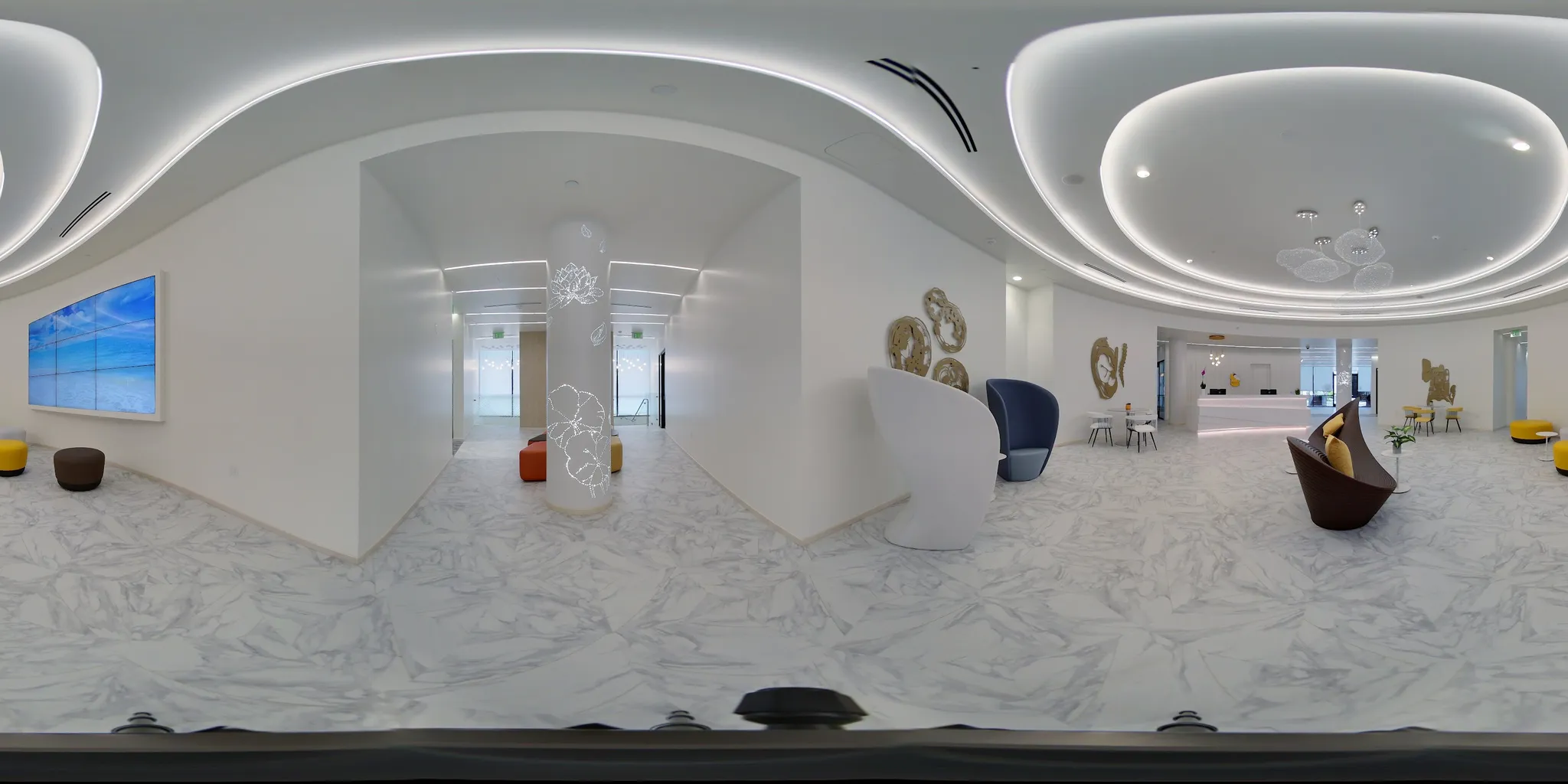
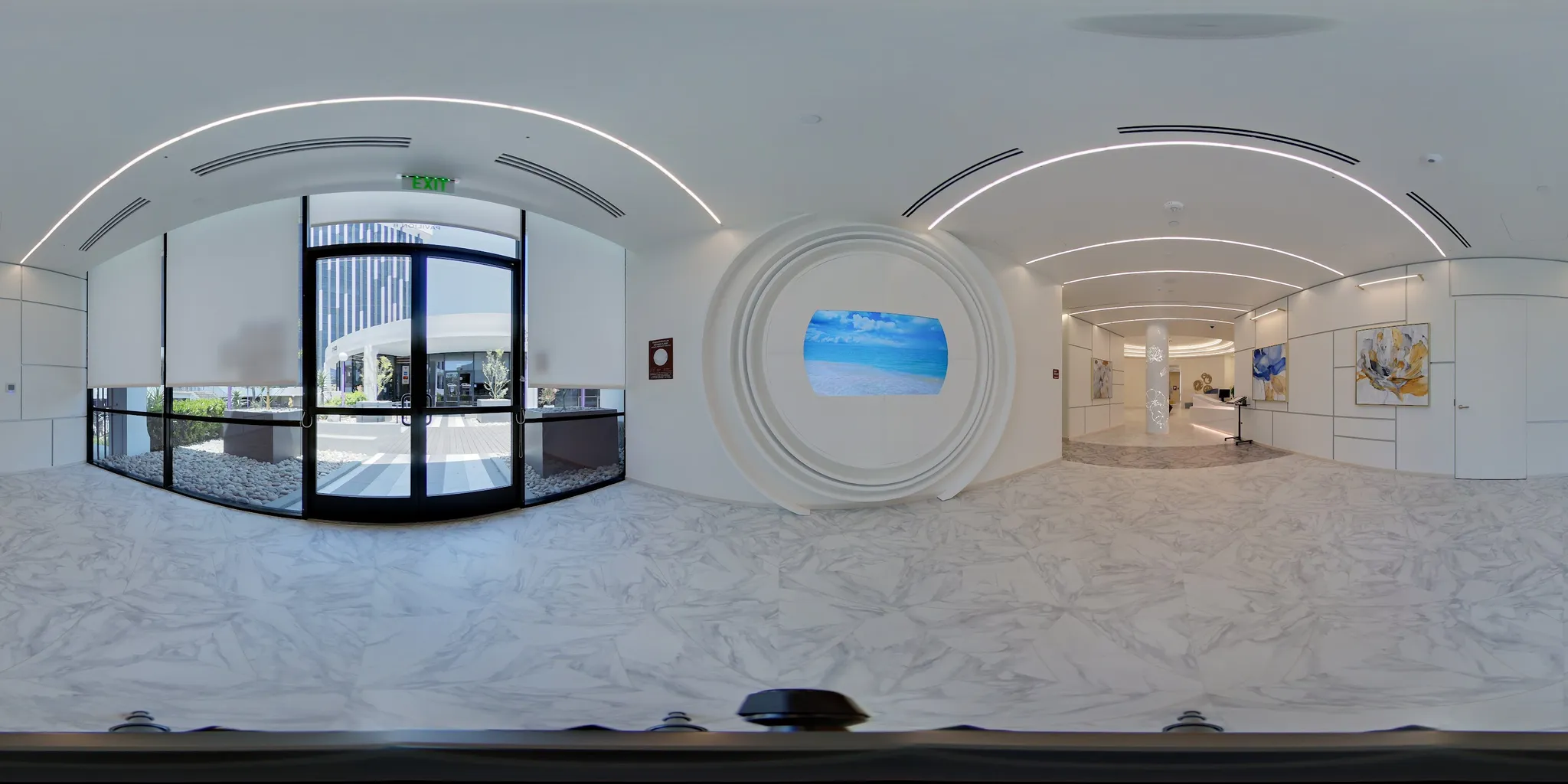
INCINTA Fertility Center is a private reproductive endocrinology practice on Hawthorne Boulevard in Torrance, in Los Angeles County’s South Bay. Our records date the clinic to 2008. It describes a 20,000-square-foot treatment space organized around an open-concept embryology laboratory, with smart glass between the lab and the patient areas rather than a closed door down a corridor. The practice lists additional California offices in Beverly Hills, Corona and Irvine; everything on this page refers to the Torrance site.
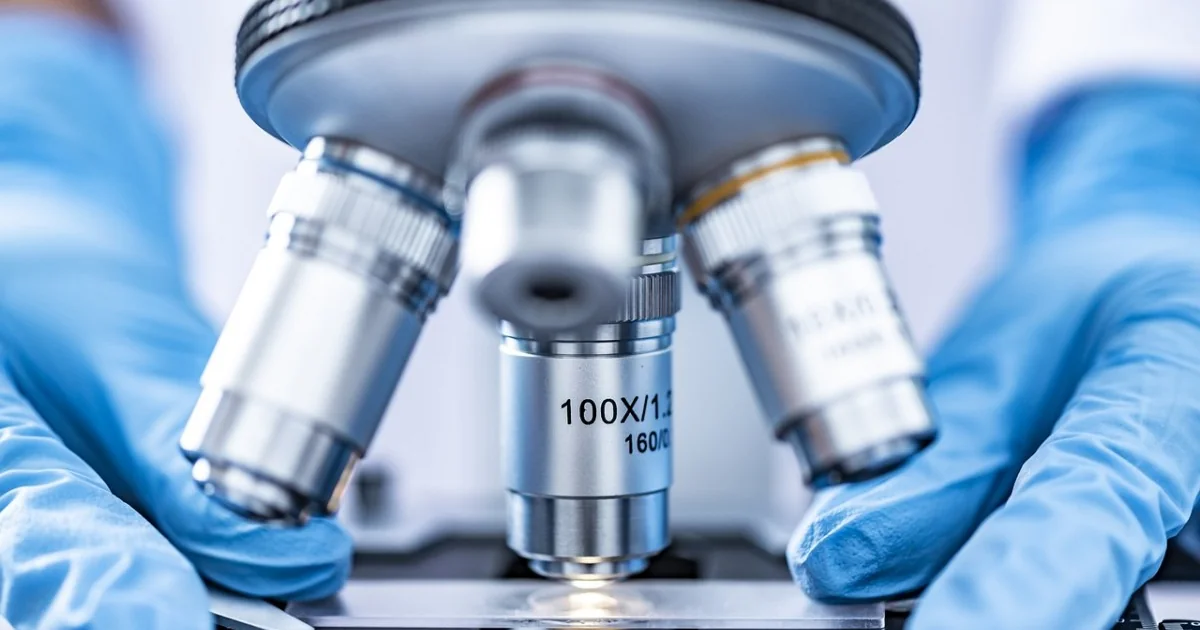
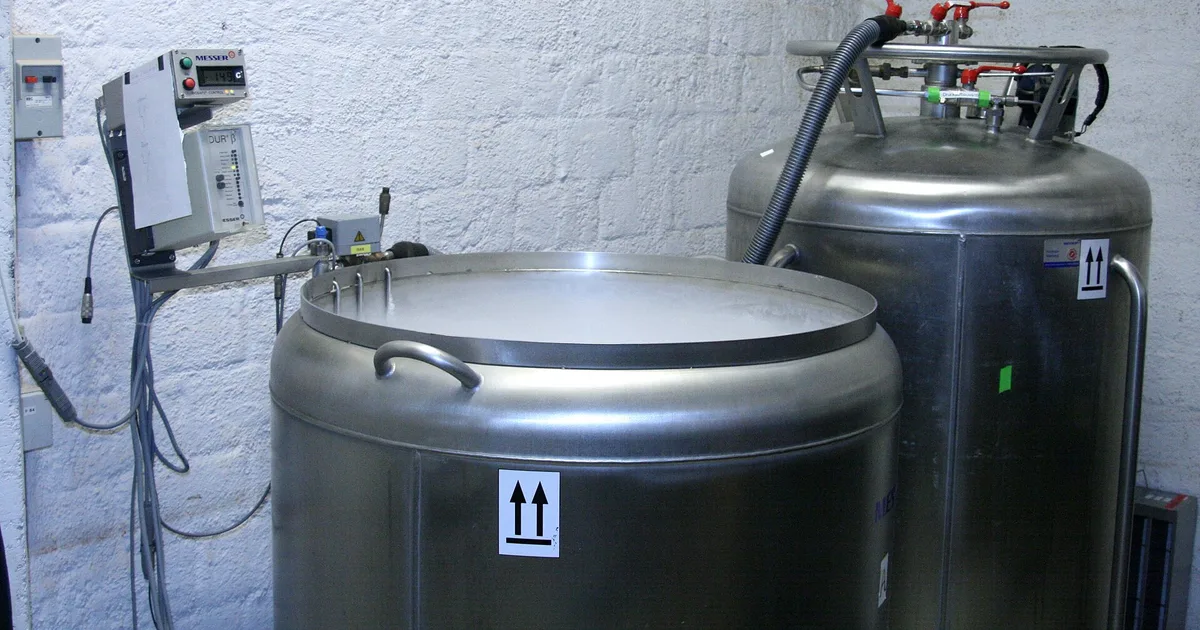
The laboratory is where the clinic concentrates its pitch. Embryos are held in time-lapse culture with algorithmic scoring (EmbryoScope with KIDScore), biopsy material is sequenced in the building on a NextSeq 550 platform instead of being shipped to a reference lab, and cryostorage sits in a converted bank vault — the Torrance building was previously a branch bank. INCINTA describes itself as a freeze-heavy program: about 98.6% of its transfers are frozen embryo transfers, fertilization is essentially always by ICSI, and more than 97% of cycles include PGT-A. Those three shares are the clinic’s own operational numbers, not registry output.
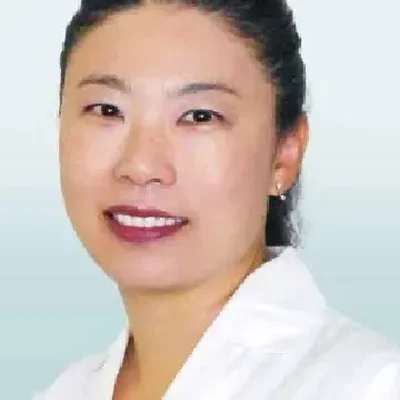
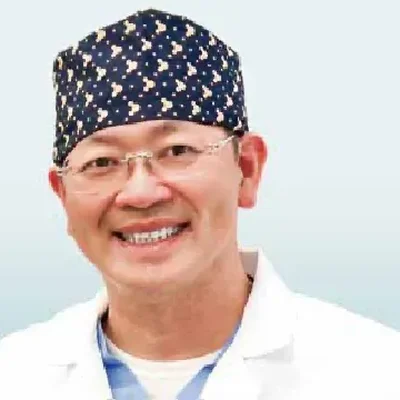
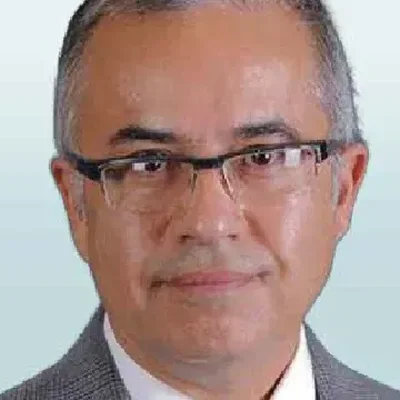
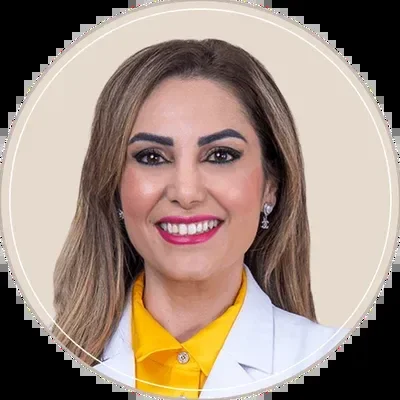
Read the team pages before you fix on a specific doctor. INCINTA’s current team page names James P. Lin as medical director and Zitao Liu as associate chief medical officer, with the laboratory, nursing and third-party-program staff listed alongside them. Four physician profiles are filed under this clinic in our directory; three of them — Alice Park, Omid Khorram and Susan Nasab — do not appear on the clinic’s current team page, and each of those profiles says so up front.
On results: in the clinic’s SART 2023 data as our sources record it, own-egg singleton live birth rates run 51.7% under age 35, 38.2% at 35-37, 26.0% at 38-40 and 12.7% at 41-42. Two cautions before you use those numbers. The first four appear on this page twice, once as the clinic’s overall row and once as its fresh transfer row, identical to one decimal — which means an overall rate and a fresh-transfer rate have not been separated in the underlying record. Until that is resolved, there is no single “overall” INCINTA rate that can be quoted honestly, and this text does not use the page’s other transfer-type rows at all: our SART and CDC extracts for this clinic carry no per-protocol breakdown behind them, so any fresh-versus-frozen split shown in the chart is unlabeled data we cannot trace. Second, the national row printed below the chart comes from CDC 2022 reporting while the clinic row is SART 2023. Different registries and different years mean the two rows on this page are not comparable, so we make no “above” or “below” national claim here — and we deliberately do not quote an annual cycle volume, because the figures we hold record the same number, 973, for both cycles performed and appointments booked. The source recorded for this clinic’s rates is SART’s main site rather than a report page for INCINTA, so we cannot point you to the exact page these figures were taken from; verify the clinic’s own report line before relying on the comparison.
Accreditations & Awards
- CAP Reproductive Laboratory Accreditation for the embryology lab, an accreditation our sources tie to SART membership requirements; the clinic describes the space as built to ISO Class 6 cleanroom standards
- CLIA certificate for the diagnostic and embryology testing done on site
- Laboratory director credentials: Yufen Xie, PhD is credited with ELD(ABB) and HCLD(ABB), the American Board of Bioanalysis director-level certification for high-complexity testing
- Cycle data reported to SART for 2023, which is what the clinic numbers on this page come from — but no clinic-specific SART report page is recorded in our sources, so treat the numbers as transcribed rather than traceable
- Two clinic-attributed claims we could not verify independently: the team page credits laboratory director Yufen Xie with leading the number-one-ranked US IVF success rate team in 2016 without naming the institution or the ranking, and clinic materials report a series of 500-plus blastocyst biopsies with a 100% survival rate recognized by CooperGenomics
Why Choose INCINTA Fertility Center
- The lab is in the room: an open embryology lab you can look into, time-lapse culture with AI embryo scoring, and PGT-A sequencing on a NextSeq 550 done in-house instead of sent out
- A default freeze-all strategy: if 98.6% of transfers are frozen, stimulation and transfer are decoupled as routine practice, not as an exception you have to ask for
- Third-party family building coordinated in house: the clinic reports its own donor pool and a pre-screened surrogate group with a dedicated coordinator, plus relationships with outside agencies
- Named service lines for LGBTQ+ patients and for PCOS: donor sperm IUI, IVF, egg and sperm freezing, frozen embryo transfer, and a PCOS-specific stimulation service
- Language access in a Korean- and Chinese-speaking patient base: the clinic’s materials list English, Chinese, Spanish, Korean and Japanese patient support; the structured record on this page carries English, Chinese and Spanish. Either way this is a communication resource, not a clinical credential, and it should not be read as one
- Pre-travel record review for out-of-area and international patients, so a cycle plan can be discussed before a flight is booked
IVF & Fertility Services
- In Vitro Fertilization (IVF): stimulation, monitoring, transvaginal retrieval, embryo culture and transfer
- ICSI (Intracytoplasmic Sperm Injection): single-sperm injection, used by the clinic in effectively all cycles per its own reporting
- Frozen Embryo Transfer (FET): the clinic’s dominant transfer mode; thawing, hormone preparation of the uterine lining, then transfer
- PGT-A, PGT-M and PGT-SR: screening for chromosome number, testing for known single-gene conditions, and testing for chromosomal rearrangements — run on site
- IUI (Intrauterine Insemination): with partner or donor sperm, for mild factor infertility, cervical mucus problems and single or same-sex patients
- Egg freezing and embryo storage: on-site vault storage
- Semen analysis and sperm freezing: count, motility and morphology assessed against WHO reference limits
- Egg donation and surrogacy: in-house donor and surrogate coordination alongside agency relationships
- PCOS specialty service: individualized stimulation for polycystic ovary syndrome
- Not listed in our sources: reproductive surgery such as laparoscopy or hysteroscopic surgery. If your plan depends on a surgical step, ask the clinic directly whether it is done here or referred out
Fees & Packages
There is no published price list. The clinic’s own cost pages were not reachable when this record was compiled, so the figures below are reference numbers gathered from third-party material in 2026, not quotes from INCINTA. Treat them as planning ranges and get a written itemized quote.
- Consultation: about $350
- Basic fertility workup package: about $2,800
- Base IVF cycle excluding medication: $18,000 to $22,000
- Stimulation medication: $4,000 to $7,800
- All-in cycle including medication: $28,000 to $32,000
- Retrieval with embryo culture, ICSI and assisted hatching: about $11,500
- PGT-A screening: about $4,800 for up to eight embryos
- Frozen embryo transfer: about $4,400
- Freezing plus first-year storage: about $1,500, then roughly $800 a year
INCINTA works with CapexMD for patient financing, which matters more than the headline number if your plan does not cover treatment. California insurers vary widely on whether IVF itself is a covered benefit, and many plans that do cover diagnosis and medication still exclude the cycle; ask for the billing contact before you start medications, not after.
Patient Journey
- First contact and record pre-review: history, prior labs and operative reports go in before the visit; remote pre-review is available for patients traveling from out of area
- Assessment: hormone bloodwork and ultrasound on the patient side, semen analysis on the partner side, with cavity evaluation as indicated
- Written plan and quote: stimulation protocol, expected medication dose, and what the cycle costs once drugs, monitoring, retrieval, anesthesia, labs, freezing and storage are added up
- Stimulation and monitoring: injectable medications tracked with repeat bloodwork and ultrasounds until the follicles are ready; our sources do not publish how many days that runs here, and the length varies by protocol and response
- Retrieval: transvaginal egg retrieval under sedation; fertilization by ICSI the same day
- Culture, biopsy and screening: time-lapse observation to the blastocyst stage, trophectoderm biopsy, PGT-A run on the in-house sequencing platform, then freezing
- Frozen transfer: the uterine lining is prepared with hormones in a later cycle, a thawed embryo is transferred, a pregnancy blood test follows 9-12 days later, then an ultrasound
- Third-party track, if that is your path: donor matching or surrogate selection moves to the dedicated coordination team, with legal review in parallel
Local Legal Framework
California is one of the few states that writes its assisted reproduction rules into statute instead of leaving them to local judges: surrogacy, donor parentage and pre-birth orders all have code sections attached, which is a large part of why this clinic’s service menu can include third-party programs at all.
Compensated surrogacy is lawful and enforceable under Family Code sections 7960-7962, enacted as AB 1217 in 2012. Intended parents, including unmarried and same-sex couples, can be declared parents by a pre-birth order, so they appear on the original birth certificate instead of adopting afterward. Section 3013 underpins parentage orders for both parents in a same-sex couple; second-parent adoption remains available as a backstop for cases involving donors or for families whose papers were issued elsewhere.
Egg donation is governed by Family Code section 7613: the donor has no legal claim to a child born from her eggs, provided the written agreement is signed before insemination or retrieval. That written agreement is the document that protects you, so have it reviewed by your own counsel rather than relying on the agency template.
Preimplantation genetic testing faces no state-level restriction; PGT-A and PGT-M require informed consent and a CLIA-certified laboratory, both of which this clinic documents. California law does not treat an embryo as a legal person, which means embryo disposition is settled by the consent form you sign at the time of creation. Read that form carefully — storage fees, and what happens after a cycle ends or after you stop paying, are set by it and not by statute.
Location
- Address: 21545 Hawthorne Blvd Pavilion B, Torrance, CA 90503
- Phone: (424) 212-4087