About Innova In Vitro
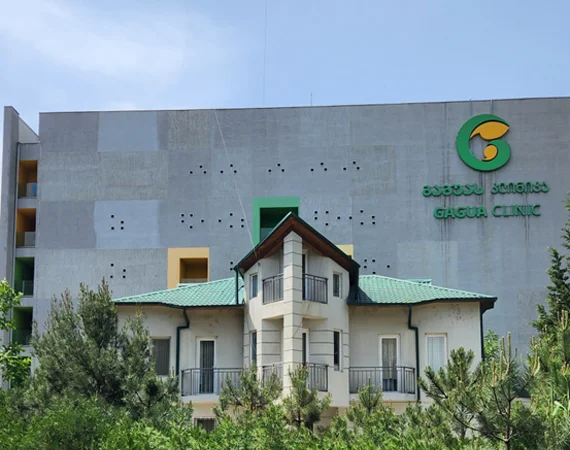
The fertility practice at this address is branded Innova In Vitro. It has served Georgia and international patients since 2016 and covers diagnosis, management and treatment of infertility in both women and men. Its sister institution, Innova Medical Center, is a general hospital of 28 departments at the same street address; the two share physicians and staff, and the obstetric, imaging and laboratory services a fertility cycle depends on sit inside the same group rather than in a referral network.
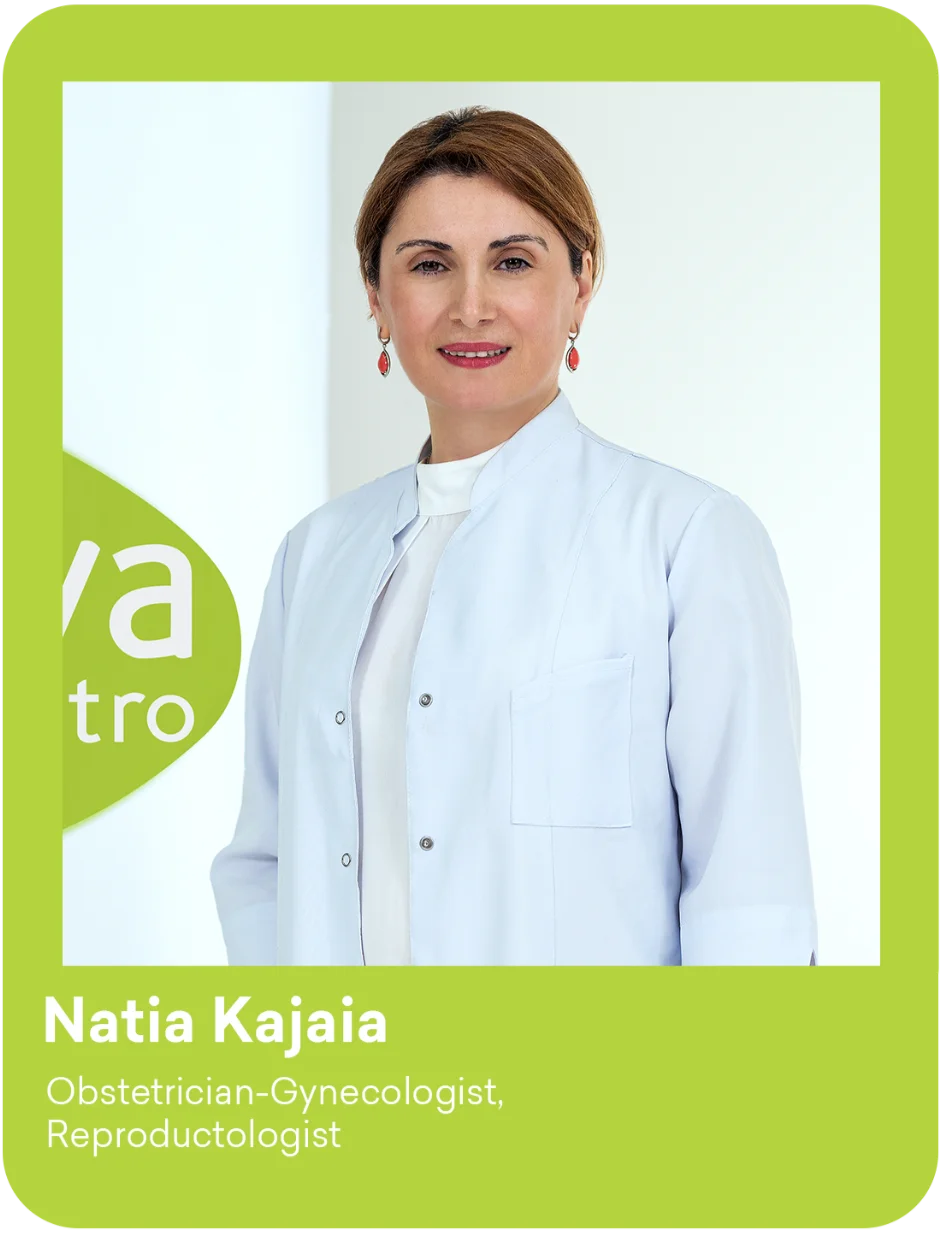
The center’s own account of its size is a team of 52 members, of whom the reproductive physicians hold certification in reproductive medicine and gynecology. Care is organized around IVF and pregnancy management, with a stated partnership with the Spanish clinic network IVI, whose specialists the clinic describes as treating Georgia as a second home base.
Two capabilities matter more than the marketing language, because both are verifiable claims about the laboratory rather than about outcomes: embryology runs in a facility the clinic states was designed specifically for in vitro fertilization, and embryo biopsy for PGT-A and PGD is performed in-house instead of being sent elsewhere. Gender selection via PGD is offered as a named program alongside the standard IVF, ICSI, egg donation, donor egg IVF, self-cycle surrogacy, donor egg surrogacy and surrogacy for HIV-positive parents.
There is no outcome data to report. Georgia runs no public clinic-level registry comparable to CDC/SART in the United States or HFEA in the United Kingdom, and this clinic publishes no age-banded pregnancy or live birth figures on either of its websites. Individual prognosis here can only come from a physician weighing age, cause of infertility and protocol. The clinic’s claim of “over 15 years of experience in in vitro fertilization” describes the team’s combined experience, not the center’s own cycle history — the Tbilisi practice has been operating since 2016, so the figure predates it and cannot be read as a track record for this facility.
Cost is the other gap. Neither website carries a price list, and directory platforms covering Georgian clinics show this one as “price on request.” The clinic’s own framing is that medical procedures and living expenses in Georgia come in significantly lower than in many other countries; a real quote requires a consultation and an agreed protocol.
Accreditations & Awards
- The clinic states it is accredited by AACI (American Accreditation Commission International). AACI’s own Georgia country page lists Innova In Vitro LLC and Innova LLC, but both entries appear in an Archive section with no validity dates, so this should be treated as a historical accreditation record and re-confirmed with AACI before being relied on.
- Georgian medical institutions are required to hold Ministry of Health registration. Neither website publishes a license number, and the state register could not be reached online for verification.
- No record appears for this clinic on JCI, CAP, SART, HFEA or RTAC lists. SART, HFEA, CAP and RTAC do not cover Georgian facilities at all, and a JCI search returns nothing for either brand — the absence reflects the Georgian regulatory model, which licenses fertility clinics through the Ministry of Health and the Social Service without requiring published international accreditation.
- The group’s gynecologic oncology team at the general hospital holds ESGO (European Society of Gynaecological Oncology) accreditation and certification for ovarian cancer surgery. That belongs to the oncology department, not the fertility clinic, and is noted only as background on the group’s overall clinical capability.
Why Choose Innova In Vitro
- A general hospital attached to the fertility clinic. Twenty-eight departments — obstetrics and gynecology, imaging, laboratory diagnostics, endocrinology, dermatology, mammalogy, surgery and pediatrics among them — operate in the same group at the same address. Stimulation monitoring, obstetric follow-up during pregnancy, and internal medicine issues that arise mid-cycle do not require referrals outside.
- Specialists from Spain’s IVI network. The clinic partners with the IVI chain and says its specialists work in Georgia regularly, which is the main technical link this center offers to European reproductive practice.
- Genetics done on site. PGT-A and PGD, including PGD for gender selection, are performed by the clinic’s own team. The laboratory was built for IVF rather than adapted to it, and two named embryologists lead it, with three more on the bench.
- Duplicate verification of lab results. The laboratory runs multiple analyzers performing the same function in parallel, so a result can be re-checked on site with alternative equipment and reagents rather than being taken at face value.
- Paperwork reviewed before you fly. Test results can usually be assessed remotely ahead of arrival, which the clinic highlights specifically for self-cycle surrogacy plans — useful for cutting the number of days needed in Tbilisi.
- Programs structured by the medical indication. Self-cycle surrogacy, donor egg surrogacy, and a dedicated program for HIV-positive parents are each named as separate pathways, run jointly with Point Medical Center from surrogate selection through the legal steps.
- Legal clarity on parentage. Surrogacy has been lawful in Georgia since 1997, and the birth certificate names the intended parents without reference to the surrogate or to egg donation.
IVF & Fertility Services
Programs the clinic lists on its own pages:
| Program | What it covers |
|---|---|
| IVF | Individualized stimulation protocols, from comprehensive workup through transfer |
| ICSI | Single sperm injection, paired with IVF for male factor infertility |
| Egg donation | Donor selection by prior donation experience, education, appearance, ethnicity and age from the clinic’s donor database |
| Donor egg IVF | IVF with Donor Eggs Program for patients who cannot use their own oocytes |
| Self-cycle surrogacy | Surrogacy with the intended mother’s own eggs; records reviewable before arrival |
| Donor egg surrogacy | Surrogacy using donated oocytes |
| Surrogacy for HIV parents | A named program for legally married couples living with HIV |
| PGT-A and PGD | Embryo chromosome screening and preimplantation genetic diagnosis, including PGD for gender selection, performed in-house |
Donor screening covers AMH, blood type and Rh factor, hepatitis B and C, HIV and cytomegalovirus, with further tests arranged where indicated.
The outpatient side of the clinic covers the specialties a fertility case needs:
- Reproductology — infertility in both partners. The clinic lists female causes as ovulatory disorders, genetic factors, endometriosis, tubal blockage, fibroids, prior ovarian or uterine surgery, pelvic inflammatory disease and chemotherapy history, and male causes as reduced sperm motility, varicocele, hormonal imbalance and medication side effects. It notes that roughly 20% of infertility cases remain unexplained.
- Gynecology — infertility treatment, endometriosis treatment, sonohysterography, preconception preparation and pregnancy management, urogenital infection, menstrual and menopausal care, preventive gynecologic screening, and colposcopy with radio-surgical and cryodestructive treatment of cervical disease.
- Andrology and urology — the male reproductive system plus kidney, prostate and bladder conditions, infertility and sexually transmitted infections.
- Embryology — the IVF-designed laboratory, running culture, biopsy for PGT-A/PGD, and collaboration with visiting international specialists on research.
- Laboratory diagnostics — parallel analyzer verification of results on site.
- Radiology, endocrinology, dermatology and mammalogy — listed among the clinic’s outpatient departments.
Fees & Packages
There is no published price list. Neither the fertility site nor the general hospital site posts procedure costs, and clinic directories for Georgia list this facility as “price on request” across services. The only cost statement on the clinic’s own pages is qualitative: medical procedures and living expenses in Georgia are significantly lower than in many other countries. Numbers that circulate for Georgian IVF come from third-party broker blogs and other clinics, not from Innova In Vitro, and should not be read as its quotes. Request a written itemization against your protocol during the initial consultation, and confirm which steps — medication, PGT-A per embryo, surrogate compensation, cesarean section, neonatal care — are inside the package and which are billed separately.
Patient Journey
- Initial inquiry. The contact form on any program page asks for first name, email, mobile number and a description of what you need. State the program you are considering (IVF, donor egg, surrogacy) so the clinic can route it.
- Comprehensive medical examination. The clinic describes the process as beginning here, and it applies to both partners: fertility workup for the woman, semen analysis and andrological assessment for the man, plus the infection screening panel.
- Remote review before travel. Results can often be assessed before you arrive in Georgia, which the clinic calls out as particularly relevant for self-cycle surrogacy. This is the step that determines how many days you actually spend in Tbilisi.
- Joint physician and embryologist consultation. The reproductive doctor and the embryologist evaluate the case together and set the strategy, including how many embryos to transfer. Georgia places no legal limit on transfer number, so the decision is clinical — age, history and embryo quality.
- Cycle execution. Stimulation and monitoring, retrieval, ICSI or conventional fertilization, embryo culture, PGT-A or PGD where indicated, then transfer. Obstetric and gynecologic follow-up and repeat laboratory testing stay inside the same group.
- Surrogacy pathway. Where surrogacy is involved, surrogate selection, medical and legal preparation and the documentation after birth are handled across Innova In Vitro and Point Medical Center as a combined service. Programs are open to legally married couples only.
The clinic publishes no day-by-day treatment itinerary, so the length of stay should be confirmed against your own protocol rather than assumed from general Georgian IVF timelines.
Local Legal Framework
The legal statements below are the clinic’s own, as published on its English pages.
- Surrogacy. Legal in Georgia since 1997, and the most settled part of the country’s assisted reproduction framework.
- Birth certificate. Georgian law allows the birth certificate to be issued without any mention of surrogacy or egg donation, so the intended parents are recorded as the child’s legal parents.
- IVF, egg donation and surrogacy together. The clinic states that in vitro fertilization, surrogacy and egg donation have all been lawful in Georgia for many years.
- Number of embryos. Georgia imposes no restriction on how many embryos may be transferred; the clinic sets the number case by case with the patient.
- Who is eligible. Reproductive services here are limited to legally married couples, which means single women and same-sex couples fall outside this clinic’s program structure — a materially different position from clinics in countries that treat them.
- Genetic testing. PGT-A and PGD, including gender selection, are offered as routine clinical services rather than being restricted.
- Regulatory environment. Georgian fertility care operates under Ministry of Health and Social Service licensing. The state publishes no clinic-level outcome statistics and does not require international accreditation to be displayed, which is why outcome and accreditation records for Georgian clinics are thin across the board.
Intended parents should still confirm that a Georgian birth certificate and the child’s travel documents will be recognized under their own country’s rules before committing to treatment.
Location
- Address: Zurab Anjaparidze II Turn #6, Tbilisi, Georgia
- Phone: +995 322 232 232