'%20d='m0%200%2016%2011h61%2061%2061%2061%2060L47%2037h61%2061%2060%2061L16%2063h61%2061%2061%2061%2060L47%2089h61%2061%2060%2061L16%20115h61%2061%2061%2061%2060L47%20141h61%2061%2060%2061L16%20166h61%2061%2061%2061%2060L47%20192h61%2061%2060%2061L16%20218h61%2061%2061%2061%2060z'/%3e%3c/svg%3e)

About Ohio Reproductive Medicine
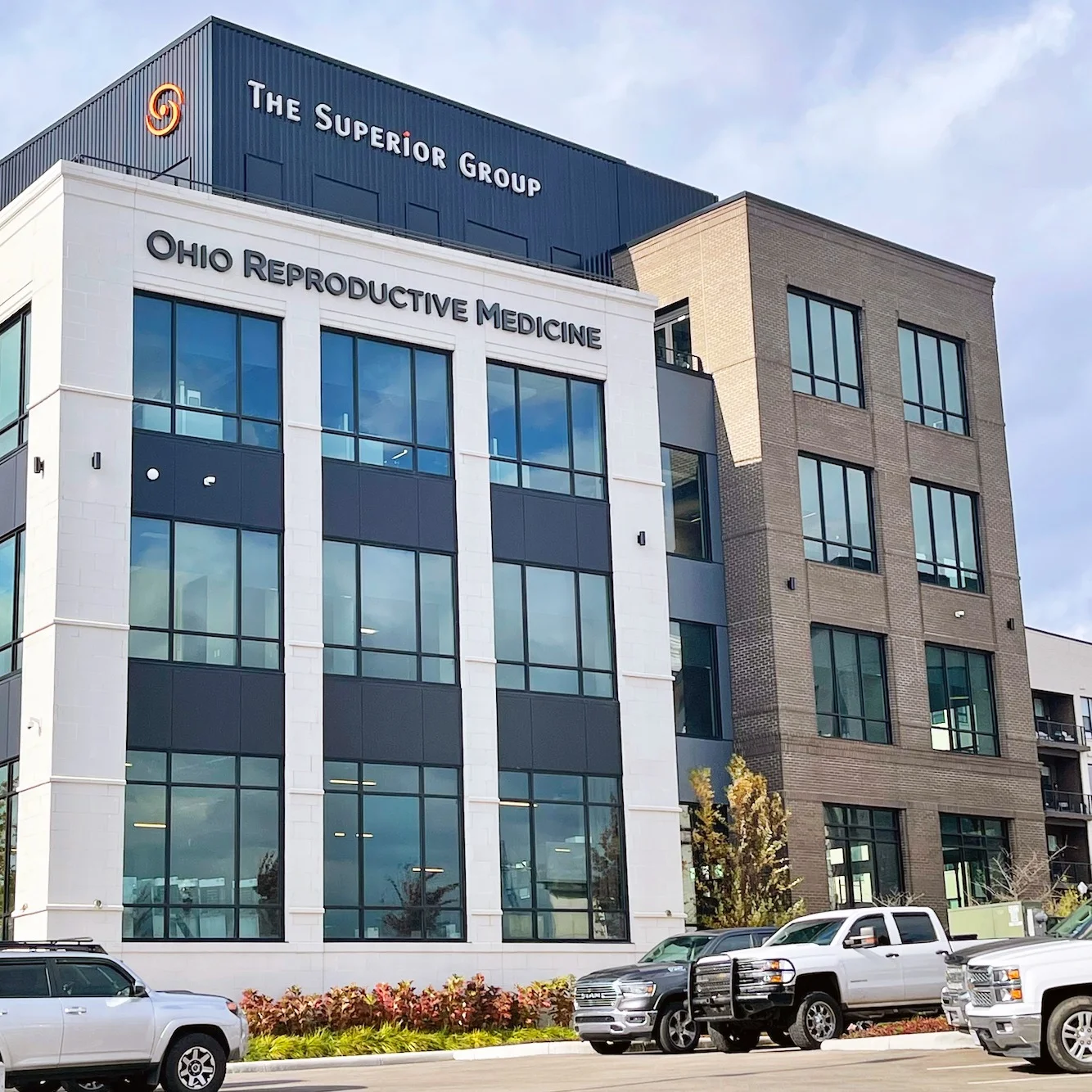
Ohio Reproductive Medicine (ORM) is a fertility practice in Columbus, Ohio, founded in 1987 by Grant Schmidt, M.D., Ph.D. The clinic describes itself as central Ohio’s first and largest IVF program, and says it has been helping patients build families for more than 35 years.
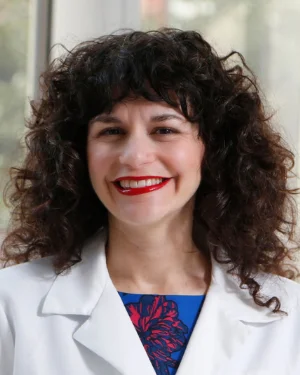
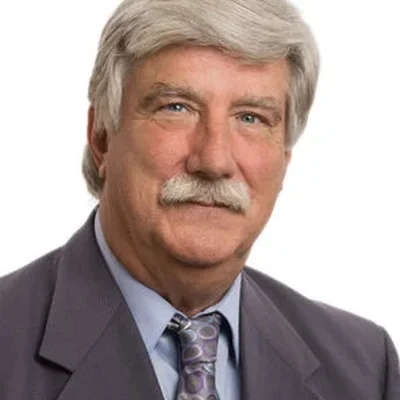
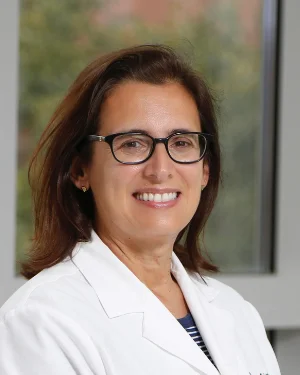
Four physicians practice here — Elizabeth Kennard, M.D., Grant Schmidt, M.D., Ph.D., Laura Londra, M.D., and Brooke Rossi, M.D. All are fellowship-trained in Reproductive Endocrinology and Infertility and board-certified in Obstetrics and Gynecology, and the practice credits the group with over 100 years of combined REI experience. You do not need a physician referral to book a first consultation.
How to read the numbers on this page. ORM’s outcomes here — 41.9% live birth under 35, 29.6% at 35-37, 15.7% at 38-40, and 4.4% over 40 — come from SART CORS for the preliminary 2024 reporting year (ClinicPKID 2104). The national figures shown alongside them (48.3 / 32.5 / 20.9 / 9.8) are CDC NASS 2022 data. Different registries and different years: the two columns are not directly comparable, and any subtraction between them would be meaningless. Directionally, the under-35 result of 41.9% sits below the CDC’s 2022 national figure of 48.3%, but preliminary SART years typically understate results because late-reporting cycles arrive after the snapshot.
Three further caveats from the same SART record, stated plainly:
- The over-40 value (4.4%) is SART’s 41-42 age bracket; SART reports the over-42 bracket separately at 0%.
- ORM’s Retrieval Start Report Rate is 57.3% — the clinic reported outcomes for roughly six in ten cycles that began with an egg retrieval, so the published figures cover part of the caseload, not all of it.
- The clinic reported 1,317 cycles in that 2024 preliminary record, above the 873-cycle national per-clinic average in the same dataset.
ORM itself cautions that clinic-to-clinic comparisons “may not be meaningful because patient medical characteristics, treatment approaches, and entry criteria for ART may vary from clinic to clinic”.
Accreditations & Awards
- SART member clinic — ORM reports cycle data to SART, the professional society covering more than 90% of US ART clinics, so its outcomes are publicly verifiable in the SART CORS report
- All physicians fellowship-trained in REI and board-certified in Obstetrics and Gynecology, as stated on the practice’s own patient pages
- Central Ohio’s first and largest IVF program — the clinic’s own description, dating to its 1987 founding
- Academic roles: Dr. Grant Schmidt is a Clinical Assistant Professor at The Ohio State University and directs the Division of Reproductive Endocrinology & Infertility at Riverside Methodist Hospitals
- Top Doctor: Dr. Laura Londra was named a Castle Connolly Top Doctor in Reproductive Endocrinology for 2020 and 2021
- Our collected sources record no JCI or CAP laboratory accreditation for this clinic; SART membership is the only third-party registry we can confirm
Why Choose Ohio Reproductive Medicine
- Depth in one place: four REI physicians with over 100 years of combined experience covering the full ART lineup — IUI, IVF, ICSI, PGT-A/PGT-M/PGT-SR, donor eggs, donor sperm, fertility preservation and recurrent pregnancy loss
- A structured recurrent loss program: evaluation of ovarian reserve, uterine anatomy, parental chromosomal analysis, antiphospholipid syndrome, and thyroid and prolactin disorders — usually completed within one menstrual month
- Genetic counseling around PGT: the clinic discusses the limits of testing, including mosaicism and false positives/negatives, and works with genetic counselors before and after results
- LGBTQ+ family building as a named service line: donor sperm IUI/IVF, reciprocal IVF for lesbian couples, donor egg with a gestational carrier for male couples, and egg, sperm or embryo freezing for transgender and non-binary patients before hormone therapy or surgery
- Real cost levers: a partnership with a fertility lender (CapexMD), multiple medication discount programs, grant referrals, and a standing 10% military discount on IVF and donor egg IVF
- Access: no referral required, flexible hours, and weekend and holiday appointments noted by patients in the clinic’s published testimonials. Spanish-language consultations are available through Dr. Laura Londra personally — we found no evidence of clinic-wide Spanish services
IVF & Fertility Services
- IVF (In Vitro Fertilization): an average cycle takes about 6-7 weeks. Stimulation typically begins 2-3 days after your period, with 2-4 weeks of oral contraceptives for scheduling, injectable medications, transvaginal ultrasound and hormone monitoring, an hCG trigger shot, and egg retrieval about 36 hours later under sedation — usually 8-15 eggs. Transfer is painless, ultrasound-guided, and followed by progesterone support
- ICSI (Intracytoplasmic Sperm Injection): a single sperm injected into each mature egg, for severe male factor (low count, poor motility, abnormal morphology), prior fertilization failure, or frozen eggs; fertilization succeeds in 50-80% of injected eggs. Men with sperm-related infertility are generally advised to have genetic testing before ICSI
- IUI (Intrauterine Insemination): washed sperm placed directly into the uterus — not an ART procedure — used for low sperm count, reduced motility, cervical conditions or scarring, and ejaculatory dysfunction
- Donor sperm: from national banks, for male factor infertility, single women, and lesbian couples
- Egg donation: through reputable egg banks, for premature ovarian failure, diminished ovarian reserve, genetic risk, prior ovariectomy, repeated IVF failure, or same-sex male couples; both fresh and frozen donor egg paths
- PGT (Preimplantation Genetic Testing): PGT-A screens embryos for chromosome number, PGT-M tests for known single-gene conditions (cystic fibrosis, sickle cell disease, spinal muscular atrophy), and PGT-SR applies when a parent carries a structural chromosomal rearrangement
- Recurrent pregnancy loss: defined as two or more failed clinical pregnancies; evaluation, medical treatments for immunologic causes (heparin, low molecular weight heparin, glucocorticoids), and IVF with embryo biopsy when a partner carries a translocation
- Fertility preservation: egg, sperm and embryo freezing, including for cancer patients before treatment
- Fertility medications and ovulation induction: the practice also manages fertility drug therapy as a standalone option
Fees & Packages
There is no published price list. The clinic’s IVF Costs page gives no cycle prices — costs are discussed at your consultation, and the practice offers medical financing.
Benchmarks from the clinic’s own affordability pages (clinic-published, not an independent audit): the average US IVF cycle runs about $12,400, “Ohio IVF costs mirror the national average”, and roughly 10% of American couples experience infertility.
Insurance. An Ohio law effective October 12, 2016 requires health insurance to cover basic health care services when medically necessary, and that definition includes infertility services — specifically diagnostic and exploratory procedures for medically diagnosed reproductive disease such as endometriosis, blocked or collapsed fallopian tubes, and testicular failure. IVF itself, the clinic notes, falls in a “gray zone” open to claim denial, and self-insured employers and large companies are exempt from the mandate. ORM says it participates with nearly all major insurers and will give you treatment codes to check your exact benefits. Ask separately about “diagnostic” and “treatment” coverage.
Financing and discounts:
- CapexMD: fertility-specific loans covering all treatment options including medications and genetic testing, with pre-approval within 24 hours and no prepayment penalties
- Gaia Family Financing: a single fixed price with unlimited embryo transfers, discounted medication, an additional retrieval if cycles fail, and monthly or upfront payment
- Medication discounts for cash pay: WIN FertilityRx (up to 40% off), EMD Serono Compassionate Care (50-75% off for income-eligible patients; veterans get an automatic 25%), Ferring IVF Greenlight (50% off Bravelle, 15% off Menopur, Novarel and Endometrin, no income criteria), and ReUnite Rx programs including ReUnite Assist (need-based), ReUnite Assist for Veterans, and ReUnite Oncofertility for cancer patients
- Free medication for qualifying veterans: EMD Serono Compassionate Corps (uninsured veterans with service-related infertility, up to 2 cycles per year) and Ferring’s Heart for Heroes program
- Grants the clinic points patients to: Baby Quest Foundation ($2,000-$16,000 awarded twice yearly), the Tinina Q. Cade Foundation (up to $10,000 per family), Footprints of Angels, Hope for Fertility (up to $5,000, married couples, not redeemable for medication), Pay It Forward (female partner under 40 unless using donor eggs), and Worth the Wait for cancer survivors
- Military discount: 10% off IVF and donor egg IVF treatment for active-duty members, reservists, veterans, retirees, and their spouses
Patient Journey
- Book directly — no physician referral needed. Bring results of any prior infertility workup, plus records of major medical problems or heritable family conditions
- Initial testing: your physician reviews your history and orders what’s missing — a semen analysis for the male partner (usually collected after the first visit) and blood tests for the female partner (TSH, prolactin, testosterone, FSH, AMH, progesterone as indicated)
- Your plan: a treatment design built around your diagnosis and budget, supported by the physicians and a team of infertility care specialists
- Stimulation: medications start 2-3 days after your period, tracked with transvaginal ultrasounds and hormone blood tests, and finished with an hCG trigger shot
- Retrieval: about 36 hours after the trigger, an outpatient procedure under sedation; mild cramping and spotting usually resolve within 24 hours
- Fertilization and culture: insemination or ICSI in the lab; embryos monitored over the following days, with genetic testing decided around day 3-4 where indicated
- Transfer and the two-week wait: a painless, ultrasound-guided transfer with a full bladder, progesterone support afterward, normal activity the next day, then a pregnancy test roughly two weeks later to confirm
Local Legal Framework
Ohio requires no special arrangement for you to start IVF here: the practice reports its cycles to SART and the CDC under the federal ART reporting framework, and it is an active SART member clinic (SART CORS ClinicPKID 2104).
The one statute our sources do document is the Ohio insurance mandate effective October 12, 2016, which brings infertility diagnosis and treatment of specific diagnosed reproductive conditions under basic health coverage (details in Fees & Packages).
On third-party reproduction: ORM’s own pages describe egg donation, donor sperm, and guidance for patients selecting a gestational carrier, but our Ohio sources do not document statute text governing surrogacy contracts, donor anonymity, or embryo ownership in Ohio. If your plan involves a donor or a gestational carrier, consult an independent Ohio family-law attorney before treatment begins.
Location
- Address: 535 Reach Blvd Suite 200, Columbus, OH 43215
- Phone: +1 614-451-2280