'%20d='m0%200%2016%2011h61%2061%2061%2061%2060L47%2037h61%2061%2060%2061L16%2063h61%2061%2061%2061%2060L47%2089h61%2061%2060%2061L16%20115h61%2061%2061%2061%2060L47%20141h61%2061%2060%2061L16%20166h61%2061%2061%2061%2060L47%20192h61%2061%2060%2061L16%20218h61%2061%2061%2061%2060z'/%3e%3c/svg%3e)
About
The Center for Reproductive Medicine (CRM) is University of Michigan Health’s academic fertility center, part of the Michigan Medicine system and run out of the Department of Obstetrics and Gynecology’s Division of Reproductive Endocrinology and Infertility (REI). It sees patients at two offices: the main clinic at Briarwood in Ann Arbor, and a second office at the Stoneridge Office Center in Bloomfield Hills for patients on the east side of metro Detroit.
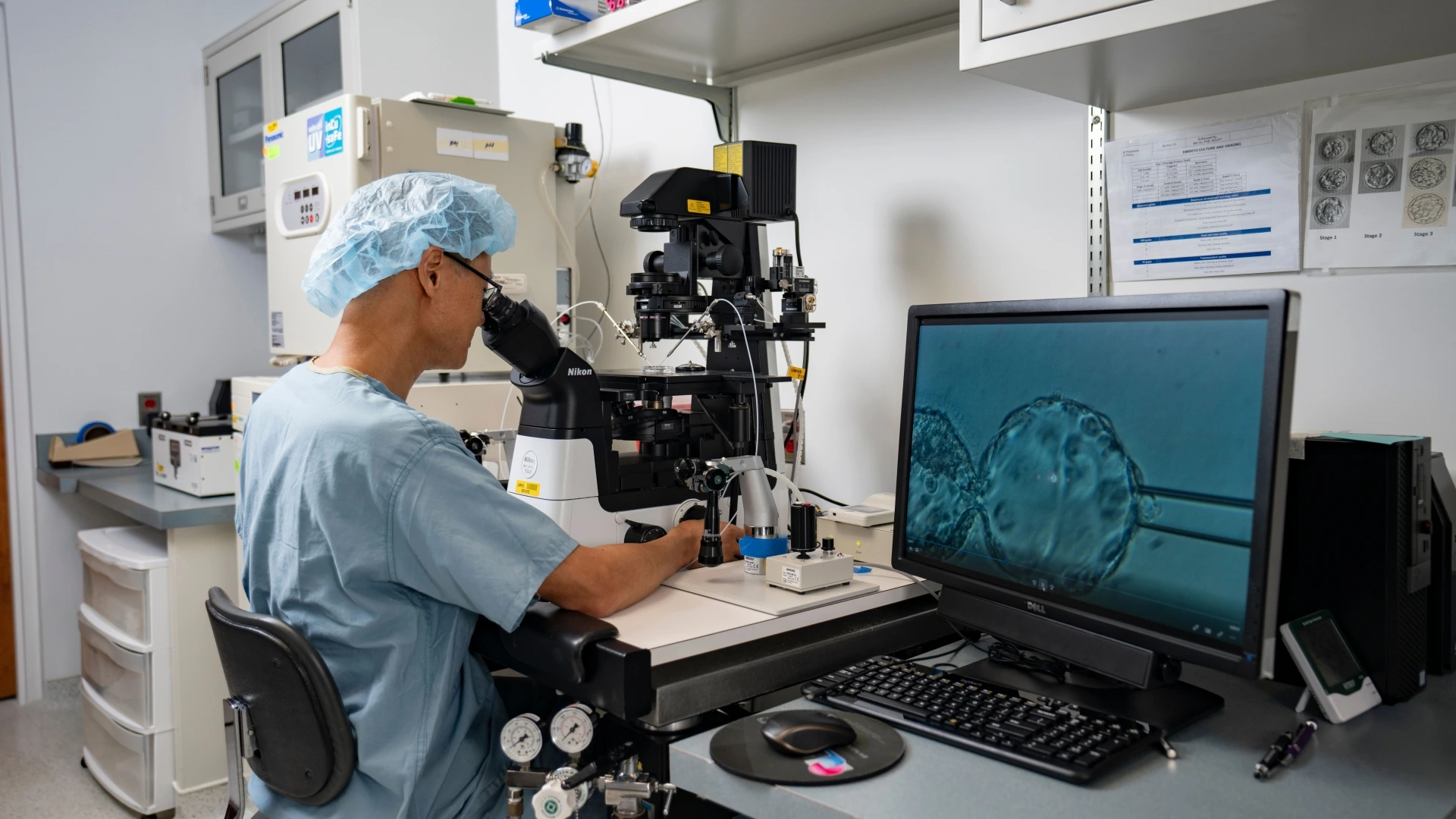
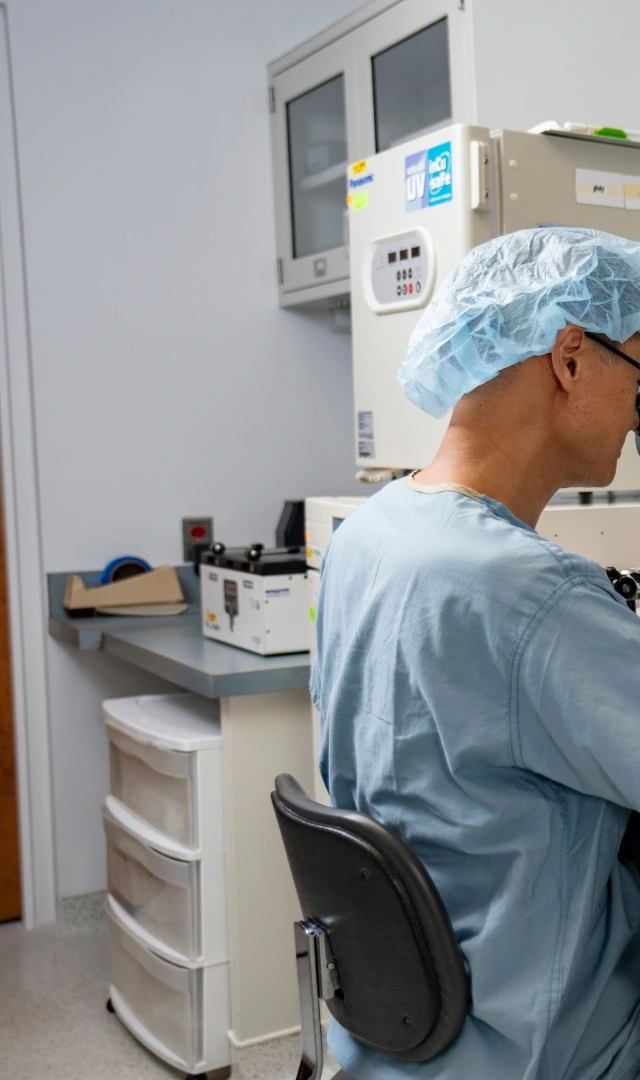
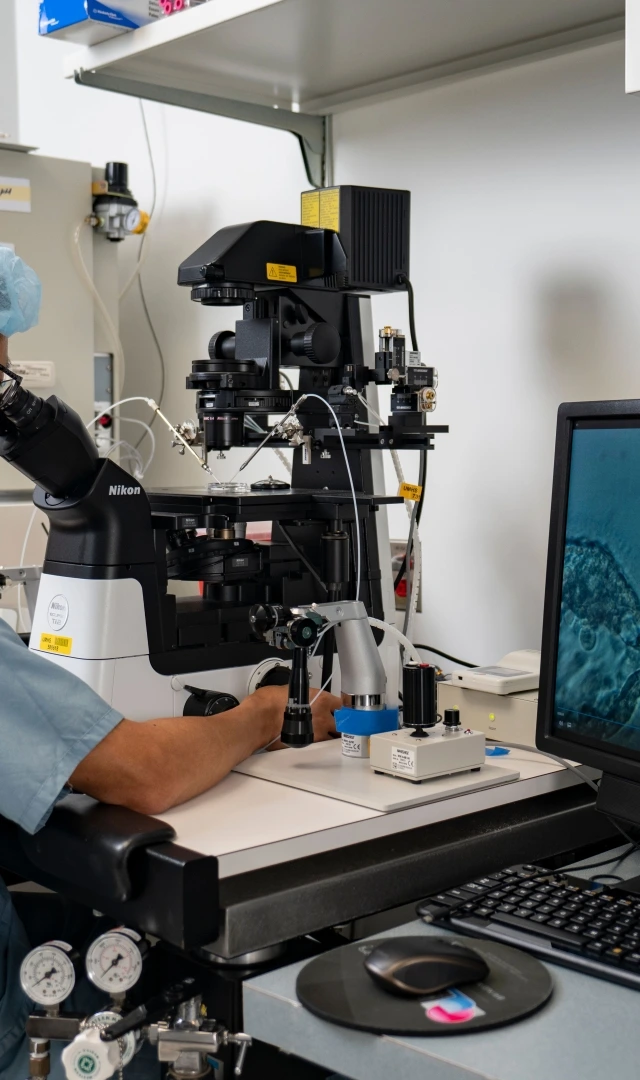
The lab behind the program is older than the clinic’s current address suggests. The ART embryology laboratory started in 1984 on the main medical campus; CRM moved to its Briarwood location in 2005 — the year our data carries as “established” is that move, not the program’s founding.
The staff covers what many IVF-only clinics have to refer out: ten reproductive endocrinologists, three urologists for male-factor evaluation, and a care team that includes a nurse practitioner, a certified nurse-midwife, a physician assistant and a social worker.
CRM reports cycle outcomes to SART under the registration name Center for Reproductive Medicine (ClinicPKID 2299); the medical director on that record is Dr. Natalie C. Stentz. In the 2023 reporting year the clinic completed 455 fresh IVF cycles. Our extract carries no frozen-transfer rates for this clinic, so every number below is fresh IVF, compared against the SART 2023 national fresh-IVF averages from the same registry and the same year:
| Age band | CRM live birth rate | Cycles | National fresh-IVF average (SART 2023) |
|---|---|---|---|
| Under 35 | 50.3% | 157 | 39.4% |
| 35-37 | 51.6% | 95 | 31.0% |
| 38-40 | 26.7% | 120 | 21.3% |
| 41-42 | 7.0% | 57 | 8.1% (a national over-40 figure, not a 41-42 match) |
| Over 42 | 11.5% | 26 | not published |
Read the table band by band: CRM is above the national average in three of the four comparable bands (under 35, 35-37, 38-40) and below it in the 41-42 band, where 7.0% sits under the 8.1% national figure — which is itself published for all over-40 patients rather than 41-42 specifically. The 41-42 estimate also carries a wide confidence interval (0.4% to 13.6% on 57 cycles), so the small-sample bands shift easily year to year. Two other patient-relevant signals from the same 2023 record: most live births were singletons (under 35, 49.7 of the 50.3 percentage points came from singleton births), and 83.5% of deliveries went to term, with 16.5% preterm and none very preterm.
Accreditations & Awards
- SART member clinic. Cycles are reported under ClinicPKID 2299, so the outcome figures above are checkable against the national registry rather than against clinic marketing.
- CAP-accredited, CLIA-certified embryology laboratory, as recorded in the center’s dossier — the standard US quality framework for an ART lab.
- 60+ years of combined ART laboratory experience across the embryology team.
- Academic faculty ranks. The division is led by a full Professor (Dr. Erica Marsh, Chief of REI whose published work covers uterine fibroids, IVF utilization and health disparities in fertility), with professors, clinical associate professors and clinical assistant professors spread across OB/GYN, REI and urology — the bench you expect inside a university medical center, not a private franchise.
- LGBTQ+ inclusive services listed by the center, including fertility preservation for transgender patients.
Why Choose the Center for Reproductive Medicine
- Male-factor care stays in-house. Three urologists sit on the same clinic roster as the ten reproductive endocrinologists, so a semen-related workup does not send you to a separate practice mid-treatment.
- Subspecialty depth you can book by name. Fibroids and reproductive surgery (the division chief’s national specialty), PCOS and menopause, an interdisciplinary obesity-and-reproduction clinic of her own, and transgender fertility preservation are all documented offerings of this team.
- An accredited lab doing the lab work. The center’s embryology laboratory is recorded as CAP-accredited and CLIA-certified, with 60+ years of combined lab experience on the team.
- Two offices built for repeat visits. Fertility treatment means many appointments; both offices have free parking, the Briarwood clinic has its own private entrance, waiting area and onsite procedure room, and it sits just off I-94. Surgery that goes beyond the onsite room is scheduled at Michigan Medicine’s main-campus and East Ann Arbor surgical facilities.
- Verifiable, honestly mixed results. Above the national fresh-IVF average under 40, below it at 41-42 — every band published to SART (ClinicPKID 2299) rather than self-reported.
IVF & Fertility Services
The center lists a full ART lineup:
- IVF (In Vitro Fertilization) — ovarian stimulation, egg retrieval, embryo culture and transfer
- ICSI (Intracytoplasmic Sperm Injection) — a single sperm injected into each egg, used mainly for male-factor infertility
- PGT-A and PGT-M — genetic screening of embryos for chromosome number, and testing for known single-gene conditions
- IUI (Intrauterine Insemination) — washed sperm placed directly into the uterus
- Donor egg and donor sperm programs
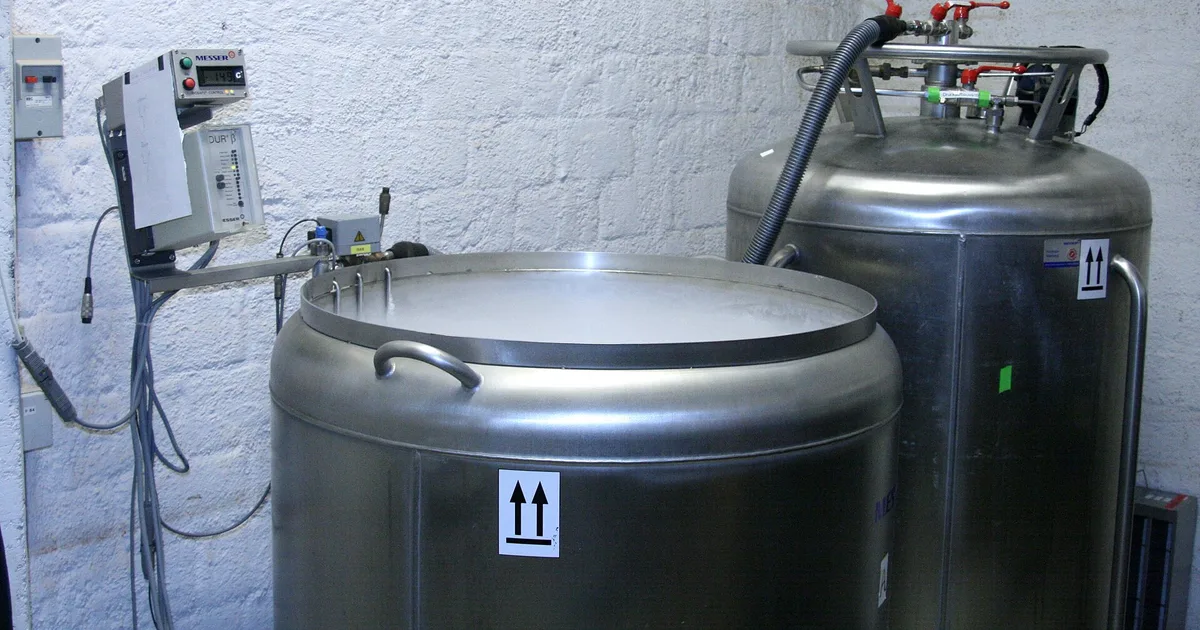
- Egg, embryo and sperm freezing
- Fertility preservation, including preservation for transgender patients
- Reproductive endocrinology care — evaluation and treatment of hormone-related infertility; named faculty interests include PCOS, menopause, uterine fibroids and weight-related fertility problems
- Male-factor evaluation by the clinic’s urology team, with procedures performed either in Briarwood’s onsite procedure room or at Michigan Medicine surgical centers when more is required
Fees & Packages
There is no published price list. Our sources record no cycle fee, medication cost, package bundle or discount program for this center, so we will not guess at one. The only billing fact on file is the standard Michigan Medicine statement that the health system participates with most insurance plans; fertility-diagnosis coverage under your specific plan is a separate question, so confirm benefits in writing before starting a cycle. Ask the clinic what is included in a cycle fee and what is billed separately — the center does not publish that breakdown.
Patient Journey
- Book at the closer office. Ann Arbor (Briarwood): (734) 763-6295. Bloomfield Hills (Stoneridge Office Center): (248) 593-6990. Both sites have free parking; Briarwood has its own entrance and waiting area.
- Evaluation with a reproductive endocrinologist. CRM’s physicians cover the full diagnostic range of reproductive endocrinology; the center does not publish its standard test panel or how long evaluation takes, so ask when scheduling what to bring and what to expect.
- Treatment planning. From the center’s service menu — IVF, ICSI, PGT, IUI, donor gametes, freezing and preservation — the plan is set with your physician. Cycle-level timelines (stimulation length, days to transfer) are not published in our sources.
- Procedures and lab work. Care that needs a procedure is done in Briarwood’s onsite procedure room when possible; anything beyond it is scheduled at Michigan Medicine’s main-campus or East Ann Arbor surgical facilities. Laboratory work runs through the CAP-accredited, CLIA-certified embryology lab.
- Between visits. For after-hours emergencies, call the hospital at (734) 936-4000 and ask to page the on-call REI fellow.
Local Legal Framework
Surrogacy. Michigan restricts commercial surrogacy, and that restriction is real enough to shape treatment choices: if you need a gestational carrier, get independent legal advice before signing anything anywhere. Our dossier records the state’s restriction on compensated surrogacy but not its full mechanics.
Donation and genetic testing. Donor egg and donor sperm programs operate at CRM, and PGT-A/PGT-M are offered. The dossier identifies no Michigan statute that restricts either at this center beyond standard informed consent.
LGBTQ+ patients. The center markets inclusive fertility services, and fertility preservation for transgender patients is on its documented service list. A division faculty member (Dr. Daphna Stroumsa) is listed with a focus on LGBTQ+ reproductive health.
Embryo disposition. Our sources do not identify a Michigan statute fixing the legal status of embryos; the consent paperwork you sign before a cycle governs storage and disposition decisions, so read it carefully.
Location
- Ann Arbor (main office): 475 Market Place, Briarwood Building 1, Ann Arbor, MI 48108-1649 — Phone: (734) 763-6295
- Bloomfield Hills: 41000 Woodward Ave Ste 100 East, Bloomfield Hills, MI 48304-5131 — Phone: (248) 593-6990