Tubal factor infertility accounts for 25-35% of female infertility, and the decision between tubal repair surgery and IVF comes down to two variables: hydrosalpinx and age. If a fluid-filled tube (hydrosalpinx) is present, it must be treated before IVF — doing so raises live birth rates by roughly 50% — Cochrane 2020.
This guide compares all three clinical paths — tubal reconstructive surgery, salpingectomy followed by IVF, and direct IVF — on success rates, cost, timeline, and who each one actually suits.
What Is Tubal Factor Infertility?
The fallopian tubes are where sperm meets egg and where the early embryo travels toward the uterus; any blockage, adhesion, or fluid accumulation interrupts that passage. Five pathological patterns make up the diagnosis:
| Type | Description | Common Causes |
|---|---|---|
| Proximal tubal blockage | Tube occluded at the uterine end | Pelvic inflammatory disease (PID), chlamydia, prior uterine surgery |
| Distal tubal blockage | Fimbrial end adherent or closed | Endometriosis, pelvic adhesions |
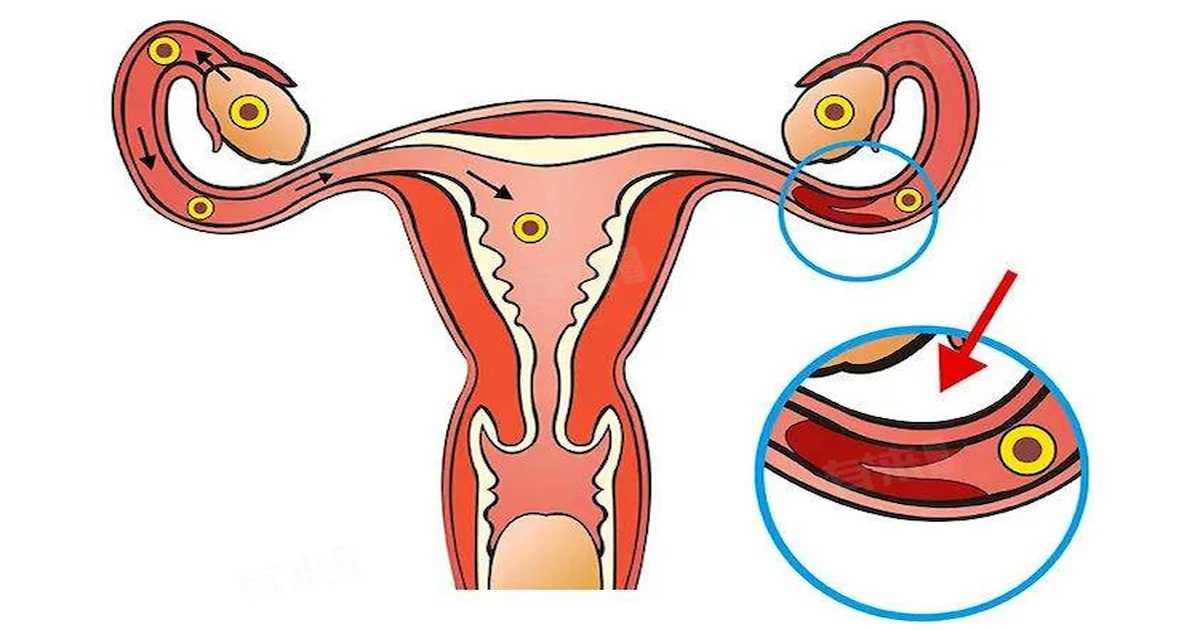
| Hydrosalpinx | Fluid-filled blocked distal tube; fluid refluxes into the uterus and impairs implantation | Chronic PID, post-tubal-ligation |
| Peritubal adhesions | Fibrous tissue encases the tube, restricting movement | Prior pelvic surgery, ruptured appendix, endometriosis |
| Post-salpingectomy | One or both tubes already removed after ectopic pregnancy, hydrosalpinx, or infection | Ectopic surgery, prophylactic removal for hydrosalpinx |
The World Health Organization estimates 186 million people worldwide live with infertility; tubal damage is disproportionately common in low- and middle-income countries, where pelvic infections — chiefly chlamydia and gonorrhea — are the leading preventable cause.
Tubal Surgery or IVF: How Do the Three Paths Compare?
Each path trades time, cost, and probability differently. The side-by-side table is the fastest way to see the trade-offs:
| Dimension | Tubal Repair Surgery | Salpingectomy + IVF | Direct IVF (Tubes Intact) |
|---|---|---|---|
| Who it’s for | Mild adhesions, proximal blockage, younger patients | Hydrosalpinx, severe irreversible damage | Mild tubal factor, unilateral block, surgery declined |
| Natural conception possible? | ~20-50% within 12-24 months post-surgery | No — after bilateral removal, IVF is required | Yes, but low (5-15% per cycle) |
| Effect on IVF success | Neutral | Live birth rate rises ~50% after hydrosalpinx removal | Untreated hydrosalpinx cuts live birth rate ~50% |
| Recovery | 1-3 months | IVF can start 1-2 months after surgery | None |
| Time to pregnancy | 12-24 month attempt window | IVF cycle: 2-4 months | IVF cycle: 2-4 months |
| Average cost | $5,000-$15,000 (laparoscopic) | Surgery $5,000-$12,000 + IVF cycle | $12,000-$20,000 per IVF cycle |
| Main risks | Re-adhesion, ectopic pregnancy | Surgical and anesthetic complications | OHSS, multiples |
| Ectopic risk | ~5-10% post-surgery (2-4x general population) | Extremely low (tubes removed) | 2-5% with hydrosalpinx |
The headline conclusion: the 2020 Cochrane review and a 2025 network meta-analysis agree — with confirmed hydrosalpinx, treat the tube (removal or proximal occlusion) before IVF for an approximately 50% live birth gain. Under 35 with mild damage and normal ovarian reserve, repair surgery with a natural-conception attempt remains a rational first move.
Path 1: Tubal Reconstructive Surgery — Who Benefits?
Repair aims to restore the tube so natural conception becomes possible again; the best candidates are young patients with mild, localized damage. Specifically:
- Age 35 or under with normal ovarian reserve (AMH ≥ 1.5 ng/mL)
- Mild-to-moderate damage (unilateral block, minor fimbrial adhesions)
- No hydrosalpinx, or only minimal fluid
- Willing to spend 12-24 months attempting natural conception
- Motivated to avoid IVF or preserve natural fertility
Four Procedures, Four Success Windows
| Procedure | Best For | 2-Year Natural Pregnancy Rate |
|---|---|---|
| Tubal reanastomosis | Reversal after tubal ligation | 40-85% (technique and remaining tubal length dependent) |
| Fimbrioplasty | Mild fimbrial agglutination | 30-50% |
| Salpingostomy / neosalpingostomy | Distal occlusion, fimbrial reconstruction | 15-30% (weaker with hydrosalpinx) |
| Adhesiolysis | Pelvic adhesions encasing the tube | 20-55% |
The Four Trade-offs to Accept
- Ectopic risk rises: 5-10% of post-repair pregnancies are ectopic — 2-4 times the general rate — so early scans are mandatory — Mettler 2017.
- Re-blockage happens: 15-30% of patients re-occlude or re-adhere within 12-24 months.
- The window closes: attempt natural conception for 12-24 months post-surgery; success falls sharply beyond that.
- Age gates everything: benefit is greatest under 35, debatable at 35-37, and at 38+ repair is generally not worth the time cost.
Path 2: Salpingectomy Before IVF — Why Hydrosalpinx Changes Everything
Hydrosalpinx fluid is embryotoxic: cytokines, prostaglandins, and endotoxins reflux into the uterine cavity, directly damaging the embryo and disrupting endometrial receptivity — Cochrane 2020. That is why this diagnosis sits ahead of IVF rather than beside it.
Candidates for this path have unilateral or bilateral hydrosalpinx, severely damaged tubes (hydrosalpinx diameter over 3 cm, thickened walls), a failed prior tubal surgery, or repeated implantation failure suspected to be fluid-related.
What Treating the Fluid Actually Buys You
| Outcome | Untreated Hydrosalpinx | Treated (Removal/Occlusion) | Change |
|---|---|---|---|
| IVF clinical pregnancy rate | 20-30% | 35-50% | ~50% higher |
| IVF live birth rate | 15-22% | 28-40% | ~50% higher |
| Miscarriage rate | 30-40% | 15-20% | ~50% lower |
Sources: Cochrane systematic review, 2020 update; 2025 network meta-analysis, UOG; Zhang 2019 meta-analysis, RBMO
Four Ways to Handle a Hydrosalpinx
| Method | Pros | Cons | Best For |
|---|---|---|---|
| Laparoscopic salpingectomy | Most definitive and durable; also lowers ectopic risk | Irreversible; surgical risk | Bilateral or severe hydrosalpinx — first choice |
| Proximal tubal occlusion | Preserves the tube; lowers ectopic risk; less invasive | Needs interventional equipment; limited long-term data | Dense pelvic adhesions making excision risky |
| Ultrasound-guided aspiration | Fast, temporary relief | Fluid reaccumulates — over 90% recur within weeks | Bridge only, not routine care |
| Essure coils | Minimally invasive, office-based | ⚠️ Not recommended — meta-analysis showed a ~50% miscarriage rate versus salpingectomy — Barbosa 2017 | Largely abandoned |
Guideline recommendation (Cochrane 2020 + 2025 network meta-analysis): for hydrosalpinx present before IVF, laparoscopic salpingectomy carries the highest level of evidence; proximal occlusion is an acceptable alternative with less data; aspiration is not recommended as routine preparation.
Path 3: Direct IVF With Tubes Left In Place
IVF bypasses the tubes entirely, so most tubal patients — absent hydrosalpinx — can skip surgery altogether. This path suits unilateral blockage with a healthy opposite tube, very mild damage without fluid, patients who cannot undergo anesthesia, those over 38 where time is decisive, and couples with additional IVF indications such as severe male factor.
Are Tubal-Factor IVF Outcomes Worse?
No — provided no hydrosalpinx is present, outcomes match the general IVF population. Data synthesized from the CDC ART surveillance and large cohort studies (live birth per intended egg retrieval, counting all transfers from that retrieval):
| Age Group | Tubal Factor IVF (No Hydrosalpinx) | Tubal Factor IVF (Untreated Hydrosalpinx) | National IVF Average |
|---|---|---|---|
| Under 35 | 45-55% | 20-30% | ~55% |
| 35-37 | 35-45% | 18-25% | ~41% |
| 38-40 | 25-35% | 12-20% | ~27% |
| Over 40 | 12-18% | 6-10% | ~14% |
The core message: tubal factor is one of IVF’s better prognoses — often better than advanced age or diminished ovarian reserve. The one thing that must be ruled out first is hydrosalpinx, the independent negative predictor. For how age itself shifts these odds, see our IVF success rate by age guide.
How Do You Decide? A Three-Step Framework
Work through diagnosis, variables, and path selection in that order.
Step 1: Confirm What the Tubes Are Doing
- HSG (hysterosalpingogram) — first-line test for proximal/distal blockage and hydrosalpinx; sensitivity ~65-80%
- HyCoSy (contrast sonography) — radiation-free alternative that also assesses the uterine cavity
- Laparoscopy with dye test — the gold standard, with the advantage of treating in the same sitting
- Hysteroscopy with tubal cannulation — evaluates and may open proximal blockages
Step 2: Weigh the Seven Decision Variables
| Variable | Impact on Decision |
|---|---|
| Age | Under 35 → repair worth considering; over 38 → go directly to IVF |
| Hydrosalpinx | Present → must treat (removal/occlusion) before IVF |
| Ovarian reserve | AMH below 1.0 → time-limited, direct to IVF |
| Damage severity | Mild adhesions → repair worth trying; severe irreversible → IVF |
| Male factor | Severe oligoasthenoteratozoospermia → direct to IVF/ICSI |
| Prior ectopic | Raises post-repair ectopic risk further → favor IVF |
| Budget | Compare surgery + 12-24 month attempt window against one IVF cycle’s total cost |
Step 3: Follow the Decision Tree
Tubal factor infertility → Confirm diagnosis (HSG / laparoscopy)
                │
                ├─ Hydrosalpinx? → Treat it (salpingectomy / occlusion) → IVF
                │
                ├─ No hydrosalpinx + age <35 + mild damage?
                │       → Consider repair, attempt natural conception 12-24 months
                │       → If not pregnant, move to IVF
                │
                ├─ No hydrosalpinx + age 35-37 + mild damage?
                │       → Individualized: time-boxed repair attempt
                │       → Or direct IVF (generally preferred)
                │
                └─ No hydrosalpinx + age >38 / severe damage / low AMH?
                        → Direct IVF — don't spend the fertility window waiting
FAQ
Q: Can I go straight to IVF with blocked tubes, or must they be unblocked first?
You can go straight to IVF — blocked tubes are one of IVF’s classic indications, and no “clearing” is required beforehand. For moderate-to-severe tubal damage, direct IVF outperforms post-repair natural attempts.
The single exception is hydrosalpinx, which must be treated first: untreated, it cuts live birth rates from 35-50% down to 15-22%.
Q: What is the IVF success rate with hydrosalpinx?
After treatment (salpingectomy or proximal occlusion), outcomes return to the normal range: 35-50% live birth depending on age. Untreated hydrosalpinx cuts that roughly in half, to 15-22% — Cochrane 2020.
Q: Can I conceive naturally after a salpingectomy?
After bilateral removal, natural conception is impossible — 100% of routes to pregnancy run through IVF. With one tube removed and the other healthy, natural pregnancy remains possible, though fertility sits modestly below the two-tube average.
Q: Is tubal surgery or IVF more cost-effective?
It depends on age and severity. Under 35 with mild damage, repair ($5,000-$10,000 plus the attempt window) usually costs less than IVF and can yield multiple natural pregnancies.
Over 38 or with moderate-severe damage, direct IVF wins on both cost-per-baby and time — cost comparisons here.
Q: One tube is blocked — try naturally or do IVF?
With one functioning tube, natural conception still runs about 3-5% per month, so 6-12 months of timed attempts is reasonable if you are under 35. Over 35, the window is short — consider IVF directly, or ovulation induction to raise per-cycle odds; see the step-by-step IVF process guide.
Q: How fast can IVF start after hydrosalpinx surgery?
Typically 1-2 months after laparoscopic salpingectomy — one recovery cycle, then stimulation begins. That makes the treat-then-transfer route a roughly 3-5 month commitment to a completed transfer.
The Decision Is Personal — The Evidence Is Not
Four rules summarize the evidence base:
- Hydrosalpinx is the biggest variable: if present, treat before IVF — the highest-grade recommendation from Cochrane and the 2025 network meta-analysis, worth about a 50% live birth gain.
- Age is the anchor: under 35 leaves room for repair; 35-37 demands a careful trade-off; over 38, go directly to IVF.
- Mild damage is repairable: young patients with fimbrial adhesions or proximal blockage can reasonably preserve natural fertility.
- IVF is the reliable floor: for most moderate-to-severe tubal damage it is the fastest, highest-success path — choosing the right clinic matters, as explained in our how to choose an IVF clinic guide.
Compare programs and success data in our IVF hospital directory, or contact our advisory team for a case-specific second opinion.
Disclaimer: This article is an educational reference, not medical advice. Every patient’s anatomy, age, and history differ — consult a reproductive medicine specialist for an individualized plan.
References
- World Health Organization (2023): Infertility fact sheet. WHO
- Duffy JMN, Ahmad G, Mokhtar A, et al. (2020). Surgical treatment for tubal disease in women due to undergo in vitro fertilisation. Cochrane Database of Systematic Reviews, Issue 10, Art. No.: CD002125. DOI: 10.1002/14651858.CD002125.pub4
- Wang Y, Chen L, Liu J, et al. (2025). Hydrosalpinx treatment before in-vitro fertilization: systematic review and network meta-analysis. Ultrasound in Obstetrics & Gynecology, 65(4): 437-449. DOI: 10.1002/uog.27697
- Zhang Y, Sun L, Gao Y, et al. (2019). Treatment of hydrosalpinx in relation to IVF outcome: a systematic review and meta-analysis. Reproductive BioMedicine Online, 39(3): 413-425. DOI: 10.1016/j.rbmo.2019.04.012
- Barbosa MW, Sotiriadis A, Papatheodorou SI, et al. (2017). High miscarriage rate in women treated with Essure for hydrosalpinx before embryo transfer: a systematic review and meta-analysis. Ultrasound in Obstetrics & Gynecology, 48(5): 556-565. DOI: 10.1002/uog.15960
- Mettler L, Schollmeyer T, Alkatout I. (2017). Hydrosalpinx: tubal surgery or in vitro fertilisation? A narrative review. Journal of Obstetrics and Gynaecology, 37(7): 857-865. DOI: 10.1080/01443615.2017.1287685
- Zhang Y, Fu K, Shi H, et al. (2016). Surgical treatment for hydrosalpinx prior to in-vitro fertilization embryo transfer: a network meta-analysis. Ultrasound in Obstetrics & Gynecology, 48(4): 423-432. DOI: 10.1002/uog.15900
This article was written by the ProIVF Medical Editorial Team and reviewed by the Reproductive Medicine Advisory Team, based on Cochrane, WHO, CDC, and peer-reviewed literature cited above.
Last updated: 2026-06-28.