Clinic choice can shift your live birth rate by 10-20 percentage points with no change to your body: the same stimulation protocol can produce blastocyst rates that differ by 30% between laboratories, and total costs range from $6,000 to $30,000 per cycle.
“The traffic light system is designed to help you compare the success rates of fertility clinics. It shows how a clinic’s success rate compares with the expected rate, based on the ages of the patients who have treatment at that clinic.” — Human Fertilisation and Embryology Authority, HFEA, 2022
What Makes an IVF Clinic “International”?
“International” should describe four operational differences, not a marketing budget.
International centre versus local fertility clinic
- Patient base: international centres design the workflow around cross-border care — remote consultation, multilingual coordination, visa support and travel scheduling as standard.
- Licence scope: permissions across first-, second- and third-generation ART (IVF, ICSI, PGT-A/PGT-M); some jurisdictions add donor eggs or third-party reproduction.
- Laboratory accreditation: expect CAP, JCI or RTAC accreditation, not only a local permit.
- Cross-border support: medically trained coordinators in your language plus a domestic office for pre-travel testing.
Fertility centre, IVF clinic, or reproductive medicine centre?
The labels differ by region, not by capability: mainland Chinese hospitals use “reproductive medicine centre”, Taiwan and Hong Kong use “fertility centre”, and the US and Europe use “fertility clinic” or “IVF center”.
Hospital-based university centres bring multidisciplinary backup for complex cases, while standalone clinics are usually faster and more personalised. Judge the substance — licence scope, laboratory certifications, published data — not the name on the door. Cost structure differences are broken down in our IVF cost guide for 2026.
How Do You Judge an IVF Clinic?
Score seven separate standards rather than trusting any single number. A clinic that fails one can still be right for you — but you should know which one.
1. Regulatory licence and accreditation
Every IVF clinic must hold an ART licence from its national regulator, usually tiered by generation: IVF, ICSI, and PGT separately.
- United States: FDA oversight, with clinic-level outcomes published by the CDC and SART
- United Kingdom: HFEA regulates and publishes data for every licensed clinic
- Thailand: Ministry of Public Health (MOPH) plus the Royal College of Obstetricians and Gynaecologists (RTCOG)
- Malaysia: Ministry of Health (MOH) issues ART licences
- Japan: JSOG sets ethical guidance rather than a single licensing body
- Mainland China: National Health Commission licences with explicit first/second/third-generation scopes
All publish registers online — rule out any clinic advertising PGT without a matching licence.
2. Laboratory hardware and certification
The embryology lab decides whether your embryos reach transfer; ask for its parameters in writing.
- Independent temperature and pressure control with positive air pressure
- Time-lapse incubation (EmbryoScope, Geri or equivalent)
- Air cleanliness at ISO class 5-6 or better
- CAP or ISO 15189 certification
Confident clinics volunteer blastocyst formation rates (typically 50-70%) and post-thaw survival (above 98% at strong centres). A clinic that publishes lab parameters is far more credible than one that only advertises success rates.
3. Live birth rate transparency
Three rules for reading published rates: look at live birth rather than clinical pregnancy (live birth runs 10-15 percentage points lower), look at age-stratified rather than pooled data, and look for third-party verification (SART, HFEA, ANZARD). Treat an unqualified “80% success rate” as a red flag: no age band, metric, or data source means the number cannot be checked.
Realistic benchmarks are in our IVF success rate by age guide.
4. The treating specialist’s background
Your doctor matters more than the brand on the wall. Check years in reproductive endocrinology (10 or more), annual cycle volume (over 200 cycles/year is the competence line), subspecialty focus (advanced age, recurrent failure, male factor, PGT), publications, and documented outcomes in cases like yours.
A “medical director” title does not guarantee clinical experience — confirm who will design your protocol and who will physically perform the retrieval and transfer.
5. Capacity for individualised protocols
Patients with advanced maternal age, poor response, or repeated implantation failure must not be placed on a production-line protocol. A personalised centre designs stimulation from AMH, AFC, and prior cycle data.
Ask about mild stimulation for low reserve, DuoStim (two retrievals in one cycle), and natural-cycle IVF for extremely low reserve. Protocol strategy for patients over 35 is covered in our IVF over 35 guide.
6. Language and cross-border service quality
Hidden costs of overseas treatment are routinely underestimated, and language is where they appear. Test three things: whether interpreters have medical backgrounds, whether language support covers the entire cycle (not just the first consultation), and whether the clinic has a domestic office for baseline testing.
Serious international programmes invest in video consultation, visa assistance, and remote monitoring.
7. Fee structure and package design
Cost transparency is the fastest proxy for institutional honesty. Demand a written itemised quotation, not a verbal total, covering:
- Stimulation medication, the most variable line at 20-30% of the total
- Egg retrieval and anaesthesia
- ICSI, usually an additional $1,000-$2,000
- PGT-A screening at $3,000-$5,000
- Embryo freezing plus annual storage fees
- Frozen embryo transfer pricing
Multi-cycle and shared-risk refund packages reduce financial exposure; coverage rules are in our IVF insurance guide.
Which Countries Have the Best IVF Clinics?
Four destinations dominate cross-border IVF from Asia, differing on price, legal scope, and lab depth more than on technique.
United States: highest cost, deepest transparency
The US has the most mature ART regulation and public outcome data, because SART and the CDC require annual clinic reporting; PGT-A, PGT-M, donor eggs and surrogacy are legal in permissive states.
Costs are the world’s highest at $12,000-$30,000/cycle. Four representative centres with Chinese-language services:
| Centre | City | Founded | Signature technology | Published rate under 35 | Chinese-language service |
|---|---|---|---|---|---|
| Columbia University Fertility Center | New York, NY | 1978 | CORAL-IVF oral protocol, APRIL robotic dish preparation, STAR AI sperm tracking | SART 2023: 58% | Yes |
| HRC Fertility Group | Pasadena, CA | 1988 | Needle-free IVF, FemaSeed transcervical insemination, Geri time-lapse incubator | CDC 2022: 42.8% | Yes |
| INCINTA Fertility Center | Torrance, CA | 2017 | CAP/CLIA dual-accredited lab, AI time-lapse, 98.6% frozen transfer strategy | Not published | Yes |
| Global Fertility & Genetics (GFG) | New York, NY | 2016 | EmbryoScope time-lapse, donor egg and surrogacy programme | CDC 2022: 51.6% | Yes |
Columbia University Fertility Center (NewYork-Presbyterian/Columbia): Newsweek’s #1 US fertility centre. Its CORAL-IVF oral protocol cuts medication cost roughly 100x, APRIL automates dish preparation, and lab air is filtered about 1,000x cleaner than ambient. Typical cost: $15,000-$25,000/cycle.
HRC Fertility Group: California’s largest ART group (15 clinics, 33 reproductive endocrinologists, three embryology labs). USC partnership supports needle-free IVF: oral medication plus one injection completes stimulation. Typical cost: $12,000-$20,000/cycle.
INCINTA Fertility Center (Torrance): 20,000 sq ft with a CAP/CLIA dual-accredited lab. Director Dr Yufen Xie’s team hit the #1 US success ranking in 2016 with 100% across 500+ blastocyst biopsies; 98.6% of transfers are frozen, 100% use ICSI, 97%+ include PGT-A. Typical cost: $14,000-$22,000/cycle.
Global Fertility & Genetics (Manhattan): Dr Melvin Thornton II, 30 years of practice, a Chinese/English/Japanese team, and depth in donor eggs and third-party reproduction. Typical cost: $13,000-$20,000/cycle.
Accredited US programmes: United States IVF hospital directory.
Thailand: the value benchmark
Thailand is among the best-value ART destinations at $6,000-$12,000/cycle, one-third to one-half of US pricing, with 3-5 hour flight times from China and mature Chinese-language services. PGT is legal, but sex selection has been restricted since 2015.
| Centre | City | Founded | Signature technology | Published rate | Chinese-language service |
|---|---|---|---|---|---|
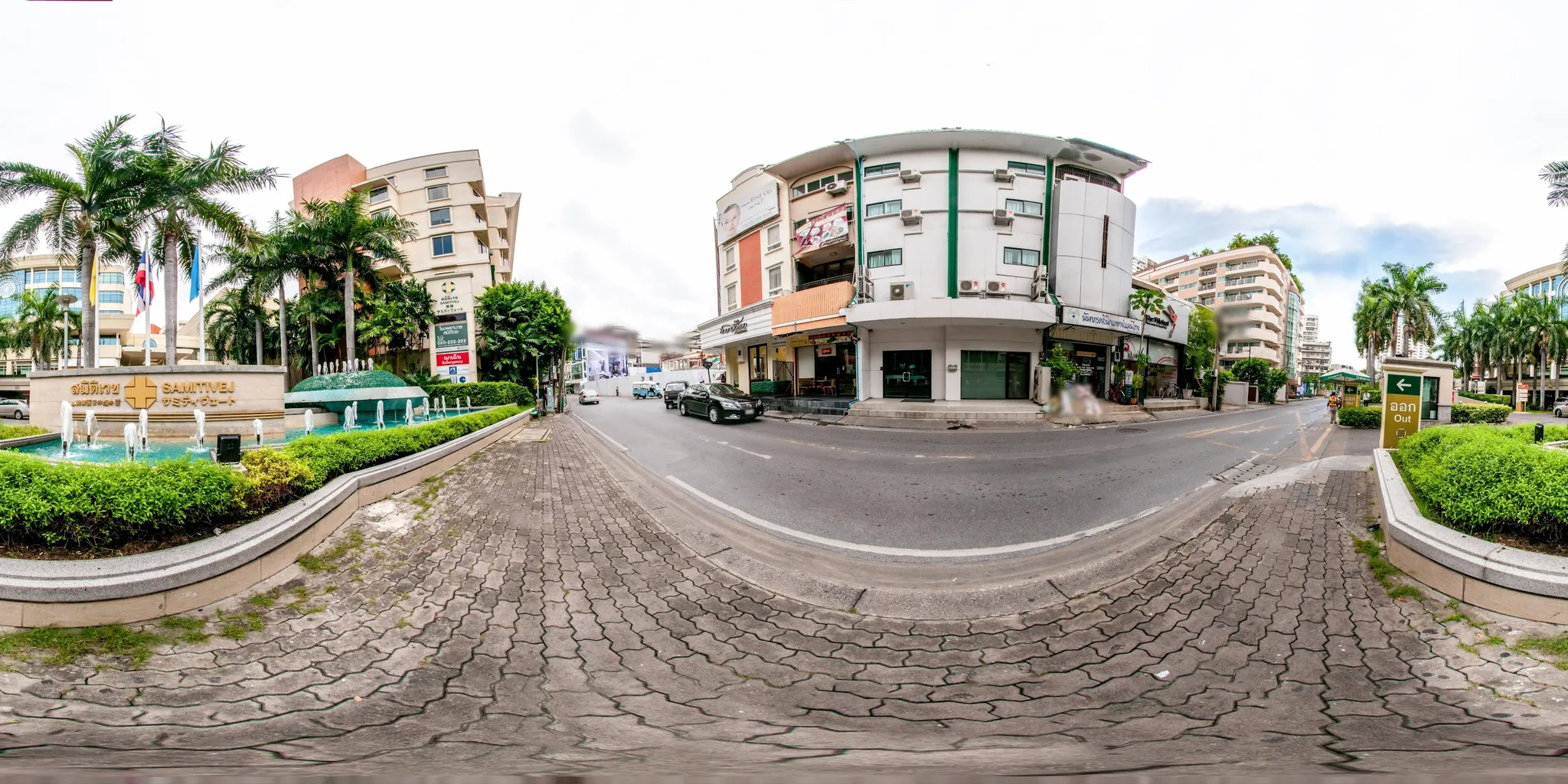
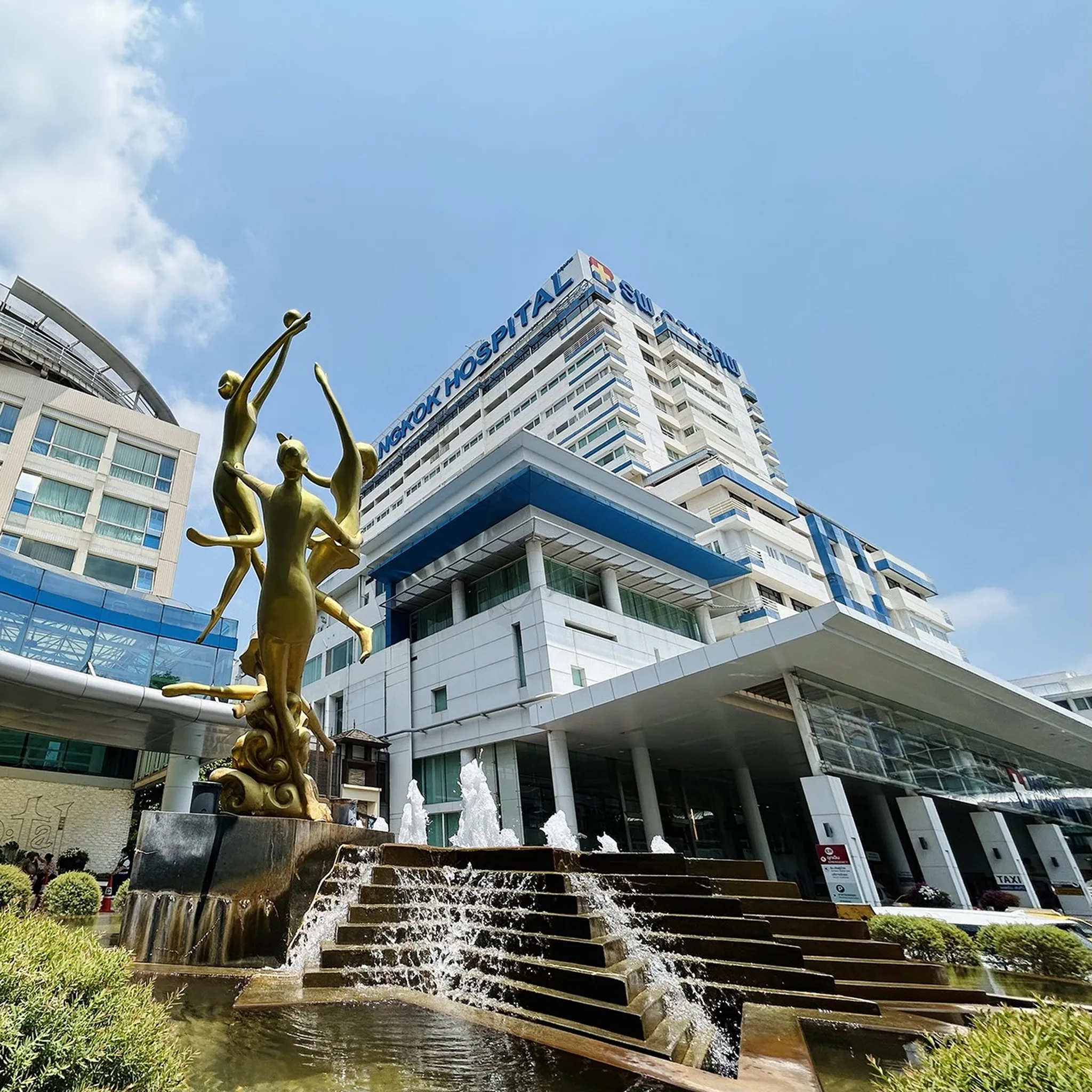
| Bumrungrad International Hospital | Bangkok | 1980 | JCI-accredited general hospital, multidisciplinary one-stop IVF | Self-reported ~67% | Yes |
| Legend Fertility Center (LRC) | Bangkok | 1997 | Thailand’s first 5-day blastocyst (1998), EmbryoScope Plus, AI embryo selection | Self-reported clinical pregnancy 83% (Mar 2026) | Yes |
| Superior A.R.T. | Bangkok | 2007 | In-house genetics laboratory, Australian technology partnership | Self-reported FET pregnancy 70-80% | Yes |
| DHC (Deep & Harmonicare) | Bangkok | 2018 | JCI, UK NEQAS, CAP and RTAC accreditation, China-Thailand model | Not published | Yes |
Bumrungrad International Hospital: Southeast Asia’s largest private hospital and the first in Asia JCI-accredited. Hospital-wide lab, anaesthesia and ICU backup matters when an OHSS complication needs escalation; 1,300+ physicians and 200+ interpreters serve international patients. Typical cost: $8,000-$12,000/cycle.
Legend Fertility Center: completed 20,000+ ART cycles, two-thirds of patients aged 35-45; strong in mild stimulation plus blastocyst culture. Typical cost: $7,000-$10,000/cycle.
Superior A.R.T. (Australian partners): its own ISO 15189 embryology and genetics lab has screened 200+ genetic conditions — Southeast Asia’s strongest PGT capability on that measure. Typical cost: $7,000-$11,000/cycle.
DHC Reproductive Center: China-Thailand model with directly managed offices in Beijing, Shenzhen, Chongqing and Chengdu, so baseline testing and stimulation start at home; among the few Thai centres holding JCI, UK NEQAS, CAP and RTAC simultaneously. Typical cost: $8,000-$12,000/cycle. See the DHC clinic profile and the Thailand directory.
Malaysia: conservative law, competitive price
Malaysian ART costs $5,000-$10,000/cycle, comparable to Thailand, with mature IVF/ICSI and legal PGT. Treatment is restricted to married heterosexual couples, commercial surrogacy is banned, and a large Chinese-speaking population eases language access.
| Centre | City | Founded | Signature technology | Published rate | Chinese-language service |
|---|---|---|---|---|---|
| Alpha IVF & Women’s Specialists | Selangor | 2011 | PIEZO-ICSI, Ion Torrent NGS, AI embryo selection, Bursa-listed | Self-reported clinical pregnancy 70.4% without PGT-A / 70.0% with PGT-A | Yes |
| Ever Link Fertility Centre | Kuala Lumpur | 2020 | NGS sequencing, Class 100 clean workstation, GenPrime network member | Not published | Yes |
Alpha IVF & Women’s Specialists (Dato’ Dr Colin Lee Soon Soo): Malaysia’s first publicly listed fertility group (Bursa code 0303, 2024). It reports 20+ world-first achievements and a national record of 10,290 consecutive embryos surviving Cryotec freeze-thaw at 100%; 2024 frozen-blastocyst outcomes are published by age band. Typical cost: $6,000-$10,000/cycle.
Ever Link Fertility Centre: a Chinese-capital group led by FRCOG Dr Mathi Arasu, with Class 100 clean-air and third-generation NGS hardware. Typical cost: $5,000-$8,000/cycle; see the Malaysia IVF directory.
Japan: mild stimulation pioneer
Japanese clinics are known for mild stimulation and natural-cycle IVF: less medication, lower physical burden, usually more cycles. Costs run from about $4,000 with national insurance to $12,000 self-pay; infertility treatment entered insurance coverage in April 2022.
Egg donation and commercial surrogacy remain prohibited, and PGT-A is legal but self-funded.
| Centre | City | Founded | Signature technology | Published rate | Chinese-language service |
|---|---|---|---|---|---|
| Sugiyama Ob-Gyn Clinic Shinjuku | Tokyo | 2018 (Shinjuku branch) | Piezo-ICSI, time-lapse, PGT-A, ERA, PRP ovarian rejuvenation, ~80% insurance-applicable | Self-reported cumulative pregnancy over 93% in 3 cycles under 40 | Yes |
| Kato Ladies Clinic | Tokyo | 1993 | Natural-cycle and mild stimulation pioneer, ultra-fine retrieval needle, Cryotop vitrification | Natural-cycle IVF under 35 ~38% | Yes |
| Hanabusa Women’s Clinic | Kobe | 2000 | Patented SEET film method, two-step embryo transfer, Piezo ICSI, FT falloposcopy, JISART accredited | Self-reported 59.8% per treatment, 88.8% cumulative over 3 cycles | Yes |
Sugiyama Ob-Gyn Clinic Shinjuku: the overseas-facing branch of an 80-year-old group with 16 reproductive specialists and 10 endoscopic surgeons, five minutes from Shinjuku Station with Chinese-speaking interpreters. Piezo-ICSI fertilisation exceeds 83%.
Kato Ladies Clinic (the late Dr Osamu Kato): 20,000+ ART cycles/year, 70,000+ cumulative births; anaesthesia-free retrieval via 21G/22G needles, Cryotop vitrification adopted worldwide, consults 365 days/year. Typical cost: $3,000-$8,000/cycle.
Hanabusa Women’s Clinic (Kobe; Dr Masahide Shioya): 42,388 pregnancies between 2010-2023, the only JISART-accredited clinic in Hyogo Prefecture. The SEET film method and two-step transfer target implantation, backed by Piezo ICSI, time-lapse culture, ERA and FT falloposcopy; evening and online consultations. Typical cost: $4,000-$10,000/cycle.
Compare programmes through the full IVF hospital directory.
How Do You Choose Your Fertility Doctor?
Cycle volume beats titles, and subspecialty fit beats both. An academic chair can signal research productivity rather than hands-on transfer skill.
Should you weigh credentials or case volume?
Prioritise annual cycles completed (over 200 is competent, 400+ is highly experienced), the proportion in your own category, and clinical data published within the last 3 years. A publishing professor who rarely performs transfers may be a poor match for a complex case; a non-academic clinician running 400+ cycles/year may be the stronger operator.
How do you match a doctor to your diagnosis?
- Advanced maternal age: look for microstimulation, natural-cycle or DuoStim experience — the Kato Ladies Clinic team is the reference example
- Recurrent implantation failure: look for ERA, immune work-up and endometrial microbiome experience, as at Sugiyama or HRC’s recurrent loss teams
- Severe male factor: look for TESE/MESA microsurgical experience plus PIEZO-ICSI capability
Then ask directly: “What was your live birth rate for patients like me over the last 12 months?”
Does remote follow-up quality really matter?
In cross-border care it decides whether the cycle is manageable. Confirm the doctor offers video reviews, exposes results through a patient portal, and will follow you through your home country’s lab work — especially for luteal support and early pregnancy monitoring after transfer.
Dedicated coordinator models keep both sides informed; the aftercare protocol is in our embryo transfer aftercare guide.
What Should You Bring to the First Consultation?
Bring eight baseline test reports and ten questions that expose whether a clinic can answer with data.
The 8 test reports to bring
- Day 2-3 sex hormone panel — FSH, LH, E2, progesterone, testosterone and prolactin
- AMH — the most stable reserve marker, testable any cycle day
- Transvaginal ultrasound with AFC — 2-10 mm antral follicles counted bilaterally on day 2-3
- Thyroid function (TSH, FT3, FT4) — a frequently missed factor in implantation failure
- Infectious disease screen — hepatitis B/C, HIV and syphilis; mandatory before a cycle
- Two semen analyses — taken 2-4 weeks apart, covering concentration, motility, morphology and DNA fragmentation
- Previous cycle records — protocol, drug doses, oocyte yield, fertilisation rate, embryo grades, transfer outcomes
- HSG or hysteroscopy report — cavity shape and tubal patency; essential after repeated failure
The 10 questions to ask
- Given my age and reserve, what oocyte yield and live birth rate should I expect?
- Which stimulation protocol do you recommend, and why this one?
- Do I need PGT-A, and what improvement should I expect?
- What are your lab’s blastocyst formation and thaw survival rates, and are they third-party verified?
- Itemise the full cycle cost — medication, retrieval, ICSI, PGT, freezing, storage. What is not included?
- If the first transfer fails, what is Plan B?
- Do you support single embryo transfer, and what is your multiple-pregnancy policy?
- How does remote follow-up work after I go home, and who is my coordinator?
- What is the OHSS or emergency protocol, and is there 24-hour contact?
- Can I see your outcomes for patients like me?
Before booking, run your own readiness check with the IVF preparation checklist, and understand the full treatment sequence in the IVF cycle guide.
FAQ
Q: Are “IVF clinic”, “fertility centre” and “international reproductive medicine centre” different things?
They are all licensed ART providers; the difference is scale and service design, not basic technique. An international centre adds three things a local clinic usually lacks — multilingual coordination, a cross-border workflow, and internationally accredited labs (CAP, JCI, or RTAC).
Q: Should I treat domestically or go abroad?
Domestic treatment in mainland China costs roughly 30,000-80,000 RMB/cycle, with no language barrier and no travel. Overseas centres offer wider PGT availability, legal access to donor gametes in some jurisdictions, shorter waiting lists, and more individualised protocols — why stage III-IV or repeated-failure patients often look abroad.
Q: Are “80% success rate” claims credible?
Not without three qualifiers: the age band, the metric (clinical pregnancy vs live birth), and the data source with its reporting year. Common manipulations: reporting only under-35 patients, counting only good-quality transfers, substituting clinical pregnancy for live birth, and blending donor-egg results.
Verified clinic data for the US are published by the CDC and SART.
Q: Can single patients or same-sex couples access IVF?
Mainland Chinese clinics require a marriage certificate, so single and LGBT patients are not served domestically. The United States — California and New York especially — is open to all patients with legal protection for single and same-sex parenthood.
Some Thai clinics accept unmarried women while restricting same-sex couples, and Japan and Malaysia limit treatment to married heterosexual couples. Take independent legal advice before committing.
Q: Can you advise on surrogacy hospitals?
No — surrogacy is tightly restricted in mainland China and most jurisdictions, and ProIVF provides information on legal assisted reproduction only. For cross-border questions of that kind, consult a licensed attorney in the relevant jurisdiction.
The Bottom Line: Choose the Laboratory and the Doctor
Selecting an IVF clinic reduces to two assets: the embryology lab, which decides whether your embryos develop, and the treating physician, who decides whether the protocol fits your biology. Trustworthy institutions publish age-stratified live birth rates, lab parameters, and itemised pricing.
Your optimal answer depends on age, history, and budget. Get a personalised shortlist from our IVF hospital directory, or contact our advisory team for a one-to-one evaluation.
About this article: researched and written by the ProIVF Medical Editorial Team following Google E-E-A-T health content guidelines and reviewed by the ProIVF Medical Advisory Board. Clinic figures are self-reported or registry-based as labelled, and are population-level references rather than predictions of individual outcome — confirm details directly with each clinic before deciding. This article is for informational purposes only and is not medical or legal advice. Editorial standards: ProIVF About page. Last updated: 2026-09-20.