'%20d='m0%200%2016%2011h61%2061%2061%2061%2060L47%2037h61%2061%2060%2061L16%2063h61%2061%2061%2061%2060L47%2089h61%2061%2060%2061L16%20115h61%2061%2061%2061%2060L47%20141h61%2061%2060%2061L16%20166h61%2061%2061%2061%2060L47%20192h61%2061%2060%2061L16%20218h61%2061%2061%2061%2060z'/%3e%3c/svg%3e)


About Emory Reproductive Center
Emory Reproductive Center is part of Emory University School of Medicine and Emory Healthcare, the most comprehensive academic health system in Georgia. The center operates five locations across the greater Atlanta area — Emory University Hospital Midtown (main office), Emory University Hospital, Emory Decatur Hospital, Emory Johns Creek Hospital, and the Buckhead center — giving patients convenient access to coordinated fertility care.
Every physician on the team is a board-certified reproductive endocrinologist and a faculty member of Emory University School of Medicine. In 2022 the center performed 1,429 ART cycles with 392 pregnancies, 308 deliveries, and 318 live births (CDC NASS 2022). The center’s own website states that under-35 results have beaten the national average ten years running, citing the CDC’s annual ART report. Treat that as the clinic’s claim rather than a verified record: our data carries only the CDC’s 2022 report year, the latest the agency has published, and one year cannot confirm a ten-year trend.
Accreditations & Awards
CDC-Reported Outcomes: In the CDC’s 2022 ART report, the center’s cumulative live birth rates were 49.7% under 35, 39.5% at 35-37, 20.9% at 38-40, and 15.6% over 40. The national figures for the same report year are 48.3%, 32.5%, 20.9% and 9.8%, which puts the center above the country in three of the four age bands and level with it at 38-40. Clinic and national rows here are both from that one report year.
SART Member: The center is a full member of the Society for Assisted Reproductive Technology (SART), reporting success rate data for annual review to ensure clinical transparency.
CAP/CLIA-Certified Laboratory: The embryology laboratory holds both College of American Pathologists (CAP) accreditation and CLIA certification, ensuring the highest quality standards in diagnostic and embryology testing.
Academic Excellence: As an Emory University School of Medicine-affiliated center, physician faculty contribute extensively to reproductive medicine research and national standards.
Why Choose Emory Reproductive Center
Academic Medical Center All physicians are Emory University School of Medicine faculty practicing within Emory Healthcare, Georgia’s largest academic health system. Patients benefit from multidisciplinary collaboration for complex cases including advanced maternal age and repeated implantation failure.
Reported Outcome Data The center is a SART member that submits cycle data for annual review by SART and the CDC. The age-band figures on this page come from that 2022 CDC report rather than from clinic-published numbers, and they are compared with the national rows of the same report year.
Five Convenient Locations Care is delivered across Midtown, Clifton, Decatur, Johns Creek, and Buckhead, covering the full journey from first consultation to follow-up at the location nearest you.
Donor Program Egg and sperm donors complete rigorous screening for genetic history, with physical characteristics such as hair and eye color matched so parents and babies resemble each other more closely.
LGBTQ+ Family Building Comprehensive family-building options include IUI, IVF, reciprocal IVF (co-IVF), donor insemination, and gestational carrier arrangements (source: Emory LGBTQ family building page).
Oncofertility The center partners with oncology teams to preserve fertility for patients facing chemotherapy or radiation, protecting future family-building options.
IVF & Fertility Services
Core Assisted Reproductive Technology
- In Vitro Fertilization (IVF): Individualized stimulation protocols combined with advanced embryo culture.
- ICSI (Intracytoplasmic Sperm Injection): Single-sperm injection to address severe male factor infertility.
- IUI (Intrauterine Insemination): Washed sperm placed directly into the uterus, suited to mild male factor or unexplained infertility.
- Assisted Hatching: A controlled opening in the zona pellucida before transfer to help embryo implantation.
Fertility Preservation
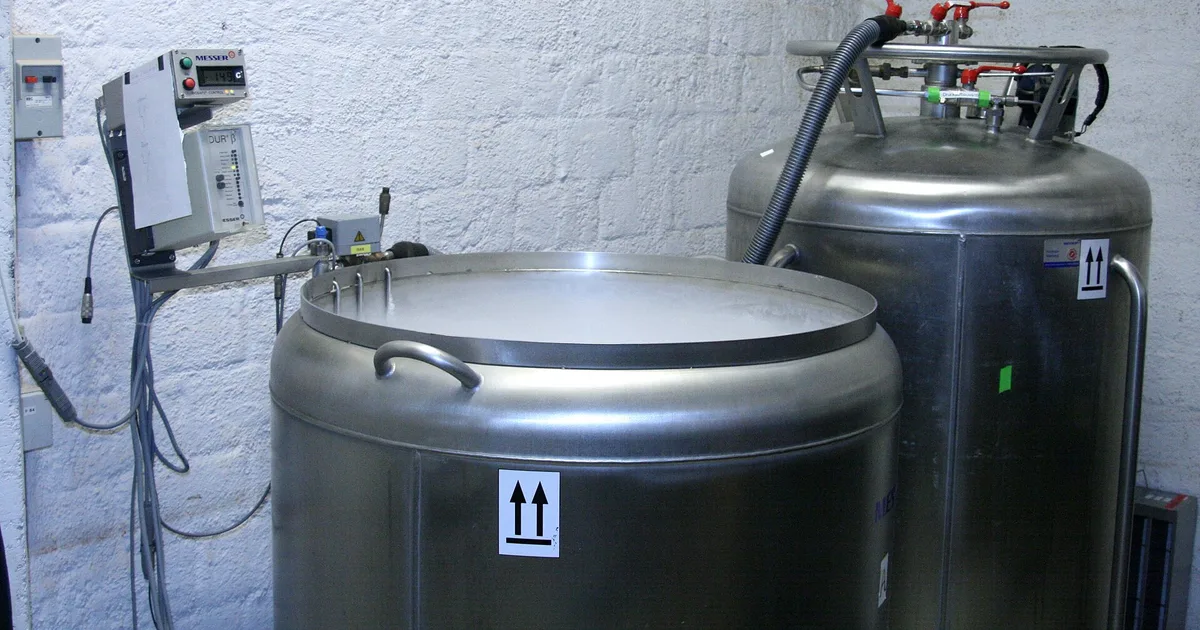
- Egg Freezing (Oocyte Cryopreservation): Ovarian stimulation followed by transvaginal retrieval and vitrification for future use — a typical two-week process.
- Embryo Cryopreservation: Excess healthy embryos are frozen for later transfers, avoiding repeat stimulation cycles.
- Oncofertility: Fertility preservation planning before cancer treatment, coordinated with oncology teams.
Genetics & Donor Programs
- PGT / PGD Genetic Testing: Preimplantation genetic testing to screen embryos for genetic disorders before transfer.
- Egg & Sperm Donor Program: Rigorous donor screening, genetic history evaluation, and physical characteristic matching.
Specialized Programs
- LGBTQ+ Family Building: Donor IUI/IVF, reciprocal IVF (co-IVF), and gestational carrier support.
- Young Adult Reproductive Clinic: Fertility assessment and preservation counseling for adolescents and young adults.
- Reproductive Surgery: Laparoscopic and robotic surgical options coordinated within Emory Healthcare.
Fees & Packages
The center does not publish standard pricing publicly but notes competitive pricing for egg retrieval and storage. Financial navigators help patients understand insurance coverage and self-pay options. Contact the hospital for current pricing.
Patient Journey
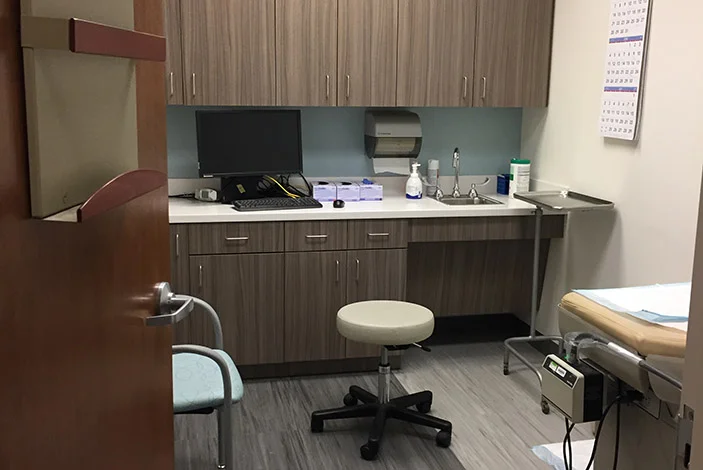
- First Appointment: Check in with photo ID and insurance card; expect about 1.5 hours with your physician, nurse, and client experience coordinator (CEC).
- Fertility Evaluation: Comprehensive assessment including ovarian reserve testing, tubal and uterine evaluation, and semen analysis.
- Personalized Treatment Plan: Choose stimulation, IUI, IVF/ICSI, egg/embryo freezing, PGT, donor, or LGBTQ+ family building options; the CEC reviews insurance and self-pay pathways.
- Cycle Treatment: Ovarian stimulation → transvaginal egg retrieval (IV sedation) → fertilization/ICSI → embryo culture (5-6 days to blastocyst) → PGT if applicable → fresh or frozen embryo transfer.
- Pregnancy Confirmation: Blood β-hCG test 10-14 days after transfer, followed by ongoing care through heartbeat confirmation and referral to obstetrics.
- Mental Health Support: A free 12-week program is available through Emory’s Women’s Emotional Wellness Center.
Local Legal Framework
Egg and Sperm Donation: Georgia law permits egg and sperm donation with a written legal agreement releasing the donor’s parental rights.
Surrogacy: Commercial surrogacy is prohibited in Georgia. Gestational surrogacy agreements require court review; intended parents should consult legal counsel before starting.
PGT Genetic Testing: PGT-A/PGT-M has no special legal restrictions in Georgia; standard medical informed consent is required.
LGBTQ+ Family Rights: Georgia recognizes the parenting rights of same-sex couples, who may build families through assisted reproductive technology.
Embryo Legal Status: Georgia has not established a clear legal status for embryos; patients should define disposition rights through reproductive agreements.
Location
- Address: 550 Peachtree St NE, Suite 1800, Atlanta, GA 30308
- Phone: (404) 778-3401