'%20d='m0%200%2016%2011h61%2061%2061%2061%2060L47%2037h61%2061%2060%2061L16%2063h61%2061%2061%2061%2060L47%2089h61%2061%2060%2061L16%20115h61%2061%2061%2061%2060L47%20141h61%2061%2060%2061L16%20166h61%2061%2061%2061%2060L47%20192h61%2061%2060%2061L16%20218h61%2061%2061%2061%2060z'/%3e%3c/svg%3e)
About Fertility Associates of Memphis
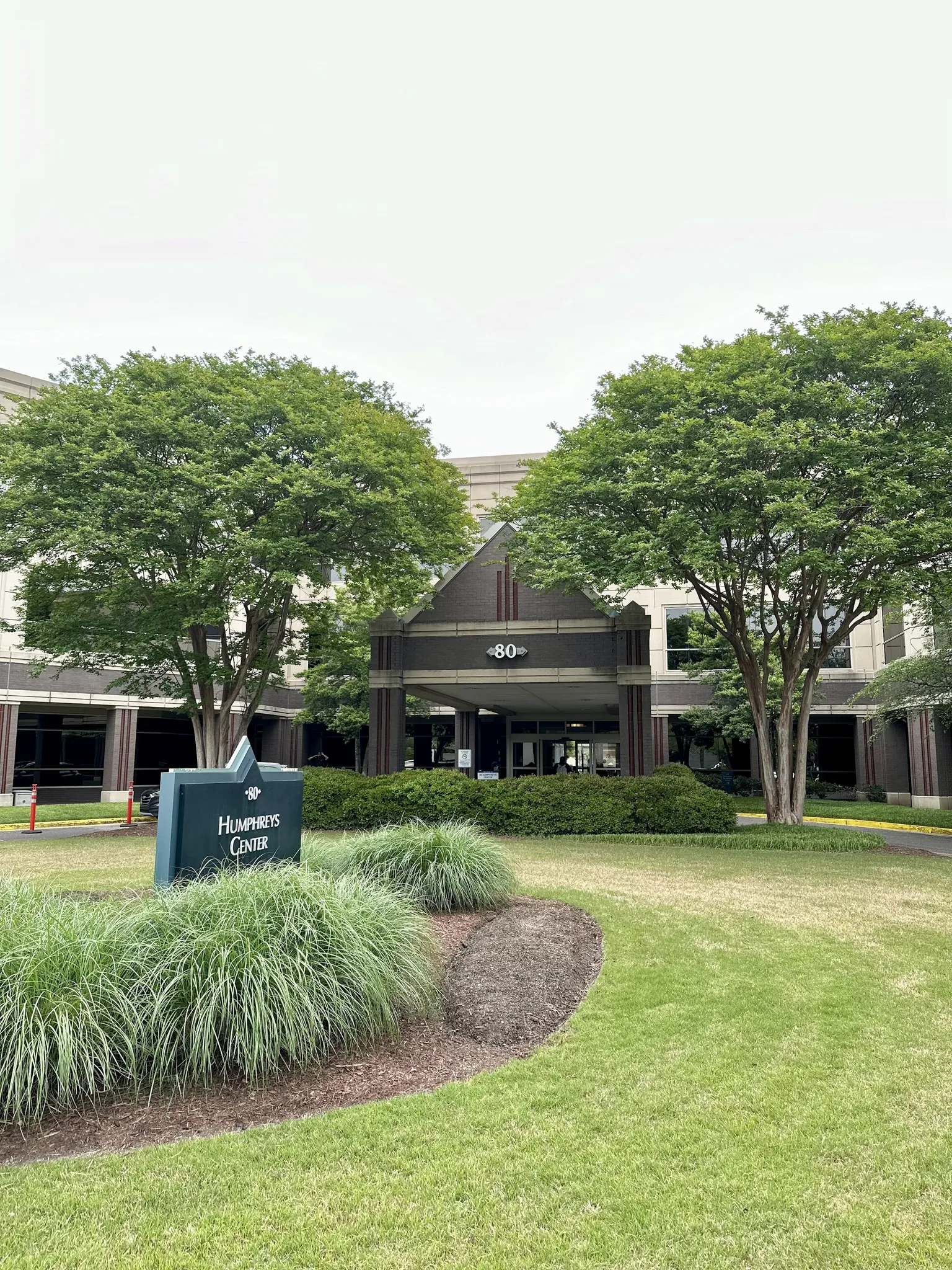
Fertility Associates of Memphis (FAM) opened in March 2003 in a medical complex at 80 Humphreys Center, just off I-240 near Baptist Memorial Women’s Hospital, and it has stayed a one-address practice: one clinic, one lab, six physicians. SART lists the practice under its legal name, Kutteh Ke Fertility Associates of Memphis, PLLC (ClinicPKID 2183), with 997 ART cycles reported in 2023 against a national per-clinic average around 932. FAM attributes more than 10,000 births to the practice since opening — a cumulative count from the clinic’s own site, not an audited figure. The practice appears in Ivy Fertility group materials, but every number on this page is this Memphis registration, not a network total.
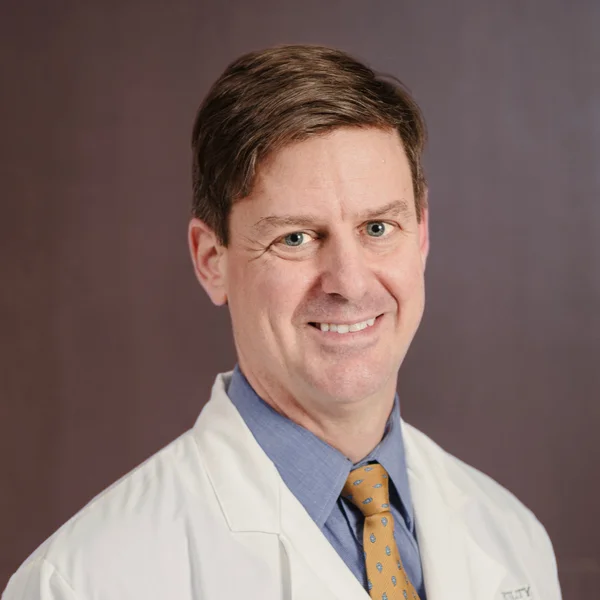
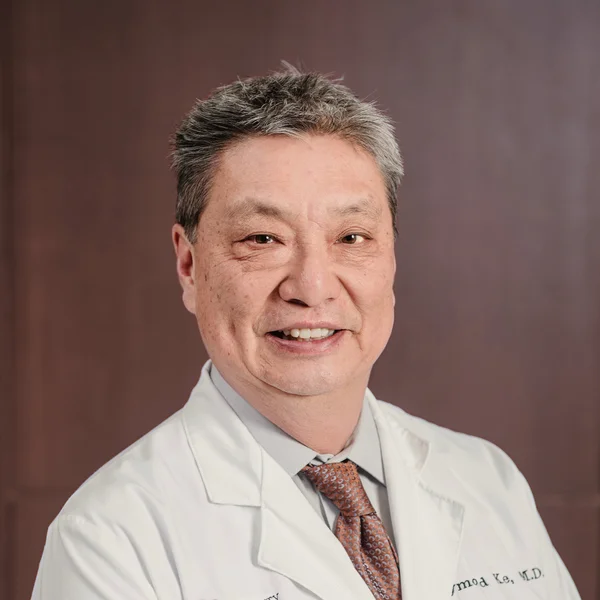
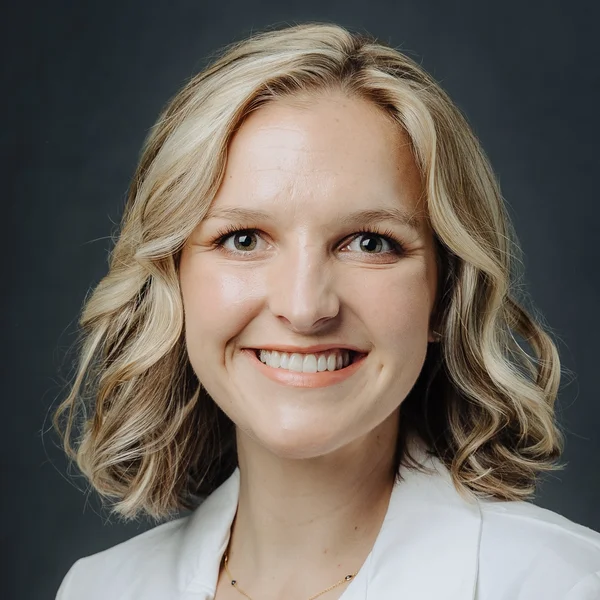
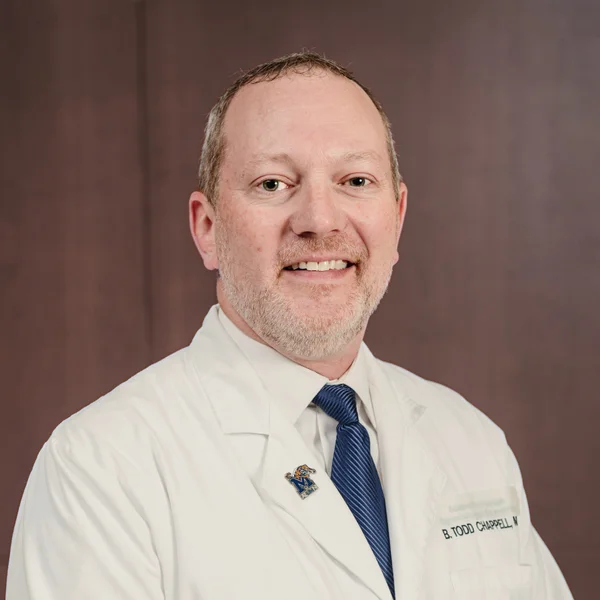
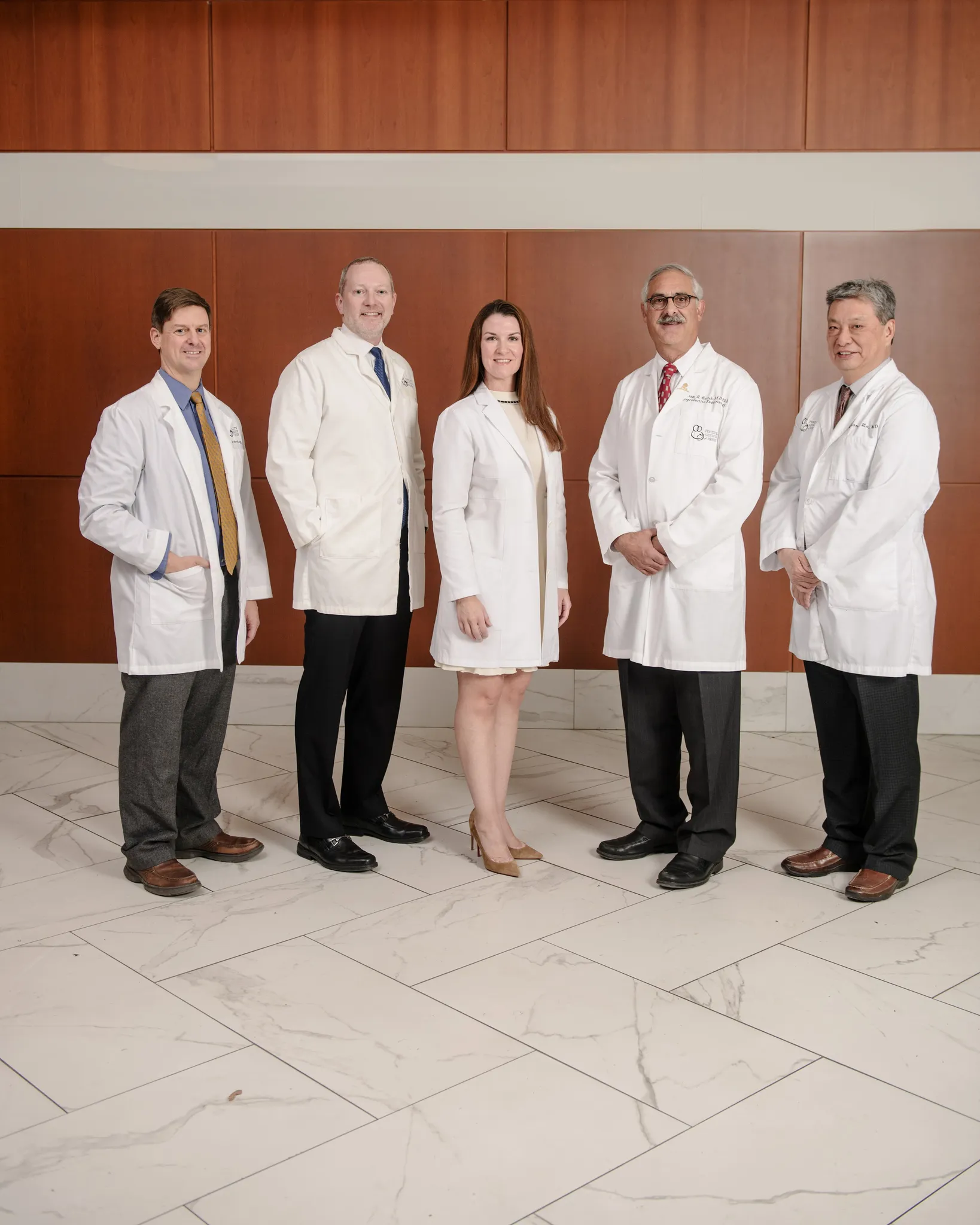
The care team is organized around named directorships rather than a general pool. Four physicians are board certified in Reproductive Endocrinology and Infertility: Paul Brezina (Managing Physician and Director of Reproductive Genetics), Amelia Bailey (Director of Fertility Preservation), Raymond Ke (Director of Assisted Reproductive Technology, and the practice’s SART-listed medical director) and William Kutteh (Co-Director, Center for Recurrent Pregnancy Loss). B. Todd Chappell is board certified in OB/GYN with a Minimally Invasive Gynecologic Surgery focused-practice certification and leads complex surgery; Sierra Bishop is listed by the clinic as a reproductive endocrinology and infertility specialist. Patients from Tennessee, Mississippi, Alabama and Arkansas travel here for cycles, which is why the practice runs its own lab instead of outsourcing.
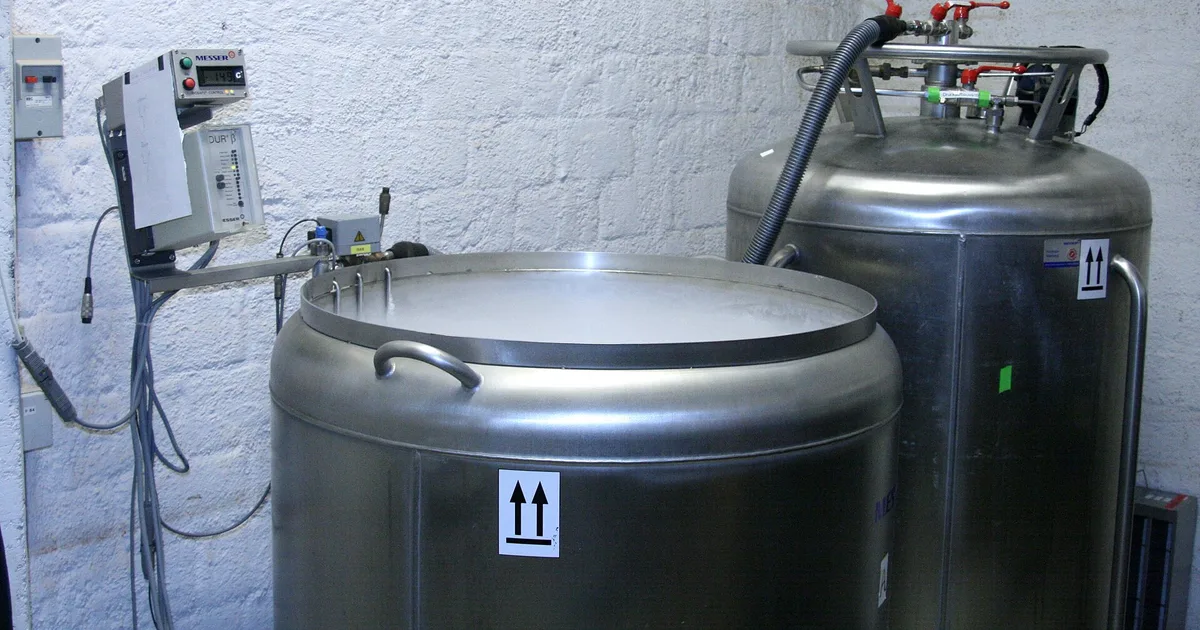
The laboratory is the clinic’s hardest asset. A full-service in-house embryology lab is directed by Jianchi Ding, Ph.D., a High-Complexity Clinical Laboratory Director certified in both Embryology and Andrology, and FAM describes it as the only fertility laboratory in the mid-south offering specialized reproductive testing. Memphis Fertility Laboratory, Inc. is the separate lab entity where Raymond Ke serves as Director of Andrology; that is where semen analysis is performed, and per the clinic’s cost page it is in network only with UnitedHealthcare. Genetic testing runs on a hybrid model: FAM embryologists culture embryos to day 5-7 and perform the laser blastocyst biopsy themselves, then ship the sample to an outside PGT laboratory for analysis.
On outcomes, the honest read of the 2023 SART final data (live births per intended egg retrieval, all embryo transfers, patients using their own eggs) is that FAM beats the national average where volume concentrates and matches it elsewhere. Under 35: 58.8% on 177 intended retrievals versus 53.2% nationally. Ages 35-37: 41.4% on 87 versus 39.9%. Ages 38-40: 25.8% on 62 versus 26.2% — the same figure once you allow for 62 cycles of noise. Ages 41-42: 14.3% on 21 versus about 13%, and above 42 the practice reported 1 live birth in 7 retrievals. FAM’s front-page claim of success rates “up to 36% above the national average” is not supported by that table; the widest gap is 5.6 percentage points, roughly 10% in relative terms. Two other numbers circulate on the clinic’s own pages and use different denominators: its patient-success chart plots singleton births (57.1% under 35, lower than the live-birth figure), and SART also reports live births per new patient (66.2% under 35), which is cumulative across a patient’s treatment and therefore higher than per retrieval. Check the source report before comparing clinics.
Accreditations & Awards
- SART member practice, 2023 final report filed as Kutteh Ke Fertility Associates of Memphis, PLLC, ClinicPKID 2183, with 997 cycles and age-banded live birth outcomes publicly retrievable
- Laboratory listed as CAP Accredited in the SART clinic record for this practice
- Tennessee high-complexity laboratory licensure, with laboratory director of record Raymond W Ke, MD, HCLD, certified by the State of Tennessee and the American Board of Bioanalysts
- Newsweek, America’s Best Fertility Clinics, 2023-2026, with the clinic ranking itself in the top 15% of U.S. fertility clinics (a self-published summary of the Newsweek list, not independently re-ranked here)
- Physician recognition: Memphis Magazine “Top Doctors” and Castle Connolly “Top Doctors” appear on the clinic’s awards list; William Kutteh has been named a Best Doctor in America every year since 2001 and one of America’s Top Obstetricians and Gynecologists every year since 2002; Raymond Ke since 2004 and a Memphis Best Doctor since 1999
- Above-benchmark results under 35: 58.8% live births per intended retrieval versus 53.2% nationally in 2023, on 177 retrievals
- SART medical director of record: Raymond W Ke, MD, HCLD — the physician who signs the practice’s outcome reporting
Why Choose Fertility Associates of Memphis
- A real in-house lab, not a courier: day 5-7 embryo culture, laser blastocyst biopsy, ICSI and vitrification all happen at the same address as your cycle. The lab holds a dual embryology-and-andrology HCLD directorship, and andrology is separately directed by a reproductive endocrinologist rather than left to a technician-only shop
- A genetics program with a named director: Paul Brezina trained in reproductive genetics work at Johns Hopkins, holds academic appointments at Vanderbilt University School of Medicine and St. Jude Children’s Research Hospital, and sits on the editorial board of the Journal of Assisted Reproductive Genetics. If you are doing PGT-M for a single-gene condition, the person setting the strategy is the clinic’s managing physician
- Recurrent loss as a standing program, not an add-on: a Center for Recurrent Pregnancy Loss co-directed by William Kutteh, who holds an M.D. and a Ph.D. in molecular biology and immunology and is certified in REI, OB/GYN and immunology — an unusual combination when the workup points toward immune or thrombophilic causes
- Surgery in the same building as IVF: Chappell’s MIGS service handles hysteroscopic and laparoscopic work, myomectomy, endometriosis excision, cesarean scar defect repair, abdominal cerclage and uterine anomaly repair, so an anatomical problem found during workup does not require a referral out of practice
- Published prices and three financing partners: IVF is listed at $13,000-$26,000 and a semen analysis at $250 self-pay, with CapexMD, PatientFi and Future Family financing and EMD Serono Compassionate Care drug discounts — rare enough that you can price a plan before committing
- Volume that keeps embryology sharp: 997 ART cycles in 2023 and, per the clinic, more than 500 IUIs a year, run from a single site
- What to weigh against this: outcome advantage is documented mainly under 35; the 38-40 group is at the national average, and the 41-42 and over-42 groups rest on 21 and 7 retrievals. The clinic’s claim that its network “has built more LGBTQ+ families than any other fertility group” is an Ivy Fertility network statement and cannot be read as a Memphis-clinic result. Monitoring is weekday-based — the practice publishes Monday-Friday 8:00 a.m.-4:30 p.m. hours and states no night or Saturday monitoring program
IVF & Fertility Services
- IVF: 10-14 days of injectable stimulation with ultrasound and bloodwork monitoring, transvaginal retrieval under deep sedation or general anesthesia (20-30 minutes), embryos cultured 5-7 days, and a documented preference for freezing all viable embryos and planning a frozen transfer rather than same-cycle transfer. Pregnancy test 10-12 days after transfer
- ICSI and insemination technique choice: conventional insemination or single-sperm injection, with sperm washing on site; sperm-harvesting techniques for severe oligospermia are used with IVF/ICSI
- Laser blastocyst biopsy and PGT: PGT-A for chromosome number (also reveals embryo sex), PGT-M for known single-gene disease after genetic counselor referral, PGT-SR for structural rearrangements. Biopsy is done in FAM’s lab; analysis is performed by an outside PGT laboratory. The clinic advertises greater than 98% diagnostic accuracy for the test, which is an analytical accuracy figure, not a success rate
- IUI: cycle monitoring for up to a month with ultrasound, ovulation predictor kits and sometimes bloodwork, washed partner or donor sperm placed through the cervix in about 20 minutes without sedation; the clinic says its providers perform over 500 IUIs a year and notes that 3-4 cycles are common before conceiving
- Recurrent pregnancy loss evaluation: indicated after two or more losses before 20 weeks; workup covers parental karyotype, uterine structure (fibroids, polyps, scar tissue, septum), progesterone support, thyroid disease, diabetes, immune and clotting disorders, and lifestyle factors. The clinic states the most common result is “unexplained,” and lists hormone supplementation, hysteroscopic surgery, and IVF with PGT as the treatment paths
- Male infertility: semen analysis at Memphis Fertility Laboratory, with reference points the clinic publishes — under 16 million sperm per milliliter counts as low, azoospermia affects about 1% of men — plus hormonal treatment, varicocele surgery, referral to a reproductive urologist, and donor sperm as a chosen path
- Egg freezing and fertility preservation: directed by Amelia Bailey; consultation, ultrasound and bloodwork, 10-14 days of stimulation, retrieval under anesthesia, mature eggs frozen by vitrification with data access retained by the patient. Typical schedule is 4-5 monitoring visits inside a two-week window. The clinic sets no upper age limit, recommends freezing before 40 with the late twenties to mid thirties as the strongest window, and claims success above 70% for patients who bank 20 or more eggs before 35
- LGBTQ+ family building: diagnostic evaluation for both partners in same-sex female couples, then natural-cycle IUI, medicated IUI, IVF or reciprocal (shared) IVF where one partner provides eggs and the other carries; donor sperm from partnered sperm banks or a known donor. Gay male couples and single men are routed through donor eggs plus a gestational carrier, beginning with semen analysis, carrier screening and infectious disease testing. Transgender and non-binary patients are seen for egg, sperm and embryo freezing, ideally before gender-affirming care but at any point
- Donor eggs: in-house fresh and frozen donor program with a matched donor database, plus Donor Egg Bank USA for rapid access to frozen eggs nationally, and directed donors such as a friend or relative. The clinic states donor-egg outcomes run 3 to 10 times higher than treatment with a patient’s own eggs — a marketing multiple, not a SART figure
- Gestational carrier cycles: screening and legal contracts completed before scheduling, embryo development and optional PGT in the clinic’s lab, hormone-prepared transfer into the carrier, and pregnancy monitoring by FAM through the first trimester (12 weeks) before care transfers to the carrier’s chosen OB/GYN. Known (compassionate) carriers are accepted alongside agency matches
- Egg donation program: donor screening with physical and gynecological exam, transvaginal ultrasound, blood and urine testing, drug testing and genetic carrier screening; two weeks of injectables followed by retrieval; compensation up to $6,000 per cycle, and donor agreements place all eggs and embryos with the recipient
- Minimally invasive gynecologic surgery: hysteroscopy, laparoscopy and robotic surgery for myomectomy, endometriosis, cesarean scar defects, abdominal cerclage, uterine anomaly repair and general gynecology including hysterectomy
- Baseline diagnostics: hormone and ovarian reserve bloodwork, AMH, ultrasound, uterine imaging such as hysterosalpingogram, and semen analysis, all done at the Memphis clinic
Fees & Packages
The clinic publishes price ranges on its financing page, collected here in August 2026. Ranges reflect whole plans, not a single itemized service, and the clinic states prices are subject to change.
| Service | Published cost |
|---|---|
| Basic lab testing, patient or partner | $2,000 - $6,000 |
| IUI | $1,500 - $2,000 |
| IVF | $13,000 - $26,000 |
| Frozen embryo transfer (FET) cycle | $4,600 - $7,000 |
| Genetic testing | $5,200 - $10,000+ |
| Surrogacy (clinic side; agency costs billed separately) | $13,000 - $26,000 |
| Semen analysis, self-pay | $250 |
| Egg freezing | $10,000+ |
Tennessee does not require insurers to cover fertility treatment, and the clinic says plainly that coverage varies widely by plan. It accepts a long list of carriers including UMR (all except UMR North MS), UnitedHealthcare including All Savers and Surest, Cigna, Aetna, BCBS (all except Network E and AR Marketplace), Progyny, WIN Fertility, Healthsmart, Health Partners, Lucent Health, Municipal Health Plan, PHSC plans including Imagine 360 and OneShare, Wellnet, MedBen, Trustmark, Meritain, Healthgram, Consociate Group, FoxEverett and Qualchoice. One practical catch from the same page: Memphis Fertility Laboratory is currently in network only with UnitedHealthcare, so ask how your lab work will be billed before you assume the clinic’s network status carries over. Egg freezing for elective delay is usually not covered, though it may be if you face treatment that compromises fertility.
Financing options listed by the clinic: CapexMD loans from $3,000 to $50,000 over 6 to 60 months, applicable to medications and genetic testing, with online pre-approval in about 24 hours and no membership, annual or prepayment fees; PatientFi funding up to $60,000 with no down payment; Future Family installment plans; and EMD Serono Compassionate Care, which discounts self-pay EMD Serono medications up to 50% for income-eligible patients and at least 10% for active, retired and veteran military. A financial consultation is built into the standard sequence, and the clinic advises calling your insurer before the first visit and recording the name of the representative you speak with.
Patient Journey
- Consultation: an in-person visit at 80 Humphreys Center with a physician or advanced provider to review history, family-building goals and the testing needed for a diagnosis; partners are strongly encouraged to attend
- Testing: bloodwork, ultrasound, uterine imaging and semen analysis, all completed at the Memphis clinic rather than at an outside lab
- Diagnosis and plan: a follow-up appointment to go over results and possible diagnosis, then a jointly selected treatment path
- Financial consultation: benefits review, out-of-pocket estimate and financing options, with the option to check coverage before the first visit
- Treatment: stimulation for 10-14 days with monitoring visits inside the clinic’s Monday-Friday 8:00 a.m.-4:30 p.m. schedule; retrieval under deep sedation or general anesthesia, typically 1-2 days of recovery; embryo culture 5-7 days with optional PGT; transfer without anesthesia, felt like a pap smear; pregnancy test 10-12 days later, followed by ultrasound confirmation or a follow-up consultation
- Repeat-cycle decision point: after 3-4 unsuccessful IUIs the clinic schedules a visit to move to other options rather than continuing the same path
Local Legal Framework
Tennessee does not regulate IVF practice the way some states do; what it does regulate tightly is the laboratory. Clinical lab work falls under the Tennessee Code Annotated laboratory provisions in Title 68, Chapter 3, which is why high-complexity laboratory director certification matters here: Raymond Ke is certified as a High Complexity Laboratory Director by the State of Tennessee and the American Board of Bioanalysts, and the SART record for the practice names him in that role. There is no state mandate requiring insurers to cover IVF, so treatment access and transfer policy are set by the clinic rather than by statute: FAM publishes its prices, lists three financing partners, and states its practice of transferring a single screened embryo after PGT-A, which is the policy that keeps multiple-pregnancy risk down.
Gestational surrogacy is handled through case law rather than a comprehensive statute, so the contract does most of the work. FAM works both with surrogacy agencies and with known, sometimes called compassionate or altruistic, carriers, and completes carrier screening and legal contracts before a cycle is scheduled. Agency fees sit outside the clinic’s published surrogacy range, and the clinic flags that those costs are coordinated separately with the agency’s financial team. Because Tennessee’s framework is judge-made and fact-specific, patients commonly have their agreements reviewed by counsel licensed in the state, and intended parents from other states should confirm how their home state will treat the same birth.
Donor gametes carry the practical warning the clinic gives its own patients: after home DNA testing became common, anonymity can no longer be guaranteed, and FAM now describes donors as directed or non-directed rather than anonymous. Some states let donor-conceived adults learn their donor’s identity at 18; Tennessee-specific donor-registry rules are not addressed in the source material, so ask directly if that matters to your plan. On embryos, Tennessee has no ruling treating frozen embryos as legal persons — the question that halted cycles briefly in neighboring Alabama in 2024 — and disposition is handled through consent documents. You should expect explicit paperwork covering creation, storage and disposition, and in donation cycles the agreement assigns embryos to the recipient and names the recipient as the legal parent of any child born.
Location
- Address: 80 Humphreys Center, Suite 307, Memphis, TN 38120
- Phone: +1 901-747-2229