'%20transform='translate(88%20-32)'%3e%3cpath%20fill='%23fff'%20d='M-128%2032h720v480h-720z'/%3e%3ccircle%20cx='523.1'%20cy='344.1'%20r='194.9'%20fill='%23bc002d'%20transform='translate(-168.4%208.6)scale(.76554)'/%3e%3c/g%3e%3c/svg%3e)
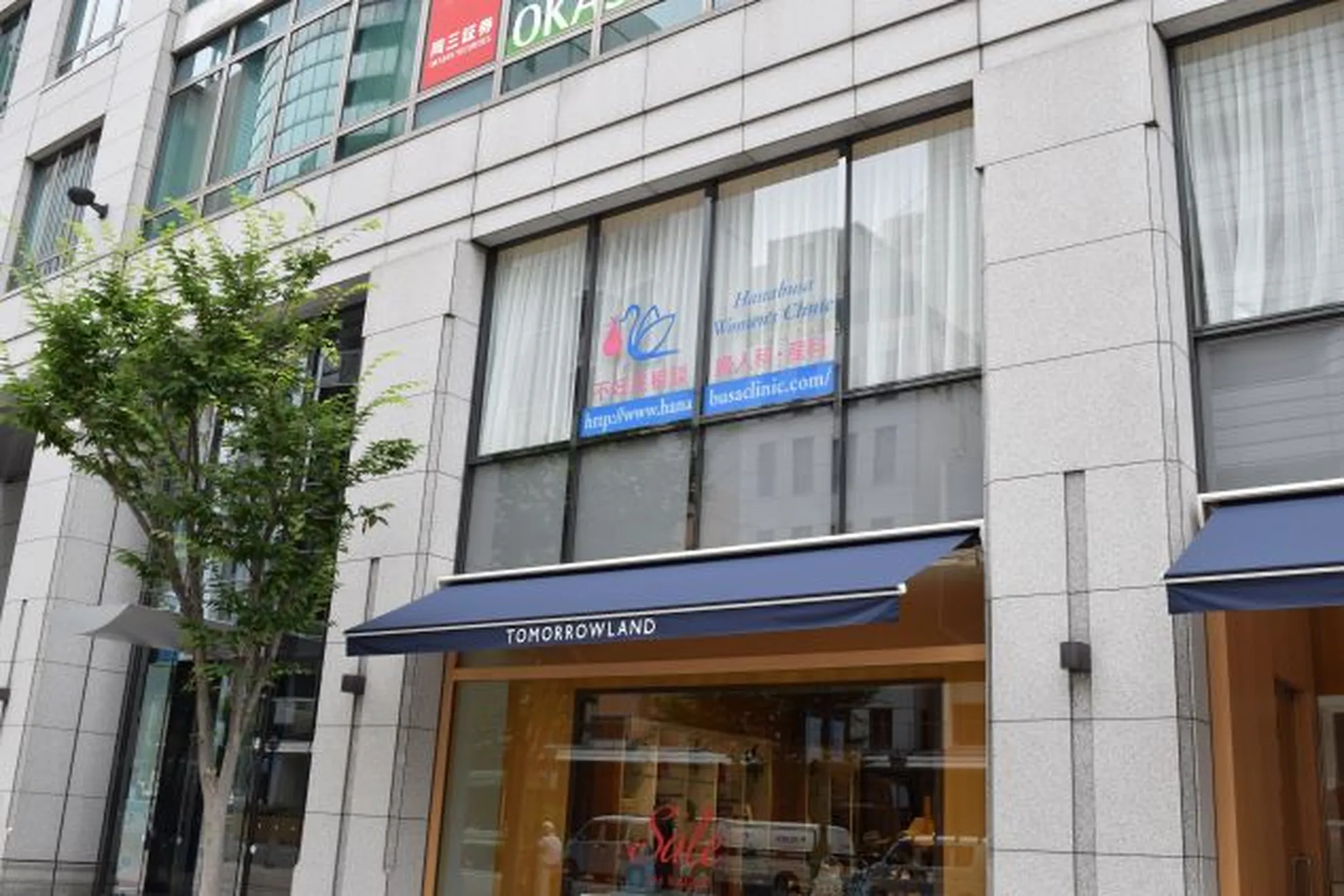
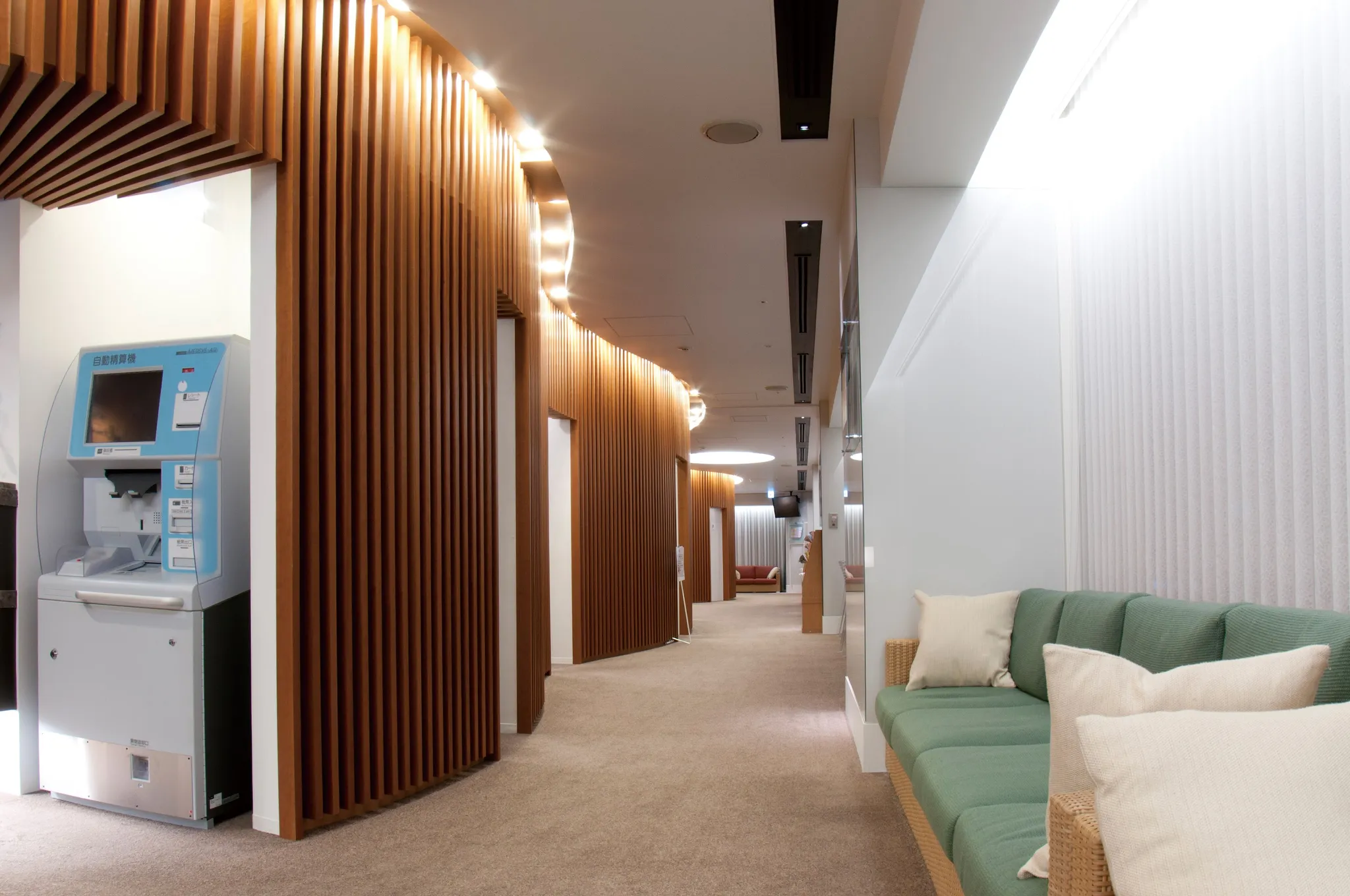
Hanabusa Women’s Clinic — Kobe IVF & Reproductive Medicine Hospital
About Hanabusa Women’s Clinic
Hanabusa Women’s Clinic (known in Japan as the E-Women’s Clinic group) was founded in Kobe in 2000 by Dr. Masahide Shiotani, a pioneer of Japanese IVF who helped deliver Hyogo Prefecture’s first ICSI baby. The group now operates a Sannomiya main hospital plus Nishinomiya, Tarumi and Nishi-Akashi clinics and a dedicated men’s fertility clinic, with an overseas affiliate, Hanabusa IVF, in San Diego, USA.
The clinic’s scale is unusual for a Japanese fertility hospital (all figures self-reported on the official website):
- 42,388 cumulative pregnancies from 2010 to 2023
- 3,546 frozen-thawed embryo transfer cycles — one of only six facilities nationwide exceeding 3,001 such cycles in data published by the Japan Society of Obstetrics and Gynecology (JSOG)
- 3,616 pregnancies and 4,727 frozen embryo transfer cycles in 2024 alone
For first-time treatment patients (clinic outcomes data, 2006-2021), the pregnancy rate per treatment attempt was 59.8%, with a cumulative pregnancy rate of 88.8% within three attempts; rates were highest under age 35, and still reached roughly 50% for advanced-quality blastocyst transfers at 38+. Japan does not use the CDC/SART reporting system, so these figures come from the hospital’s published outcomes and JSOG national data. For context, JSOG 2022 national averages run around 50% (fresh IVF, under 35) and 54% (frozen transfer, under 35), declining with age.
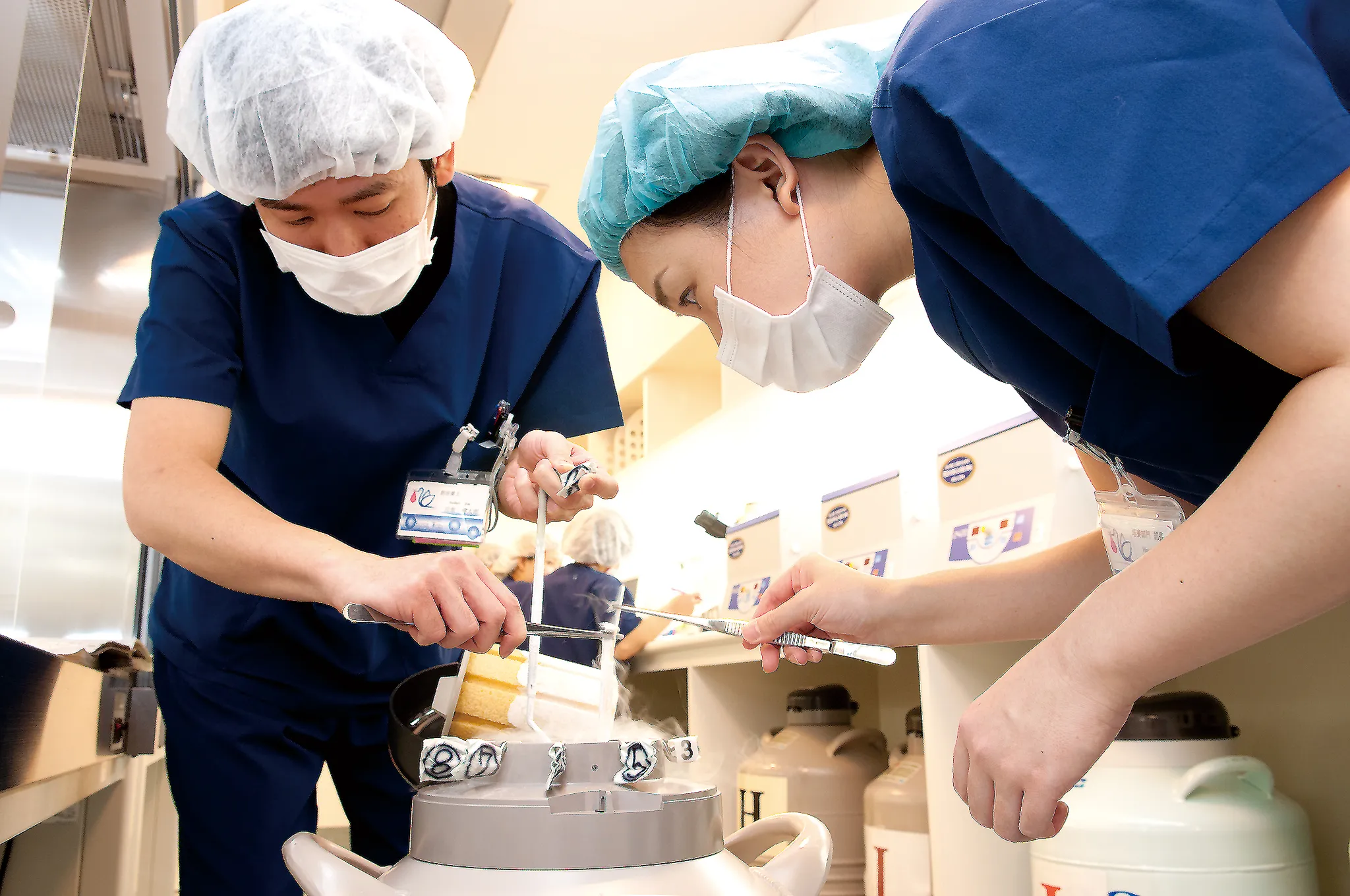
Hanabusa is a JISART-certified facility — the only member in Hyogo Prefecture — as well as a JSOG-affiliated training facility for specialist OB-GYNs and an accredited training site of the Japan Society for Reproductive Medicine.
Accreditations & Awards
- JISART certification (Japanese Institution for Standardizing Assisted Reproductive Technology): 450+ quality-audit standards, re-assessed every three years; sole Hyogo Prefecture member (verifiable on the JISART official register)
- JSOG specialist-training affiliated facility and Japan Society for Reproductive Medicine accredited training site
- Top-tier national frozen-transfer volume: 3,546 frozen-thawed embryo transfer cycles, one of six facilities above 3,001 cycles nationwide in JSOG-published data
- SEET and two-stage embryo transfer: patented implantation techniques pioneered by Chairman Shiotani
- FT tubal cannulation: patented catheter system performed by only about 20 Japanese institutions, with recanalization rates above 80% (hospital website)
Why Choose Hanabusa Women’s Clinic
- Proven at massive scale: more than 42,000 pregnancies over 14 years and roughly 4,000+ IVF cycles completed annually across the group (hospital website) — volume that translates into embryology-lab experience
- Implantation-focused technology: SEET and two-stage embryo transfer, ERA endometrial-receptivity testing, EMMA-ALICE uterine microbiome analysis and time-lapse culture target implantation failure specifically
- Advanced lab toolkit: Piezo ICSI, IMSI high-magnification sperm selection, ZyMōt and PICSI physiological sperm selection
- Recurrent implantation failure clinic: immune-factor workups with Aspirin + Heparin protocols, reported to lift live-birth rates in antiphospholipid syndrome cases from ~20% to 70-80% (hospital official data)
- Integrated support services: night consultations (Mon/Wed/Fri 17:00-19:30, Sannomiya), online/video care, psychological counseling, temporary childcare, aromatherapy, acupuncture and Kampo (Japanese herbal) clinics
- Multilingual international care: Chinese, English and Japanese patient coordination with free treatment quotes
IVF & Fertility Services
- IVF (In Vitro Fertilization): individualized stimulation protocols including mild-stimulation options, with time-lapse embryo culture and PGT genetic screening
- ICSI (Intracytoplasmic Sperm Injection): Piezo ICSI uses micro-vibration drilling of the egg membrane to reduce mechanical damage and support fertilization and embryo quality
- SEET & two-stage embryo transfer: patented protocols that mimic natural implantation signaling to raise transfer success
- Frozen-thawed embryo transfer: 4,727 cycles in 2024, among the largest programs in Japan
- Egg freezing: oocyte cryopreservation for fertility preservation (¥55,000 base fee, ~$370 USD)
- Male infertility: a dedicated men’s clinic (Sannomiya) offering varicocele surgery and TESA/MESA sperm retrieval
- Recurrent implantation failure & immune infertility: specialist clinic including antiphospholipid antibody testing
- FT tubal cannulation: day-case, insurance-covered treatment for tubal blockage with 80%+ recanalization (hospital data)
- Complementary care: Kampo herbal medicine, acupuncture, nutritional guidance and psychological counseling alongside treatment
Fees & Packages
Basic infertility treatment (ovulation induction, IUI, standard IVF procedures) is covered by Japan’s national health insurance at a 30% patient co-pay; advanced reproductive technologies are self-pay. Published self-pay prices from the official fee list (2026), converted at approximately ¥150 = US$1:
| Item | Fee (JPY) | Approx. USD |
|---|---|---|
| SEET therapy | ¥40,000 | ~$270 |
| Two-stage transfer (fresh embryos) | ¥75,000 | ~$500 |
| Two-stage transfer (frozen embryos) | ¥120,000 | ~$800 |
| Time-lapse embryo culture | ¥34,000 | ~$230 |
| IMSI sperm selection | ¥11,500 | ~$77 |
| ERA endometrial receptivity test | ¥138,000 | ~$920 |
| EMMA-ALICE microbiome test | ¥58,000 | ~$390 |
| PICSI sperm selection | ¥24,000 | ~$160 |
| ZyMōt sperm selection | ¥35,000 | ~$230 |
| Egg freezing | ¥55,000 | ~$370 |
Source: hospital official fee page. Insurance eligibility applies to residents under Japan’s national health insurance; international patients should request a free personalized quote before travel.
Patient Journey
Based on the hospital’s published treatment flow:
- Appointment booking — by phone or online; international patients can submit records and reports first for a free preliminary assessment and cost estimate
- Web questionnaire — medical history completed online before the visit
- First visit & baseline testing — hormone panels, ultrasound and partner semen analysis
- Treatment plan — the attending physician sets a step-up plan from timed intercourse/IUI to IVF/ICSI
- Cycle treatment — stimulation (incl. mild protocols) → retrieval with a 21G thin needle → Piezo ICSI → time-lapse culture → optional PGT → SEET or two-stage transfer; night slots available Mon/Wed/Fri
- Transfer & pregnancy test — blood/ultrasound confirmation after transfer
- Early pregnancy follow-up — monitoring continues to about 8 weeks with fetal heartbeat confirmed before referral to a maternity hospital; online consultations support follow-up after patients return home
Local Legal Framework
Assisted reproduction in Japan is regulated primarily through professional guidelines issued by the Japan Society of Obstetrics and Gynecology (JSOG) and the Japan Society for Reproductive Medicine, rather than a single comprehensive statute:
- Insurance: basic infertility treatment including ovulation induction, IUI and aspects of IVF are covered by national health insurance at a 30% co-pay; advanced technologies (SEET, IMSI, ERA, etc.) remain self-pay
- Surrogacy: not permitted in Japan; egg donation is constrained by strict JSOG ethical guidelines
- PGT: preimplantation genetic testing requires hospital ethics-committee review and is limited to specific medical indications
- Marital status: ART treatment in Japan is conventionally restricted to legally married couples
- Quality standard: JISART-accredited facilities must pass 450+ audit criteria with re-certification every three years
Location
- Address: Sannomiya Central Bldg 2F/7F/8F, 1-1-2 Sannomiya-cho, Chuo Ward, Kobe, Hyogo 650-0021, Japan
- Phone: +81 78-392-8723