'%20d='m0%200%2016%2011h61%2061%2061%2061%2060L47%2037h61%2061%2060%2061L16%2063h61%2061%2061%2061%2060L47%2089h61%2061%2060%2061L16%20115h61%2061%2061%2061%2060L47%20141h61%2061%2060%2061L16%20166h61%2061%2061%2061%2060L47%20192h61%2061%2060%2061L16%20218h61%2061%2061%2061%2060z'/%3e%3c/svg%3e)

About New Hope Fertility Center
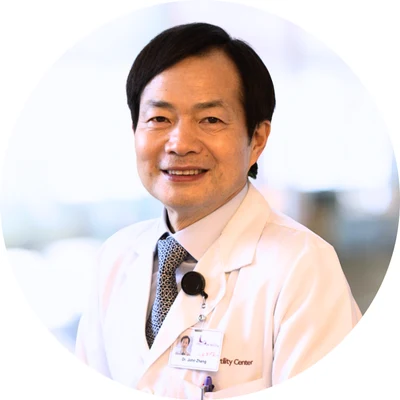
New Hope Fertility Center is a reproductive endocrinology practice at 784 Park Avenue on Manhattan’s Upper East Side, between 73rd and 74th Streets, with a second clinic in Great Neck on Long Island. Dr. John Zhang, who holds a Cambridge doctorate in in vitro fertilization as well as a US obstetrics and gynecology qualification, founded it and is still its medical director; his clinic profile says he has led the practice since 2004. Three reproductive endocrinologists see patients here. Care runs in English and Mandarin: Dr. Zhang consults in Chinese, and the clinic’s donor-program FAQ routes Chinese-speaking patients to a coordinator who handles that language.
The clinic’s distinguishing feature is how little medication it uses. Mini-IVF is mild stimulation over 5-7 days with oral Clomid or letrozole, or low-dose gonadotropins, against the 10-12 days its own pages describe for conventional IVF. Natural Cycle IVF works with minimal or no stimulation drugs. Needle-Free IVF substitutes oral drugs and a Synarel nasal spray for injectables and monitors with urine and saliva tests instead of routine blood draws. At-Home IVF is the out-of-state and international route: stimulation drugs are mailed to you, monitoring happens at a local lab, and you travel to Manhattan only for the retrieval. Alongside that, the clinic’s “One Good Egg” policy states plainly that New Hope does not refuse care based on a woman’s age, FSH level or number of follicles, and it markets that openness to patients other centers have declined.
The founding year is the clinic’s own number, not a verified registration date. Its pages do not agree with each other. The Mini-IVF page says “we took a bold step forward in 2004” and Dr. Zhang’s profile says he has led the practice since 2004; the site footer repeats “Over 15,000 New Hope Babies born since 2006”; the copyright line starts at 2007; the Park Avenue page says that clinic “opened its doors in October 2010.” This page carries 2004 because it is the most frequent date and matches the physician pages. Read it as a self-reported founding year.
Success rates: what CDC actually recorded for this clinic. Both rows below come from the same registry and the same reporting year - CDC’s National ART Surveillance System, 2022 - measured as cumulative live birth per intended egg retrieval, all transfers, all patients. This page carries no separate fresh-transfer or frozen-transfer figures for this clinic; CDC’s numbers here are one combined series.
| Age band | New Hope Fertility Center (CDC NASS 2022) | United States (CDC NASS 2022) |
|---|---|---|
| Under 35 | 17.3% (387 intended retrievals) | 49.7% |
| 35-37 | 7.9% (491 intended retrievals) | 36.3% |
| 38-40 | 7.0% (675 intended retrievals) | 23.1% |
| Over 40 | 1.1% (1,794 intended retrievals) | 7.7% |
This clinic is below the national row in all four bands. That is the honest reading of the registry, and nothing on this page softens it.
What those numbers do and do not tell you. Read them with the denominators, because both cut the other way and neither erases the gap. First, patient mix: CDC’s cycle-count table for 2022 shows 55.2% of this clinic’s 3,955 cycles in women over 40, against 20.0% nationally, and 13.6% under 35 against 36.0% nationally. The over-40 band alone accounts for 1,794 of the clinic’s 3,347 intended retrievals, 53.6% of them. A clinic that accepts the cases others decline starts with a harder population, which is exactly what the One Good Egg policy says it does. Second, denominator: CDC counts an “intended retrieval” including retrievals done only to freeze eggs or embryos, cycles that never aim at a pregnancy that year - and egg and embryo banking is a large part of what this clinic advertises. Restricting to actual retrievals gives 18.3% / 8.9% / 7.8% / 1.3% (denominator 2,923); counting only transfers gives 31.9% / 23.4% / 26.7% / 11.2% (denominator 722). CDC’s own framing at this clinic is that one live birth takes, on average, 5.8 intended retrievals under 35 and 94.4 intended retrievals over 40. Quoting 17.3% alone or 1.1% alone misleads in opposite directions; both sit next to the national row above so you can make the comparison yourself.
Volume, once and without adjectives: 3,955 ART cycles were reported for the 2022 reporting year. The national per-clinic figure on this page, 953, is CDC’s 2022 national cycle total divided by the 457 reporting clinics CDC lists. The clinic’s own website reports “Success Rates of 58% Compared to National Average of 43%” on its homepage, “5,653 Successful Cycles in 2018”, “15,000+ New Hope Babies born since 2006”, and a table of 53.3% under 35, 57.6% at 35-37 and 30.0% over 37 against a national row of 48.5 / 43.0 / 30.2 on an IVF page. Those clinic-published figures state no denominator, no age-band definition and no reporting year, and they are not the numbers this page compares. The homepage and an older success-rate page attribute figures to CDC and to “recent SART data”, but this center does not appear in the SART CORS member list checked on 2026-09-24, so none of the self-published rates could be matched to a third-party record. The clinic’s own success-rate page is unusually blunt about this: “Our success data often skews downwards because the eggs of women 39-plus years old are often of lower quality and are less likely to produce a live birth,” and it quotes SART warning that clinic comparisons “may inflate or lower pregnancy rates relative to another clinic.”
Accreditations & Awards
- CDC reporting is the verifiable part. The clinic is registered in CDC’s National ART Surveillance System as ArtClinicId 31 and files ART cycle data every year; the 2022 report carries 3,955 cycles and the sign-off “Data Verified By: John Zhang, MD, PHD”. CDC’s ART data portal publishes reporting year 2022 as its current year, which is why both rows above are 2022.
- No institutional or laboratory accreditation is claimed or found. A full-text scan of 118 clinic pages returned zero hits for “accredited” or “accreditation”, and zero for CLIA, CAP, JCI or ISO 15189. The SART CORS member list (406 clinics, queried 2026-09-24) does not include this center. So this clinic is not a SART-, CAP- or JCI-accredited or member center on the evidence in our sources. Two checks stayed open: the CAP accredited-laboratory list needs an interactive search, and the JCI directory blocks automated access. Absence of a claim is not the same as a failed inspection, but a US reader should know the claim is not there.
- Physician credentials, which are personnel qualifications rather than clinic accreditation: two of the three physicians are listed by the clinic as board-certified by the American Board of Obstetrics and Gynecology in both obstetrics and gynecology and in reproductive endocrinology and infertility; the founder is board-certified in obstetrics and gynecology and described by the clinic as board-eligible, not board-certified, in reproductive endocrinology and infertility. He also holds a Certified High Complexity Laboratory Director credential.
- Clinic-published distinctions we could not corroborate anywhere else: pioneering Mini-IVF in the United States; a 2016 live birth from oocyte spindle transfer to prevent mitochondrial disease, which the clinic says was published in Reproductive Biomedicine Online 34(4):361-368, 2017, and the founder’s listing in “Nature’s Ten: Ten People That Mattered (2016)”; being “one of the first in the U.S.” to use vitrification, and a fertility-preservation page statement that New Hope was the first center to offer egg freezing with vitrification in the United States, in 2004. Treat all of these as the clinic’s own account.
- Three different vitrification survival numbers on three different pages, not reconciled here: “over 90% thaw-survival-rate” on the About page, “as high as 99 percent - versus - 55 percent using the traditional freezing method” on the frozen embryo transfer page, and “up to 98% survival rate for eggs (oocytes) and embryos” in the FAQ.
- Patient reviews: 4.0 out of 5 from 674 Google reviews on the Park Avenue listing. That is a large sample for one listing and worth reading, but it is a satisfaction average from the clinic’s own map entry, not a clinical quality ranking.
- Laboratory description, in the clinic’s own words: the embryology lab runs a multi-stage air-handling system the clinic calls “one of the largest and most powerful air filtration systems in the Assisted Reproductive Technology (ART) industry - worldwide”, described on its technology page as a quad-filtration path that cites the power of a 737 jet engine. Self-description, not an accredited specification.
Why Choose New Hope Fertility Center
- The full ladder of low-medication options is here, not just one. Conventional IVF, Mini-IVF, Natural Cycle IVF, Needle-Free IVF and At-Home IVF (outside monitoring) each have their own protocol page. If you want the lightest drug load that can still work, this is one of the few New York clinics organized around that question. The clinic’s Mini-IVF page states the trade-offs it favors: 70-90% less medication, 3-8 mature eggs per cycle, 30-50% lower cost per cycle. Those are clinic figures with no denominator or year attached.
- A stated policy of not refusing patients. The One Good Egg page says the clinic accepts women with high FSH, poor response to medication, low egg yield and advanced reproductive age. CDC’s 2022 mix data back that up from the outside: 55.2% of cycles in women over 40, against 20.0% nationally. This is also why the registry percentages above read low. If you have been turned away elsewhere, this clinic is one of the places that will see you; if you are 33 with good reserve, the same data say the population here skews far older than you.
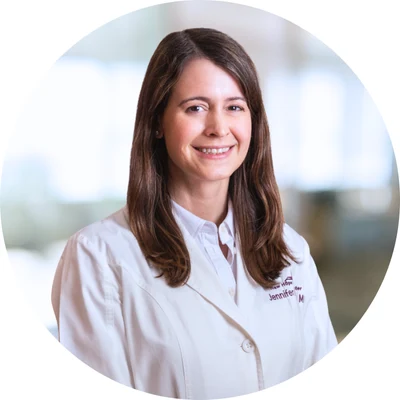
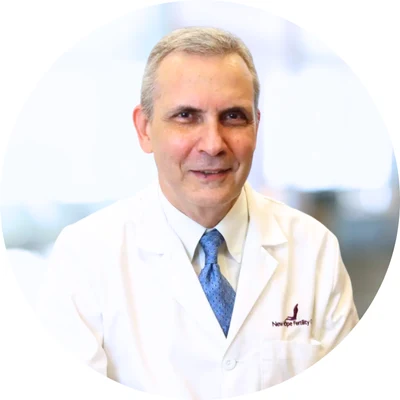
- Three reproductive endocrinologists with different jobs. The founder handles mild-stimulation and complex, low-reserve cases and consults in Mandarin. Jennifer Kulp-Makarov is the clinic’s double board-certified REI with an LGBTQ+ family-building practice and a research background in endometrial genes and endometriosis. Khaled Zeitoun is the surgeon of the group - myomectomy, endometriosis excision, hysteroscopic and tubal surgery - and the clinic describes him as one of the few reproductive endocrinologists trained in major gynecologic surgery.
- Embryology and andrology in house. ICSI, in vitro maturation, high-resolution sperm selection, laser assisted hatching, blastocyst culture and grading, vitrification, frozen embryo transfer and single embryo transfer are all on the clinic’s service pages. PGT-A and PGT-M are offered with a genetic counseling service alongside. Semen analysis runs in the clinic’s own andrology lab with results within 24 hours, covering volume, viscosity, color, pH and manual microscopic counts. Hysterosalpingogram (HSG) is done on site - the clinic describes itself as one of the few private clinics nationwide that offers HSG exams onsite.
- Mandarin and international patient pathways. Beyond Dr. Zhang’s Mandarin consultations and a Chinese-language coordinator on the donor program, the clinic’s international page markets Mini-IVF to Chinese patients and lets consultation and testing be done at whichever location suits you. An international page archived in 2019 describes satellite offices in Guadalajara, opened 2007, and Mexico City, opened 2014; the current version of that page mentions only China. Hotel partnerships are listed for patients travelling in.
- Practical scheduling detail you can plan around. Park Avenue monitoring runs Monday to Friday from 7:00 AM, with a clinic update effective 2026-06-06 moving monitoring to 7:00 AM - 4:00 PM and consultations to run through 4:00 PM; Saturday monitoring is by appointment only, when clinically necessary. One patient review on the clinic’s own reviews page describes arriving at 7 AM and being back at work downtown before 8:30 AM. Great Neck runs office hours 8:00 AM - 4:00 PM with monitoring 8:00 AM - 11:00 AM by appointment. Our sources record no evening or night monitoring at either site.
- Out-of-state and overseas route that holds together. Stimulation medication is mailed to you, ultrasounds and bloodwork are done locally - the clinic names Quest and Labcorp as typical labs - results go back the same day, and most patients travel to New York once per cycle for the retrieval. A frozen embryo transfer means a second, shorter trip.
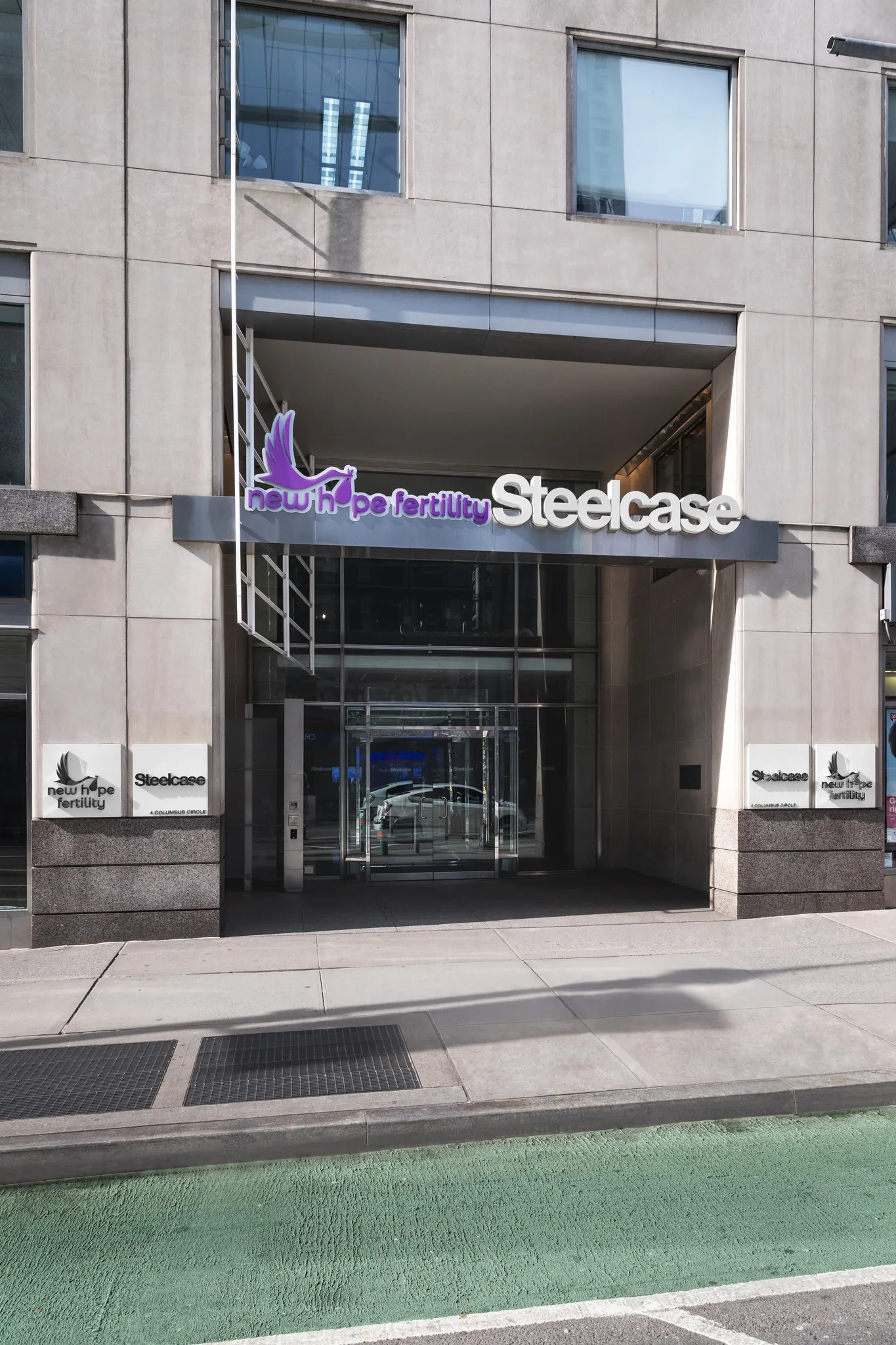
- One caution on locations. Several 2026-dated clinic pages still print the former address at 4 Columbus Circle, and some still describe imaging and semen collection happening there. Confirm which site your appointment is at before you travel.
IVF & Fertility Services
- IVF protocols: conventional IVF, Mini-IVF (mild stimulation), Natural Cycle IVF, Needle-Free IVF (oral medication plus nasal Synarel, urine and saliva monitoring), At-Home IVF with outside monitoring.
- Laboratory and embryo work: ICSI, in vitro maturation (IVM), high-resolution sperm selection (HRSS), laser assisted hatching, blastocyst culture with the clinic’s own grading system, vitrification and frozen embryo transfer (FET), single embryo transfer. The clinic says it has recommended FET since 2004 and that it typically freezes only blastocysts, which it describes as carrying a 40% greater chance of pregnancy than day 2, 3 or 4 embryos.
- Genetic testing and counseling: PGT-A for chromosome screening, PGT-M for known single-gene disorders, genetic counseling service, and sex selection for family balancing offered through PGT. The technology page claims screening “can increase a patient’s chance of a successful pregnancy by up to 30 percent” - clinic figure, no denominator or year given.
- Lower-intervention treatments: intrauterine insemination (IUI), ovulation induction, timed intercourse. The clinic’s IUI page quotes “approximately 10-20% per cycle in appropriately selected patients” from published studies, not from its own results.
- Egg freezing and fertility preservation: egg freezing, embryo banking with 6 months of complimentary storage, sperm freezing, ovarian tissue freezing, a division of fertility preservation and a program for cancer patients facing gonadotoxic treatment.
- Donor egg, donor sperm and gestational carriers: a donor program with published donor qualifications (women 18-32, US work or residency eligibility, social security number, BMI 18-29, no genetic or infectious disease history, psychological evaluation and genetic counseling required), a recipient program drawing on banked eggs, donor compensation stated at between $8,000 and $10,000 for a completed cycle and reported to the IRS on a 1099, and surrogacy coordination through outside agencies for gestational carriers only, where the carrier uses a donor egg and not her own. Note what the registry shows: in CDC’s 2022 donor table for this clinic, cycles with donated embryos are 0, fresh transfers using frozen donor eggs number 8 (CDC suppresses any count under 20), and frozen-embryo cases number 60 at 15.0% - our source records that percentage without naming which measure it is. Fresh transfers with fresh donor eggs are recorded as 0. Third-party data therefore does not show an egg-donation program at scale here, notwithstanding the marketed pages.
- LGBTQ+ family building: reciprocal IVF for female partners, donor sperm IUI, donor egg cycles. The clinic’s LGBTQ page states it has served these patients since 2004.
- Male infertility: semen analysis, azoospermia evaluation, testicular and epididymal sperm retrieval, vasectomy reversal.
- Diagnostics and surgery: HSG on site, hysteroscopy, laparoscopy for endometriosis and reproductive repair.
- Additional programs: ovarian rejuvenation, platelet-rich plasma (PRP) injections into the ovaries and uterus, maternal-fetal medicine consultation, fertility counseling and support groups, with referrals to acupuncturists, yoga instructors and nutritionists.
Fees & Packages
There is no published price list. The clinic’s cost page puts each service’s base price inside an interactive price simulator, and our sources could not read the simulator’s output - so the numbers below are only the prices that appear as static text, plus the comparison prices on the At-Home IVF page. Nothing here is a quote.
Per-cycle comparison prices on the clinic’s own pages
| Item | Clinic-published price |
|---|---|
| At-Home IVF (with outside monitoring) | starting at $8,000 per cycle |
| Conventional IVF in New York | $12,000 per cycle |
| Conventional IVF nationally | $20,000 per cycle |
| Consultation | from $250 |
Add-on prices listed on the cost page: on-site monthly monitoring $1,200; telehealth visit (MD Talks) $150; medications $2,000 in the egg freezing and IVF context, $500 for IUI and frozen embryo transfer; anesthesia $950; egg freezing supplement $150 per egg above 10 retrieved; fresh embryo transfer $2,800; genetic testing $900 per embryo; virtual ovulation cycle management $1,000; single on-site monitoring visit $300.
What the listed packages include: egg freezing covers egg retrieval, oocyte freezing and 6 months of complimentary storage; embryo banking covers retrieval, ICSI, culture, freezing and 6 months of storage; frozen embryo transfer covers thawing and transfer; IUI covers sperm wash and insemination; PRP covers platelet preparation and site injection. Medication, monitoring and anesthesia are priced separately from these, which is where the quoted “per cycle” numbers stop looking comparable.
The clinic’s own cost statements disagree with each other. Its New York mandate page says the average cost per cycle is “around $23,000”. Its insurance page says a single IVF cycle in New York averages “between $12k and $22k”. Its At-Home IVF page puts conventional IVF in New York at $12,000. The Mini-IVF page claims Mini-IVF “can cost 30-50% less per cycle” than conventional protocols, again a relative figure with no base attached.
Insurance: New Hope states that it does not accept Medicaid or Medicare, and that your specific plan’s terms matter more than the carrier’s brand. The cost page shows 15 insurer logos in an “insurance plans we accept” carousel, but the images carry no names in our sources, so no carrier list can be given here. The clinic’s insurance page says coverage typically runs to ovarian stimulation, egg retrieval, fertilization, embryo culture and transfer, and may extend to genetic testing, diagnostic testing, egg freezing and fertility preservation, and IUI, subject to cycle limits or lifetime caps.
Financing paths the clinic lists: CareCredit, United Medical Credit, CapexMD, LendingClub (described as financing up to $50,000 with no application fee) and FutureFamily, whose stated coverage spans IVF, IUI, medications, donor egg or sperm, gestational carrier costs, reciprocal IVF, PGT and egg freezing, with funding “within 48 hours”.
Patient Journey
- Consultation first. The clinic states that “a consultation with one of our doctors is the first step in your care.” In-person or virtual; new patients use a dedicated phone line, and there are separate virtual and online consultation entry points for out-of-town and international patients.
- Evaluation. Review of medical, fertility and family history plus a clinical evaluation - pelvic exam, transvaginal ultrasound and bloodwork for the female partner - and a semen analysis for the male partner. The andrology lab reports results within 24 hours, including volume, viscosity, color, pH and manual microscopic counts.
- Protocol design. The physician decides between Natural Cycle, Mini-IVF and conventional IVF based on ovarian reserve, age and treatment history, and sets the route: oral medication, nasal Synarel or low-dose injectables, with expected retrieval timing and cost. Both the About page and the Mini-IVF page describe protocols built from hormone blood tests and continuous monitoring rather than a standard workflow.
- New-patient education. Free virtual orientation sessions cover how the IVF lab runs, with an embryologist walking through embryo culture; two recorded orientations cover IVF overall and genetic screening. After the genetic screening orientation you are asked to download and complete consent forms beforehand - if you sign them outside the clinic they must be notarized. Injection teaching videos exist per brand: Cetrotide, Follistim AQ, Ganirelix, Gonal-f, Menopur, Ovidrel, Progesterone In Oil, Novarel hCG and Leuprolide trigger.
- Stimulation and monitoring. Mini-IVF is 5-7 days of stimulation with 5-7 office visits for ultrasound and estrogen, FSH and LH bloodwork, against the 10-12 days described for conventional protocols; a Lupron trigger is given 32-38 hours before retrieval. Monitoring appointments at Park Avenue start at 7:00 AM, with Saturday slots by appointment when clinically necessary. Out-of-state and international patients use the outside-monitoring path: medication shipped to your door, scans and bloodwork at a local lab such as Quest or Labcorp, results sent the same day.
- Retrieval and fertilization. Eggs are collected transvaginally under ultrasound guidance in what the clinic describes as a minimally invasive procedure under light sedation; patients on mild protocols often have retrievals with local anesthesia or while awake, which former patients describe in the clinic’s own reviews. Anesthesia is a separately billed add-on ($950) when used. In the lab, eggs are fertilized by ICSI or conventional insemination and cultured to the blastocyst stage, typically day 5 to 7, with PGT-A an option before transfer or freezing. The Park Avenue clinic is where the operating rooms and the main laboratory sit, and the clinic says patients can watch the embryologists work.
- Transfer and pregnancy test. An embryo is placed in the uterus through a thin catheter; the clinic promotes single embryo transfer to avoid the risks of multiples. A blood test about 10-14 days later confirms pregnancy. Healthy embryos not transferred are vitrified for a later FET cycle, which for an out-of-town patient means a second short trip. Our sources do not publish the length of the transfer procedure or the post-transfer observation window, so this page does not state either.
Local Legal Framework
What follows is drawn from the clinic’s own pages and is the clinic’s interpretation, not legal advice. Our sources for this unit contain New York statute references only as named below; verify current text with the state or a family-law attorney before relying on it.
- Insurance mandate - Fair Access to Fertility Treatment Act (FAFTA). The clinic’s New York mandate page states that the mandate took effect January 1, 2020 and requires large insurance plans, defined as those serving 100 employees or more, to offer coverage for up to three IVF cycles, and to cover egg and sperm freezing for medically necessary purposes - the page’s examples are chemotherapy, sex reassignment surgery, sickle cell anemia, bone marrow transplant and endometriosis surgery. The same page estimates that about half of insured New Yorkers qualify, and lists who does not: IVF or sperm freezing for same-sex male couples, Medicaid, plans at businesses under 100 employees, individual policies, and self-insured plans, which the clinic notes are governed by federal rather than state law.
- How infertility is defined for coverage. Quoting New York State, the clinic’s page defines infertility as the inability to achieve a clinical pregnancy after 12 months of regular, unprotected intercourse, reduced to six months for women 35 and older, and states that either partner can be diagnosed. A diagnosis has to exist before the mandated coverage applies.
- Federal layer over the clinic room. ART in the United States sits under both FDA and CDC oversight. The clinic’s donor program page describes donor blood testing and counseling as required by the FDA, and screening can take up to three weeks. Clinics report ART data annually to CDC’s National ART Surveillance System; this center filed 3,955 cycles for 2022, which is where the rates at the top of this page come from.
- Surrogacy. The clinic coordinates gestational surrogacy only, through outside agencies, and states that its referral partner “focuses on gestational surrogacy only, a process in which the surrogate uses a donor egg and not her own.” Its contact page says surrogacy law varies by state and tells readers to check current legislation where they live. Our sources for this clinic contain no New York surrogacy or parentage statute text, so this page states no conclusion about New York’s rules for gestational carriers and intended-parent orders; New York’s surrogacy framework changed after 2021 and needs a lawyer’s read, not a clinic brochure’s.
- Egg donation compensation. The clinic publishes donor compensation of $8,000 to $10,000 per completed cycle and states that donors receive a 1099 form and are responsible for the tax on it. Our sources for this unit do not include the New York statutory basis for donor compensation, so the amount is reported as a clinic term, not as a legal ceiling.
- What the clinic’s site does not cover. Within the pages captured for this unit there is no New York law page on ownership of gametes and embryos, on parentage determinations, or on restrictions on PGT use. Get independent legal advice on those before starting treatment.
Location
- Park Avenue, Manhattan (main clinic): 784 Park Ave, New York, NY 10021. Phone +1 212-517-7676.
- Great Neck, Long Island: 450 Northern Blvd, Great Neck, NY 11021. Phone +1 917-546-9888.
- New patient appointments: +1 212-969-7422.