'%20d='m0%200%2016%2011h61%2061%2061%2061%2060L47%2037h61%2061%2060%2061L16%2063h61%2061%2061%2061%2060L47%2089h61%2061%2060%2061L16%20115h61%2061%2061%2061%2060L47%20141h61%2061%2060%2061L16%20166h61%2061%2061%2061%2060L47%20192h61%2061%2060%2061L16%20218h61%2061%2061%2061%2060z'/%3e%3c/svg%3e)
About Northern California Fertility Medical Center
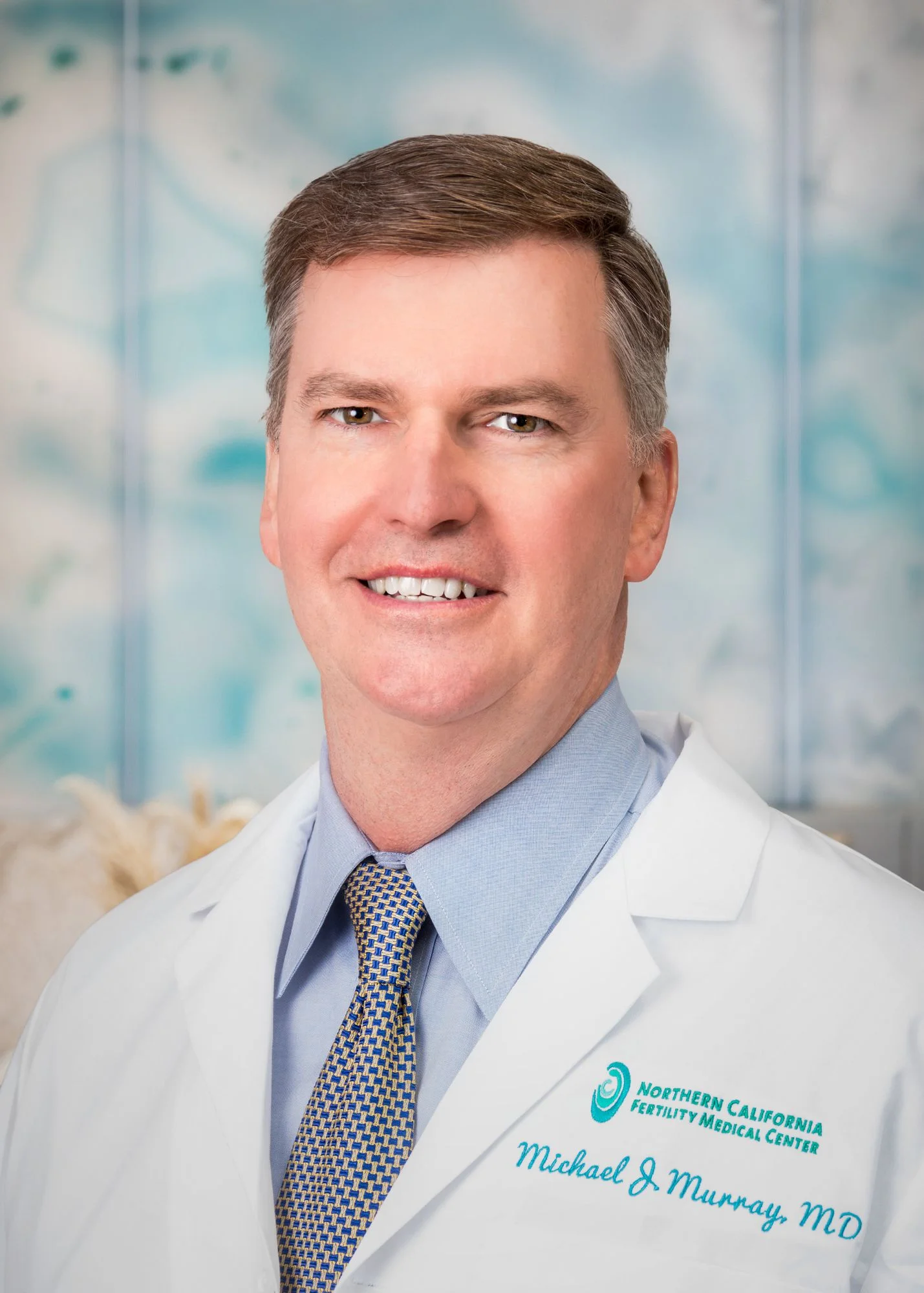
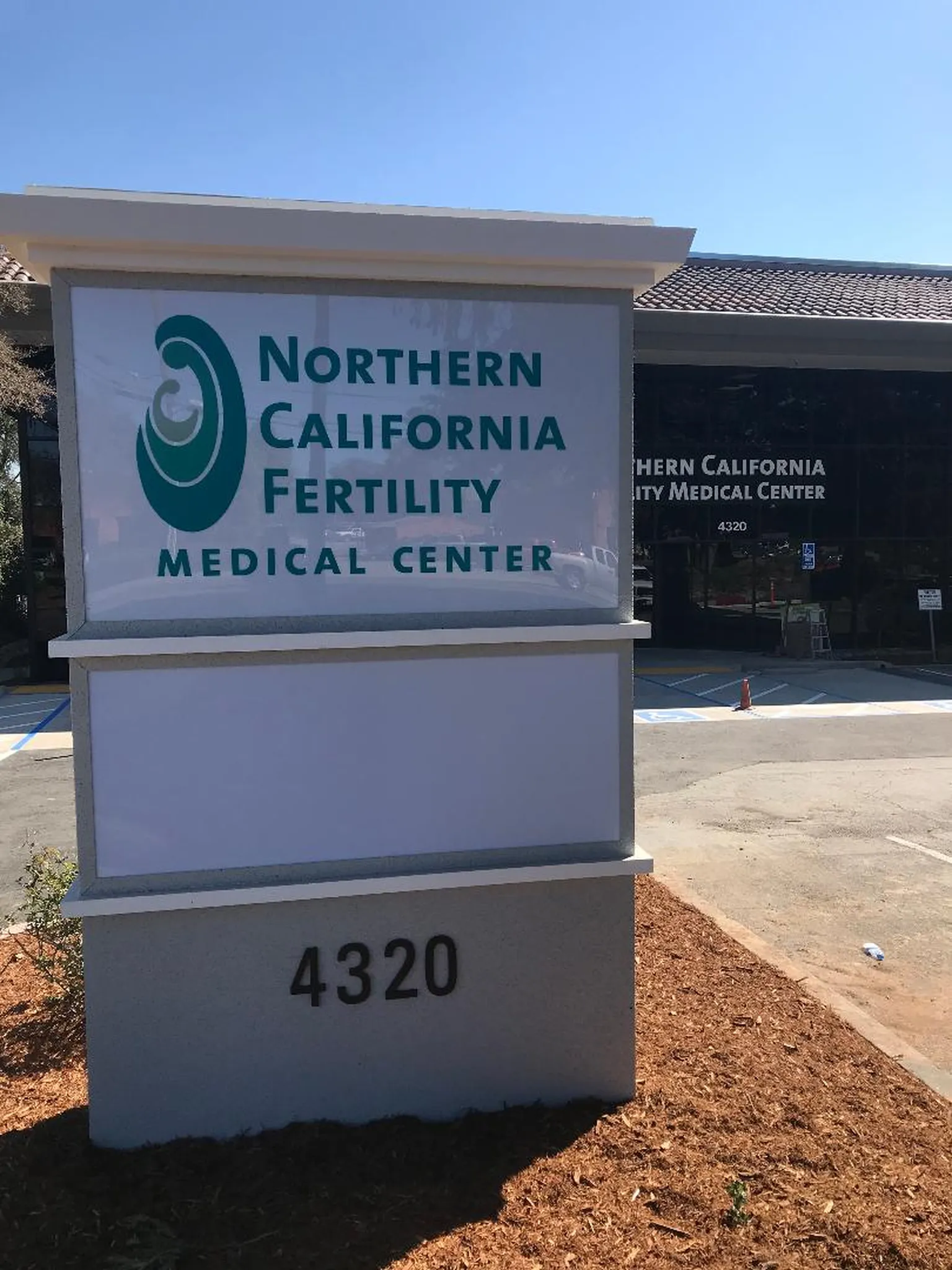
Northern California Fertility Medical Center (NCFMC) is a private reproductive endocrinology practice at 4320 Auburn Blvd in Sacramento, and the clinic’s own site identifies it as an Ivy Fertility clinic — the network brand that appears in its site navigation. Our record lists 1996 as the start of practice; the clinic counts its history on the homepage as “30 years building families,” which is the clinic’s arithmetic rather than an audited founding date. Medical director of record is Michael J. Murray, M.D., the physician who verified the clinic’s SART report.
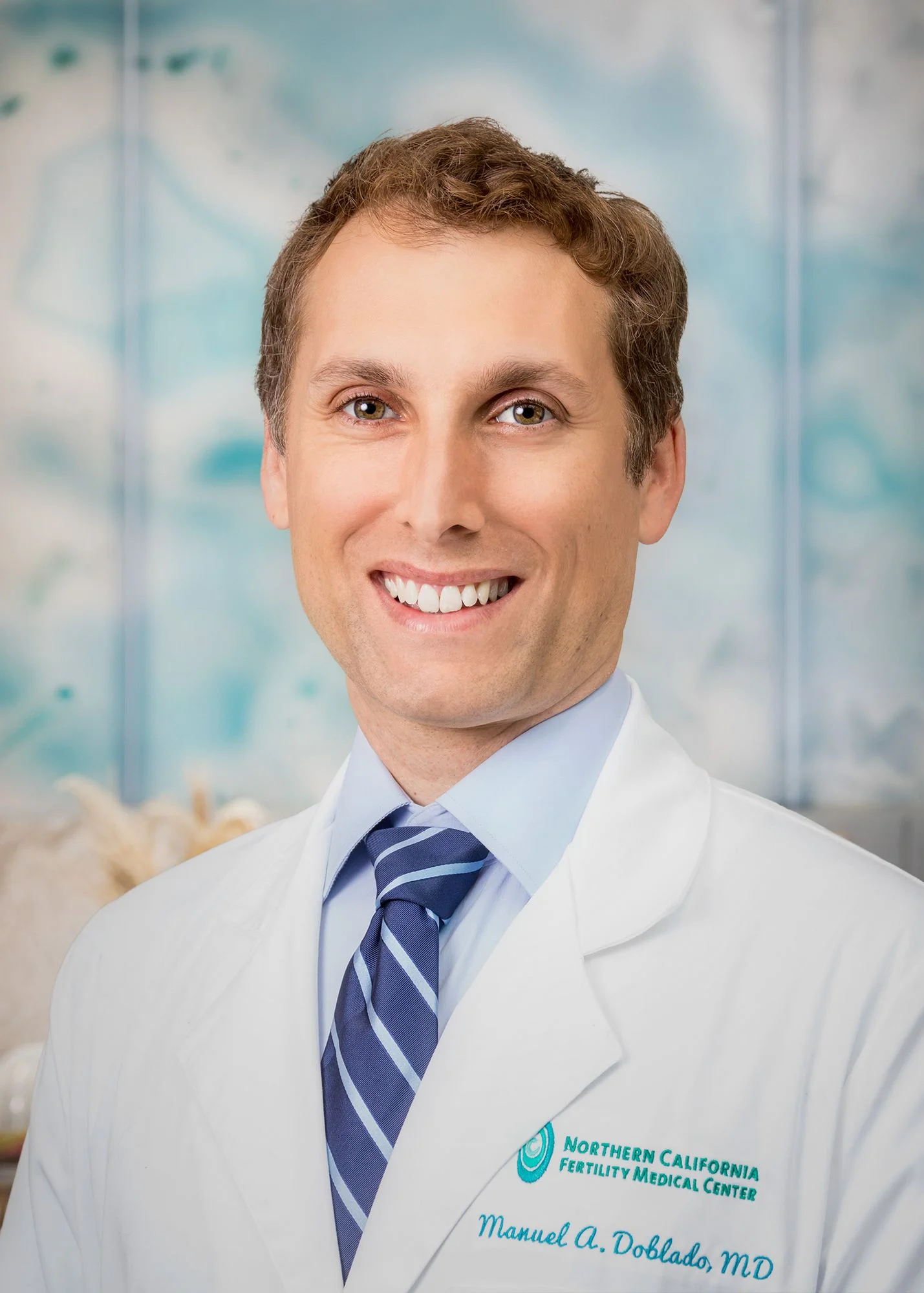
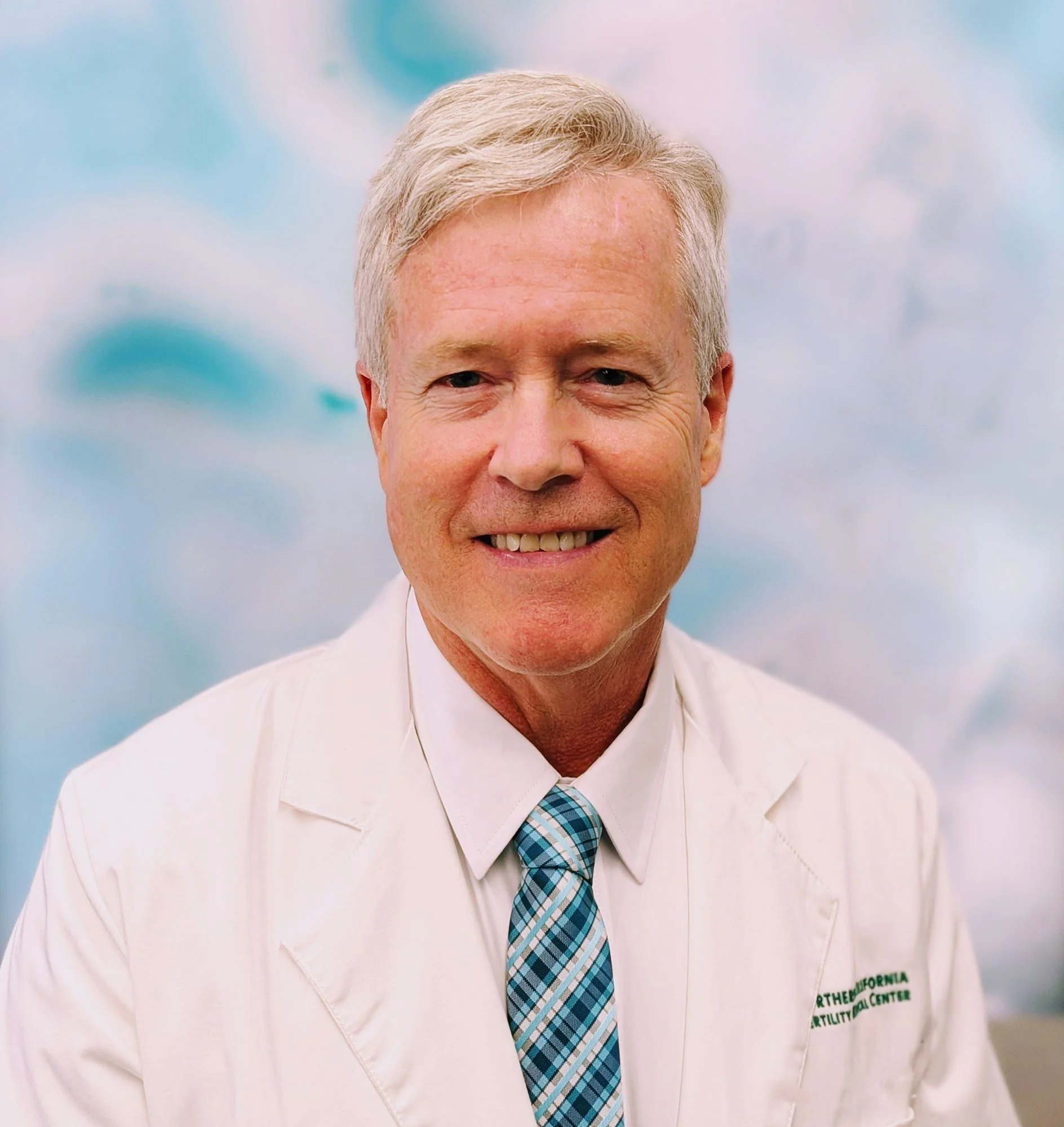
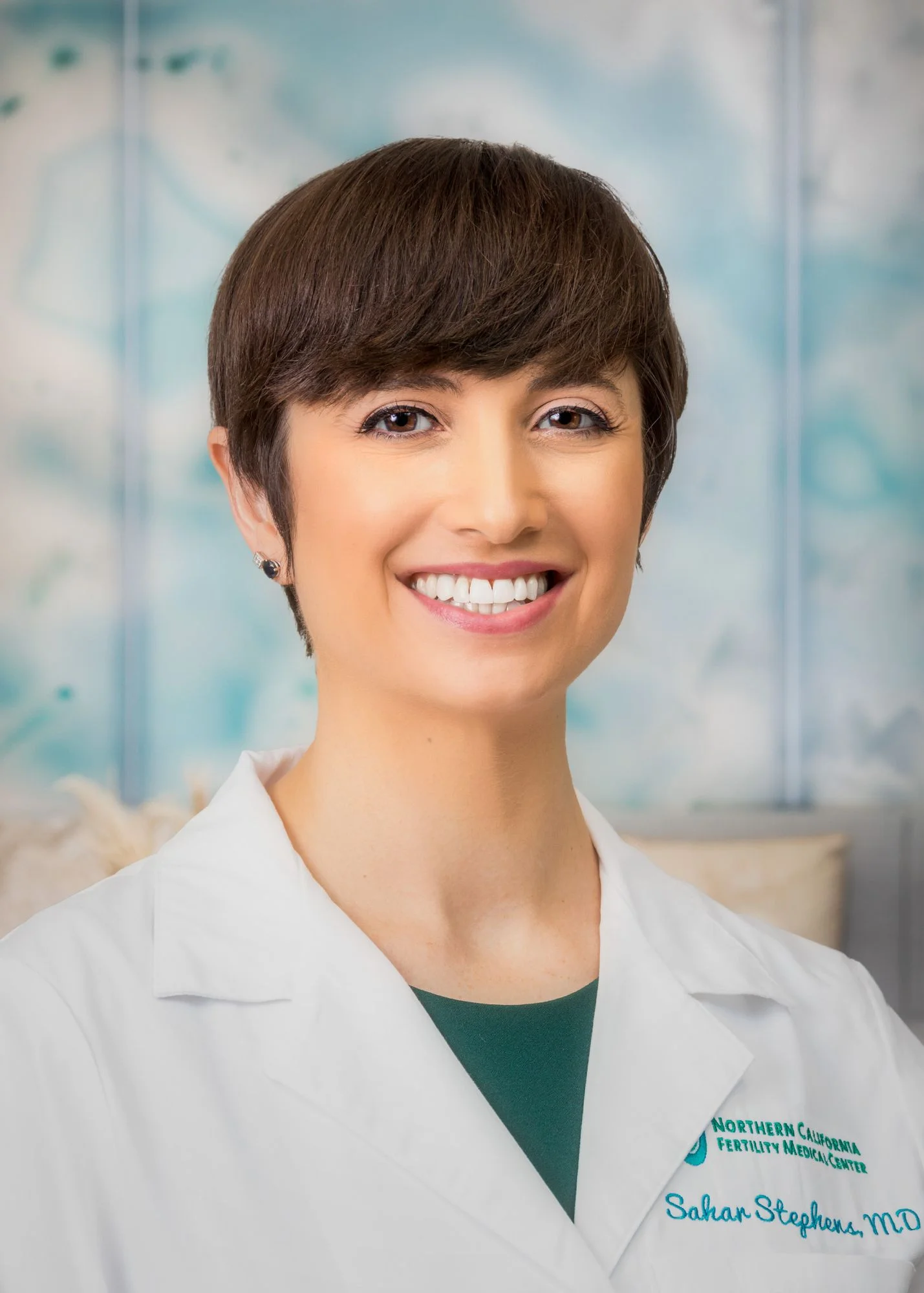
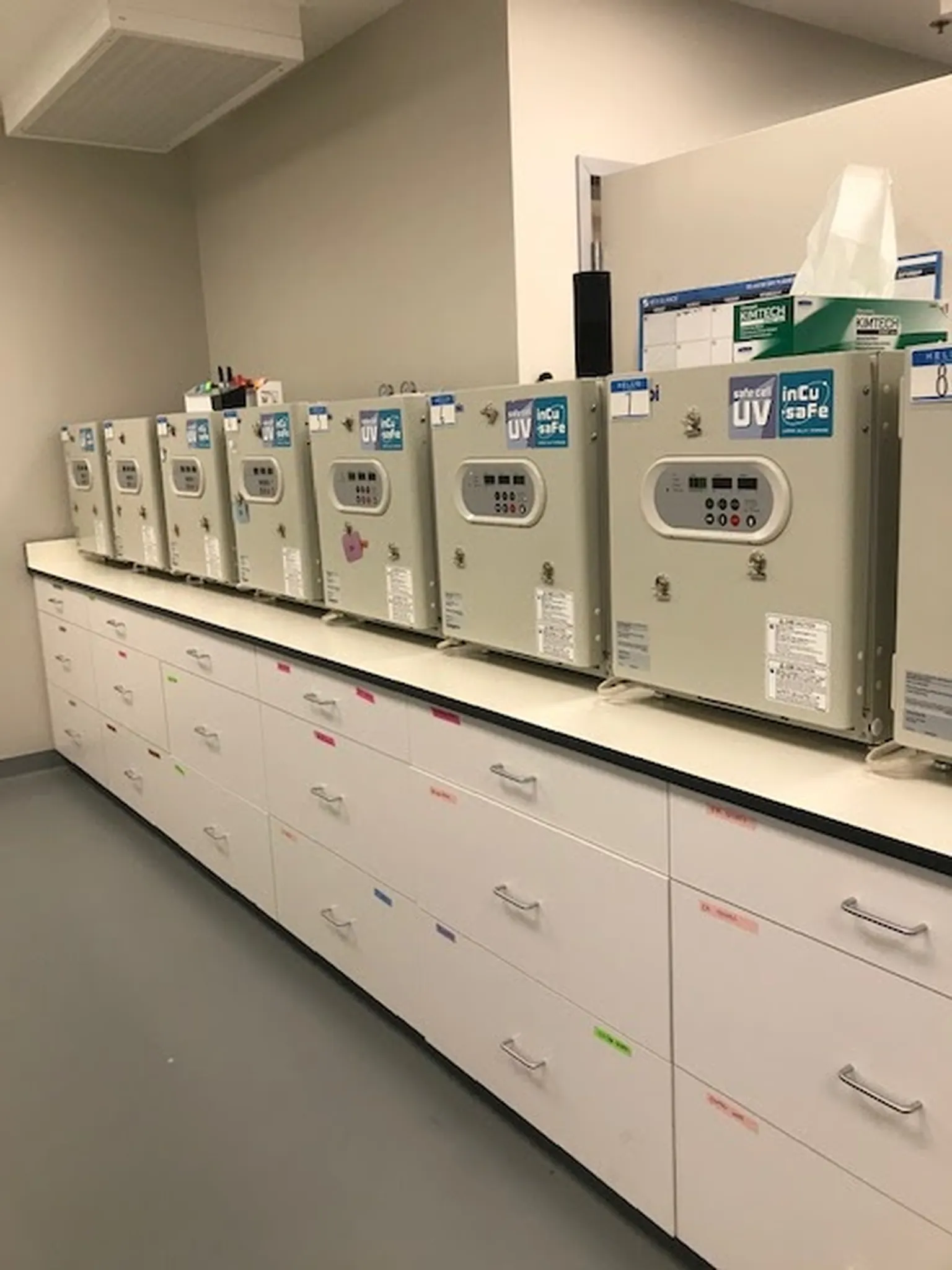
The clinical team is five physicians plus four advanced practice clinicians. Four are reproductive endocrinologists (Drs. Murray, Doblado, Stephens and Chenette, the last of whom joined June 16, 2025); the fifth, Dr. Suzanne E. Generao, is a board-certified urologist who covers male infertility as a consultant to the practice, with her own direct line. Behind them sit two physician assistants and two nurse practitioners on the staff list. The practice runs a full-service in-house laboratory under lab director Dr. David Cragun, with an active micromanipulation program: ICSI, assisted hatching, and embryo biopsy for preimplantation genetic testing.
Volume is the clinic’s strongest measurable claim, with a caveat attached. SART’s 2023 clinic summary report for this registration (clinic ID 1945) lists 1,679 total cycles against a national per-clinic average near 932. The same report shows a retrieval-start report rate of 58.2%, meaning roughly two of five cycles that started a retrieval in 2023 are not carried into the outcome tables — normal for SART reporting, but it is why the percentages below are not the whole story. The clinic’s About page calls this “the region’s largest IVF program.” That is the clinic’s own characterization; nothing in our sources compares it with other Sacramento-area programs, so read the cycle count instead of the superlative.
The outcomes numbers, with their denominator named. The clinic’s patient-success page publishes 2023 final SART data as live births per intended egg retrieval, counting all embryo transfers from that retrieval, for patients using their own eggs: 58.6% under 35 against a 51.5% national average, 44.0% at 35-37 against 38.9%, and 29.4% at 38-40 against 25.4%. That is above the national column in all three published bands, which is what supports the clinic’s statement that its rates “are significantly higher than national averages.” Three clarifications belong with that. The 51.5 / 38.9 / 25.4 column is the benchmark the clinic itself prints; SART’s own 2023 national summary on the same measure runs 53.2 / 39.9 / 26.2, and against those figures NCFMC still leads all three bands, just by less — 5.4, 4.1 and 3.2 points rather than 7.1, 5.1 and 4.0. Second, the comparison chart further down this page sits on a different measure again, so name it: its clinic bars are the 64.0% under 35 / 51.7% at 35-37 / 50.7% at 38-40 / 35.9% at 41-42 row, and the SART registry attaches that row to a specific table — 2023 Frozen Embryo Transfer with PGT-A (blastocyst), live birth per transfer, on 223 / 175 / 147 / 39 transfers in those bands. It is a per-transfer figure, while the 58.6 / 44.0 / 29.4 set quoted above is live birth per intended egg retrieval and counts every transfer that retrieval produced. Both are SART 2023 measures of this clinic and both stand; neither converts into the other, so the chart’s higher bars are not a revision of the retrieval numbers. That same naming settles the age-band question: the clinic’s published per-retrieval table carries no 41-and-over column, while the charted transfer table reports 35.9% at 41-42. Third, the national side of that chart is a composite rather than one baseline. 46.6 / 44.9 / 40.7 are the national frozen-transfer-with-PGT-A live birth per transfer figures, printed in the registry directly alongside this clinic’s row, and on that table the national 41-42 value is 29.3%. The 9.4% drawn as the national value of the chart’s over-40 bar is not from that table; it is the SART 2023 national summary’s overall per-retrieval figure for patients 40 and over. So the under-40 bars compare transfer with transfer, while the over-40 bar pairs this clinic’s 41-42 transfer rate against a national retrieval rate — different denominators, and not a like-for-like gap. Ask which measure any number you are shown uses before comparing it to anything.
What the clinic does not publish: an elective single-embryo transfer rate, a PGT-A subset breakdown, cycle-start wait times, or medication and cycle prices.
Accreditations & Awards
- SART member clinic, reporting to the Society for Assisted Reproductive Technology under clinic ID 1945; the medical director verified the 2023 filing. That reporting is the only independent outcome check available for this practice
- Newsweek/Statista “America’s Best Fertility Clinics” 2025 — No. 62 nationally, confirmed on the published ranking list. The clinic’s homepage additionally calls itself one of Northern California’s top 5 and California’s top 10 fertility clinics; the regional tiers are the clinic’s wording, not a separate Newsweek list our research located. The clinic lists the ranking for 2023 and 2025-2026
- REI Protect Seal of Approval, announced by the clinic on March 21, 2025 and renewed annually. Our research found the clinic’s own news post but no independent verification page, so treat this as a clinic-reported credential
- Sactown Magazine “Top Doctors,” 2025 — a Sacramento magazine physician listing, self-reported on the clinic’s awards section
- “9 out of 10 patients would recommend NCFMC to a loved one” — the clinic’s own patient-success page figure, not an audited survey
- “Recommended by over 100 real patients on Fertility IQ” — the clinic’s own treatments page, quoting a third-party patient community
- Media features claimed, not verified — the clinic says it has been featured in The Wall Street Journal, Associated Press, BBC, Reuters, KSL 5 TV and Oprah. Our research file records the clinic’s claim; it does not document individual placements
- Patient rating on record here: 4.2 across 196 reviews as of the data snapshot on this page. Useful for front desk and scheduling impressions; far too small and too self-selected a base to rank a clinical program
- Not claimed here — our sources for this clinic contain no CAP or CLIA accreditation record for the embryology laboratory, so no laboratory accreditation is asserted on this page despite the lab being described as state-of-the-art
Why Choose Northern California Fertility Medical Center
- The lab is in-house, and so is the micromanipulation. ICSI, assisted hatching and embryo biopsy for PGT all happen in this clinic’s own laboratory under a named lab director, Dr. David Cragun. Nothing about your embryos leaves the building for the procedure itself
- Male factor is handled by a urologist, not referred out. Dr. Generao is board certified in Urology, has performed vasectomy reversals for more than 10 years, and does sperm extractions and male fertility consultations. A couple workup can therefore happen under one roof
- Reproductive surgery sits inside the same practice. Dr. Stephens works in laparoscopy, hysteroscopy and robotic-assisted laparoscopy, and was recognized for laparoscopy during residency; Dr. Murray’s listed interests include laparoscopic fibroid removal. Structural causes get evaluated by physicians who also run cycles
- Cycle volume you can check: 1,679 cycles in SART’s 2023 report for this registration, versus 932 at the average US clinic. Labs and monitoring teams get better with repetition
- Third-party reproduction across the board: donor egg IVF, gestational carrier cycles, egg freezing for fertility preservation, and a marketed LGBTQ+ family-building program
- Insurance and financing help is a named step, not an afterthought — “Finances” is step four of the clinic’s own published treatment pathway, before treatment begins
- Language access at the clinician level: PA-C Fiona Wang, who came from the Stanford Center for Fertility and Reproductive Health, is fluent in Cantonese and Mandarin
- Convenient for travel patients: the practice markets easy access from Sacramento International Airport and runs an international patient service line
- What you will have to ask about: published eSET policy, per-retrieval outcomes for age 41 and up (the clinic’s own retrieval table stops at 38-40), wait time to start a cycle, monitoring hours, whether PGT sequencing is done in-house or sent out, and time-lapse culture — none of these appear in the clinic’s published material
IVF & Fertility Services
The clinic’s own service list, as published:
- IVF (In Vitro Fertilization) — full cycle management, the practice’s core service and the basis of its SART reporting
- IUI (Intrauterine Insemination) — offered with partner or donor sperm
- ICSI (Intracytoplasmic Sperm Injection) — performed in the in-house lab as part of an active micromanipulation program
- Assisted hatching — lab technique listed by the clinic alongside ICSI and biopsy
- Genetic testing of embryos (PGT) — embryo biopsy done on site; the sequencing laboratory the clinic uses is not named in its materials
- Egg freezing for fertility preservation — elective and medical, with a dedicated service page
- Donor egg IVF — the clinic describes an egg donor program among its services
- Gestational carrier (surrogacy) programs — offered, with intended-parent and carrier management handled by the practice
- LGBTQ+ family building — marketed as a named treatment category
- Male infertility evaluation and treatment — urology consults, vasectomy reversal and sperm extraction through Dr. Generao
- Recurrent pregnancy loss — a listed service category with its own evaluation pathway
- International patient services — dedicated support for patients traveling to Sacramento
- Nurse and physician-assistant care — two PA-C and two NP/WHNP clinicians on the provider list, covering fertility evaluation, treatment support and women’s health
Fees & Packages
There is no published price list. The clinic states plainly that cost “varies based on the services that comprise your unique plan and your insurance coverage,” and that its team works through coverage and financing options with you before and during treatment — its own words promise no surprises on the billing side, not a fixed package.
What the record does support:
- Insurance is a real pathway here, not an assumption. The practice has a Cost and Insurance section, and at least one published patient testimonial describes getting pregnant through two IUI cycles on an insurance plan the clinic was contracted with. Which plans that includes is yours to verify in writing before medications start
- “Finances” is step four of the clinic’s five-step treatment pathway, positioned after diagnosis and before treatment begins — meaning a cost conversation is built into the process rather than left to the billing office
- The site supports patient payments directly, with a “Make A Payment” portal, which implies an established self-pay balance and payment workflow
- No specific financing partners, interest rates, refund guarantees or medication prices appear in our sources for this clinic. If you are comparing programs on financing, ask what products NCFMC actually offers rather than assuming the network’s options apply here
Cycle, medication, donor and carrier costs at this practice are therefore unknown from public material. Get an itemized estimate after your diagnosis visit, and ask separately about storage fees, since those continue whether or not you transfer.
Patient Journey
The clinic publishes a five-step pathway; the detail below is what its own pages state.
- Initial consultation — you and your doctor go over your medical history and your fertility goals, and start planning from there. If you have a partner, the clinic strongly encourages them to attend
- Testing — fertility testing is completed before any treatment decision. The specific workup is set by your history; the clinic does not publish a standard panel
- Diagnosis — testing is read against your history to name the obstacle, which is also the point at which a plan becomes comparable between options
- Finances — coverage, self-pay and payment options are reviewed at this step, before treatment starts
- Beginning your treatment — you and the practice choose the path collaboratively: IVF, IUI, or another listed service
- In the laboratory — where a cycle involves IVF, micromanipulation work (ICSI, assisted hatching, embryo biopsy for PGT) happens in the in-house lab directed by Dr. Cragun
- Reporting — the practice reports outcomes to SART annually, which is how the 2023 figures on this page became public
The clinic does not publish monitoring start times, cycle-start wait, or retrieval-day logistics. Ask at the consultation.
Local Legal Framework
California is the state where this practice runs donor egg cycles, gestational carrier programs, PGT and a marketed LGBTQ+ family-building program — services that only operate openly where state law allows them. That is the extent of what can be stated from evidence. Our source file for this clinic records no California statute names, section numbers or legal analysis, so this section does not invent any.
What you can rely on, and what you have to verify yourself:
- Third-party reproduction here is offered, not improvised — donor egg IVF and gestational carrier cycles are named services. The legal scaffolding (carrier agreement, independent counsel, parentage order naming the intended parents) is not something the clinic’s published material describes, so ask who handles it and at what cost before a cycle is scheduled
- Donor gametes and consent. Egg donation runs on written informed consent as an ART matter. Questions about donor identity release and what a child can access later are not answered in this clinic’s published material — get answers in the agreement, not the brochure
- PGT-A and PGT-M are available here; embryo biopsy is done on site, and standard informed consent governs testing. Nothing in our sources describes a California restriction on PGT for this practice
- Stored embryos. In the absence of a documented state rule, the controlling document is the ART consent you sign when eggs or embryos are created: storage terms, use after separation or divorce, donation, discard. Read it before signing and update it when your circumstances change
- Parentage for LGBTQ+ patients and for non-genetic parents is settled by California law and, where a carrier is involved, by court order rather than by the birth record. Nothing in the clinic’s published material documents that step for you; retain California reproductive-law counsel at the planning stage, not after a positive test
One more point that belongs here rather than in the fees section: this clinic publishes no prices and no financing terms, so the contract documents — ART consent, financial agreement, storage agreement — are the only place your obligations will actually be written down. Read all three before you sign any of them.
Location
- Address: 4320 Auburn Blvd, Sacramento, CA 95841, United States
- Phone: +1 916-773-2229