'%20d='m0%200%2016%2011h61%2061%2061%2061%2060L47%2037h61%2061%2060%2061L16%2063h61%2061%2061%2061%2060L47%2089h61%2061%2060%2061L16%20115h61%2061%2061%2061%2060L47%20141h61%2061%2060%2061L16%20166h61%2061%2061%2061%2060L47%20192h61%2061%2060%2061L16%20218h61%2061%2061%2061%2060z'/%3e%3c/svg%3e)

About the Clinic
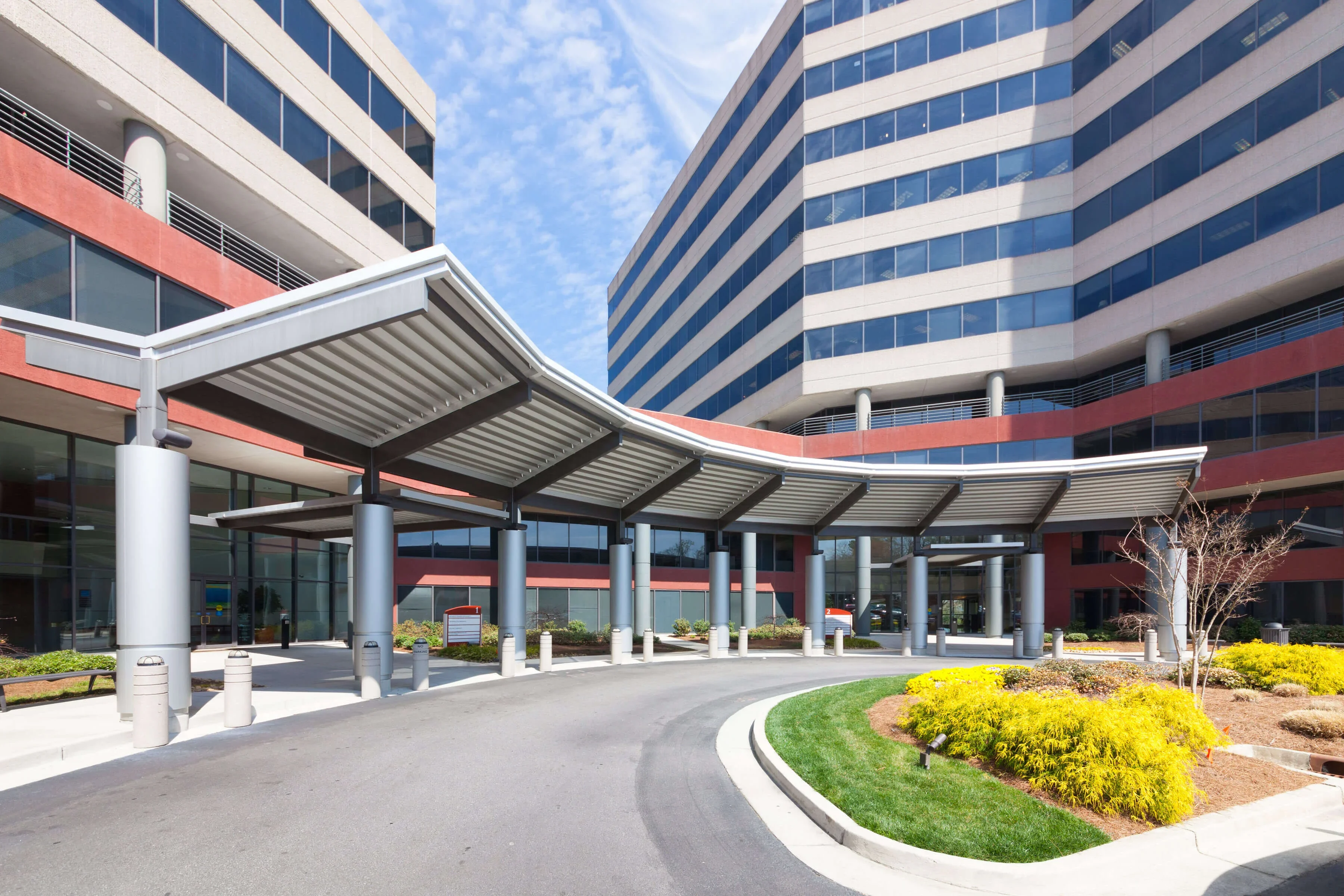
Reproductive Biology Associates (RBA) is located in Atlanta, Georgia, and was founded in 1983 as Georgia’s first IVF program — the practice that delivered the state’s first IVF baby in 1984. RBA serves patients across the Atlanta metro from several locations, including the Piedmont Hospital Campus (on the campus of Piedmont Atlanta Hospital), the Sandy Springs main office, Cumming and Marietta.
RBA’s published history lists a run of firsts: the first U.S. birth through ICSI (1993), the first births in the Western Hemisphere from frozen donor eggs (1997), and from 2009 what the clinic calls the world’s largest frozen donor egg bank. In 2024 RBA became the only fertility clinic in Georgia with two embryology labs. The clinic reports more than 35,000 babies since 1983 (source: RBA website, 2026).
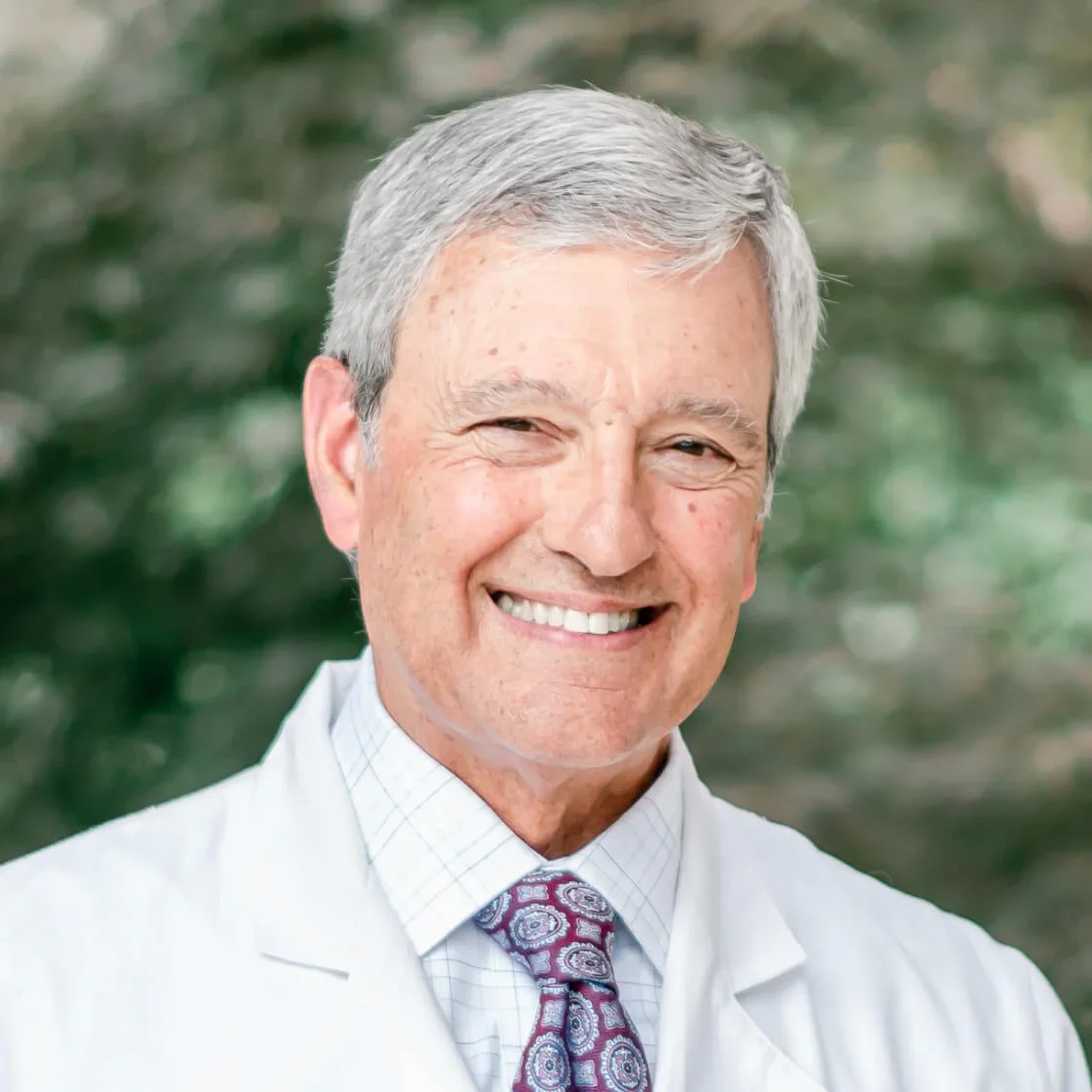
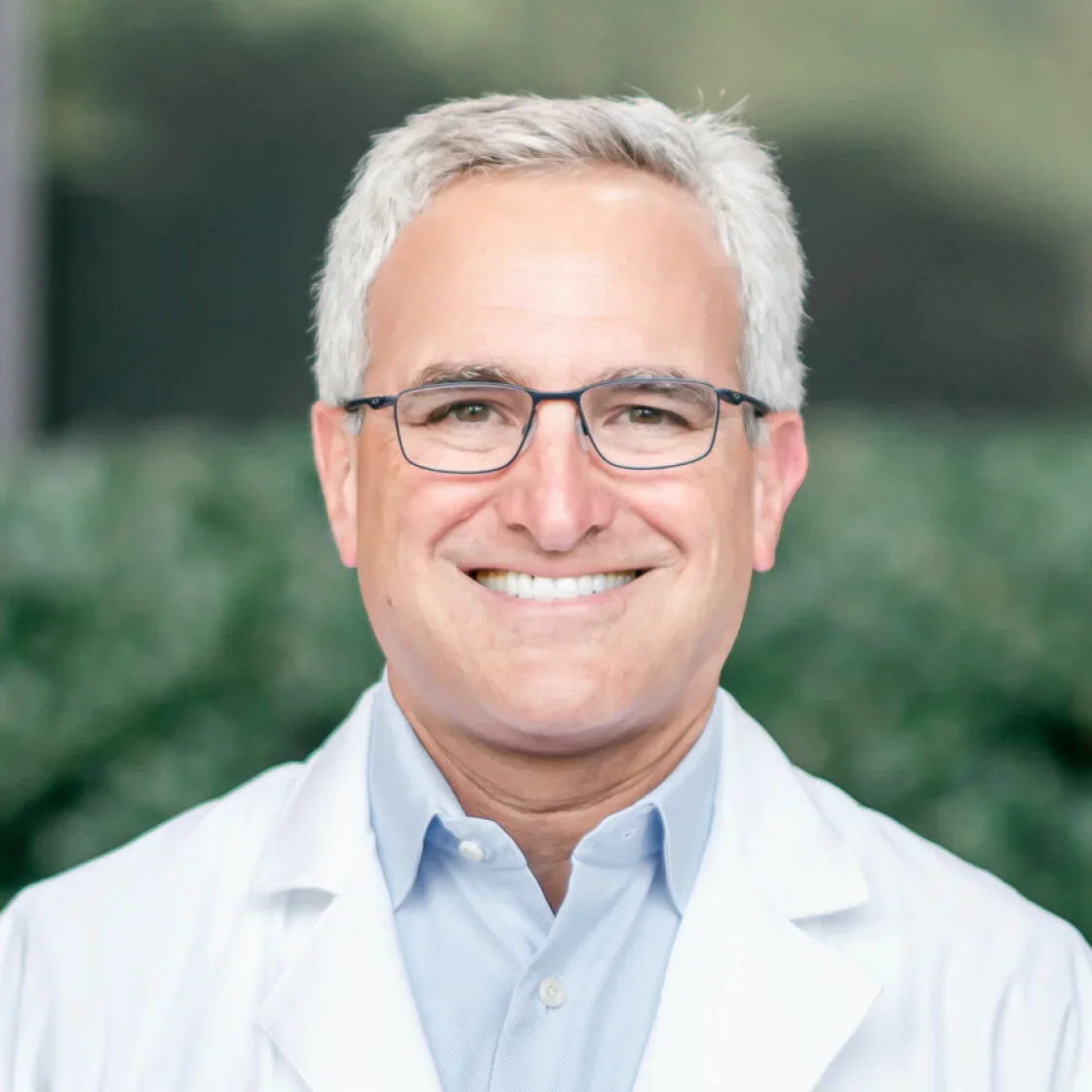
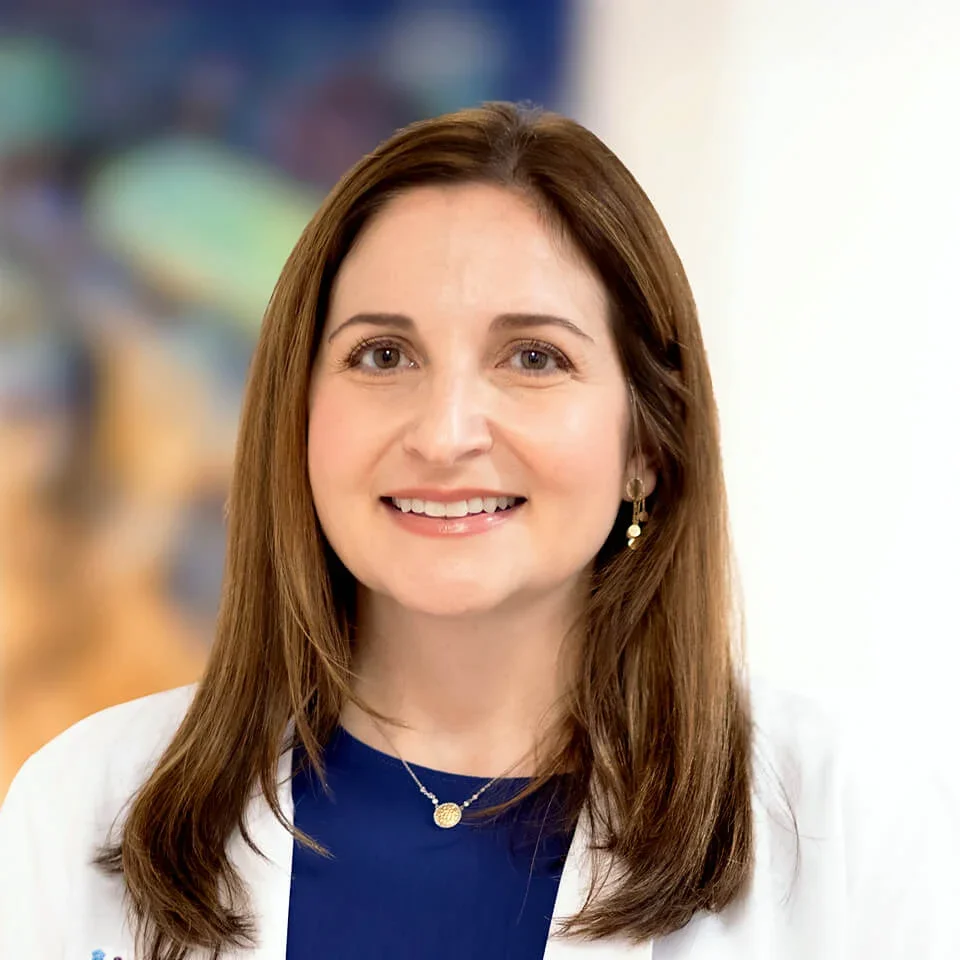
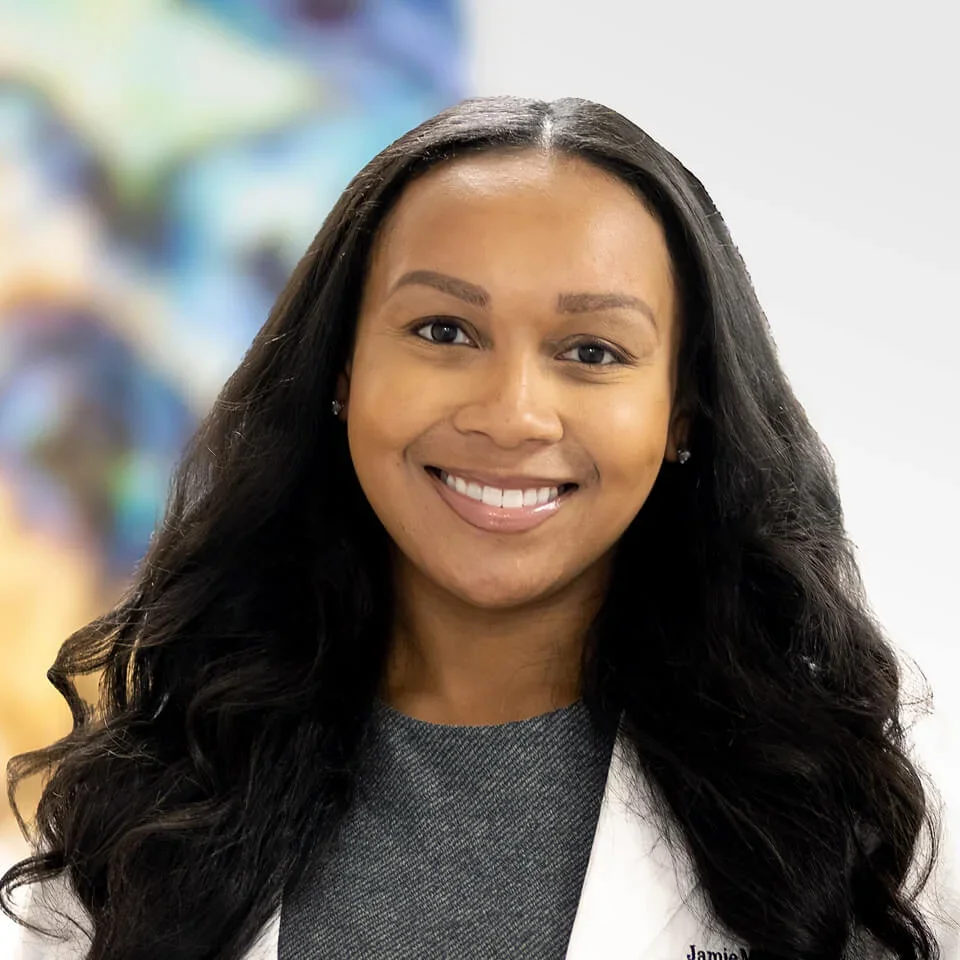
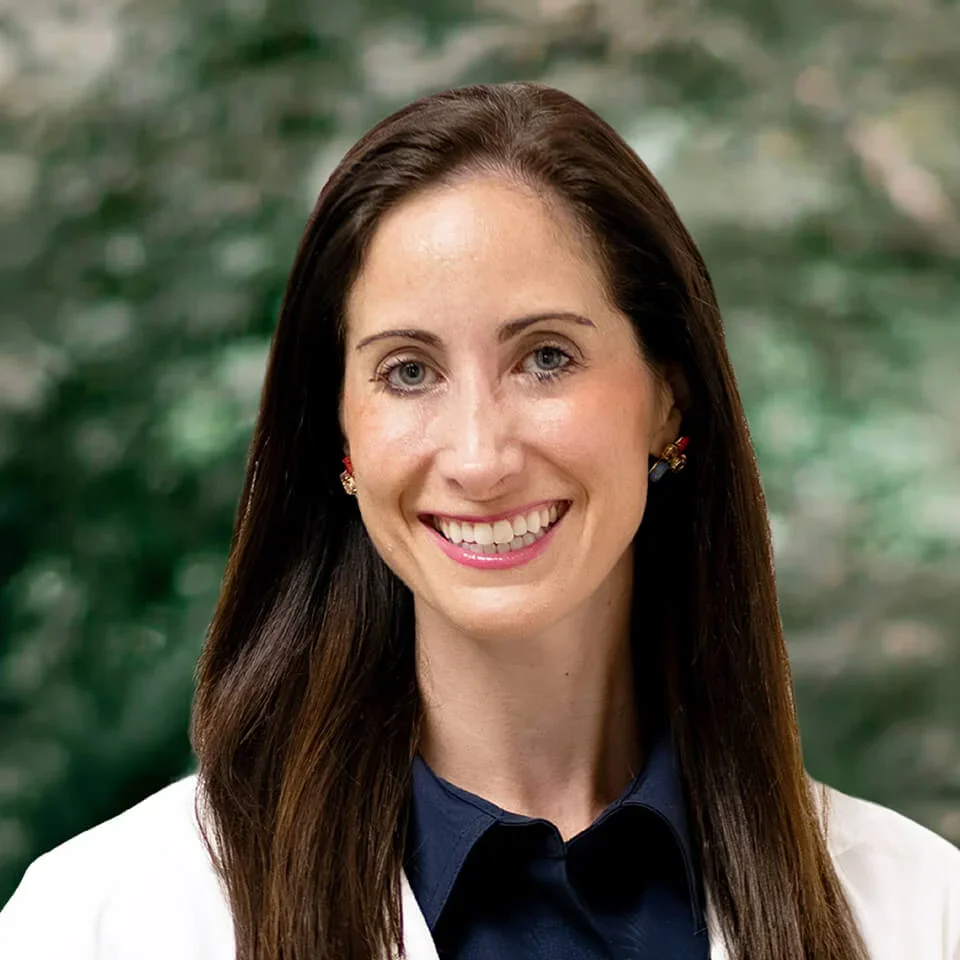
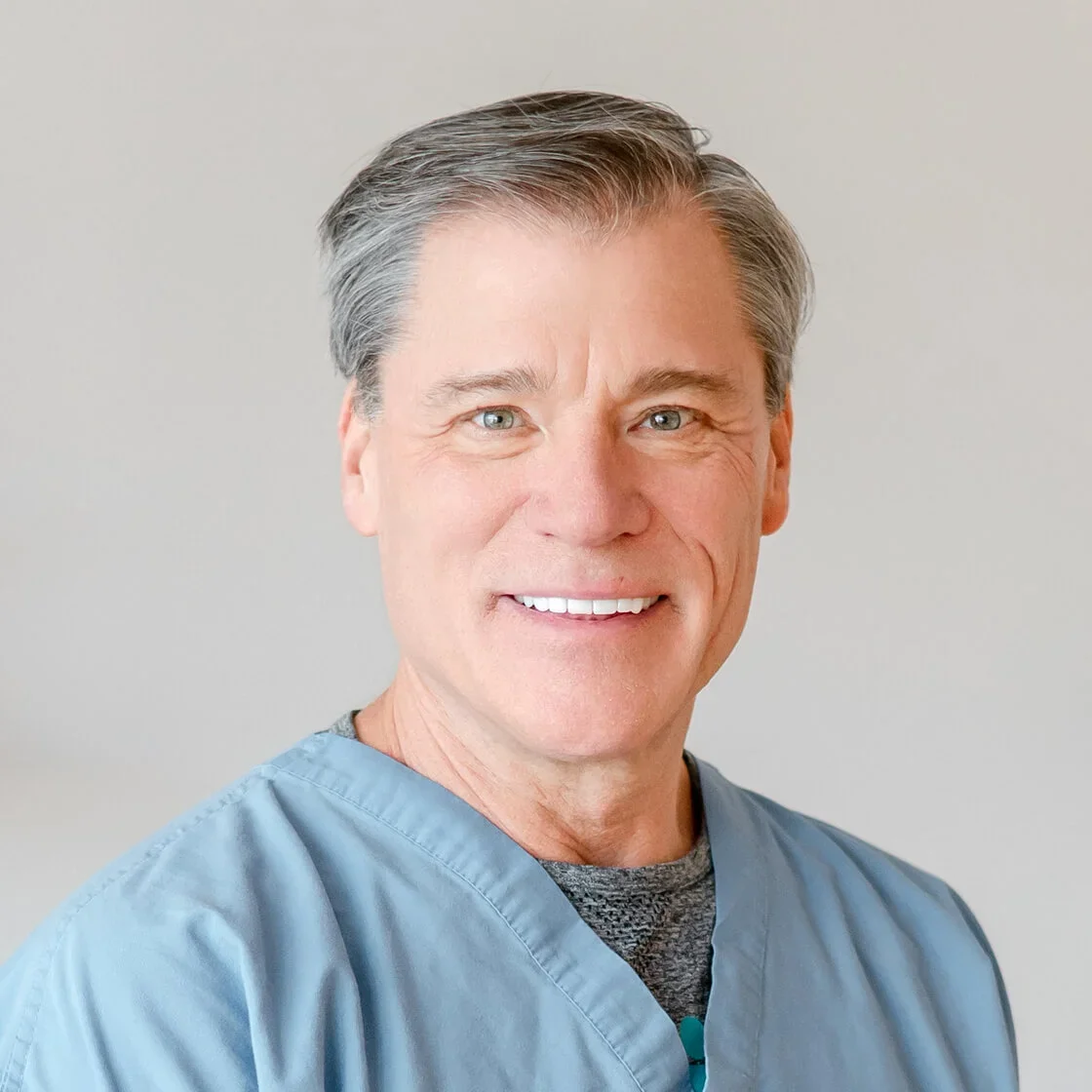
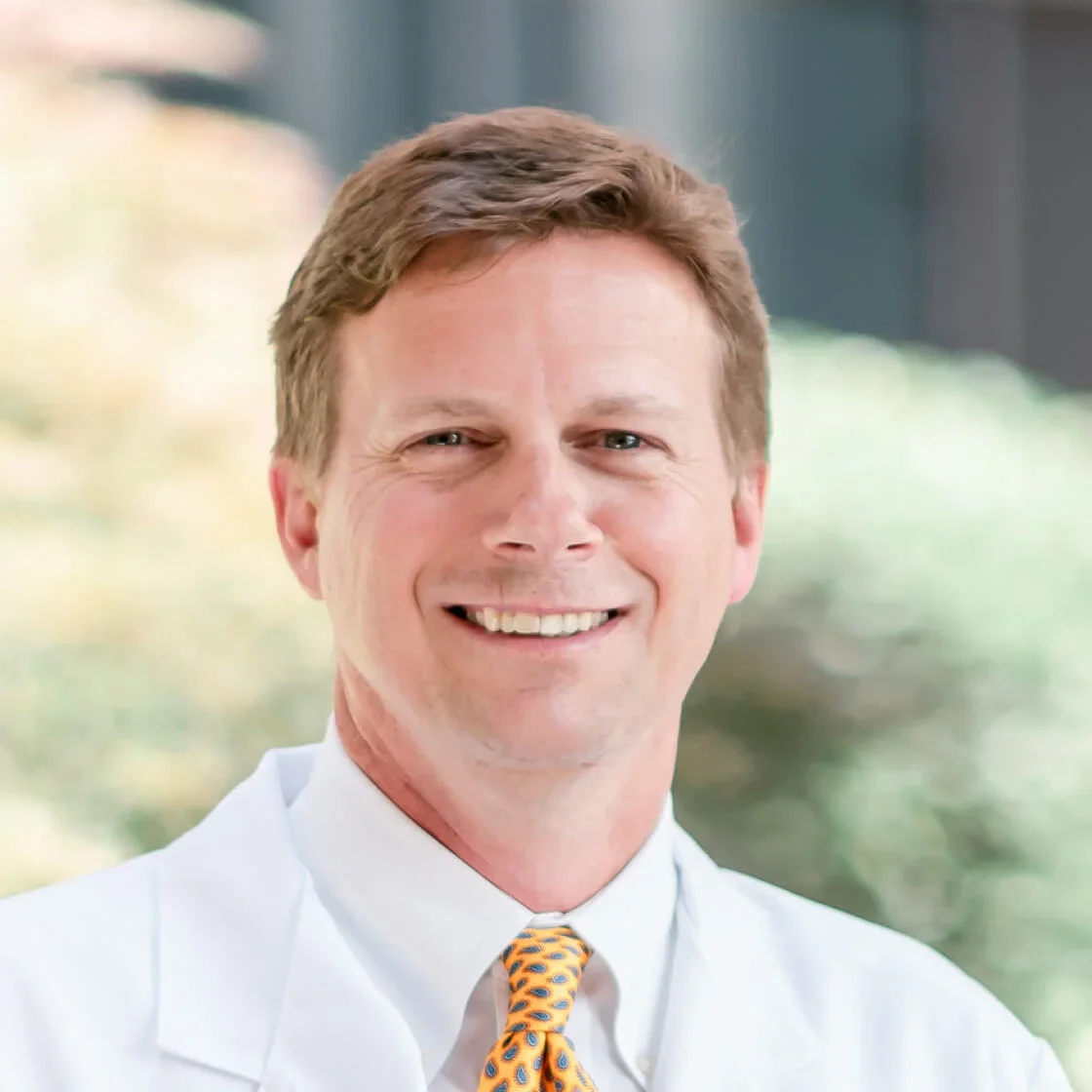
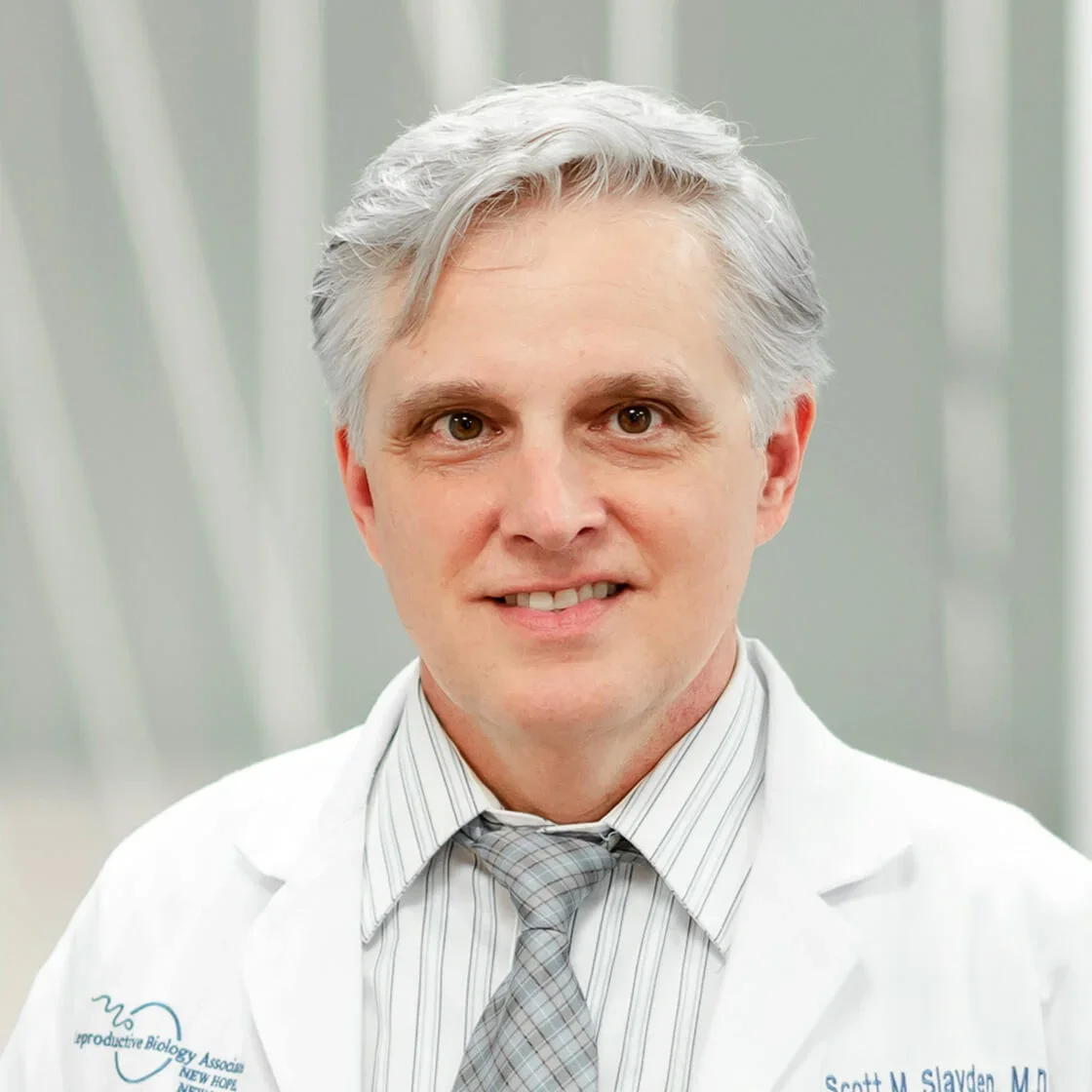
RBA is a member of The Prelude Network, a US group of affiliated fertility centers. The medical team includes board-certified reproductive endocrinologists, a reproductive urologist, and embryology laboratory directors Dr. Zsolt Nagy and Dr. Jeremy Chang.
Accreditations & Awards
Georgia’s first IVF program: Founded in 1983; delivered the state’s first IVF birth in 1984 (source: RBA history timeline).
First U.S. ICSI birth: In 1993 RBA became the first U.S. IVF program to achieve a pregnancy and birth through intracytoplasmic sperm injection (ICSI) (source: RBA history timeline).
First Western Hemisphere births from frozen donor eggs: Reported in 1997 (source: RBA history timeline).
World’s largest frozen donor egg bank (clinic-stated): My Egg Bank, launched in 2009 and described by RBA as the largest frozen donor egg bank in the United States (source: RBA history timeline).
SART-reported success rates: RBA reports its outcomes to SART. The 2023 Final report shows cumulative live birth rates of 56.7% (under 35), 40.5% (35-37) and 32.3% (38-40), all above the national averages (53.2%/39.9%/26.2%).
35,000+ babies: More than 35,000 babies born since 1983 (source: RBA success rates page, 2026).
Why Choose Reproductive Biology Associates
Pioneer of reproductive medicine in Georgia: Founded in 1983 as the state’s first IVF program with 40+ years of history. RBA has been at the forefront at nearly every major technical milestone — from PGD and ICSI to vitrified donor eggs — including the first U.S. ICSI birth (1993) and the first Western Hemisphere frozen donor egg births (1997) (source: RBA history timeline).
Two embryology labs and a large donor egg program: RBA operates two embryology labs — the only fertility clinic in Georgia with two (2024) — under laboratory directors Dr. Zsolt Nagy and Dr. Jeremy Chang. Since 2009 it has run My Egg Bank, which the clinic describes as the world’s largest frozen donor egg bank (source: RBA website).
Complete male fertility care: An in-house reproductive urologist (Dr. Michael Witt) provides testicular microdissection (Micro-TESE), percutaneous sperm retrieval, vasectomy reversal, varicocele repair and electroejaculation — one of the few Atlanta centers able to complete complex male-factor surgeries on site (source: RBA website).
LGBTQ+ family building expertise: Reciprocal IVF, sperm/egg donation and surrogacy are offered through a dedicated LGBTQ+ family building program (source: RBA website).
Transparent success rates and financing: RBA commits to full transparency, reporting all outcomes to SART. Multi-cycle BUNDL packages (including a 100% refund option), PatientFi, LendingClub and CAPEX MD financing are available with funding up to $50,000 (source: RBA financial page, 2026).
IVF & Fertility Services
Core Assisted Reproductive Technology
In Vitro Fertilization (IVF): Full-cycle care from ovarian stimulation through egg retrieval, fertilization and embryo transfer. SART 2023 Final cumulative live birth rates: 56.7% (<35), 40.5% (35-37), 32.3% (38-40) (source: SART 2023).
ICSI (Intracytoplasmic Sperm Injection): RBA delivered the first U.S. ICSI baby in 1993. A single healthy sperm is injected into each egg to address sperm quantity, quality or fertilization issues (source: RBA IVF page).
IUI (Intrauterine Insemination): Placing prepared sperm directly into the uterus for mild male factor or unexplained infertility; monitoring, IUI and emergency services are available on weekends (source: RBA location pages).
Preimplantation Genetic Testing (PGT): RBA achieved the first PGD pregnancy in the Southeast (1995) and introduced routine aneuploidy screening in 2005; PGT-A/PGT-M are offered (source: RBA history timeline).
Fertility Preservation
Egg Freezing: RBA’s own account has the clinic developing and clinically applying vitrification between 2005 and 2007 (source: RBA egg freezing page).
Oncofertility: Fertility preservation counseling and planning for cancer patients before chemotherapy or radiation.
Donation Programs
Egg Donation: RBA established Georgia’s first anonymous egg donation program in 1992 and has run a frozen donor egg bank — My Egg Bank, which the clinic calls the largest in the world — since 2009 (source: RBA history timeline).
Surrogacy: RBA reported the first gestational carrier birth in Georgia in 1992 and provides full surrogacy coordination (source: RBA history timeline).
Special Programs
LGBTQ+ Family Building: Reciprocal IVF, sperm/egg donation and surrogacy for LGBTQ+ families (source: RBA website).
Male Fertility: In-house urology specialist for sperm function testing, micro-TESE, vasectomy reversal and varicocele repair (source: RBA Atlanta location page).
PCOS Care: Ovulation induction and IVF protocols tailored to polycystic ovary syndrome (source: RBA services directory).
Fees & Packages
Our sources do not include an itemized price list for RBA’s treatment cycles. What the clinic does document is how care is packaged and financed:
- Multi-cycle packages: Through its partnership with BUNDL Fertility, RBA lets patients buy multi-cycle plans for one upfront discounted cost, with risk-protection options that include a 100% IVF refund.
- What a plan includes: RBA presents its Prelude-network plans as transparent all-in pricing — the plan cost covers all appropriate medication, and the fertility check and carrier screening are built in.
- Loans and financing: PatientFi offers funding up to $50,000 with zero-interest plans, APRs as low as 6.99%, terms out to 84 months and no hard credit checks; LendingClub Patient Solutions finances up to $50,000 on flexible terms; Future Family builds customized loans with prequalification in under two minutes that leaves your credit score untouched; CAPEX MD finances treatment and treatment-related drugs, with pre-approval inside 24 hours, no annual fees and no prepayment penalties.
- Insurance: RBA lists fertility insurance among its financial options and asks patients to bring insurance cards to the first visit; plan-level coverage details are not documented in our sources.
Patient Journey
- Initial consultation: Book online or by phone and choose the physician and location that fit your needs (RBA lets patients select their own doctor and site). The first visit includes an in-depth review of medical, surgical, fertility/GYN history and current medications.
- Prepare in advance: Download the Prelude Connect app to complete registration and health history forms; send prior records and results to RBA if you have been treated elsewhere.
- Fertility evaluation: Your provider reviews common infertility factors and recommends the standard fertility work-up (hormone blood work and transvaginal ultrasound for women; semen analysis for men) plus any additional testing you need.
- Personalized plan: Based on the evaluation, choose a treatment path (IUI or IVF). A one-on-one financial consult reviews insurance coverage, treatment costs and financing options.
- Treatment cycle: Ovarian stimulation (injections with monitoring) → egg retrieval (minimally invasive, about 15 minutes, light sedation) → fertilization/ICSI → embryo culture and PGT (if applicable) → fresh or frozen embryo transfer.
- Pregnancy confirmation and follow-up: A pregnancy test about two weeks after transfer. A patient care coordinator follows up by phone or portal, and a follow-up visit finalizes your ongoing care plan.
Local Legal Framework
Egg and sperm donation: Georgia permits egg and sperm donation. RBA built the state’s first anonymous egg donation program in 1992.
Surrogacy: Gestational surrogacy is permitted in Georgia, and RBA reported the state’s first birth using a gestational carrier in 1992. Our sources record no Georgia statute on intended-parent orders, so we do not describe that process here.
PGT genetic testing: PGT-A/PGT-M are legal services in Georgia, and RBA offers comprehensive preimplantation genetic testing.
LGBTQ+ family building: RBA runs reciprocal IVF along with donor sperm, donor egg and surrogacy programs. Our sources do not document Georgia’s parentage law for same-sex couples, so we make no claim about it.
Embryo legal status: nothing in our sources addresses the legal status of embryos under Georgia law.
Outcome reporting: federal CDC rules have required IVF clinics to report pregnancy outcomes since the 1990s; as a SART member clinic RBA also reports cycle data through SART CORS.
Location
- Piedmont Hospital Campus: 35 Collier Road, Suite 160, Atlanta, GA 30309 | +1 404-665-5722
- Main Office - Sandy Springs: 1100 Johnson Ferry Road NE, Bld 2, Ste 200, Atlanta, GA 30342 | +1 404-257-1900
- Cumming: 1800 Northside Forsyth Drive, Suite 300, Cumming, GA 30041 | +1 404-257-1900
- Marietta: 699 Church Street, Suite 240, Marietta, GA 30060 | +1 404-257-1900