'%20d='m0%200%2016%2011h61%2061%2061%2061%2060L47%2037h61%2061%2060%2061L16%2063h61%2061%2061%2061%2060L47%2089h61%2061%2060%2061L16%20115h61%2061%2061%2061%2060L47%20141h61%2061%2060%2061L16%20166h61%2061%2061%2061%2060L47%20192h61%2061%2060%2061L16%20218h61%2061%2061%2061%2060z'/%3e%3c/svg%3e)
About Reproductive Science Center - San Ramon
RSC opened in 1983, and its About page claims the first private IVF clinic west of the Mississippi, the East Bay’s first IVF pregnancy and “test tube baby”, and the second birth in the United States from a frozen embryo. Those are the practice’s own milestones rather than anything a registry confirms. The material collected for this unit names five reproductive endocrinologists practising at San Ramon, two of whom also hold sessions at RSC’s Oakland address. RSC’s team page describes a wider Bay Area roster of reproductive endocrinologists and advanced practice providers that is outside this page’s scope, so treat the five below as this location’s physicians rather than the group’s whole staffing. It reports 12,000 pregnancies network-wide and belongs to US Fertility, a network that describes itself as the largest physician-led fertility group in the country.
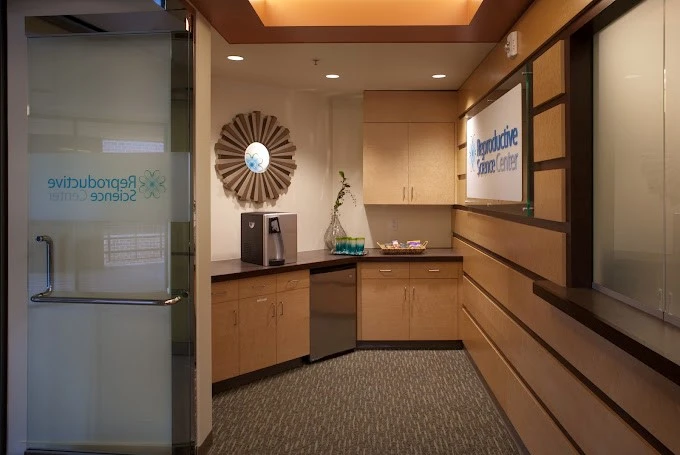
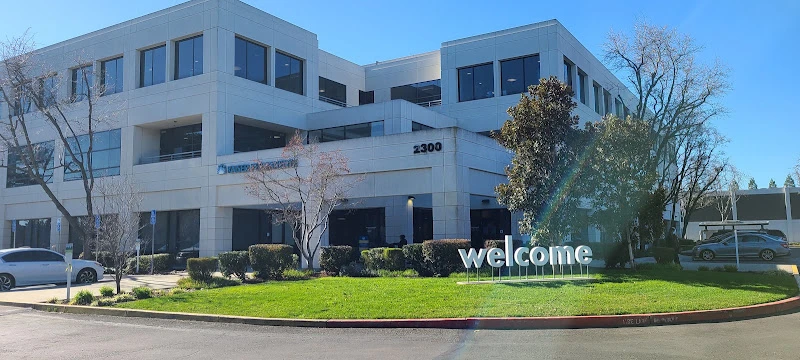
This page is the San Ramon office: 100 Park Place, Suite 200, in the Tri-Valley, drawing patients from San Ramon, Dublin and Pleasanton. The location page names five physicians there and lists the service set as IVF, ICSI, PGT and egg freezing, plus third-party reproduction — egg, sperm and embryo donation and gestational carrier surrogacy — with integrative medicine and emotional support alongside the clinical work. Google reviews for the office run 4.3 across 227 ratings.
Outcomes, and whose numbers they are. SART registers RSC as one reporting unit (clinic ID 2351), and nothing in the data available here splits that unit by office. So read every figure below as an RSC Bay Area result, not as 3,834 cycles performed at this address — that cycle count is the reporting unit’s 2023 volume across its sites. Within that limitation, the metric is live birth per intended retrieval: 59.6% under 35, 45.3% at 35-37, 37.8% at 38-40, and 18.6% at 41 and over. The national row in the comparison table on this page reads 53.2 / 39.9 / 26.2 / 9.4 for the same registry, the same year and the same metric, so RSC sits above it in all four bands: 6.4 points under 35, 5.4 points at 35-37, 11.6 points at 38-40 and 9.2 points at 41 and over. There is no per-protocol split in this page’s data: the fresh-IVF and frozen-transfer rows are both empty, so no fresh or frozen-specific rate is quoted here.
RSC’s own success-rate page prints no clinic numbers. It says results are “highly competitive nationally,” that donor egg and frozen embryo cycles run well above the national average in live births per transfer, and points readers to its SART and CDC reports. That is a different denominator from the per-retrieval figures above, and it covers specific cycle types rather than all cycles, so the two statements answer different questions and should not be added together. The same page states the practice advocates elective single embryo transfer (eSET) to keep multiple pregnancies down while holding results.
Accreditations & Awards
- CAP-certified and CLIA-certified IVF and andrology laboratories, as claimed on RSC’s About page — the two designations that govern how eggs, sperm and embryos are handled and tested
- SART member practice reporting cycles to SART and the CDC (2023 reporting unit clinic ID 2351), which is the only reason the age-band numbers on this page exist in public and can be pulled independently
- Institute of Medical Quality (IMQ) surgery center recognition, clinic-reported
- Centers of Excellence listings for Aetna and UnitedHealthcare, clinic-reported from the same About page
- Fertility Equity certification, claimed on the About page, covering culturally competent care for communities facing inequities in reproductive health
- Historic firsts, all network-level and clinic-reported: 1983 founding, first private IVF clinic west of the Mississippi, East Bay’s first IVF birth, second US birth from a frozen embryo, 12,000 pregnancies to date
Every accreditation above is drawn from the practice’s own About page and was not independently confirmed against a registrar during the research pass for this page. The licence number carried in this page’s data fields is a placeholder generated for the record, not a California medical board identifier, and it is not listed as an accreditation.
Why Choose Reproductive Science Center - San Ramon
- Monitoring starts at 7:00 AM, Saturdays and Sundays included: the location page posts weekday monitoring from 7:00 to 12:00 and weekend monitoring from 7:00 to 1:00, with office hours running 7:00 to 5:00 on weekdays and 7:00 to 4:00 at the weekend. A stimulation cycle asks for early scans and bloods on a tight schedule, and this is the practical difference between keeping a job and not.
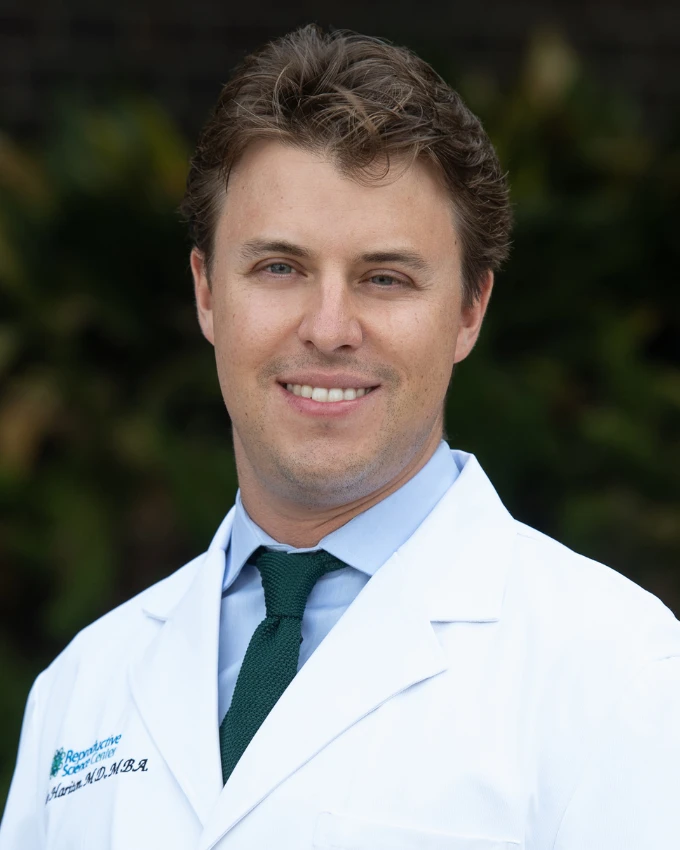
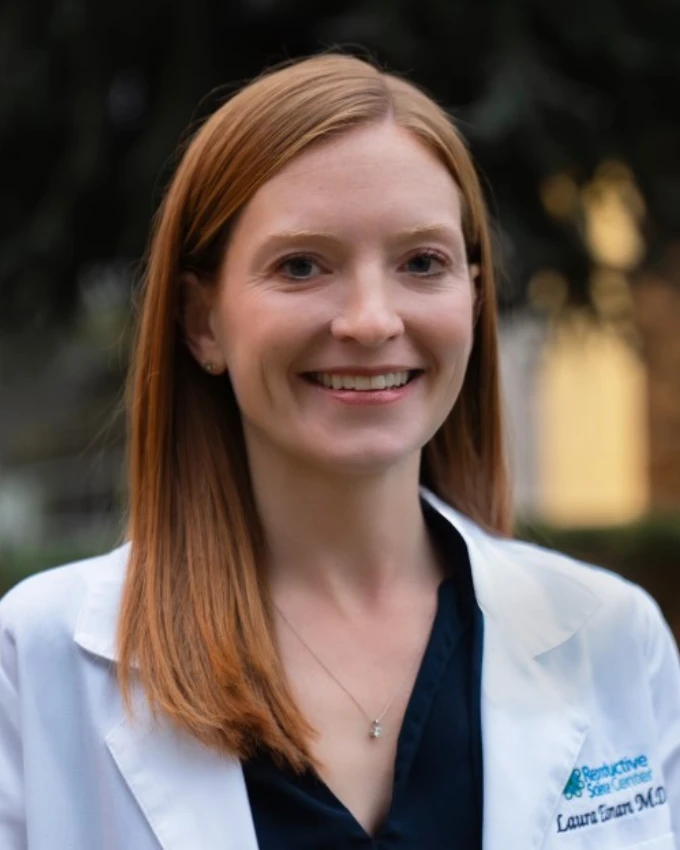
- Two Bay Area offices, one physician group: Laura Eisman and Eduardo Hariton are listed at both Oakland and San Ramon, so a San Ramon patient can sometimes hold a slot at the other site. Ravi Agarwal, Mary Hinckley and Evan Rosenbluth are listed at San Ramon only.
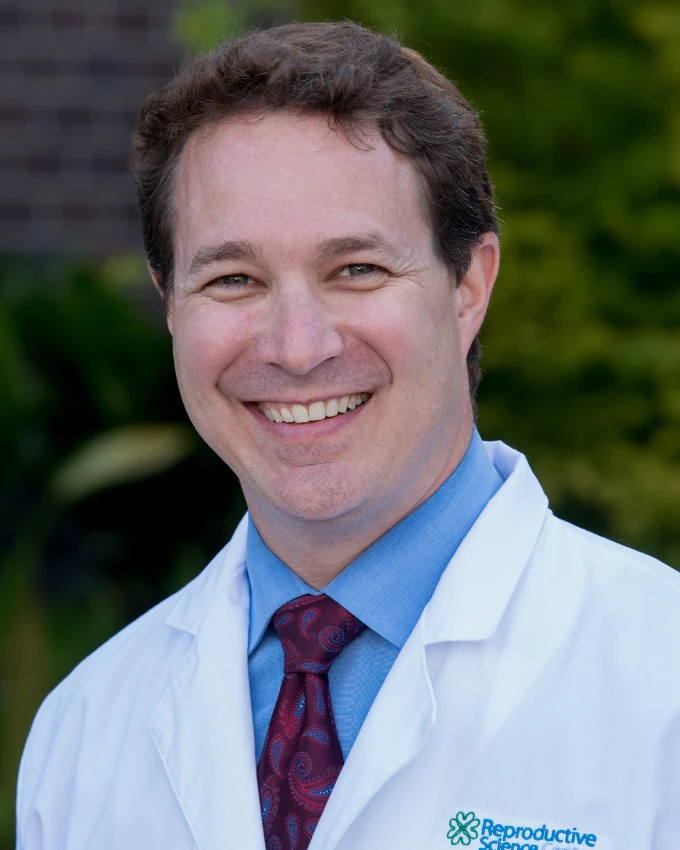
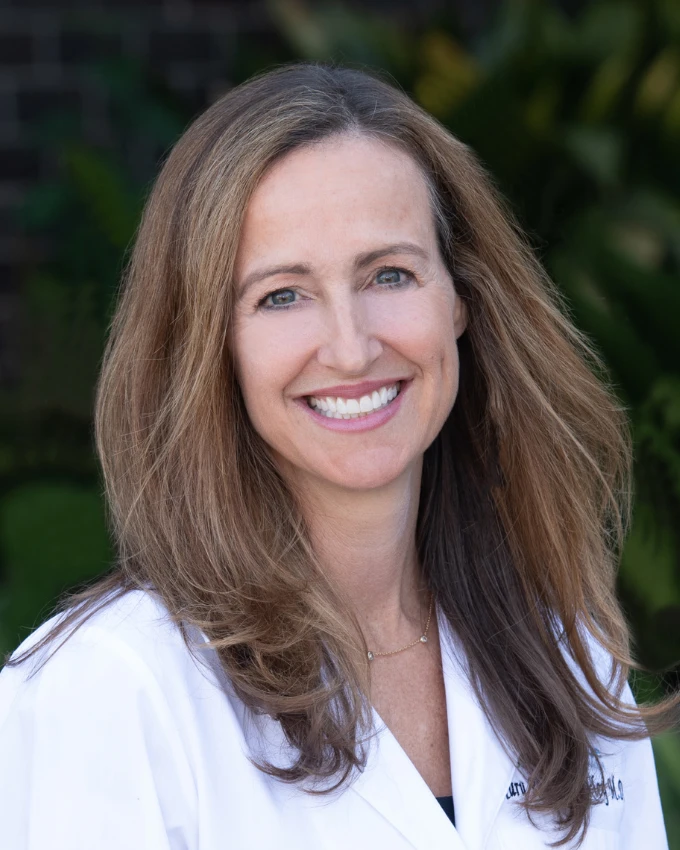
- Named clinical roles inside the practice: Mary Hinckley is RSC’s IVF Medical Director and an adjunct clinical associate professor at Stanford; Evan Rosenbluth is the practice’s Surgical Director, Sonography Director and a senior partner. Cycle quality control and surgical scheduling have an owner you can name.
- Single embryo transfer as declared policy: the practice states it advocates eSET to reduce multiples. Rosenbluth’s own profile credits him with helping start the first single embryo transfer policy in the country, later adopted as ASRM standard practice — a physician-biography claim, repeated in the practice’s own patient materials.
- Third-party reproduction handled in-house: egg, sperm and embryo donation and gestational carrier programs are all named in the site’s service list, in a state whose statutes make those agreements enforceable.
- Surgery, not just stimulated cycles: corrective infertility surgery and hysteroscopic surgery appear in the practice’s own service list, and hysteroscopic surgery is a named specialty of its IVF Medical Director — relevant when a uterine cavity problem is what is blocking a transfer.
- Cost posture stated up front: the About page advertises competitive pricing, discount and financing options and free financial counseling, and says the group is contracted with most insurance plans. No prices are published, so that claim is worth testing at the counseling visit.
IVF & Fertility Services
- In Vitro Fertilization (IVF): stimulation, monitoring, retrieval, fertilization and transfer, with protocols individualized per the practice’s own description
- ICSI (Intracytoplasmic Sperm Injection): single-sperm injection for male factor infertility
- IUI (Intrauterine Insemination): the lower-intervention option listed alongside ART
- PGT (preimplantation genetic testing): embryo genetic screening, named as PGT in the site’s service copy; the page’s feature tag records PGT-A screening
- Egg, embryo and sperm freezing: fertility preservation for medical and personal reasons
- Oncofertility: preservation work for patients facing cancer treatment, listed as a service category
- Male fertility evaluation: the practice’s andrology laboratory is named among its CAP/CLIA-listed labs
- Third-party reproduction: donor eggs, donor sperm and donated embryos
- Gestational carrier surrogacy: intended-parent family building through a carrier
- Family building for single parents and LGBTQIA+ patients: named service lines on the location and About pages
- Corrective infertility surgery, including hysteroscopic surgery: cavity and tubal problems addressed before transfer
- Integrative medicine and emotional support: nutrition and counseling-adjacent services listed next to the clinical program, not as an afterthought
Fees & Packages
There is no published price list. Neither the San Ramon location page nor the group About page puts a number on a cycle, on medications, on PGT or on a frozen transfer, and no self-pay package appears in the sources reviewed for this page.
What the practice does state is a pricing posture: competitive pricing, discount and financing options, and free financial counseling, with the group contracted to most insurance plans. Take the counseling offer literally and use it before medications are ordered — ask for a written estimate that separates the cycle fee from laboratory add-ons (ICSI, freezing and storage, biopsy for PGT) and from drug cost, and have the office run your benefits in writing rather than verbally. California group plans differ widely in what ART they cover, so the plan document, not the clinic’s marketing page, decides your exposure.
Patient Journey
- Book and hold the consultation by phone with the San Ramon office, then be seen by one of the five physicians listed at this site — Agarwal, Eisman, Hariton, Hinckley or Rosenbluth — to review history and lay out options. Two of the five also hold Oakland sessions, which is a second place a slot can open
- Complete the workup: hormone and ovarian reserve bloodwork, ultrasound, uterine cavity assessment and semen analysis, with the practice’s accredited IVF and andrology laboratories named in its own lab list
- Financial counseling before medications: a free session, per the About page, to run insurance benefits and financing options and get the cycle estimate in writing
- Stimulation and monitoring: injectable protocols with bloodwork and scans, started at 7:00 AM on weekdays and continuing at weekends from 7:00 to 1:00 — the window that matters most for follicle tracking
- Retrieval and laboratory work: transvaginal egg retrieval, then IVF or ICSI fertilization, embryo culture, and optional PGT with biopsy
- Transfer and confirmatory testing: embryo transfer under the practice’s stated elective single embryo transfer policy, followed by a pregnancy blood test and early follow-up; integrative medicine and emotional support services run alongside treatment rather than after it
- Storage decisions for remaining embryos: freezing and disposition paperwork at the point embryos exist, since donor, surrogacy and embryo-donation pathways all run on written agreements in California
Local Legal Framework
California’s statute book on assisted reproduction is unusually detailed and unusually permissive, which is why third-party programs of this kind operate openly here.
- Gestational surrogacy: enforceable under the Family Code’s gestational carrier provisions (California Family Code §7960 and following). Procedures may not begin until the assisted reproduction agreement for gestational carriers is fully executed, each party must be represented by separate independent counsel of their own choosing before signing, and parentage is set by a court judgment naming the intended parents and finding the carrier has no parental rights or duties. That division regulates how money moves through escrow and facilitator arrangements; what a carrier may be paid is a question for your own counsel.
- Egg, sperm and embryo donation: legal, documented through written donor agreements and informed consent, under the Health and Safety Code’s donor and embryo-donation provisions. The practice lists all three donation pathways plus embryo adoption among its services.
- LGBTQ+ access and parentage: the Uniform Parentage Act framework (Family Code §7600 et seq., Division 12, Part 3) establishes parentage for children conceived by assisted reproduction, and a spouse who consents to the treatment is a parent under that framework without any genetic link. What a birth certificate ends up naming follows from the parentage order, not the other way round, so ask your counsel which order your arrangement needs. Clinic service copy names LGBTQIA+ family building as a service line rather than an exception.
- PGT: available with standard informed consent; no additional California restriction on testing appears in the sources reviewed for this page.
- Stored embryos: no California statute reviewed here fixes their legal status as persons or property. The disposition consent signed when embryos are created — governing storage, transfer, donation or destruction — is the document that controls, so read it before, not after, a cycle.
Location
- Address: 100 Park Place, Suite 200, San Ramon, CA 94583, United States
- Phone: +1 925-867-1800