'%20transform='translate(88%20-32)'%3e%3cpath%20fill='%23fff'%20d='M-128%2032h720v480h-720z'/%3e%3ccircle%20cx='523.1'%20cy='344.1'%20r='194.9'%20fill='%23bc002d'%20transform='translate(-168.4%208.6)scale(.76554)'/%3e%3c/g%3e%3c/svg%3e)
Tanaka Reproductive Center — Micro-Stimulation IVF Clinic in Shibuya, Tokyo
About Tanaka Reproductive Center
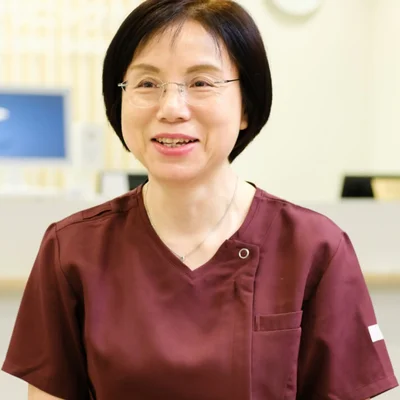
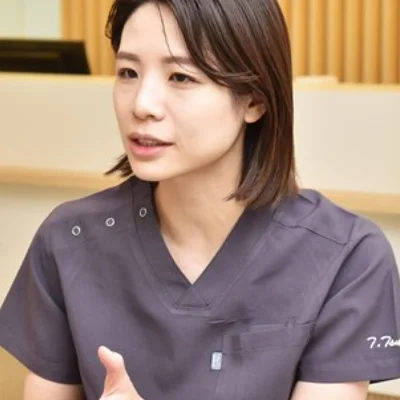
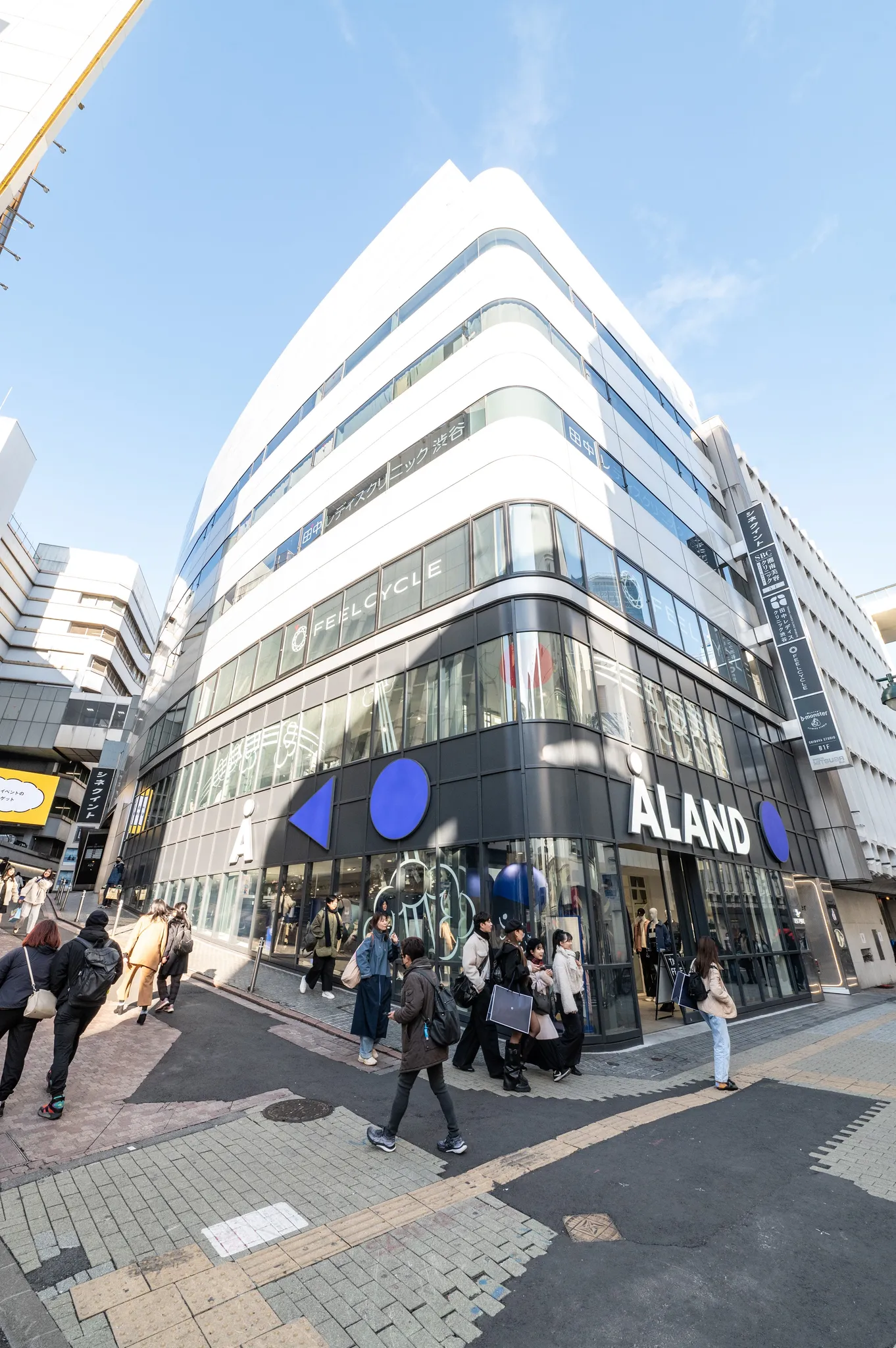
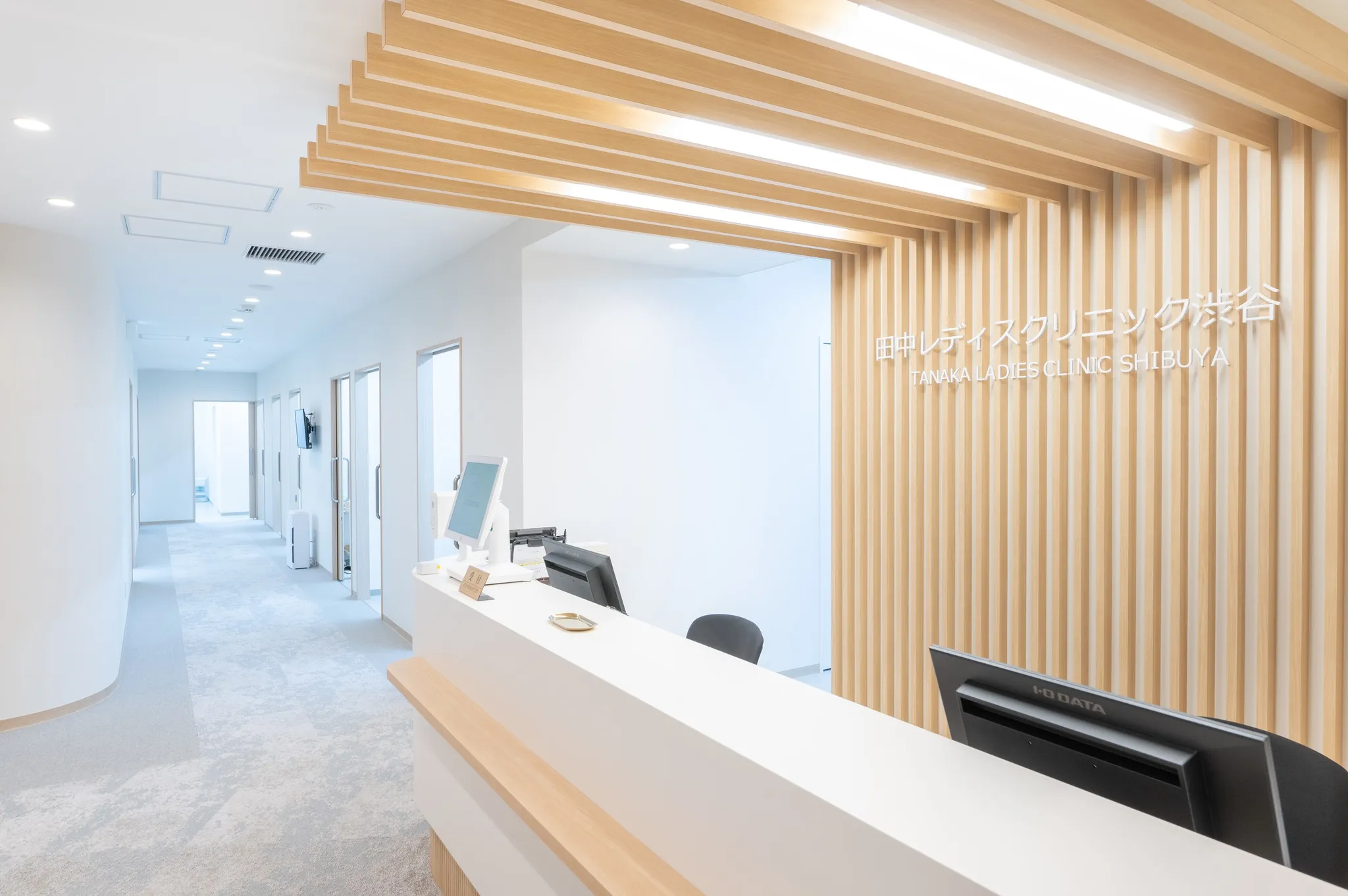
Tanaka Reproductive Center operates under its clinic name, Tanaka Ladies Clinic Shibuya, a fertility specialty clinic that opened in February 2024 on the 4th floor of the Shibuya Mitsuba Building, a three-minute walk from Shibuya Station. Both attending physicians are female board-certified obstetrician-gynecologists. The director, Dr. Kei Tanaka, worked eleven years at Kato Ladies Clinic (April 2013 - February 2024) — one of Japan’s reference centers for natural-cycle and mild-stimulation IVF — and logged more than 20,000 low-stimulation and natural-cycle cases there before opening this clinic (source: clinic physician profile page).
The clinic is built against high-dose stimulation. Drugs are given where they earn their place, egg retrieval runs on natural or minimal-stimulation cycles, and the clinic states its target as getting pregnant “with the least physical and mental burden, in the shortest time” (source: clinic treatment-philosophy page). The embryology lab is in-house and every case is cultured under time-lapse imaging; Kampo (Japanese herbal medicine) and acupuncture run as on-site services folded into cycle preparation.
Published outcomes (self-reported). In May 2026 the clinic released its IVF results for April 2024 - December 2025, measured as gestational-sac confirmation per embryo transfer and signed by the director: under 30: 81.0% | 30-34: 63.5% | 35-39: 51.3% | 40 and over: 34.7% | all ages: 57.3%, against JSOG 2023 national averages of 52.5% / 49.1% / 41.7% / 26.7% / 39.0% respectively. The homepage additionally reports a 61.2% gestational-sac rate for patients under 40 (vs 45.5% national) and a 23.3% pregnancy rate for general (non-ART) infertility treatment (Apr-Sep 2024, all ages; national benchmark roughly 10%). Japan has no CDC-, SART- or HFEA-style clinic-level public registry, and the clinic does not publish a live-birth rate — the figures above are per-transfer gestational-sac confirmation, a measure taken earlier in pregnancy than a birth. Treat them as self-published data with a stated method (source: clinic results announcement and homepage).
Accreditations & Awards
- MHLW advanced-medical registered facility (Tokyo management no. 1316021158) — the Ministry of Health, Labour and Welfare lists seven approved ART techniques on file at this clinic: time-lapse embryo culture, PICSI (hyaluronan-based sperm selection), IMSI (high-magnification morphological sperm selection) and ZyMot (membrane-structure sperm selection) since September 2024; endometrial stimulation since December 2024; ERA endometrial receptivity array and EMMA/ALICE uterine microbiome testing since December 2025 (source: MHLW advanced-medical institution data via Daido Life’s official guide)
- Tokyo Metropolitan Government egg-freezing subsidy registered institution since May 2024, and an approved provider of Tokyo’s preconception-care program, which pairs checkups with the city’s infertility-testing subsidy (source: Tokyo Metropolitan infertility-support program, mirrored on clinic registry pages)
- Physician certification stack: JSOG board-certified obstetricians and gynecologists (both doctors); JSRM Reproductive Medicine Specialist and Instructor, Japan Society of Human Genetics Clinical Geneticist, and Japanese Society for Oriental Medicine Kampo Specialist (director)
- No international accreditation is claimed: the clinic holds no JCI, CAP, SART, HFEA or RTAC accreditation, and its JSOG facility registration number is not publicly listed — verification above rests on MHLW and Tokyo Metropolitan registrations plus self-reported physician certifications
Why Choose Tanaka Reproductive Center
- A mild-stimulation practice, not a mild-stimulation menu: natural-cycle and low-dose IVF is the clinic’s stated core protocol, led by a physician whose career volume — 20,000+ low-stimulation and natural cycles — was built at Tokyo’s best-known clinic for exactly this approach (source: clinic physician profile)
- Seven MHLW-approved laboratory techniques on site: time-lapse culture plus three advanced sperm-selection methods (PICSI, IMSI, ZyMot) and the full recurrent-implantation-failure test panel (ERA, EMMA/ALICE, endometrial stimulation) are registered as advanced medical, so the procedure portion stays insurance-based while the registered technique fee is self-pay (source: MHLW registration data)
- Genetics built into the leadership: the director double-boarded as a clinical geneticist, which puts PGT-A/PGT-SR counseling inside the consult room rather than at an outside service
- Kampo and acupuncture integration: the clinic runs a dedicated Japanese-traditional-medicine outpatient clinic and frames herbal and acupuncture support as part of cycle preparation (source: clinic treatment pages)
- Built around working patients: evening clinics to 19:00 on weekdays, Saturday and Sunday/holiday sessions, web booking with online payment, and a 3-minute walk from Shibuya Station (source: clinic homepage)
- International-patient access: the clinic’s news archive carries English and Chinese categories, but the clinic states it keeps no standing foreign-language consultation service — overseas patients who need non-Japanese communication are expected to arrange a professional medical interpreter themselves (the clinic’s guidance suggests a female accompanying interpreter) before the visit (source: clinic website patient guidance)
IVF & Fertility Services
- Natural-cycle IVF and mild-stimulation IVF; conventional IVF by insemination — the sprinkling method, fertilization using a low count of prepared sperm
- ICSI, including rescue ICSI and Piezo-ICSI micromanipulation; severe male-factor cases continue through a referral pathway for sperm retrieval from the reproductive tract
- Advanced sperm selection: PICSI, IMSI, ZyMot (MHLW advanced medical)
- Blastocyst culture and time-lapse incubation (MHLW advanced medical) — the clinic applies time-lapse imaging to every case
- PGT-A and PGT-SR preimplantation genetic testing (self-pay, JSOG indication rules)
- Recurrent implantation failure work-up: ERA endometrial receptivity array, EMMA/ALICE microbiome tests, endometrial stimulation, SEET, PFC-FD growth-factor therapy
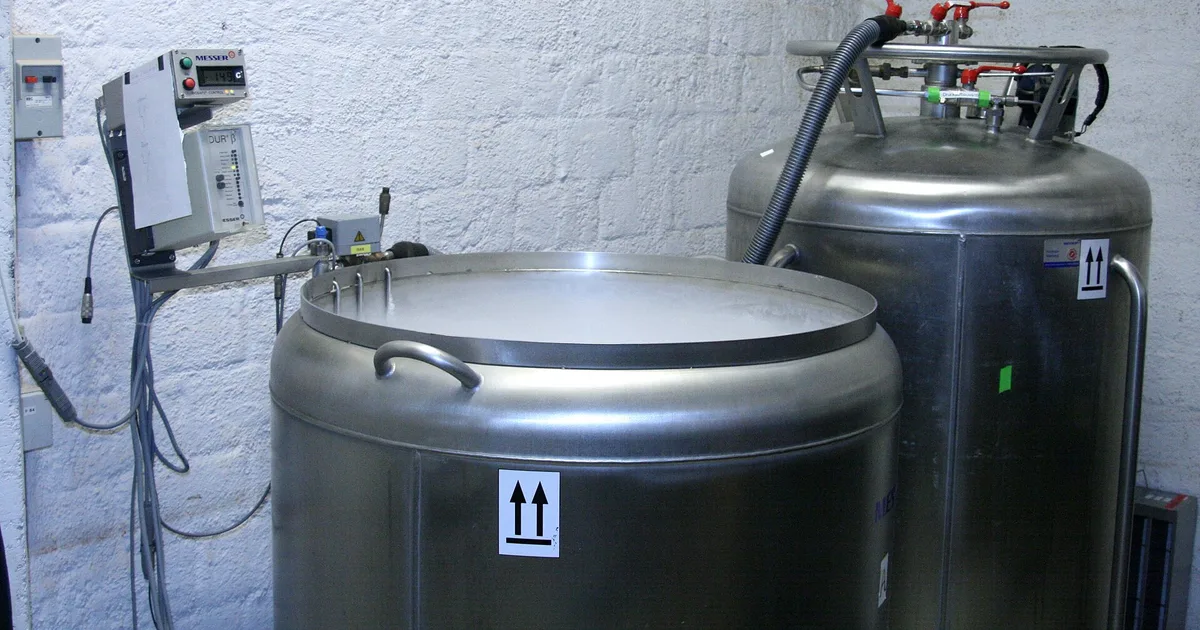
- Egg freezing (Tokyo subsidy registered), embryo and sperm cryopreservation, with managed storage-renewal and disposal procedures
- IUI (AIH) and timed-intercourse treatment; infertility screening packages for women and men
- Kampo (Japanese herbal) clinic, acupuncture-informed support, birth-control pill prescribing, general gynecology, STI testing, preconception and bridal health checks
Since April 2022, standard infertility treatment — including egg retrieval, fertilization and transfer — is covered by Japanese national health insurance for eligible patients under age caps; PGT-A, egg freezing and advanced add-ons remain self-pay or split through the advanced-medical system.
Fees & Packages
Self-pay (jizi) prices from the clinic’s published fee pages, tax included, with USD at roughly ¥150 = US$1. National health insurance covers most ART steps for eligible patients, and the clinic lists both columns — the insured figures below come from the same pages.
- First consultation: ¥3,300 (~US$22); follow-up visit ¥1,100 (~US$7); 30-minute counseling or second opinion ¥11,000 (~US$73)
- IUI: ¥22,000 (~US$147) self-pay (about ¥5,460 insured)
- Egg retrieval: ¥33,000 technique fee + ¥44,000 consumables + ¥33,000-88,000 scaled by eggs retrieved, local anesthesia ¥5,500. Insured retrieval starts at ¥9,600 with a per-egg add-on from ¥7,200
- Fertilization: sperm preparation ¥88,000 (~US$587), which includes conventional insemination by the sprinkling method; ICSI ¥33,000 for the first egg (¥11,400 insured), then ¥22,000 and ¥11,000 per additional egg; micromanipulation add-ons — Piezo-ICSI, PICSI, IMSI, ZyMot — run ¥22,000-25,300, assisted hatching ¥22,000
- Embryo culture: cleavage stage ¥44,000, blastocyst ¥66,000 (~US$293-440) per retrieval; insured culture starts at ¥13,500; time-lapse imaging adds ¥33,000 as registered advanced medical
- Transfer: fresh ¥88,000 (~US$587); frozen-thawed ¥132,000 (~US$880) including thaw (¥36,000 insured); SEET ¥33,000, endometrial scratch ¥27,500
- PGT-A or PGT-SR: ¥110,000 (~US$733) per embryo — embryos from an insurance-funded retrieval cannot be tested
- Egg freezing: ¥330,000 (~US$2,200) for the first cycle, ¥275,000 for the next, covering retrieval, freezing and one year of storage; ongoing storage ¥33,000-99,000 a year by egg count. Tokyo’s subsidy program applies at registered clinics
- Baseline testing at the first visit runs about ¥20,000-30,000 (~US$133-200): infection panel, AMH, thyroid, rubella antibodies, ultrasound, plus semen analysis for a male partner. Tokyo reimburses up to ¥20,000 for men and ¥30,000 for women on registered infertility testing; a light bridal-health check is priced at ¥26,800
Nothing here is sold as a bundle — the clinic prices each component and quotes a total by protocol.
Patient Journey
- Book online: appointments go through the clinic’s booking page or the @link app, with online payment. Register as a new patient to get a provisional ID; first visits and bloodwork are accepted up to one hour before the session ends (30 minutes for follow-ups). Weekday evenings and weekend slots exist for people who work
- First consultation: a female physician takes your history — bring prior test results and records. Baseline screening runs infection panel, AMH, thyroid, rubella antibodies and ultrasound for women, semen analysis for the partner
- Set the route: results and your own preferences decide the ladder, timed intercourse → IUI → ART. The plan is re-evaluated as cycles progress rather than fixed at intake
- Monitoring and trigger: ultrasound and bloodwork from cycle day 2-3, then a natural-cycle or mild-stimulation trigger matched to your own follicle growth
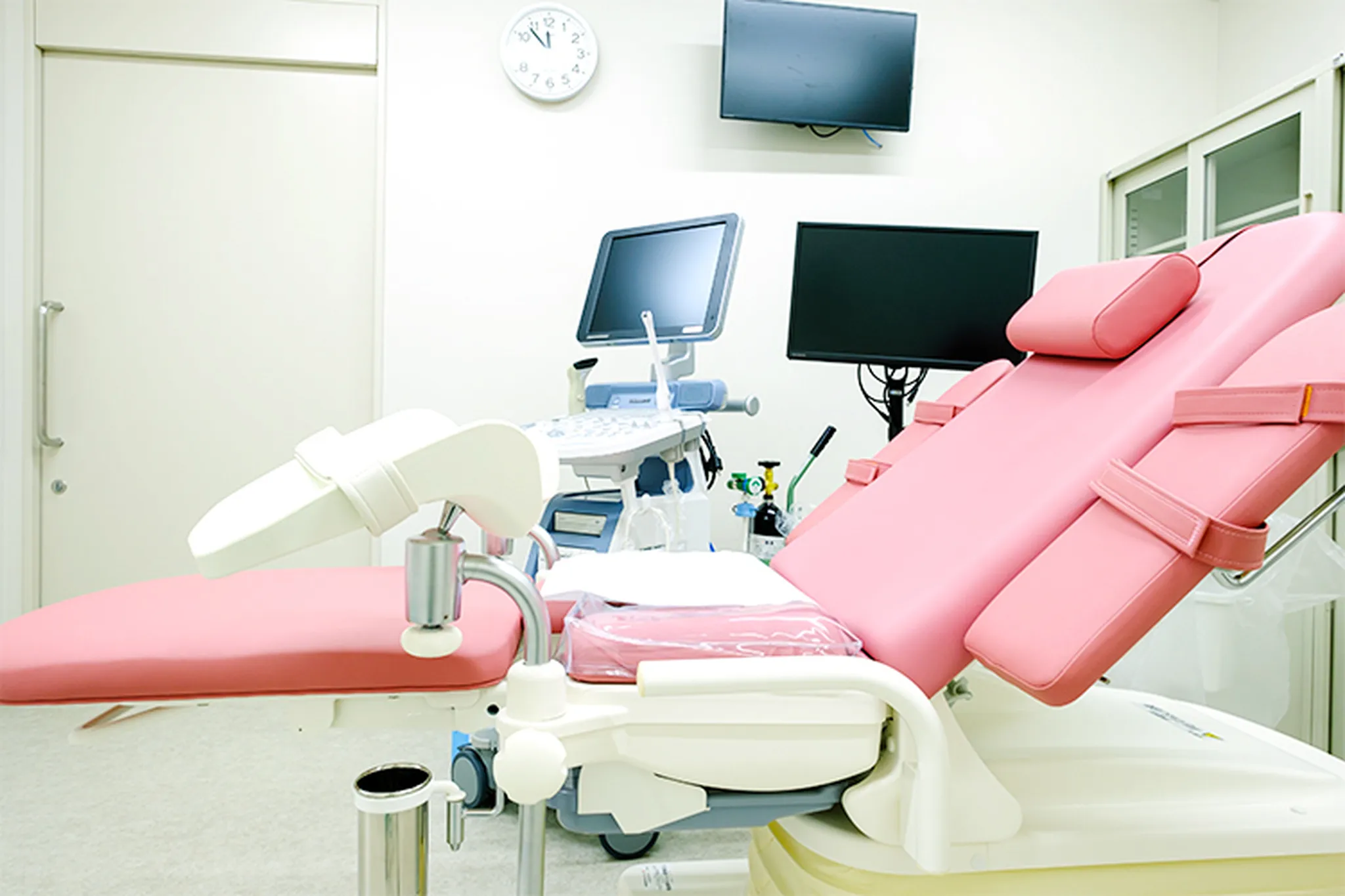
- Retrieval and culture: transvaginal ultrasound-guided egg retrieval under local anesthesia; fertilization by IVF or ICSI; every case cultured under time-lapse imaging to cleavage or blastocyst stage
- Optional genetics or endometrial work-up: PGT-A/PGT-SR on blastocysts; ERA, EMMA/ALICE and endometrial stimulation for repeated implantation failure
- Transfer, pregnancy test and handoff: fresh or frozen-thawed transfer; blood hCG 7-10 days later, gestational sac on ultrasound around week 5, fetal heartbeat around week 7. Once the pregnancy is confirmed progressing through week 9, the clinic’s treatment ends and care moves to an obstetric provider
Local Legal Framework
Japan has no single ART statute — there is no HFEA-style regulator and no clinic-level licensing regime for fertility treatment. Care runs on JSOG ethics guidelines together with the designated-physician system of the Maternal Health Act. What that means for the decisions patients actually come here to make:
Egg donation is prohibited by JSOG ethics rules, so no clinic in Japan can offer it legally. Commercial surrogacy is prohibited under Japanese law. Donor insemination (AID) is confined to married couples who meet JSOG’s criteria, with strict control over the source of the semen. PGT-A and PGT-SR are permitted as medical acts but restricted to defined indications — recurrent implantation failure, recurrent loss, a heritable condition in either partner — and billed as self-pay. The lab techniques on offer here sit under the MHLW advanced-medical system, which splits the registered technical fee from the insurance-covered procedure. Egg freezing for fertility preservation is legal, and Tokyo pays part of the cost at registered institutions, this clinic included. Japanese law does not assign embryos explicit legal personhood.
Two access points matter if you are traveling in. Standard infertility treatment — retrieval, fertilization, transfer — has been insurance-covered since April 2022, but with age caps (most ART components stop at age 43), and single women and same-sex partners are generally outside public coverage. And Japan runs no public interpreting scheme for reproductive medicine: consultations assume Japanese. A patient who cannot take a consultation in Japanese needs to arrange a professional medical interpreter independently — this clinic’s own patient guidance states the same position.
Location
- Address: 4F Shibuya Mitsuba Building, 20-11 Udagawa-cho, Shibuya-ku, Tokyo 150-0042, Japan
- Phone: +81-3-5458-2117