'%20transform='translate(88%20-32)'%3e%3cpath%20fill='%23fff'%20d='M-128%2032h720v480h-720z'/%3e%3ccircle%20cx='523.1'%20cy='344.1'%20r='194.9'%20fill='%23bc002d'%20transform='translate(-168.4%208.6)scale(.76554)'/%3e%3c/g%3e%3c/svg%3e)
Sugiyama Ob-Gyn Clinic Shinjuku — Tokyo IVF & Advanced Reproductive Medicine Center
About Sugiyama Ob-Gyn Clinic Shinjuku
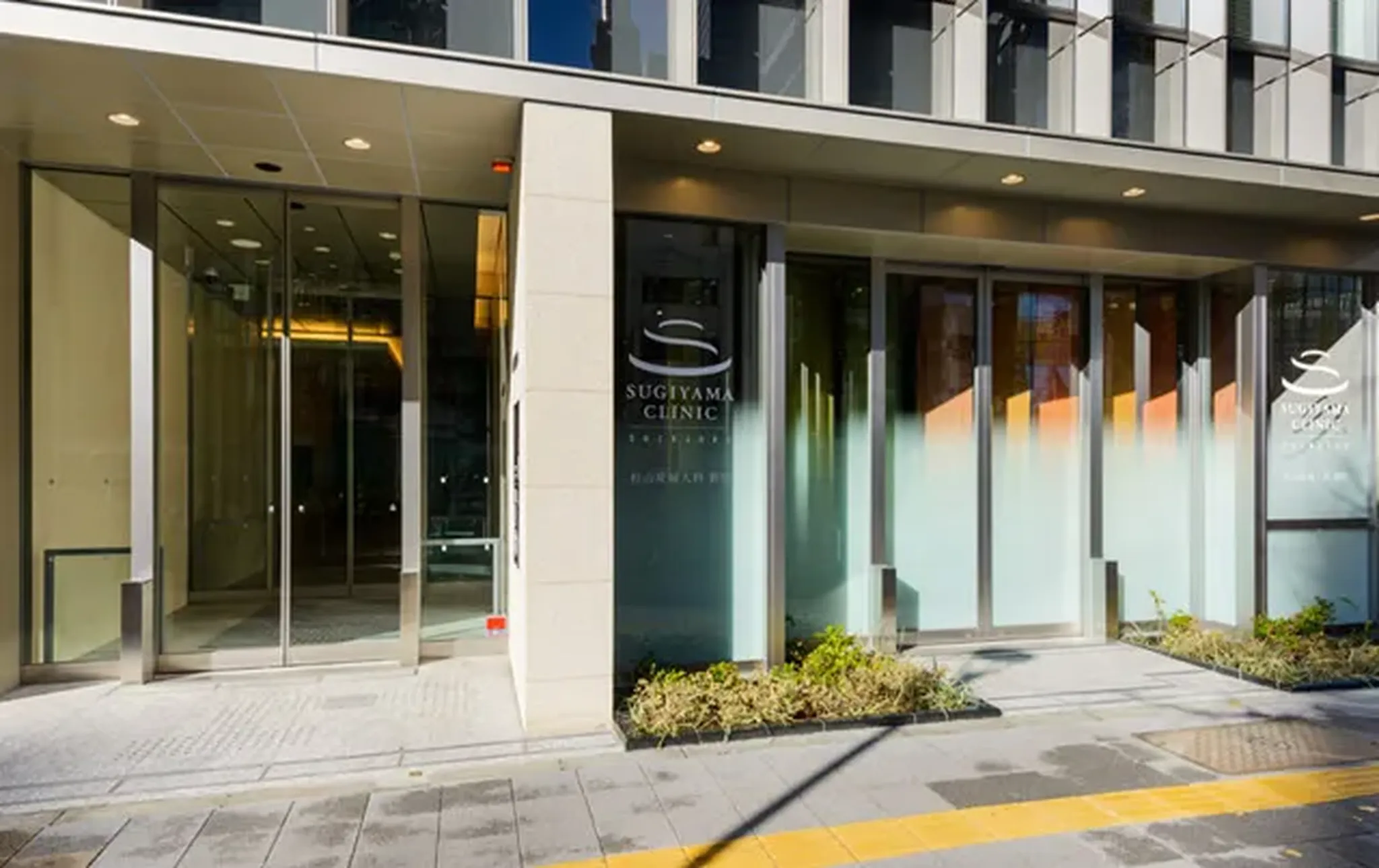
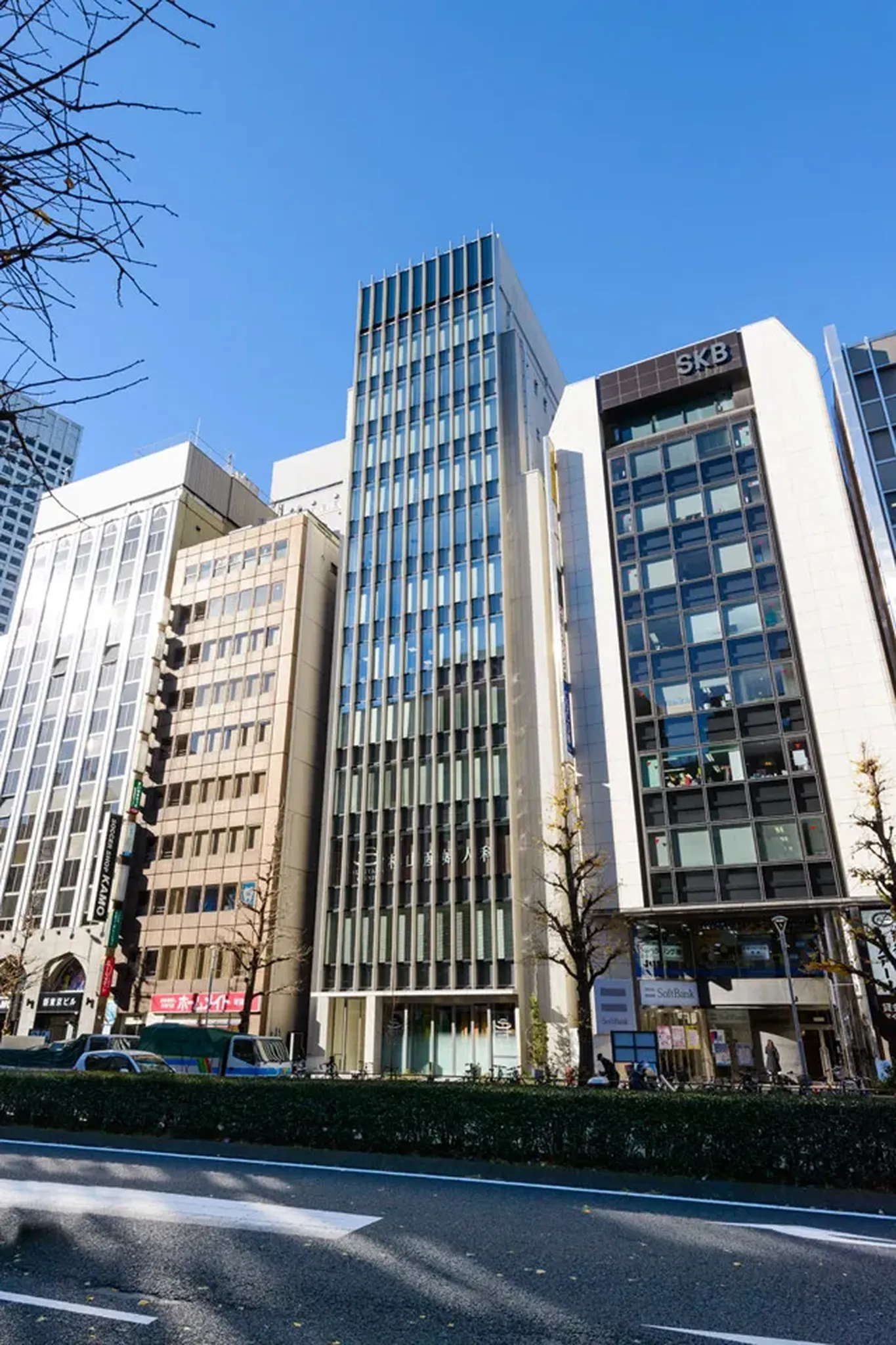
Sugiyama Ob-Gyn Clinic Shinjuku is the flagship assisted reproduction branch of the Sugiyama Clinic Group, a Japanese OB-GYN network with more than 80 years of history (source: Sugiyama Clinic official website). The group runs three clinical sites — the Setagaya headquarters for obstetrics and gynecology, and the Marunouchi and Shinjuku branches dedicated to advanced reproductive medicine. Shinjuku opened in 2018 and is the only branch in the group that accepts international patients.
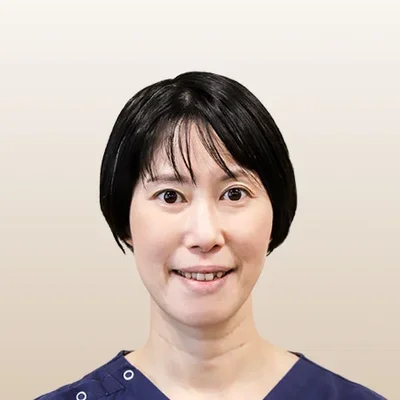
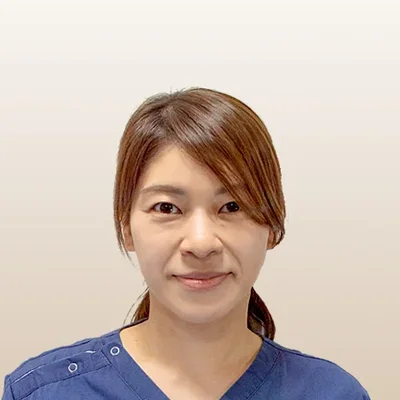
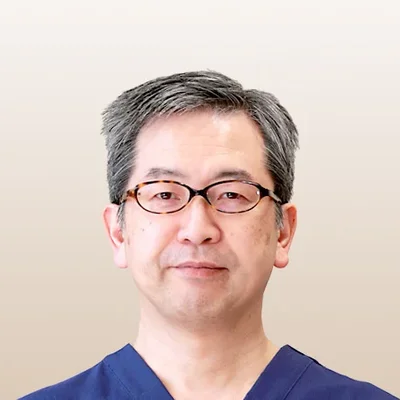
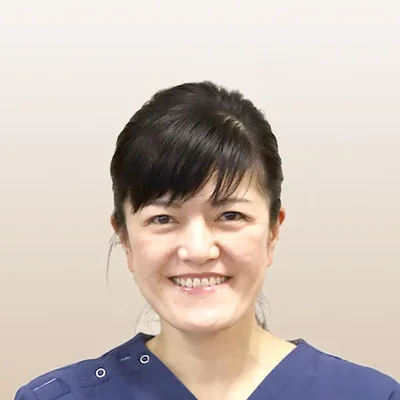
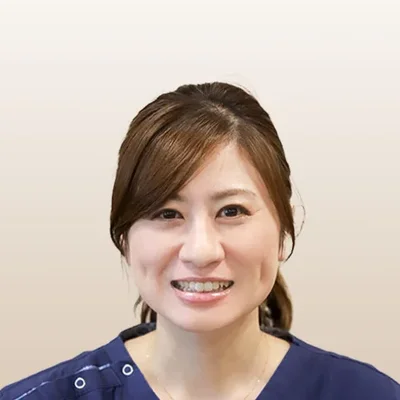
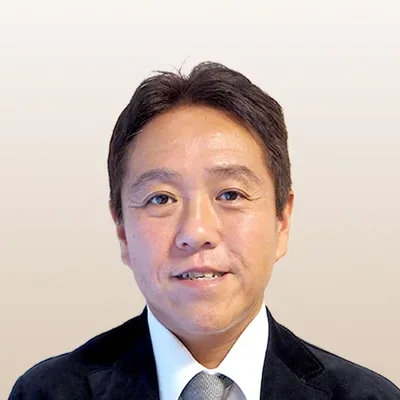
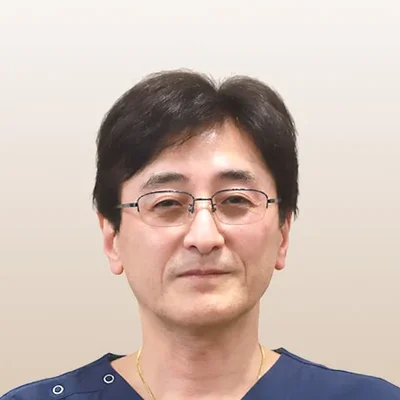
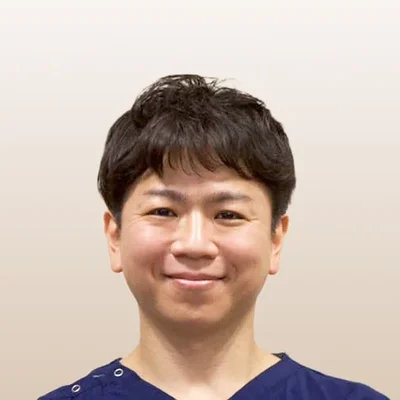
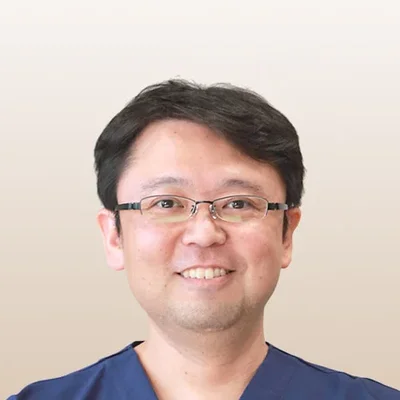
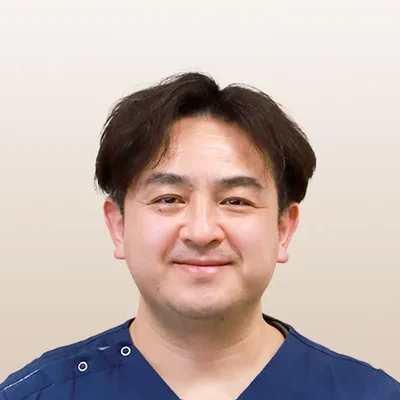
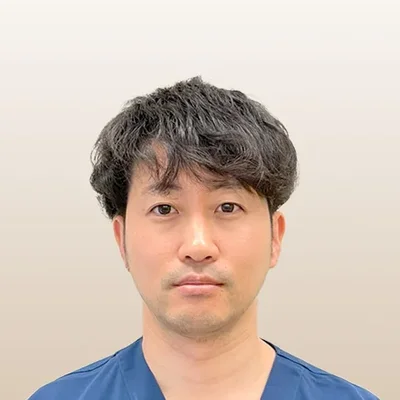
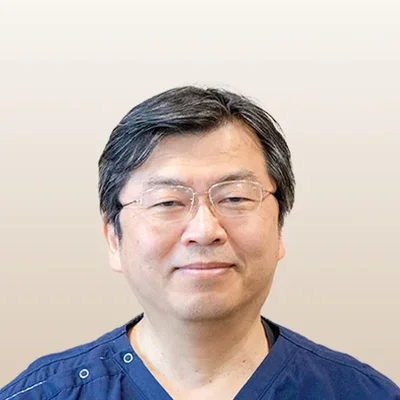
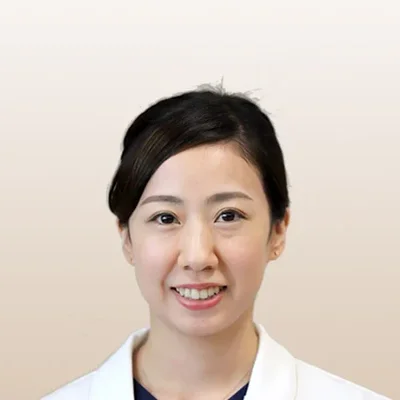
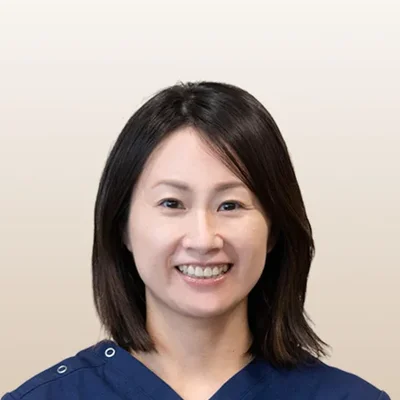
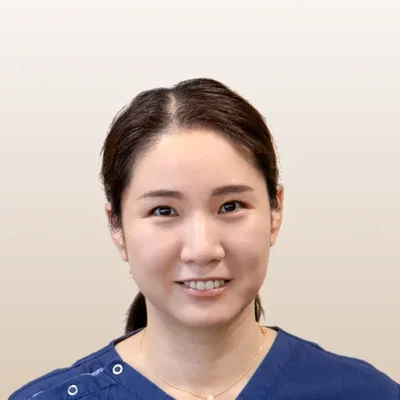
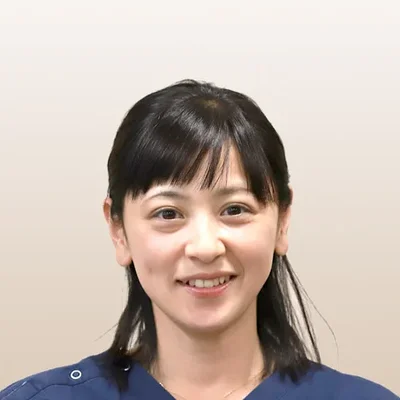
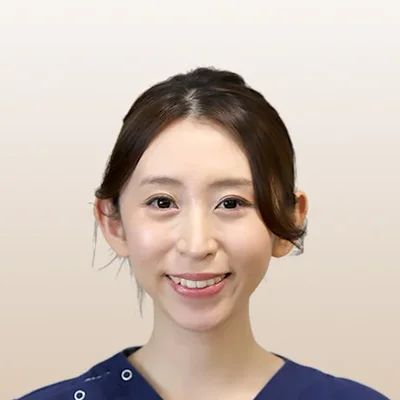
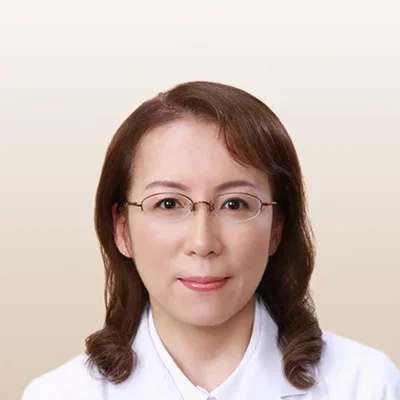
The clinic is built around a large in-house specialist team: the group employs 16 reproductive medicine board specialists and 10 endoscopic surgery specialists for day-case keyhole surgery (source: Sugiyama Clinic official website), and the Shinjuku physician roster listed on the official site as of June 2026 includes 23 reproductive medicine physicians, supported by a total staff of roughly 200 people.
The Sugiyama group reports more than 100,000 cumulative IVF cycles performed (source: Sugiyama Clinic official website). According to the clinic’s own published 2023 insurance-covered IVF outcomes, patients under 40 who had embryo transfers achieved a cumulative pregnancy rate above 93% after 3 transfers and close to 100% after 5 transfers; patients aged 40–42 reached 92% cumulative pregnancy after 3 transfers (source: Sugiyama Clinic Shinjuku official page). Other clinic-published figures: Piezo-ICSI fertilization rate above 83%, implantation rate after day-5 blastocyst transfer above 50%, and a clinical pregnancy rate of 38.1% for natural-cycle IVF in patients under 35 (source: Sugiyama Clinic official website).
Accreditations & Awards
- JSOG-certified PGT-A implementing facility — certified by the Japan Society of Obstetrics and Gynecology to perform preimplantation genetic testing for aneuploidy (source: Sugiyama Clinic official website)
- Registered ART facility under the Japan Society of Obstetrics and Gynecology, subject to JSOG ethics guidelines and the national ART reporting system
- Recognized training facility for the Japan Society for Reproductive Medicine, with multiple physicians holding specialist-and-trainer (Shidai-in) credentials
- Tokyo advanced medical care subsidy participant — the clinic offers time-lapse culture under Tokyo Metropolis’s advanced medical care subsidy program (source: Sugiyama Clinic official website)
- Egg freezing reference clinic — cited in the Tokyo Metropolitan Welfare Bureau’s public guide on egg freezing, and a partner of the Grace Bank egg-freezing storage service (source: Sugiyama Clinic official website)
Why Choose Sugiyama Ob-Gyn Clinic Shinjuku
- Treatment that fits around a working life — consultation hours are extended, with evening clinics until 19:00 on Mon/Wed/Fri, Saturday afternoon sessions, and Sunday morning IVF-cycle care; even embryo transfers can be scheduled after work hours (source: Sugiyama Clinic official website)
- Directly connected to Shinjuku Station — about a 1-minute walk from the Keio New Line / Toei Shinjuku Line / Toei Oedo Line station exit 7, and a 5-minute walk from the JR Shinjuku Station south exit
- Published, auditable outcomes — the clinic publicly reports its own 2023 insurance-covered IVF cumulative pregnancy rates rather than relying on anonymized national averages alone
- Deep specialist bench — 23 listed reproductive medicine physicians at Shinjuku alone, including recurrent implantation failure, reproductive immunology, endoscopy, genetics and andrology subspecialists, plus dedicated male infertility clinics where couples can be seen together
- Full technology stack for difficult cases — time-lapse embryo culture, Piezo-ICSI, PGT-A/PGT-SR, ERA endometrial receptivity testing, PRP therapy, immune work-ups and tacrolimus protocols under a dedicated recurrent implantation failure and recurrent pregnancy loss clinic
- Japan national health insurance applies — since April 2022 most core infertility procedures are insurance-covered, and the clinic prioritizes insurance-based treatment wherever clinically appropriate
- International patient support — Shinjuku is the group’s only branch accepting overseas patients, with in-house Japanese–Chinese interpretation by female interpreters
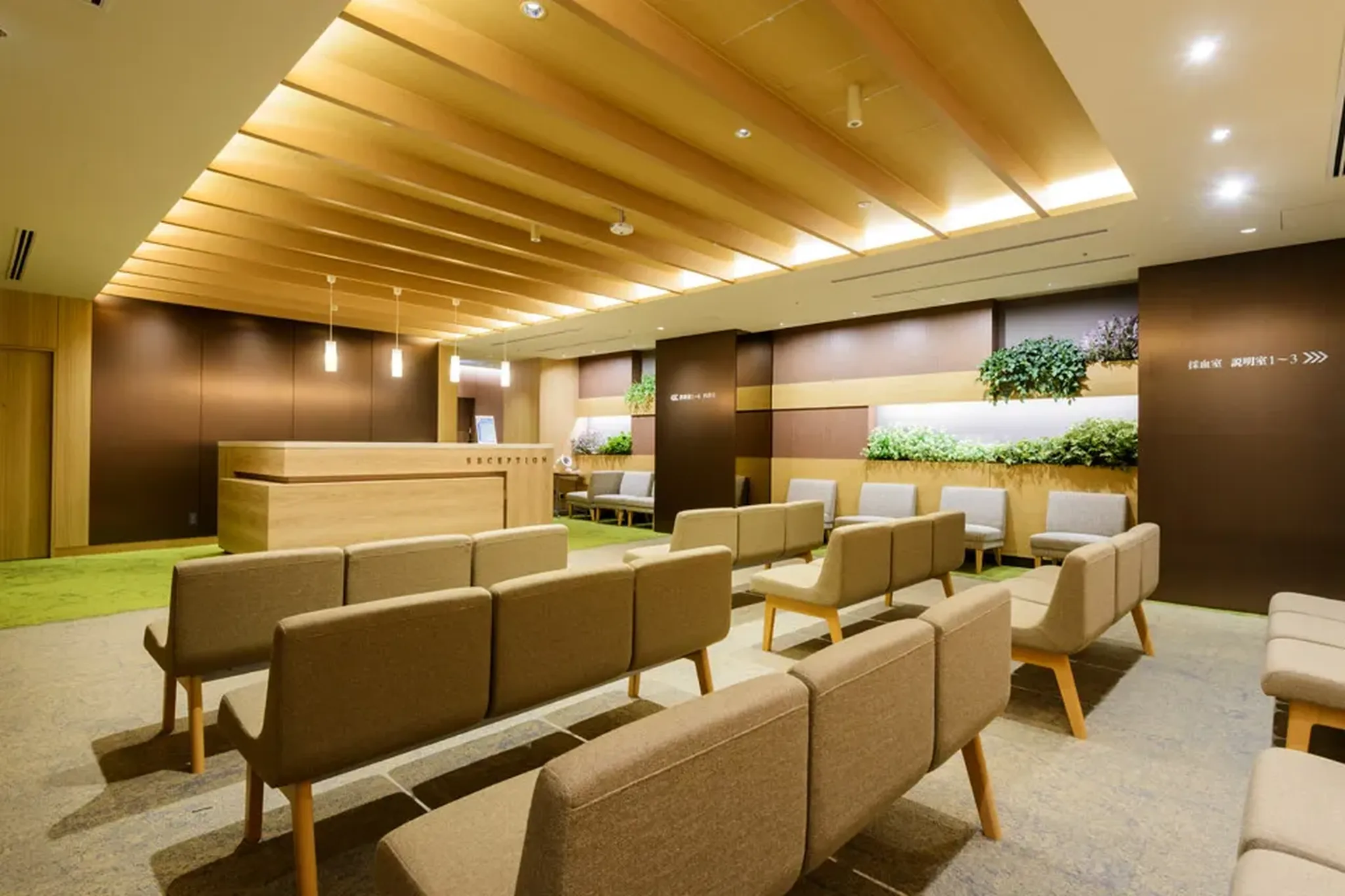
- Comfort facilities — an on-site kids room on the 5th floor for parents bringing children, and aromatherapy massage support during treatment
IVF & Fertility Services
- IVF (in vitro fertilization) — including fully natural cycle, modified natural cycle and mild-to-standard stimulation protocols
- ICSI and Piezo-ICSI — micromanipulation-assisted fertilization with a published fertilization rate above 83% (source: Sugiyama Clinic official website)
- IMSI and PICSI — high-magnification and hyaluronic-acid-based sperm selection (self-pay add-ons)
- PGT-A — preimplantation genetic screening for aneuploidy at a JSOG-certified facility, with 99.4% stated test accuracy (source: Sugiyama Clinic official website)
- PGT-SR — preimplantation testing for chromosome structural rearrangements, mainly for recurrent miscarriage patients
- Time-lapse embryo culture — Geri time-lapse incubator for continuous, disturbance-free embryo observation and more precise development assessment
- ERA (endometrial receptivity analysis) — for patients with repeated transfer failures
- PRP therapy — PRP uterine infusion for thin endometrium and PFC-FD ovarian injection for diminished ovarian reserve
- Recurrent implantation failure & recurrent pregnancy loss clinic — specialized blood testing, immune panels (Th1/Th2, Treg/Th17, vitamin D), intrauterine bacterial culture and tacrolimus treatment
- Egg freezing (oocyte vitrification) — with published thaw survival of 80–95% and thaw fertilization of 60–80% (source: Sugiyama Clinic international patient page)
- Sperm freezing and cryopreserved specimen transfer between partner clinics
- IUI (intrauterine insemination) — insurance-eligible basic treatment
- Hysteroscopy and day-case laparoscopic surgery — performed by dedicated endoscopy specialists, including 3 mm port procedures
- Micro-TESE — microscopic testicular sperm extraction for severe male factor infertility
- Male infertility clinic — staffed by board urologists and reproductive medicine specialists, with couple-based visits
- SEET (endometrial scratch and embryo transfer medium injection) — self-pay adjunct for implantation support
Fees & Packages
Since April 2022, IVF, ICSI, IUI, egg retrieval, embryo culture, transfer and freezing are covered by Japan’s national health insurance for eligible married couples (mixed insurance/self-pay billing is not allowed, so adjuncts may require a fully self-pay cycle). The clinic prioritizes insurance-based protocols; advanced-technology add-ons remain self-pay.
Main self-pay (out-of-pocket) reference prices published by the clinic, taxes included; USD converted at approximately 150 JPY = 1 USD and is indicative only:
| Item | JPY | ~USD |
|---|---|---|
| Self-pay first consultation | 3,300 | ~$22 |
| Self-pay follow-up visit | 1,100 | ~$7 |
| IVF cycle — stimulated protocol | 242,000–407,000 | ~$1,600–2,700 |
| IVF cycle — natural cycle | 187,000–288,000 | ~$1,250–1,900 |
| PGT-A screening | 110,000 per embryo | ~$730/embryo |
| Time-lapse culture (advanced medical care) | 30,000 | ~$200 |
| ERA endometrial receptivity test | 146,000 | ~$970 |
| Egg freezing — first cycle | ~233,000–339,000 | ~$1,550–2,260 |
| International patient first consultation | 88,000 | ~$590 |
| Evening/weekend surcharge (insurance / self-pay) | 150 / 550 | ~$1 / ~$4 |
(Prices as of 2026. Source: Sugiyama Clinic official fee schedule and international patient page.) Under Japan’s insurance scheme, eligible cycles are capped by age — up to 6 insured cycles for patients under 40 and 3 cycles for ages 40–42 — after which the clinic offers reduced self-pay egg retrieval; confirm your own eligibility and full quote before starting treatment.
Patient Journey
Based on the clinic’s official treatment-flow guidance:
- When to come in — the clinic advises an initial visit after 1 or more years of regular unprotected intercourse without pregnancy, or earlier if risk factors are known
- Online inquiry (international patients) — submit your medical records and test reports through ProIVF for a preliminary assessment and cost estimate; overseas patients book the clinic’s international first consultation (88,000 JPY, source: official international patient page). Note that in-house interpretation is Japanese–Chinese only, female patients only, and family members cannot serve as the interpreter; other languages require bringing your own interpreter. The clinic does not arrange visas or transport
- First visit & baseline testing — transvaginal examination plus a full hormone and infertility blood panel for both partners; marriage relationship verification is required before any insurance-covered treatment begins (both partners must hold Japanese national health insurance cards)
- Personalized protocol — the team selects between IUI, IVF/ICSI, or fully natural cycle IVF based on age, AMH and history; for insurance cycles the partner must attend in person at least once during the treatment cycle (a verified video call with the physician is allowed where attendance is impossible)
- Stimulation, retrieval & culture — monitoring scans with blood work timed to your schedule; egg retrieval under anesthesia; fertilization by IVF, ICSI or Piezo-ICSI; embryos cultured in time-lapse incubators; PGT-A biopsy at blastocyst stage when elected
- Transfer after work hours — embryo transfer can be scheduled in evening or weekend slots; the 5th-floor kids room allows parents to bring children; optional aromatherapy massage support is available on site
- Pregnancy test & graduation — beta-hCG confirmation about two weeks after transfer, with ongoing monitoring until 9 weeks of pregnancy, the clinic’s graduation point; from then on you can transfer to Setagaya for obstetric care and delivery
- Branch choice is permanent — charts are not shared between the Shinjuku and Marunouchi clinics, so patients must commit to one before starting treatment; follow-up appointments are booked online until 23:00 the day before, and the clinic calls patients by email rather than phone queue
Local Legal Framework
Japan included artificial insemination, IVF, ICSI, embryo culture, transfer and freezing in its national health insurance system from April 2022, with strict conditions: treatment is restricted to legally married or common-law couples, spousal attendance and identity verification are required, and the number of insured cycles is capped by age. Egg donation is prohibited — JSOG ethics guidelines forbid member clinics from providing donor eggs or sperm. Commercial surrogacy is prohibited under Japanese law. PGT-A is legal but self-pay and may only be performed at JSOG-certified facilities for patients meeting defined criteria: female age 35 or over, two or more failed embryo transfers, or two or more miscarriages. Same-sex couples do not currently have legal marriage recognition in Japan, which excludes them from the insurance pathway. Japanese law does not assign embryos explicit legal personhood; frozen embryo storage extensions and disposal follow the clinic’s formal procedures.
Location & Access
Sugiyama Ob-Gyn Clinic Shinjuku Yamate Shinjuku Building, 1-19-6 Nishi-Shinjuku, Shinjuku-ku, Tokyo 160-0023, Japan Phone: +81-3-5381-3000
- By train — about a 1-minute walk from Shinjuku Station (Keio New Line / Toei Shinjuku Line / Toei Oedo Line) above-ground exit 7; about 5 minutes on foot from the JR Shinjuku Station south exit
- By car — no affiliated parking lot; use nearby public parking garages
- Consultation hours — Mon/Wed/Fri: 8:30–12:00 and 15:00–19:00 (blood draw from 8:00); Tue/Thu/Sat: 8:30–12:00 and 14:00–16:00; Sunday mornings serve IVF-cycle patients (source: Sugiyama Clinic official website). First-visit registration is accepted 8:30–10:30 in the morning, plus 14:00–15:00 (Tue/Thu/Sat) and 15:00–17:00 (Mon/Wed/Fri)
- The clinic is appointment-based; during consultations telephone inquiries are limited to urgent matters so physicians can focus on patients in the room