'%20transform='translate(88%20-32)'%3e%3cpath%20fill='%23fff'%20d='M-128%2032h720v480h-720z'/%3e%3ccircle%20cx='523.1'%20cy='344.1'%20r='194.9'%20fill='%23bc002d'%20transform='translate(-168.4%208.6)scale(.76554)'/%3e%3c/g%3e%3c/svg%3e)
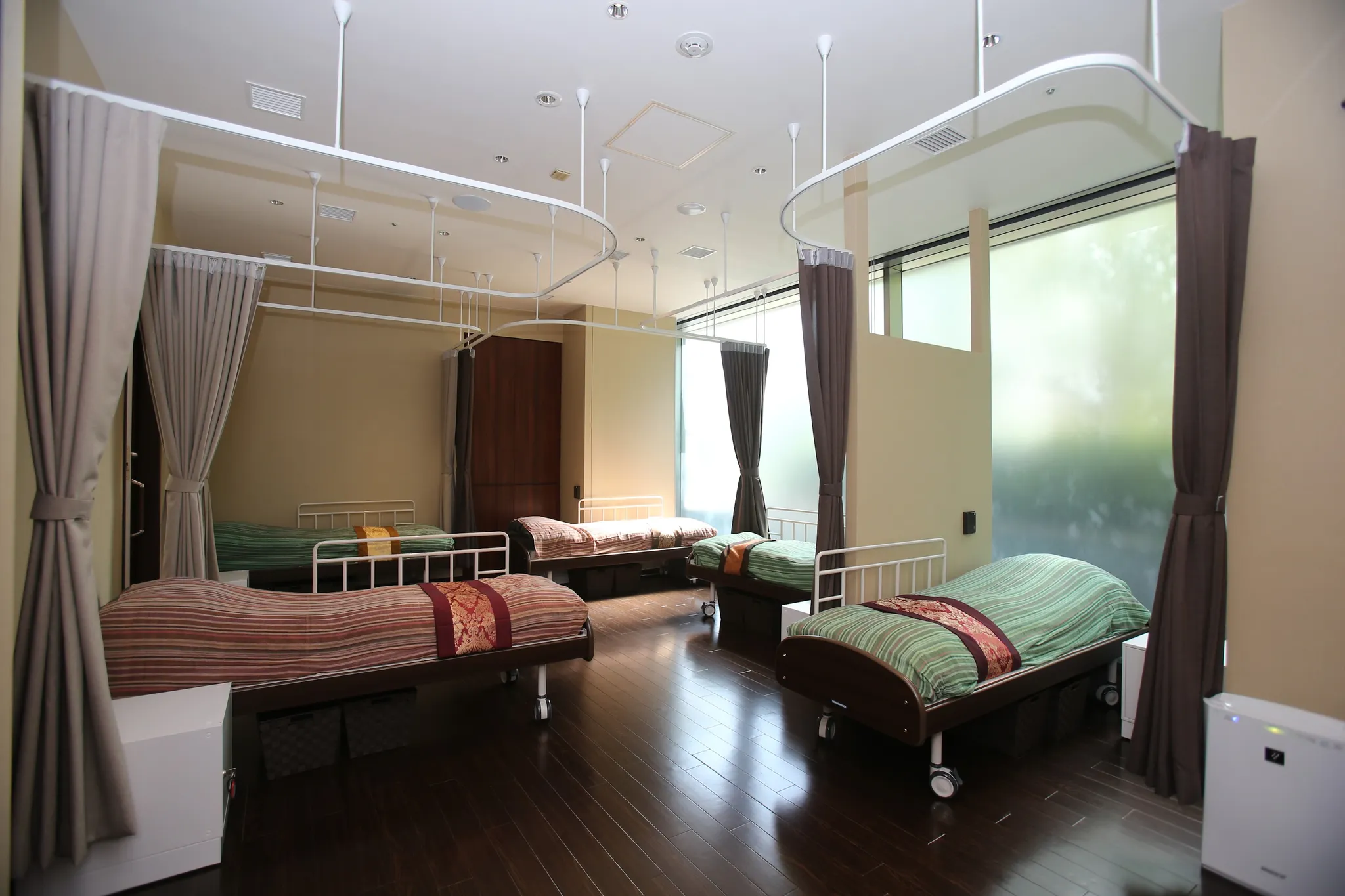
About Hanaoka IVF Clinic (Shinagawa)
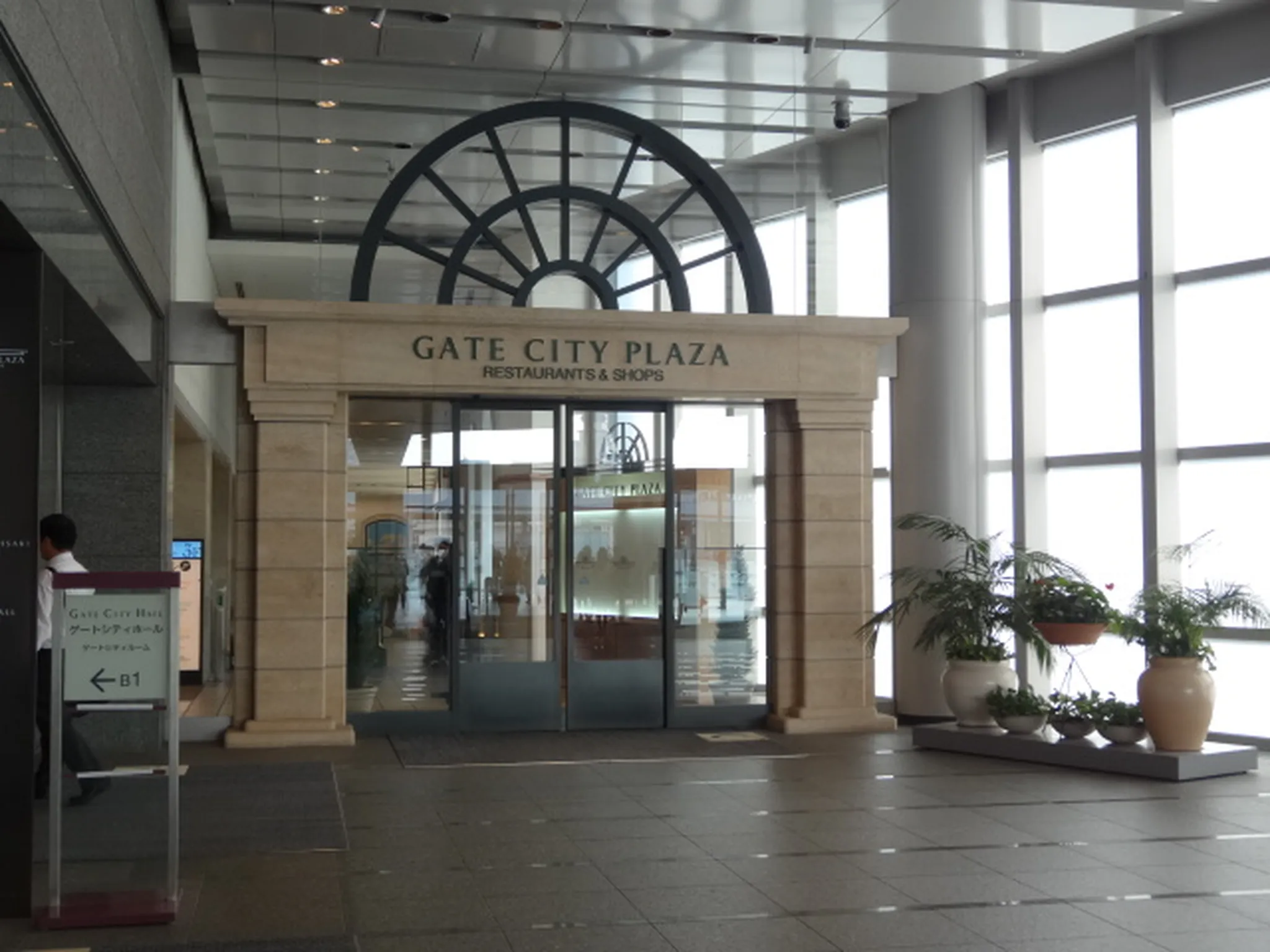
Hanaoka IVF Clinic (Shinagawa) is an IVF and infertility specialty clinic located on the 1st floor of Gate City Osaki East Tower, a 90-second walk from the south exit of JR Osaki Station in Tokyo. It opened in 2014 as the assisted reproduction arm of Futaraba Medical Corporation, which has run Hanaoka Ladies Clinic in Omori since 2006. The two-clinic model lets patients complete initial consultations and routine testing at the Omori site and undergo egg retrieval, fertilization and embryo transfer at the IVF-focused Shinagawa site.
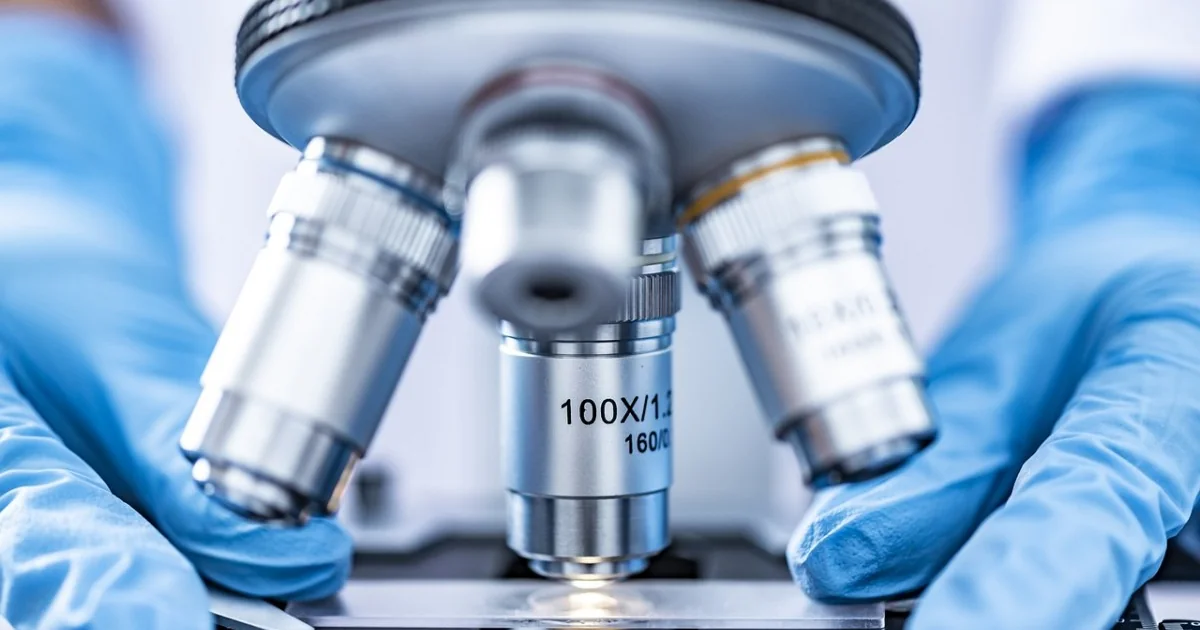
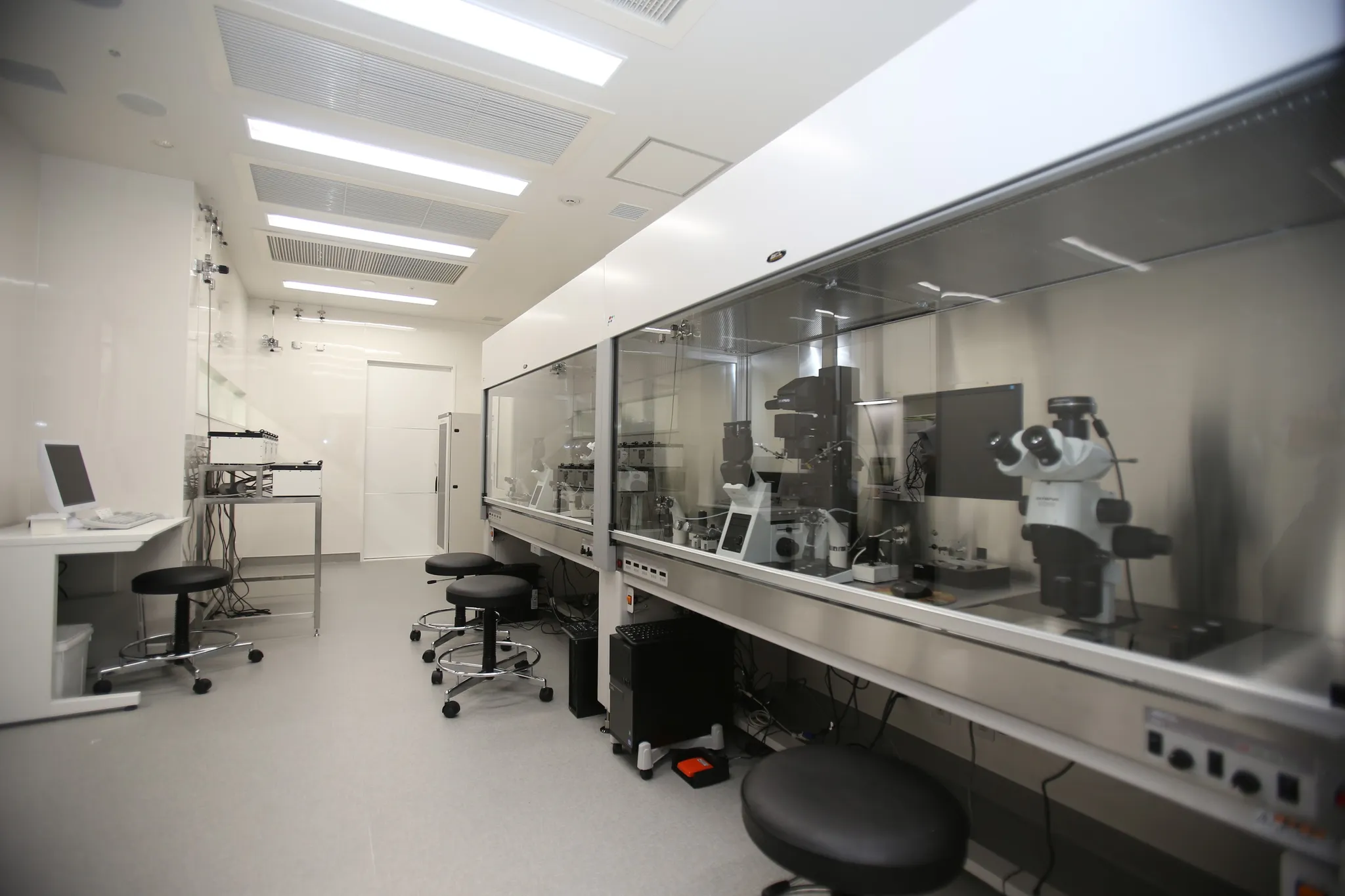
The clinic treats ovarian response as different cycle by cycle: rather than repeating one fixed protocol, the team selects the approach closest to pregnancy for each individual cycle. Its stated philosophy is that the goal of treatment is not egg retrieval or transfer itself, but achieving a pregnancy. The embryology lab operates under a strict competency rule — only staff who pass the clinic’s daily-trained handling assessments are permitted to work with eggs and embryos — and the clinic runs a fully appointment-based schedule.
Reported success rates (clinic’s own published data, April 2022 – March 2024, blastocyst transfers only, pregnancy confirmed by gestational sac):
| Age group | Clinical pregnancy rate |
|---|---|
| Under 30 | 70.5% (55/78) |
| 30-34 | 56.0% (182/325) |
| 35-39 | 48.5% (278/573) |
| 40-42 | 34.2% (80/234) |
| 43+ | 20.4% (20/98) |
The clinic states on its website that its overall pregnancy rate is more than 20% above the Japanese national average. Individual outcomes vary with age, diagnosis and embryo quality, so these figures should be discussed at the first consultation.
Accreditations & Awards
- JSOG-registered ART facility — operates under the ethical guidelines of the Japan Society of Obstetrics and Gynecology
- RIWitness witness system in place — dual staff checks plus electronic tagging to eliminate egg, sperm and embryo mix-ups
- Time-lapse embryo incubation adopted — next-generation incubators for continuous, undisturbed embryo observation
Why Choose Hanaoka IVF Clinic (Shinagawa)
- Exceptional access in central Tokyo: 90 seconds on foot from JR Osaki Station’s south exit, with direct Yamanote Line connections across the city
- High reported pregnancy rates: 70.5% clinical pregnancy per blastocyst transfer in patients under 30 (clinic data, 2022-2024)
- Cycle-by-cycle individualized protocols: controlled ovarian stimulation, mild stimulation, estrogen-augmented and natural cycles are all offered and switched according to each patient’s ovarian response
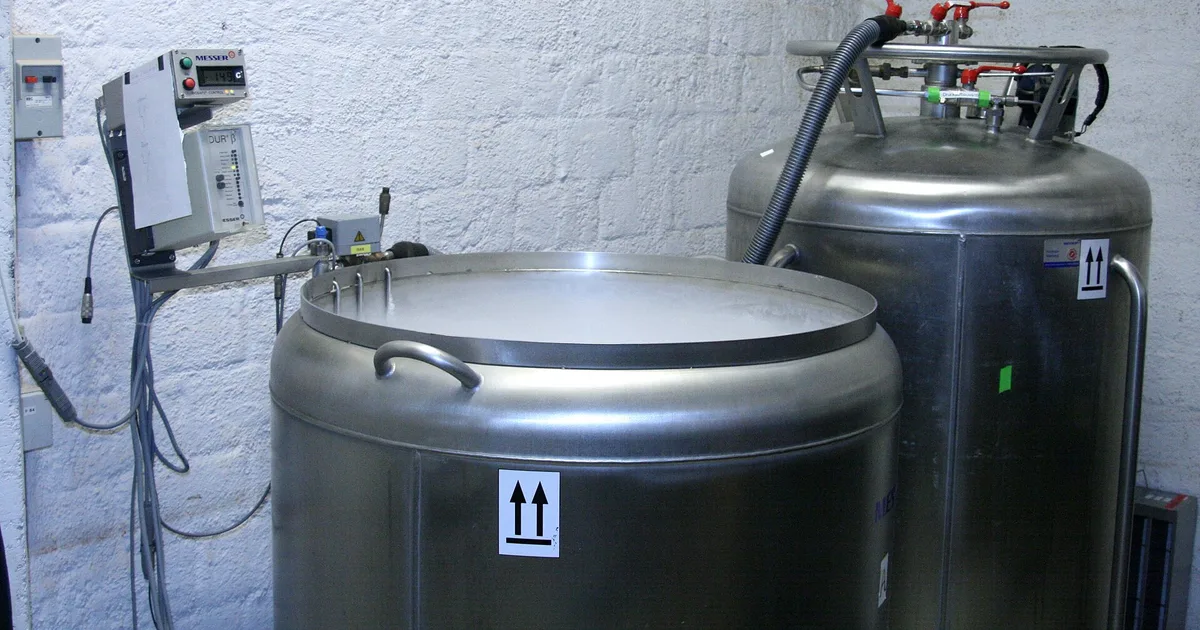
- Laboratory safety culture: RIWitness electronic checking, embryologists certified through internal practical exams, liquid-nitrogen (-196 C) storage tanks and a backup power system that protects frozen embryos during earthquakes or blackouts
- In-house hormone testing: blood work is processed on site, with hormone results available in roughly 40 minutes, so protocols can be adjusted within the same visit
- Male infertility under the same roof: a board-certified urologist who also holds reproductive medicine certification runs a dedicated andrology clinic, with surgical referrals to partner institutions when needed
- Two-clinic convenience: initial visits and routine care can be handled at the group’s Omori clinic, keeping Shinagawa visits focused on procedures
IVF & Fertility Services
- In Vitro Fertilization (IVF)
- Intracytoplasmic Sperm Injection (ICSI), including PICSI sperm selection
- Intrauterine Insemination (IUI)
- PGT-A (preimplantation genetic testing for aneuploidy)
- Egg freezing and embryo freezing by vitrification
- Four stimulation strategies: controlled ovarian stimulation, mild stimulation, estrogen-primed and fully natural cycles
- Endometrial receptivity and microbiome testing (ERA / EMMA / ALICE, ERPeak)
- PRP (platelet-rich plasma) therapy for endometrial receptivity
- SEET method and two-step embryo transfer
- Time-lapse embryo culture and blastocyst culture
- Endometrial scratching to prepare the uterine lining
- Male infertility diagnosis, treatment and coordination of surgical referrals
Fees & Packages
Japan’s national insurance does not cover most IVF procedures, so treatment at Hanaoka is self-pay. Prices below are tax-inclusive, published on the clinic’s fee page; USD figures are approximate conversions at 150 yen per US dollar.
| Item | Fee (JPY) | Approx. USD |
|---|---|---|
| Egg retrieval (“Hanaoka method”) | 49,500 for 1 egg / 93,500 for 2 or more | ~$330 / ~$625 |
| IVF fertilization | 110,000 | ~$735 |
| ICSI | 165,000 - 187,000 | ~$1,100 - $1,250 |
| Cleavage-stage embryo culture | 44,000 | ~$295 |
| Blastocyst culture | 66,000 | ~$440 |
| Embryo freezing (up to 3) | 66,000 | ~$440 |
| Fresh embryo transfer | 117,700 | ~$785 |
| Frozen (thawed) embryo transfer | 150,700 | ~$1,005 |
| Simulated total: natural cycle to fresh IVF transfer | ~345,400 - 372,900 | ~$2,300 - $2,485 |
| Simulated total: stimulated cycle to frozen embryo transfer | ~681,900 - 997,900 | ~$4,550 - $6,655 |
Source: clinic fee page (retrieved July 2026). Actual costs vary with the stimulation protocol, medication dosages and number of cycles; confirm a written estimate at the first visit.
Patient Journey
- Book a first consultation by phone or through the clinic’s web form — the clinic is fully appointment-based, and young children cannot accompany patients
- Initial visit at the Shinagawa (or group Omori) clinic: treatment history is reviewed and an ultrasound plus hormone blood tests are run on site, with hormone results in about 40 minutes
- Fertility assessment: hormone panel, AMH, antral follicle count by ultrasound and semen analysis for the partner; the andrology clinic sees male patients on the 2nd and 4th Saturday afternoons
- Personalized treatment plan: the physician selects from controlled stimulation, mild stimulation, estrogen-augmented or natural-cycle protocols based on the couple’s profile
- Stimulation and monitoring: follicles are tracked by ultrasound and adjusted within the same visit thanks to in-house lab results
- Egg retrieval, fertilization and culture: retrieval under the clinic’s own protocol, IVF or ICSI in the embryology lab with time-lapse culture, and vitrification of surplus embryos by assessment-certified embryologists
- Transfer and pregnancy test: fresh or frozen transfer (with PGT-A, ERA timing, SEET or two-step transfer when indicated), followed by a gestational-sac pregnancy scan; confirmed pregnancies are referred for obstetric care
Local Legal Framework
IVF, ICSI and PGT-A are legal and clinically available in Japan, governed by the ethical guidelines of the Japan Society of Obstetrics and Gynecology (JSOG). Egg donation and commercial surrogacy are prohibited under JSOG guidance and Japanese law. PGT-A is permitted but classified as a self-pay treatment outside national insurance. Japanese law does not explicitly assign legal personhood to embryos. Treatment is generally offered to legally married different-sex couples under JSOG rules, and patients should verify current eligibility requirements with the clinic.
Location
- Address: Gate City Osaki East Tower 1F, 1-11-2 Osaki, Shinagawa-ku, Tokyo 141-0032, Japan
- Phone: 03-5759-5112
- By train: 90-second walk from the south exit of JR Osaki Station; also within walking distance of Osaki-machi and Shinagawa stations
- Clinic hours: Mon/Fri 09:00-12:00 & 15:00-19:00; Tue 09:00-11:00 & 14:30-17:30; Wed 09:00-12:00 & 14:00-19:00; Thu 09:00-11:30 & 14:30-17:30; Sat 09:00-13:00; closed Sundays and national holidays (urgent care at physician discretion)
- Andrology (male infertility) clinic: 2nd and 4th Saturdays, 14:00-16:00