'%20transform='translate(88%20-32)'%3e%3cpath%20fill='%23fff'%20d='M-128%2032h720v480h-720z'/%3e%3ccircle%20cx='523.1'%20cy='344.1'%20r='194.9'%20fill='%23bc002d'%20transform='translate(-168.4%208.6)scale(.76554)'/%3e%3c/g%3e%3c/svg%3e)
Morozumi Ladies Clinic — Ginza, Tokyo IVF & Fertility Center
About Morozumi Ladies Clinic
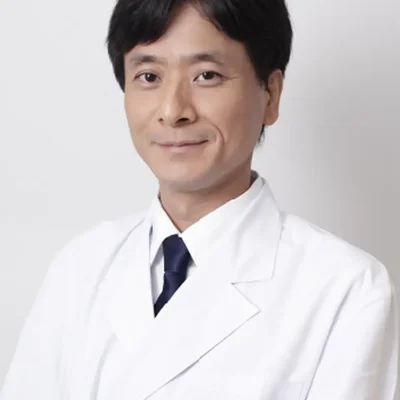
Morozumi Ladies Clinic is an infertility specialty clinic in Ginza, central Tokyo, focused on advanced assisted reproduction — IVF, ICSI and related laboratory technology. Founder-director Dr. Kazuto Morozumi opened the clinic in July 2012; in the 14 years since, the clinic has performed more than 10,000 egg retrievals and more than 10,000 embryo transfers (source: clinic official website).
Rather than publish a single headline success rate, the clinic posts its outcomes on its results page: cumulative HCG-positive rates and cumulative clinical pregnancy rates for frozen-thawed embryo transfers (July 2012 - December 2024), stratified by patient age and blastocyst grade (source: clinic results page). The clinic stresses that pregnancy rates vary with age, constitution and treatment strategy, and that individualized protocols come before statistics. Japan operates no CDC- or HFEA-style public registry, so these self-published, layered datasets are the primary figures for this clinic.
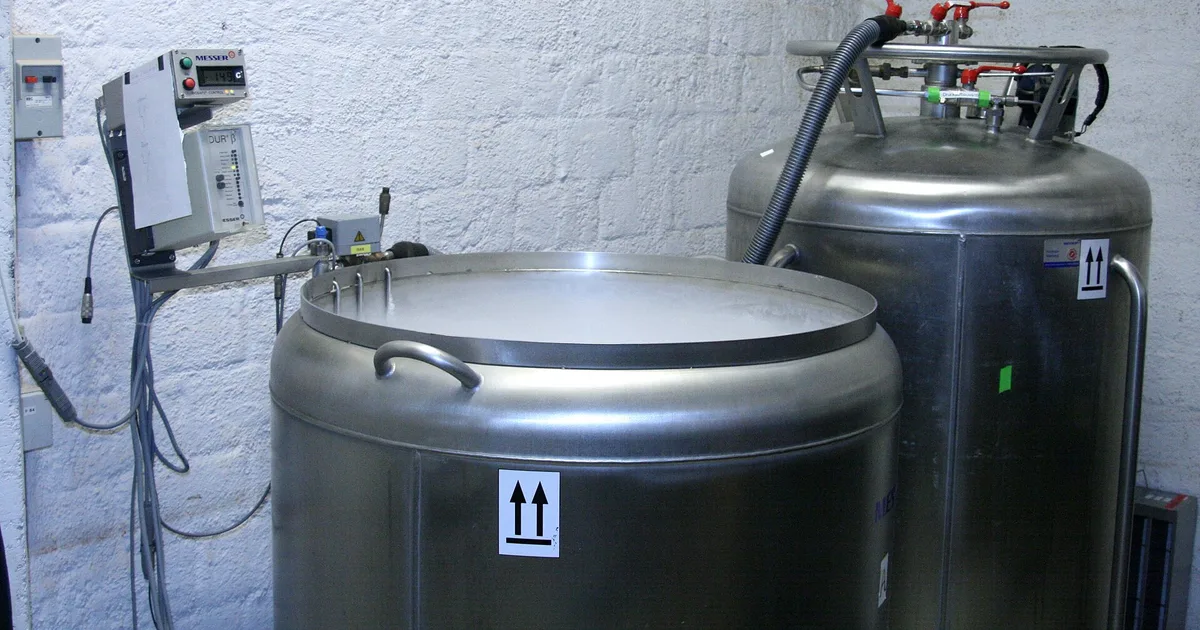
A relocation announcement is already live: in January 2027 the clinic moves to floors 8-9 of TOFROM YAESU THE FRONT directly at Tokyo Station’s Yaesu exit — roughly double the floor area, with 1.5x seismic isolation ratings, 72-hour emergency power and an on-site liquid-nitrogen generator for cryopreservation security (source: clinic relocation page).
Accreditations & Awards
- JSOG-accredited PGT-A facility — accredited by the Japan Society of Obstetrics and Gynecology to perform preimplantation genetic testing for aneuploidy; 839 patients and 1,932 embryos tested from January 2020 to June 2026 (source: clinic homepage data)
- Tokyo Metropolitan Government egg-freezing subsidy registered institution (source: clinic official website)
- Two PNAS publications: ICSI basic-research papers by Dr. Morozumi from his University of Hawaii graduate-research years under Professor Ryuzo Yanagimachi were published in the Proceedings of the National Academy of Sciences (2005, 2006), covered by the Honolulu Star-Bulletin (source: clinic director profile)
- Advisory oversight by a former JSOG president: the clinic’s advisor is the former chairman of the Japan Society of Obstetrics and Gynecology and former Keio University obstetrics-gynecology professor (source: clinic staff page)
Why Choose Morozumi Ladies Clinic
- Egg-and-embryo protection philosophy for older patients: the clinic’s signature “minimal stress” program — conventional IVF insemination (“sprinkling” method) preferred over unnecessary ICSI, fresh and cleavage-stage transfers when indicated, and double OPU (Duo Stim) two retrievals in one cycle to bank more embryos (source: clinic treatment pages)
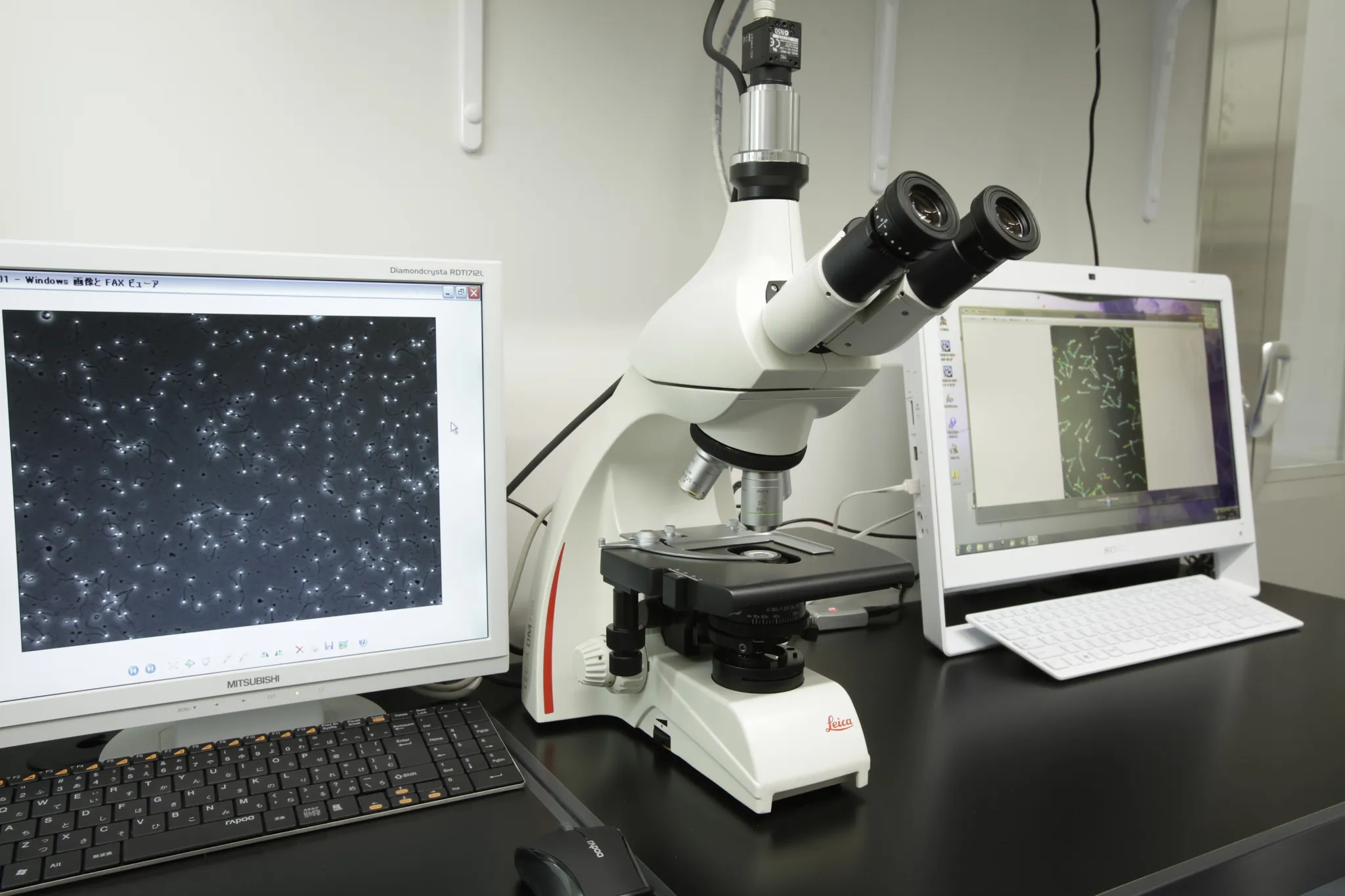
- Piezo ICSI for all cases for 12+ years, plus IMSI: piezo-driven micromanipulation to reduce physical damage during injection, combined with 6,000x magnification sperm selection (source: clinic official website)
- Time-lapse culture and AI embryo grading: EmbryoScope incubators plus the iDAScore AI embryo assessment system, with embryos never leaving the incubator environment during observation (source: clinic facility pages)
- Advanced implantation and immunology toolkit: PFC-FD regenerative therapy (growth factors from the patient’s own blood injected into uterus or ovary), tacrolimus immunomodulation, ERA endometrial receptivity testing, EMMA/ALICE microbiome tests, two-step transfer and a transfer-support package for patients aged 40-42 (source: clinic official website)
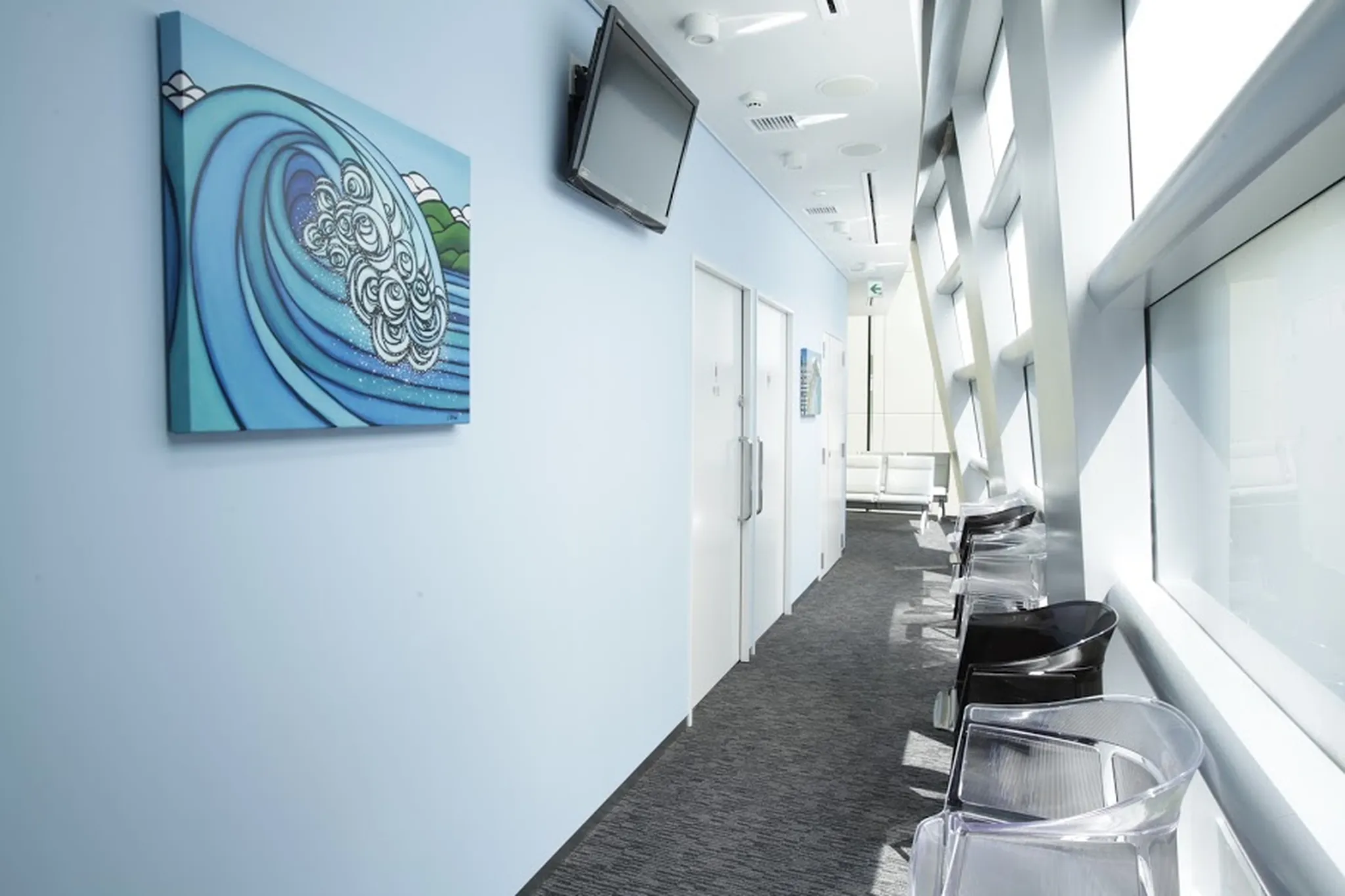
- Transparency and comfort measures: husbands may witness embryo transfer in the operating room (free); a free staffed family room accepts children from age 1 to school entry; sound-proofed private rooms for difficult results; long consultations are standard (source: clinic official website)
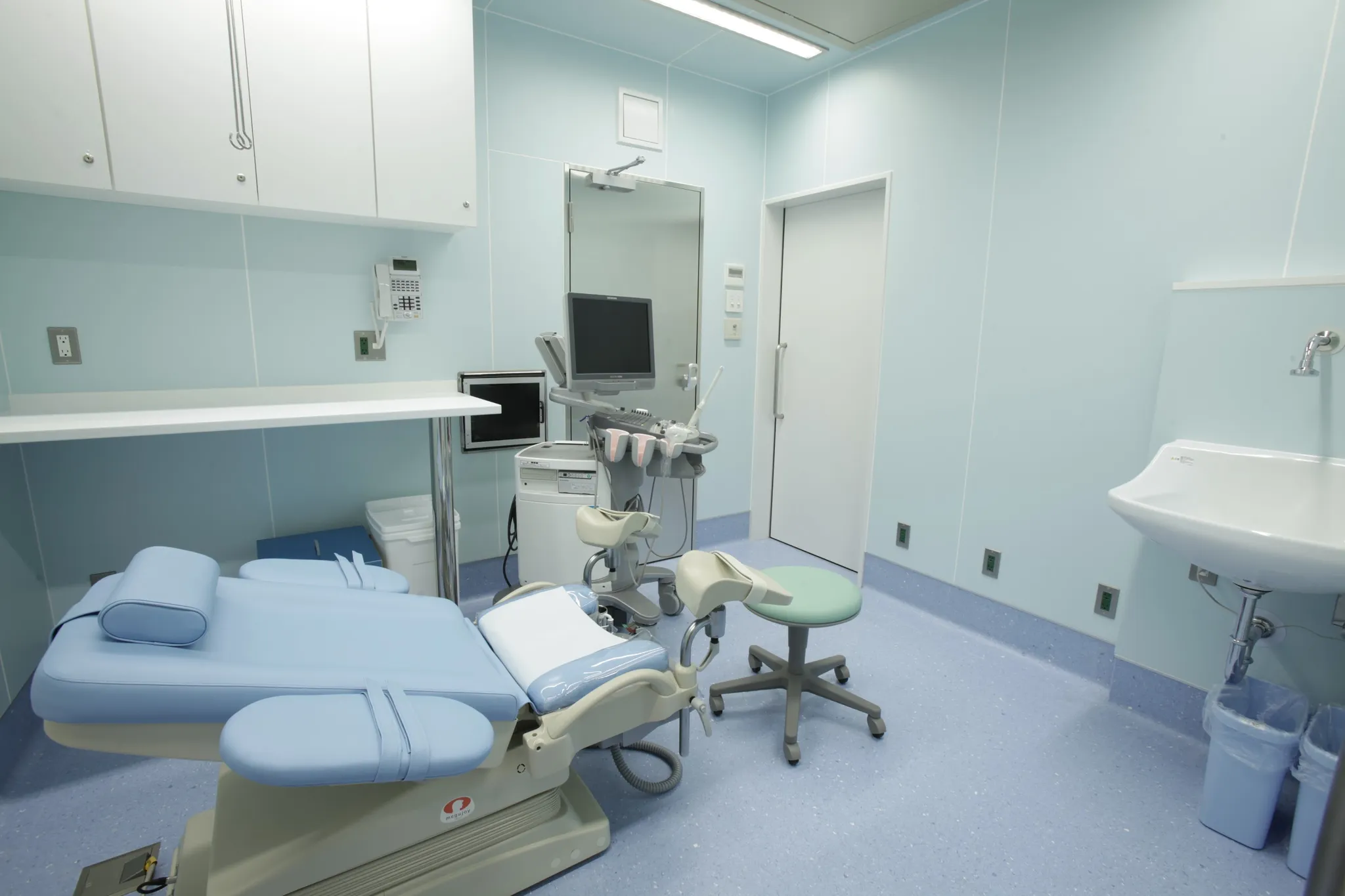
- Safety-engineered laboratory: VOC-free building materials, UV-free LED lighting in the embryo lab, earthquake-secured incubators, conductive flooring with dedicated grounding, cleanroom standards to US Class 10,000 in theatre and embryo lab, and dual independent monitoring (Logbee Cool + NLO) of all cryotanks (source: clinic facilities page)
- Chinese patient desk and international services: a dedicated Chinese-speaking consultation channel, guidance for overseas and foreign-national patients, and LINE/web/phone first-visit booking (source: clinic official website)
IVF & Fertility Services
- IVF (conventional insemination prioritized where appropriate) and full-cycle management
- ICSI with Piezo micromanipulation; IMSI, PICSI, ZyMōt and Polscope sperm selection
- Assisted hatching; blastocyst culture; time-lapse (EmbryoScope) culture with iDAScore AI grading
- PGT-A and PGT-SR under JSOG accreditation (self-pay, indication-based)
- Frozen-thawed embryo transfer, natural-cycle FET preferred for ovulating patients
- Egg, embryo and sperm freezing (Tokyo subsidy-registered for egg freezing)
- IUI and intrauterine insemination variants; timed-intercourse and ovulation induction care
- Male infertility clinic (semen analysis, DNA fragmentation index, oxidative-stress testing, TESE referrals)
- PFC-FD regenerative therapy; tacrolimus immunomodulation
- Recurrent loss and implantation work-up: ERA, EMMA/ALICE, karyotyping
- Fertility screening packages, preconception care packages, second opinions
Since April 2022 most standard infertility treatment is covered by Japanese national health insurance (age caps apply); advanced options such as PGT-A and elective egg freezing remain self-pay.
Fees & Packages
Self-pay prices from the clinic’s official fee page (2026; USD at ~¥150 = US$1):
- First consultation: ¥3,300 (~US$22); follow-up ¥1,100 (~US$7)
- Initial screening package: women ¥28,013 (~US$187); men ¥17,013 (~US$113)
- IUI: ¥33,000 (~US$220) plus ultrasound fee
- Egg retrieval: ¥110,000 (~US$730) (¥88,000 from the 4th retrieval; ¥33,000 if no eggs collected)
- Insemination + culture: ¥110,000 (~US$730); ICSI surcharge from ¥55,000 (~US$370) for 1-9 eggs
- Fresh embryo transfer: ¥110,000 (~US$730); frozen-thawed transfer: ¥110,000 (~US$730); blastocyst culture: ¥44,000 (~US$295)
- Egg freezing storage packages: 1 year ¥330,000 (~US$2,200); 5 years ¥550,000 (~US$3,700); 10 years ¥880,000 (~US$5,900)
- PGT-A: counseling ¥11,000 (~US$73); blastocyst testing ¥110,000 (~US$730) per embryo; couple chromosome testing ¥55,000 (~US$370) per person
- PFC-FD therapy: preparation ¥220,000 (~US$1,470); ovarian injection ¥110,000; uterine injection ¥33,000
- Fertility screening packages: ¥27,500 women / ¥22,000 men / ¥49,500 couples
- Partner-witnessed embryo transfer and the staffed family room: free
National health insurance covers standard IVF cycles for eligible residents (under 43; up to 6 cycles under 40, 3 cycles at 40-43, per child).
Patient Journey
- First-visit booking: reserve via LINE, web or phone; overseas patients (including Chinese-speaking patients via the dedicated desk) use the foreign-patient booking route
- Reception and history: bring insurance card, questionnaire, any referral letter, basal temperature records and test results from the past year; an optional pre-visit “worry-clearance form” lets patients flag concerns before consultation
- Screening exam: infertility screening tests at the first visit (hormones, ultrasound, semen analysis for the partner — male partners also need blood tests, so a joint visit is recommended)
- Evidence-based plan: individualized strategy explained at length; patients with BMI over 40 begin with weight reduction; there is no fixed attending-physician system, and a preferred doctor can be requested
- Cycle treatment: stimulation and monitoring → egg retrieval (double OPU available) → IVF/ICSI → time-lapse culture → PGT-A if indicated → transfer (partner may witness) → pregnancy test
- After pregnancy: on confirmation, patients graduate to obstetric care through the clinic’s referral network, which includes University of Tokyo Hospital, Keio, Nippon Medical, St. Luke’s International, Sano and Aiku hospitals
Local Legal Framework
IVF, ICSI and frozen embryo transfer are legal in Japan, practiced under JSOG ethics guidelines; since April 2022 basic infertility treatment is insurance-covered. PGT-A became a JSOG-regulated medical act in September 2022, limited to defined indications (repeated IVF transfer failure, recurrent pregnancy loss, advanced maternal age around 35+) and fully self-pay. Egg donation and commercial surrogacy are prohibited. Common-law couples may be treated with signed consent forms and single-status certificates; foreign-national patients should bring marriage documentation (residence/certified translations or embassy certificates). Japanese law does not assign embryos explicit legal personhood.
Location
- Address: 4F V88 Building, 2-5-11 Ginza, Chuo City, Tokyo 104-0061, Japan
- Phone: +81-3-5159-1101
- Hours: Monday-Friday 08:30-12:30 and 15:30-18:30; Saturday 08:30-12:30 and 14:00-15:30; public holidays 08:30-12:30; closed Sundays
- Getting there: 5 minutes on foot from JR Yurakucho Station’s central exit; 2 minutes from Ginza-itchome Station (exit 5/8); 2-3 minutes from Ginza Station (exits A8/A9/A13). No parking — use nearby garages
- From January 2027: 8-9F TOFROM YAESU THE FRONT, directly connected underground to Tokyo Station’s Yaesu exit