'%20d='m0%200%2016%2011h61%2061%2061%2061%2060L47%2037h61%2061%2060%2061L16%2063h61%2061%2061%2061%2060L47%2089h61%2061%2060%2061L16%20115h61%2061%2061%2061%2060L47%20141h61%2061%2060%2061L16%20166h61%2061%2061%2061%2060L47%20192h61%2061%2060%2061L16%20218h61%2061%2061%2061%2060z'/%3e%3c/svg%3e)

About The Fertility Center of Las Vegas
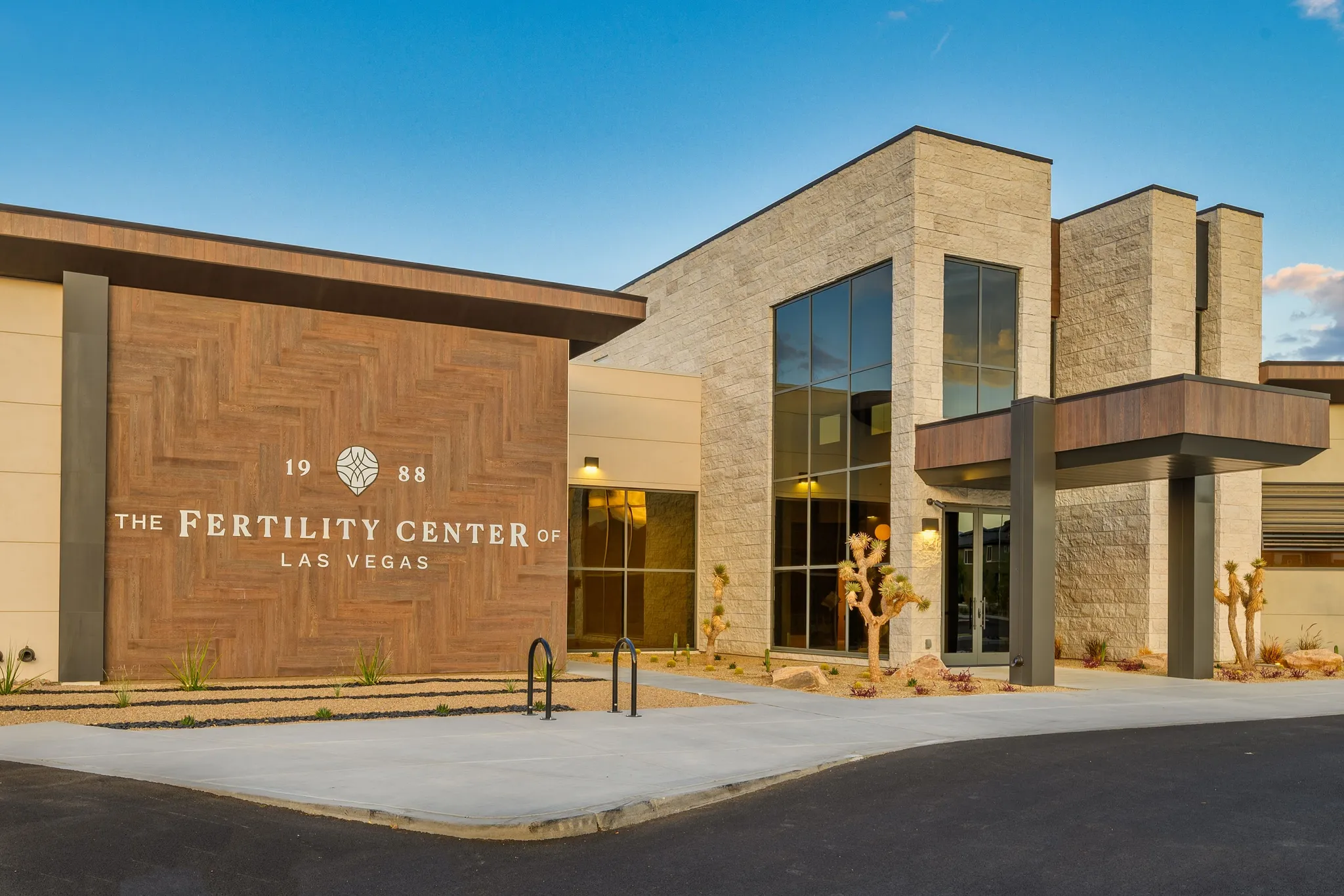
Bruce Shapiro, MD, PhD opened The Fertility Center of Las Vegas (FCLV) in 1988 as the first infertility practice in southern Nevada. For 35 years it ran on a single physician. In 2023 the roster went to three, when Carrie Bedient, MD and Leah Kaye, MD joined — described by the clinic as the region’s first and second female board-certified reproductive endocrinologists. That same year the practice moved from 8851 W. Sahara Avenue into a purpose-built 18,500-square-foot facility at 5365 S. Durango Drive, construction on which began in 2021. The clinic brands itself an “Oasis of Hope” and says it has helped create thousands of families for patients from across the United States and more than 70 countries; those are the clinic’s own scale claims, not audited figures, so treat them as context rather than data.
On the numbers that can be checked: SART’s Final Clinic Summary Report for 2023 (ClinicPKID 2285, CDC reporting unit 233) shows 786 cycles — below the roughly 932-cycle national clinic average carried on this page, so this is a mid-size program, not a high-volume lab. Live birth per intended retrieval, counting all transfers, breaks down as 63.5% under 35 (63 starts), 45.0% at 35-37 (60), 23.2% at 38-40 (56), 3.2% at 41-42 (31) and 9.4% over 42 (32); the two oldest bands weight to 6.3% over 40. The national row on this page (SART 2023 National Summary, same metric) is 53.2 / 39.9 / 26.2 / 9.4. Read side by side, FCLV sits above the national average in the two youngest bands, slightly below at 38-40, and well below 40 and older. That is the honest shape of it: strong for patients under 38, and a program where patients over 40 using their own eggs have markedly thinner odds.
FCLV is a freeze-all center, which changes how its rows should be read. 98.7% of its 2023 transfers used frozen embryos, and every fresh-transfer cell in the registry report is empty because there were zero fresh transfers that year — not missing data, but an actual clinical policy. Per single frozen embryo transfer (merging the with-PGT-A and without-PGT-A subsets by weighted average), live birth ran 54.5% under 35, 51.3% at 35-37, 46.7% at 38-40 and 40.7% over 40. The national SART 2023 row for the same per-transfer metric is 46.6 / 44.9 / 40.7 / 29.3, so frozen-to-frozen the clinic is at or above the national figures across all four bands. Comparing those against the national fresh-IVF row (39.4 / 31.0 / 21.3 / 8.1) would be meaningless — this clinic has no fresh transfers to put in that cell, and per-transfer and per-retrieval rates answer different questions.
A third denominator is published for new patients starting treatment: live birth after a single retrieval was 73.1% under 35, 55.3% at 35-37 and 38.9% at 38-40; the 41-42 group (2 of 16) and over-42 group (3 of 19) had too few cycles to publish. For embryos created from donor eggs, 117 frozen donated-embryo transfers returned a 63.2% live birth rate, and 4 transfers of donated embryos returned 25.0%.
The clinic argues that registry numbers understate freeze-all programs, and part of that criticism of SART counting is fair and worth knowing before you compare any two clinics: a patient who never returns for a transfer within a year is booked as a failure even if a later transfer produces a live birth; embryos shipped to another center count as failures at the origin clinic; and because deferred frozen-transfer births land in the following calendar year while failures post immediately, preliminary reports skew low. This page uses the Final 2023 report for that reason. The clinic also states that it does not push patients with diminished ovarian reserve onto donor eggs, which matters when comparing outcome tables — a center that mandates donor eggs can post higher numbers without doing anything different in the lab.
Accreditations & Awards
- SART member clinic reporting to SART and the CDC under ClinicPKID 2285 / CDC ART clinic id 233, with verified laboratory accreditation recorded in the registry entry; medical director of record is Bruce S Shapiro, MD PhD
- All three physicians are ABOG board-certified in Obstetrics and Gynecology with subspecialty certification in Reproductive Endocrinology and Infertility
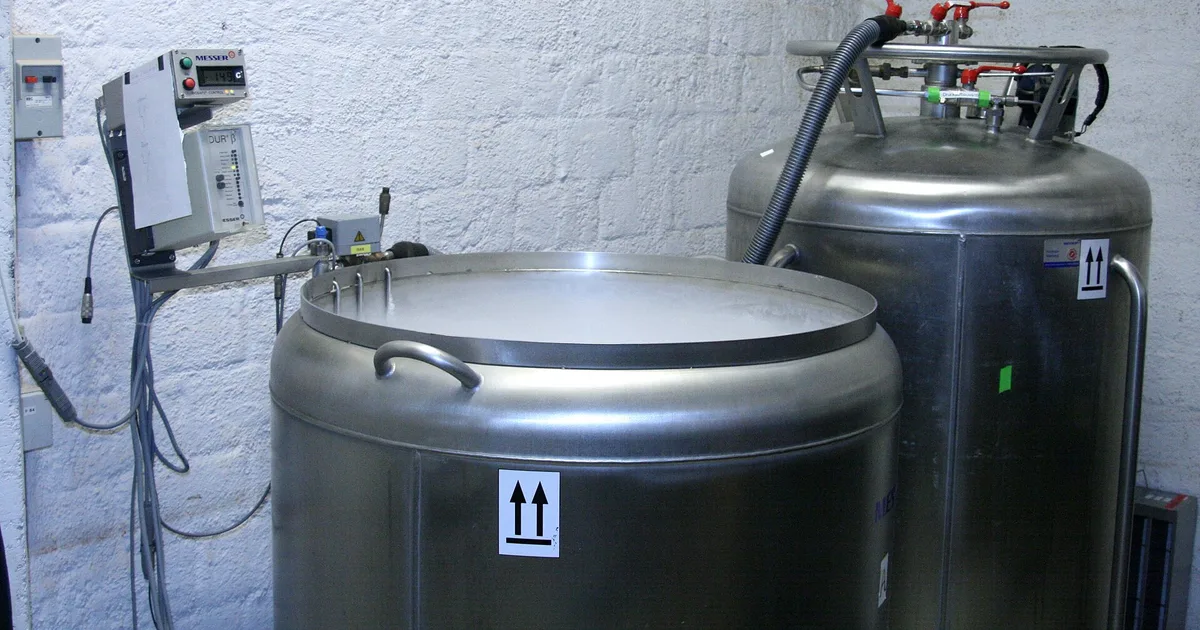
- REI Protect Seal of Approval, an insurer underwriting standard covering REI board certification, practice accreditation and written policies, an IVF-specific electronic medical record, CAP or TJC plus CLIA laboratory accreditation, electronic witnessing, cryostorage tank monitoring and embryologist caseload limits — re-audited every year
- Two 2011 randomized trials on frozen versus fresh embryo transfer, led by Dr. Shapiro’s group, were named among the most influential works in Fertility and Sterility’s 75th-anniversary listing in 2025, one of them the journal’s 33rd most-cited paper. IVF pioneer Jacques Cohen, editor-in-chief of Reproductive Biomedicine Online, called them “two of the most important trials in the past 10 years,” and the clinic says the findings were received in Stockholm as the work that broke the question open
- Newsweek/Statista, America’s Best Fertility Clinics — three consecutive years on the list, which weighs peer recommendations, performance indicators, laboratory standards and patient experience. The clinic says it places in or near the top 50 and has repeatedly been the only Las Vegas clinic, and often the only Nevada clinic, on the list; that ranking history is the clinic’s own summary
- Vegas Inc Top Doctors: Bruce Shapiro and Carrie Bedient named in 2025 in the reproductive endocrinology category — the clinic states they were that year the only fertility specialists in Las Vegas to receive the recognition — with Bedient listed annually since 2018
- Commercial Real Estate Development Association Merit Award, Healthcare Building category, for the 2023 Durango facility
- Federal reporting compliance under the Fertility Clinic Success Rate and Certification Act; donor sperm and egg screening and documentation follow FDA rules on human reproductive tissue, and laboratory services run through Ovation Fertility with surgical services at Granite Sahara Surgical Center
Why Choose The Fertility Center of Las Vegas
- A freeze-all program you can actually verify: 98.7% frozen transfers and zero fresh transfers in 2023 means every embryo is cultured, vitrified and returned in a prepared cycle rather than transferred into a uterus still recovering from stimulation. If you want to know how often a clinic does fresh transfers, this one does not
- Blastocyst-stage transfers standardized since 1997, one of the earliest programs worldwide to do so, and ICSI on every IVF egg as routine practice rather than a male-factor add-on — the two lab decisions that most affect whether you get one good embryo to transfer instead of two mediocre ones
- Single-embryo practice without a numbers gimmick: the clinic reports transferring an average of 1.0 embryos in under-35 patients in 2017 against a 1.3 national average that year, and it states plainly that some centers transfer multiple embryos to lift their per-transfer rates
- Three REI subspecialty-certified physicians on one site, which the clinic says makes it the only practice in Nevada with three; southern Nevada had none until 1988 and no board-certified female reproductive endocrinologist before 2023
- A cycle fee built around repeat transfers: FCLV’s global fee includes unlimited frozen embryo transfers for one year, so a failed first transfer does not restart the billing clock on monitoring, blood work or the procedure itself
- Access that fits a working schedule: blood draws from 6:30 am, appointments Monday to Friday from 7 am, and Saturday monitoring by appointment; Dr. Kaye holds evening and weekend slots
- Case managers fluent in Chinese, Spanish and French on site (the international services page also lists Hebrew), with complimentary remote consultations for patients who live far outside Las Vegas
- Research that runs through the clinic’s own cycles: prospective, randomized, double-blind designs built on data collected in-house, plus open recruitment into trials — which is also the cheapest way to access treatment here
IVF & Fertility Services
- IVF: stimulation with injectable medications, ultrasound and hormone monitoring, transvaginal retrieval under sedation once follicles reach roughly 16-18 mm, ICSI fertilization in the lab, 3-5 day culture, and single embryo transfer of a day-5 blastocyst, with remaining embryos vitrified
- Frozen embryo transfer: the default pathway here rather than the exception, with hormone-prepared cycles and unlimited FETs for one year inside the cycle fee
- PGT menu: PGT-A by next-generation sequencing, LifeView PGT-A+ (aneuploidy origin, parental identity and true mitotic mosaicism), PGT-M for single-gene conditions such as cystic fibrosis, sickle cell or Tay-Sachs, PGT-SR for structural rearrangements, and LifeView PGT-P, which returns an embryo health score for polygenic conditions
- IUI and ITI: washed sperm placed in the uterus or the fallopian tubes after ovulation induction or a stimulated, monitored cycle; donor-sperm IUI for single patients and female couples
- Ovulation induction: oral or injectable medications for irregular cycles or PCOS, combined with timed intercourse or insemination
- Egg freezing: consultation, antral follicle count and hormone workup, 10-12 days of stimulation, retrieval about 36 hours after trigger, vitrification; the full sequence typically runs 10-14 days, with long-term storage at Ovation Fertility Storage Solutions
- Fertility preservation for medical indications: egg, sperm or embryo freezing before chemotherapy, radiation or bone marrow transplant, plus adolescent preservation for young cancer patients and for those planning gender-affirming surgery or hormone therapy
- Egg donation: an in-house donor pool screened for medical, infectious, genetic and psychological conditions, with known, semi-identified and anonymous donor types, fertilized by partner or donor sperm and transferred as a frozen single embryo
- Donor sperm: sourced through FDA-licensed sperm banks, used with IUI or IVF
- Gestational carrier programs: intended-parent or known-carrier or agency-matched arrangements, with the clinic coordinating the medical work and referring to family law attorneys; includes combined donor-egg and gestational-carrier cycles for gay male couples and single men
- Reciprocal IVF: one partner provides the eggs, the other carries, for female couples who want both pregnancies’ roles physically shared
- Embryo banking: several stimulation cycles completed and embryos frozen before any transfer, for patients planning more than one child
- Elective single embryo transfer as the standing practice, with the clinic’s own data on twin and higher-order risks used in counseling
Fees & Packages
The clinic’s own cost page names no dollar figure for a cycle; the only hard numbers it publishes are the discount percentages of third-party drug programs. What FCLV does publish instead is a line-by-line description of what its global IVF cycle fee covers under a plan it calls Truth in Pricing, and that coverage split is worth understanding before you compare it with another clinic’s headline number.
Included in the FCLV cycle fee (services performed by the practice and its affiliated Granite Sahara Surgical Center): all cycle ultrasounds, all cycle blood draws and labs, the egg retrieval procedure and its supplies, facility fees for retrieval and transfers, anesthesia for retrieval, and unlimited frozen embryo transfers for one year including the ultrasounds, blood tests and transfer procedures in that window — FCLV’s own fees only.
Billed separately by Ovation Fertility, the laboratory provider: semen washing and preparation, ICSI, assisted hatching when needed, embryology fees charged at each transfer (these are not covered by the unlimited-FET promise), and freezing of any remaining embryos.
Not included in any clinic’s global fee: medications, except those used by an egg donor; specimen storage; and outside services such as PGT-A or PGT-M, which go to a genetics laboratory.
Financing and discount routes the clinic documents: every patient is assigned a financial counselor who builds a custom payment plan and works the insurance benefits question with you, a quote typically arrives 7-10 business days after the treatment consultation, and insurer prior authorization usually takes 2-3 weeks. Payment is due at the time of service. EMD Serono’s income-based Compassionate Care program offers eligible uninsured patients 50% or 75% off self-pay medication prices or a $10-per-unit mail-in rebate; its Compassionate Corps program supplies free medications to qualifying veterans and military retirees, including infertility caused by service-related injury. DesignRx’s First Steps program gives income-qualifying uninsured patients up to 75% off Follistim, Ganirelix and Pregnyl at participating pharmacies. There is a military discount for active or retired service members and reservists without coverage. Patients enrolled in the clinic’s prospective randomized clinical trials may receive discounted or free medications or cycles; reapply for drug programs each year, since none of them is insurance.
On coverage: the clinic states that many insurers cover infertility diagnosis but not treatment, and its own FAQ repeats that some plans pay only for the diagnostic panel. Our sources name no Nevada insurance mandate, so verify your specific plan’s fertility and diagnosis benefits in writing before you commit to a cycle. Free seminars and webinars run by the physicians, including egg-freezing sessions, are open before you register as a patient.
Patient Journey
- New patient consultation — in person, or by phone or video for patients outside the area. Register on the patient portal and submit your history within 48 hours of booking; you and your partner (if applicable) upload photo ID and insurance cards, or get insurance information in at least 72 hours ahead so the benefits team can produce a quote
- Welcome packet — consent forms and a message from your new patient coordinator arrive through the portal within 24-48 hours after the visit
- Diagnostic testing — a named diagnostic coordinator books the workup, usually one to two months: cycle day 3 hormone labs and gynecologic ultrasound, sonohysterogram and serial progesterone for the uterus, HSG for the tubes, semen analysis, and the CDC infectious-disease panel. Initial blood work requires fasting — nothing but water after 10 pm the night before — and the male partner’s initial labs do too. Semen samples collected at the clinic give the best count and motility numbers; a home kit is available with ID and signed consent, but the specimen must arrive within 30 minutes
- Treatment consultation — roughly two weeks after your last test, the physician reviews everything, recommends the pathway, and passes it to the financial team for a written quote
- Financial clearance — sign consents and pay or get authorization approved before cycle coordination begins; a 7-10 business day turnaround for the quote, 2-3 weeks if prior authorization is involved
- Cycle start — your treatment coordinator schedules the calendar through the portal, confirms travel dates for out-of-town patients, and helps order medications
- Pregnancy and graduation — after a positive blood test (yours or your gestational carrier’s), the clinic monitors the first trimester with additional blood work and ultrasound and transfers you to an obstetrician around week 10
Partners are welcome at every appointment but attendance is not required. Typical diagnostic-to-treatment lead time is one cycle month if you complete forms promptly.
Local Legal Framework
The clinic states that “Nevada has some of the most favorable surrogacy laws in the country,” and says patients travel to Las Vegas specifically for gestational carrier, donor egg and donor sperm programs that are restricted or unavailable in their home states and countries. That is the clinic’s characterization, and its practice does run all of those programs: an in-house egg donor pool, FDA-licensed sperm banks, gestational carriers for single men, gay male couples, and patients who cannot carry a pregnancy, and reciprocal IVF for female couples.
Our sources for this page name no Nevada statute, chapter, case or regulatory citation. So we cannot tell you, from verified material, how Nevada treats a gestational carrier agreement, whether a pre-birth parentage order is available to you, what compensation an egg or sperm donor may lawfully receive, or what the state requires of insurers — the widely repeated claim that Nevada is unusually favorable comes from the clinic’s marketing copy, not from a citation we can check. Nothing above is legal advice. Two federal layers are documented and are the ones a patient can actually inspect: the Fertility Clinic Success Rate and Certification Act requires this clinic to report every ART cycle outcome to the CDC, and the FDA sets screening and documentation rules for donated sperm and eggs.
Practically: get independent Nevada reproductive-law counsel before you start. The clinic itself refers intended parents, including international patients, to family law attorneys, which tells you where the risk sits. Parentage orders — who is named on the birth certificate, and whether a pre-birth or post-birth order is available — turn on county-level practice and on the facts of your arrangement, and they are the single most common place where US surrogacy surprises intended parents. Donors and carriers should have their own lawyer, and anyone freezing embryos here should ask, before signing, what happens to them in a dispute or a divorce. If you are using insurance, ask your carrier in writing what it pays for diagnosis versus treatment.
Location
- Address: 5365 S Durango Dr #100, Las Vegas, NV 89113
- Phone: (702) 254-1777