'%20d='m0%200%2016%2011h61%2061%2061%2061%2060L47%2037h61%2061%2060%2061L16%2063h61%2061%2061%2061%2060L47%2089h61%2061%2060%2061L16%20115h61%2061%2061%2061%2060L47%20141h61%2061%2060%2061L16%20166h61%2061%2061%2061%2060L47%20192h61%2061%2060%2061L16%20218h61%2061%2061%2061%2060z'/%3e%3c/svg%3e)
About UHealth Center for Reproductive Medicine
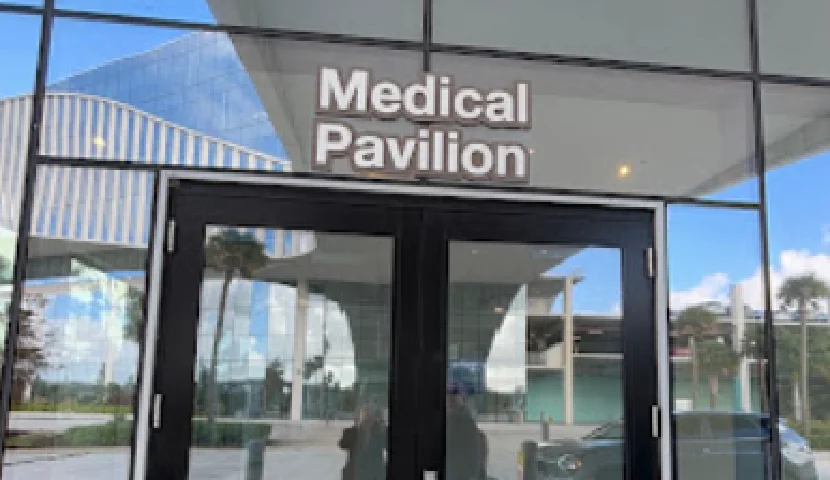
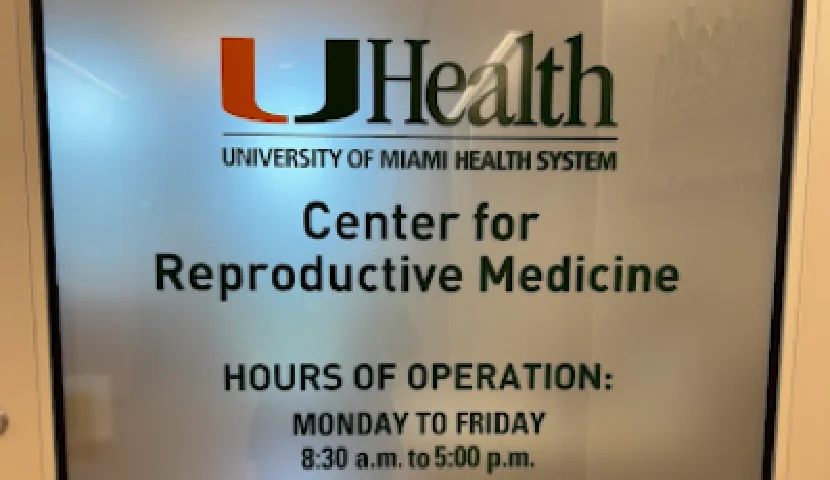
The Center for Reproductive Medicine is the fertility clinic of the University of Miami Miller School of Medicine. It runs inside the school’s Division of Reproductive Endocrinology and Infertility (REI), part of the Tamer Family Department of Obstetrics, Gynecology & Reproductive Sciences, and it sees patients in an outpatient pavilion — UHealth at Jackson West in Doral — rather than on the Miami hospital campus.
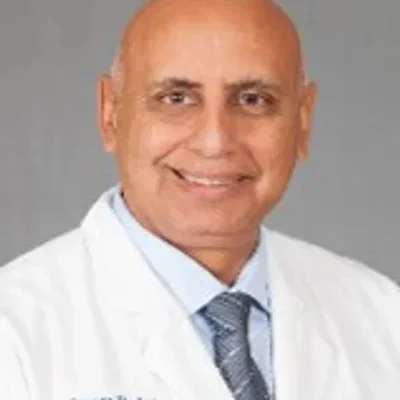
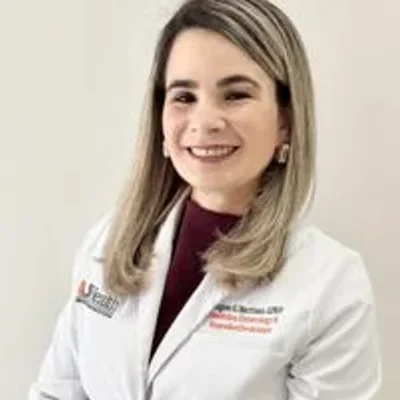
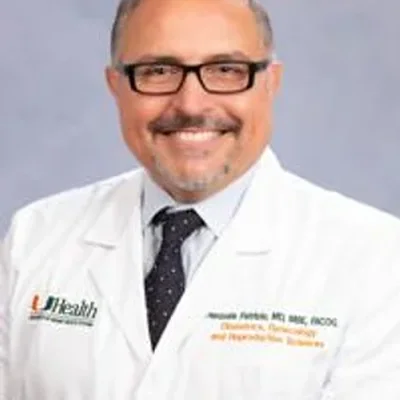
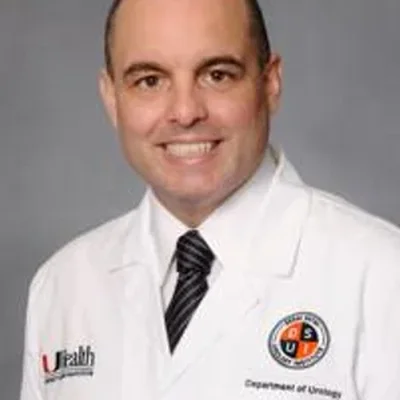
Two physicians are named on the REI division faculty list: Pasquale Patrizio, MD, MBE, HCLD (Professor, Division Chief, and the division’s fellowship program director) and George R. Attia, MD (Associate Professor). The division describes its wider staff as reproductive endocrinologists, embryologists, clinical nurses and technicians. Also filed with this center in our roster are a urologist at the school’s Desai Sethi Urology Institute and one advanced practice registered nurse. The center’s doctor directory sits behind a bot-blocking layer, so this page does not claim that list is the complete team.
Outcomes are reported to SART as ClinicPKID 2257, under the same name and Doral address as this listing; that record carries Patrizio as Medical Director. A second registry entry exists in CDC’s ART data under the name “University of Miami Infertility Center” at a main-campus Miami address, with a different verifying physician and different denominators. That is a separate reporting unit. No number below blends the two, and none of the CDC figures appear on this page.
The 2022 final report covers 521 total cycles. Live births per intended egg retrieval, all embryo transfers, patient’s own eggs — next to the SART 2022 national summary from the same registry and the same reporting year, as printed in this page’s comparison table:
| Age band | This center (SART 2022 Final) | Cycles started | SART 2022 national summary |
|---|---|---|---|
| Under 35 | 45.8% | 83 | 53.5% |
| 35-37 | 30.6% | 49 | 39.8% |
| 38-40 | 25.4% | 63 | 25.6% |
| 41-42 | 20.8% | 24 | 9.5% (published as an over-40 figure, not an exact 41-42 match) |
| Over 42 | not published | 12 | — |
Read that column by column: the center lands below the national row under 35 (7.7 percentage points) and at 35-37 (9.2 points), and roughly level with it at 38-40. Nothing in this table supports a “highest pregnancy rates in the United States” description.
Over-40 stays blank in the frontmatter on purpose. SART splits it into 41-42 (24 cycles, 20.8%) and over 42, where 12 cycles were started and only one live birth was recorded; below 20 cycles SART suppresses the percentage as statistically unreliable. Merging the two bands would require the suppressed number, so the bands are reported separately here rather than as a single over-40 rate.
Two limits on how much weight those percentages carry. SART’s retrieval start report rate for this clinic in 2022 was 62.7% — outcomes were not filed for roughly a third of intended retrievals, against a national spread that year of 54.7% at the 25th percentile, 79.6% at the median and 91.4% at the 75th percentile. And the per-band samples are small: 49 cycles at 35-37, where SART’s own confidence interval runs from 17.7% to 43.5%. The 521-cycle volume is also below the 873-cycle national average printed on this page, a figure computed as 395,741 US cycles across 453 reporting clinics — a scale reference, not a peer comparison. The same cycle count includes 68 oocyte banking and 2 embryo banking cycles, which is where part of the center’s preservation work shows up.
The center publishes no numbers of its own. Searching the health system’s full English sitemap for a success-rate page returns nothing; what the site offers instead is “some of the highest pregnancy rates in not only South Florida, but in the entire United States,” and a claim to have been named among the top US and Florida fertility centers by Newsweek for three consecutive years. Our dossier could not open the ranking pages, so that claim is unverified — and the registry table above contradicts the first one.
One more note on the listing itself. This page carries 2004 as an established year; our sources for the center contain no founding date, and the clinic’s own copy claims only “over two decades of combined experience” in the field, which is team experience rather than institutional history. No “since 2004” narrative belongs in the text. Fertility preservation before cancer treatment is real and documented, but it is published under Sylvester Comprehensive Cancer Center’s oncofertility service rather than on the fertility center’s own pages.
Accreditations & Awards
- SART reporting clinic — independently confirmed. The SART CORS record matches this center by name, Doral address and website, which is why the outcome table above can be checked against a registry instead of against marketing copy.
- CAP laboratory badge, displayed but not verified. The college’s logo appears on the center’s pages. No certificate number is published, and the CAP accreditation directory could not be queried, so the claim rests with the clinic.
- ACGME-accredited REI fellowship — a training credential, at division level. The division runs a fully accredited fellowship teaching residents, clinical fellows, medical and graduate students and postdoctoral fellows. That is an education-program accreditation, not an accreditation of this clinic.
- Physician-level certification. Attia and Patrizio are each listed as board certified in Reproductive Endocrinology and Infertility and in Obstetrics and Gynecology by the American Board of Obstetrics and Gynecology; Patrizio additionally holds High Complexity Laboratory Director certification. Personal credentials, not clinic accreditations.
- Not claimed: no JCI statement appears anywhere in our sources for this center, and the US News hospital badges printed in the UHealth site footer are hospital and health-system level. They appear on every page of the system’s site and say nothing about this clinic’s ART program.
- Patient rating on file: 3.7 out of 5 across 37 reviews on the Google Maps listing this data comes from, identical in the July and September 2026 collections. The review texts on file include two 5-star and one 1-star entry; the negative review describes being encouraged toward a third IUI without diagnostic workup first. We report the number and the count, and nothing stronger than that.
Why Choose UHealth Center for Reproductive Medicine
- Male-factor work does not leave the system. The center’s male fertility program lists testicular sperm aspiration (TESA), percutaneous epididymal sperm aspiration (PESA), testicular sperm extraction (TESE), microepididymal sperm aspiration (MESA), microdissection TESE and testicular biopsy, plus vasectomy reversal by vasovasostomy or vasoepididymostomy. Clinic material states male infertility is the sole cause in roughly 30% of cases and contributes to an estimated 20% more, so a urology-side pathway matters, and a Desai Sethi Urology Institute urologist is filed with this center.
- A laboratory menu published item by item. Conventional insemination or ICSI fertilization, vitrification for freezing, day-3 or day-5 transfer, elective single embryo transfer (ESET), low-dose and non-stimulated (“natural”) IVF, controlled ovarian stimulation, embryo freezing and assisted hatching. Worth knowing: the center’s own pages footnote assisted hatching as a procedure the American Society for Reproductive Medicine considers experimental.
- Genetics in house on the program list. PGT-A for chromosome number, PGT-M for single-gene conditions such as cystic fibrosis, thalassemia and muscular dystrophy, PGT-SR for structural rearrangements, and pre-conception carrier screening the center says covers more than 300 conditions. BRCA-1/BRCA-2 carriers are named as PGT-M candidates.
- Third-party reproduction with named supply. The center states it works with Fairfax Egg Bank, Fairfax Cryobank, World Egg Bank, California Cryobank and Xytex, handles known and anonymous egg donation, coordinates gestational carrier cycles with agencies, psychologists and attorneys, and works with high-risk pregnancy colleagues before embryo transfer into a carrier.
- An academic division behind the clinic. The REI division runs clinical and basic-science research alongside patient care. The school-level figure the clinic quotes — nearly 2,000 research projects across all fields at the Miller School — belongs to the school, not to this ART program, and is not evidence of better cycle outcomes.
- Monitoring load you can plan around. During stimulation the center schedules office visits every 2-3 days and describes each as under 15 minutes. Posted hours are weekdays 08:30-17:00 with weekends closed, and our sources record no night or Saturday monitoring service.
- What stays unpublished: no price list, no time-lapse culture system, no eSET rate, no per-diagnosis outcomes, and no published wait time from first call to a start date.
IVF & Fertility Services
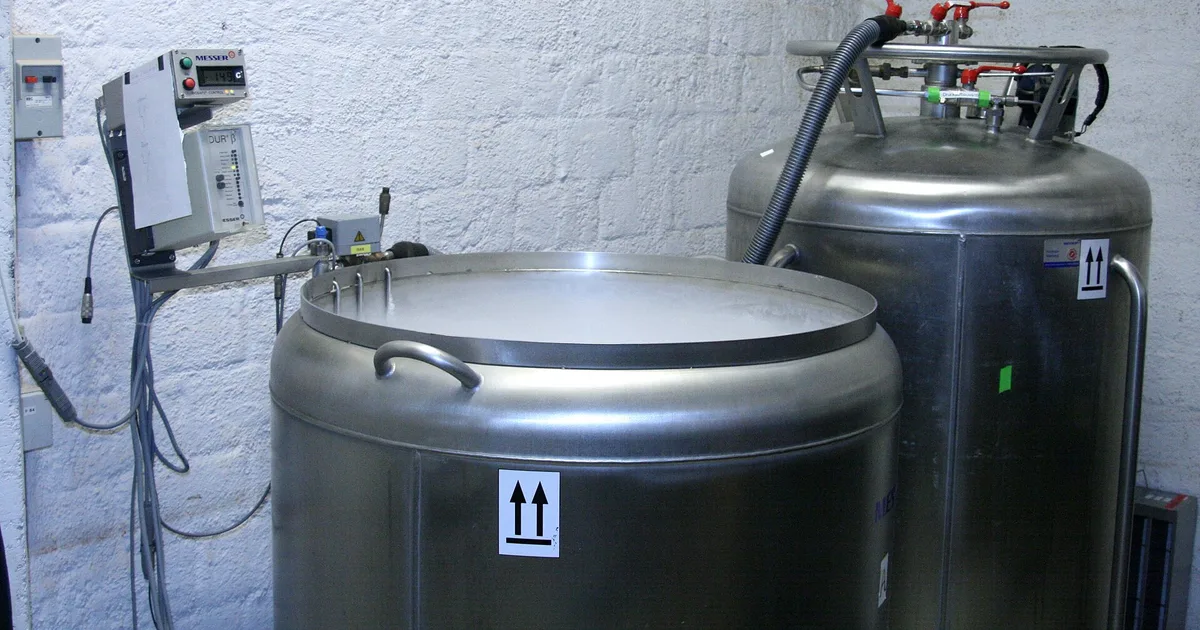
- IVF — stimulation, ultrasound-guided retrieval under anesthesia, laboratory fertilization and embryo transfer, with surplus embryos frozen in liquid nitrogen
- ICSI — one sperm injected into one mature egg; the center names male-factor infertility, prior failed conventional fertilization and frozen-egg cycles as typical uses
- IUI — washed motile sperm placed in the uterus, an in-office procedure used for unexplained infertility, mild male factor, ejaculatory problems, low cervical mucus and donor sperm
- PGT — PGT-A, PGT-M and PGT-SR on embryos, plus pre-conception carrier screening
- Frozen embryo transfer (FET) — vitrified embryos transferred after PGT waits, after a fresh cycle with surplus embryos, for OHSS or endometrial concerns, before cancer treatment, or into a gestational carrier
- Fertility preservation — egg, embryo and sperm freezing, plus ovarian tissue freezing, and the whole-ovary cryopreservation research line associated with the division chief
- Oncofertility — preservation planning for patients facing chemotherapy or radiation, published under Sylvester Comprehensive Cancer Center’s service list
- Donor programs — donor egg, donor sperm and embryo donation; gestational carrier cycles
- Male fertility — semen analysis, hormone and genetic testing (FSH, LH, testosterone, estradiol, prolactin, TSH, karyotype, Y-chromosome deletion, cystic fibrosis testing), sperm retrieval surgery, vasectomy reversal and varicocele evaluation
- Reproductive endocrinology and surgery — PCOS, thyroid disorders, ovulatory dysfunction, diminished ovarian reserve, premature ovarian failure, advanced maternal age, unexplained infertility, endometriosis, pelvic adhesions, tubal disease and blocked fallopian tubes, with micro and robotic surgery and single-incision laparoscopy listed as management options; acupuncture is listed on several condition pages as an add-on
- Hormone testing — AMH, estradiol, FSH and LH, antral follicle counting by transvaginal ultrasound, and additional workup such as karyotype, BRCA-1 and FMR1 screening and anti-ovarian antibodies for premature ovarian insufficiency
Fees & Packages
There is no published price list. Our sources record no cycle fee, no medication cost, no package price and no numeric discount for this center, and the clinic’s site carries only unquantified language such as “competitive pricing” and “cost-effective treatments.”
What the center does publish is how it bills:
- IVF cycles are not bundled. If pregnancy occurs in one cycle, you are charged for that cycle only.
- Discounted second and third IVF cycles if the first does not result in pregnancy; the center states there are no strings attached to who qualifies.
- No deadline on completing cycles and the ability to change providers at any time.
- Insurance is accepted, with coverage and limits verified case by case before treatment; the health system maintains a list of accepted plans.
- Financing through Lending Club Patient Solutions, described on the center’s financing page as low monthly payments, no money down and no payment for 6 weeks. Those are the lender’s promotional terms as quoted by the clinic, not a price.
- A Compassionate Care Program for fertility medication assistance.
- Financial consultation at the time of treatment planning — the center says options and their costs are presented together at consultation.
Ask, before starting: what a cycle fee includes, what monitoring, anesthesia, cryopreservation storage and PGT biopsy are billed as separately, and what the discount schedule looks like in writing.
Patient Journey
- Book a first visit, in person or virtual. Requests go through an online form, a callback, the patient portal or phone; the health system’s scheduling line is staffed weekdays 7:30 a.m. to 6:00 p.m. ET, and this center’s own number is on its pages. Our sources document no wait time to be seen.
- Evaluation. Health, lifestyle and sexual history for both partners; blood tests for hormones; imaging of the reproductive organs; semen analysis. For a male workup the center asks for two samples six weeks apart, tested within an hour of collection, and offers home-collection instructions where sampling in the office is culturally difficult.
- Plan and price, together. The center states it explains the options and what they cost before you decide, and that it does not do “cookie-cutter” treatment.
- Stimulation. One of several protocols, with monitoring visits every 2-3 days, each under 15 minutes.
- Retrieval. Ultrasound-guided, under anesthesia. Eggs are inseminated conventionally or by ICSI the same day, and fertilization is checked the following day.
- Culture and transfer. Embryos are observed in the incubator and transferred on day 3 or day 5 depending on the case; surplus good-quality embryos are frozen in liquid nitrogen. PGT, when used, means freezing embryos while results come back.
- After transfer. The center schedules a follow-up pregnancy test; our sources publish no test type and no interval, so confirm the timing when you book. Frozen embryo transfer itself is an office procedure done without anesthesia.
- Not published in our sources: days of stimulation, egg-to-transfer culture days beyond the day-3/day-5 choice, morning monitoring start times, weekend monitoring, and how long a start-date queue currently runs.
Local Legal Framework
Florida is the governing state; the clinic is in Doral, Florida. Our dossier of this center’s pages — 28 crawled pages — contains no statement of Florida assisted reproduction law at all: no statute numbers, no case citations, no parental-rights or contract language. What the clinic does state is practical rather than legal: it works with surrogacy agencies, psychologists and attorneys on gestational carrier cases, and its own gestational carrier page tells intended parents that depending on the state where delivery occurs “your name may be on the birth certificate, or you may need to adopt your child.” That is the single most consequential legal sentence on the site, and it is a reason to get independent Florida counsel before any cycle involving a carrier or a donor.
The profile carried on this listing marks egg donation, sperm donation, embryo donation and gestational carrier arrangements as legal in Florida with written agreements, and marks PGT as available. We can report those flags and the center’s own service list — donor egg, donor sperm, embryo donation, gestational carriers, and PGT-A / PGT-M / PGT-SR, including sex selection for family balancing, are offered here. We cannot verify Florida statute text within this source set, so this page deliberately does not repeat the statute numbers and court-approval mechanics that appear on the Chinese-language version of this profile. Our sources identify no Florida restriction on PGT beyond ordinary informed consent, and document no Florida statute settling the legal status of unused embryos; storage, donation and disposition are governed by the consent forms you sign.
Nothing above is legal advice. Confirm current Florida requirements with an attorney admitted in Florida before signing donor, carrier or embryo-disposition agreements.
Location
- UHealth at Jackson West (outpatient pavilion): 2801 NW 79th Ave Suite 2000, Doral, FL 33122 — Phone: (305) 243-8642
This is a clinic address, not a hospital campus: care is delivered in the Jackson West medical pavilion in Doral. The Miller School’s main Miami campus address appears in this unit’s records only as the address on the separate CDC reporting entry described in the About section, not as a treatment site of this center.