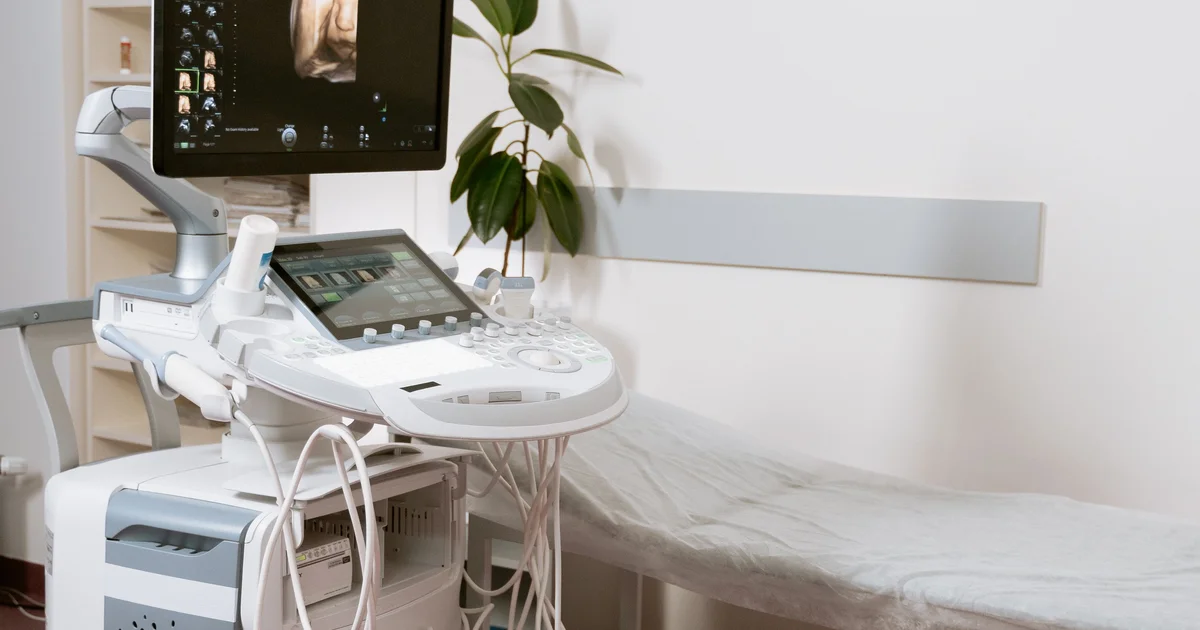
Thailand is one of the world’s leading IVF destinations, attracting over 20,000 international fertility patients a year with JCI-accredited hospitals and cycles costing 50–70% less than in Western countries — typically $3,500–$12,000 per cycle. Bangkok alone has more than 30 specialized fertility centers, many offering time-lapse embryo monitoring, preimplantation genetic testing (PGT-A), and blastocyst culture.
This guide compares Thai clinic costs and age-specific success rates, profiles the top centers in Bangkok and Phuket, and walks through how to choose and plan treatment. Browse IVF centers in Thailand to compare clinics side by side.
Data in this article is sourced from RTAC-accredited clinic annual reports, Thailand Medical Council registrations, published clinic price lists for 2026, and international patient surveys. All costs are in USD, converted at approximately 1 USD = 35 THB.
Why Choose Thailand for IVF Treatment?
Thailand offers distinct advantages for international IVF patients, with a mature medical tourism infrastructure developed over decades. Bumrungrad International Hospital became the first hospital in Asia to receive JCI accreditation in 2002, and today multiple fertility centers in Bangkok and Phuket hold JCI or RTAC (Reproductive Technology Accreditation Committee) certification, meeting the same international standards as leading clinics in Australia and the UK.
Treatment timelines are another major advantage. Unlike many Western countries where patients face 3–12 month waiting lists, most Thai clinics can begin treatment within 2–3 weeks of the initial consultation. This is especially valuable for women over 35, where every month of delay can affect success rates.
The legal environment is favorable for most standard treatments. Thailand’s Assisted Reproductive Technology Act (2015) regulates IVF practice and allows PGT for genetic screening. However, surrogacy is restricted to Thai nationals only, and sex selection for non-medical reasons is prohibited.
What Are IVF Success Rates in Thailand by Age?
Success rates at leading Thai fertility centers are comparable to top clinics in the US and UK. Based on data reported by RTAC-accredited clinics and published studies:
| Age Group | Clinical Pregnancy Rate (per transfer) | Live Birth Rate (per cycle) |
|---|---|---|
| Under 35 | 40–55% | 40–50% |
| 35–37 | 35–45% | 30–40% |
| 38–40 | 25–35% | 20–30% |
| Over 40 (own eggs) | 15–25% | 10–20% |
| Over 40 (donor eggs) | 60–75% | 50–65% |
These figures are consistent with data from the Society for Assisted Reproductive Technology, SART and the European Society of Human Reproduction and Embryology, ESHRE. Success rates vary significantly by individual factors including ovarian reserve (AMH levels), cause of infertility, and embryo quality. Leading clinics like SAFE Fertility Group report clinical pregnancy rates of 70–80% for patients under 35 using PGT-tested frozen embryo transfers.
How Much Does IVF Cost in Thailand?
The most significant advantage of choosing an IVF center in Thailand is cost savings. A single IVF cycle in Thailand typically costs 50–70% less than equivalent treatment in the United States, United Kingdom, or Australia.
Average IVF Costs in Bangkok in 2026
| Treatment Type | Price Range (USD) |
|---|---|
| Basic IVF Cycle | $3,500 – $5,500 |
| IVF with ICSI | $4,500 – $6,500 |
| IVF with PGT-A / PGS | $7,000 – $11,000 |
| Frozen Embryo Transfer (FET) | $1,500 – $3,000 |
| Egg Freezing | $2,500 – $4,000 |
| Donor Egg IVF | $8,000 – $12,000 |
| IVF with TESA/PESA | $5,000 – $7,500 |
What’s Included in the Package
Most Thai fertility centers offer comprehensive IVF packages that cover:
- Initial consultation and fertility assessment (blood work, ultrasound, AMH test)
- Ovarian stimulation medications (variable, typically $800–$1,500)
- Follicle monitoring appointments (4–6 visits)
- Egg retrieval procedure under sedation
- ICSI fertilization
- Embryo culture to blastocyst stage (5–6 days)
- Embryo transfer
- Embryo freezing and first year storage
Additional costs to budget for: flights ($800–$1,500 per person), accommodation in Bangkok ($40–$100 per night), travel insurance ($50–$100), and local transportation ($10–$20 per day). A typical 3-week stay for a complete IVF cycle costs approximately $1,500–$3,000 in travel-related expenses.
For a detailed breakdown of expenses across different regions, see our IVF Cost Guide 2026. Thailand’s cost advantage becomes even clearer when compared to US clinics reporting to SART and international standards referenced by ASRM.
Cost Comparison: Thailand vs Other Countries
| Country | Basic IVF | IVF with ICSI | IVF with PGT-A |
|---|---|---|---|
| Thailand | $3,500–$5,500 | $4,500–$6,500 | $7,000–$11,000 |
| United States | $12,000–$15,000 | $15,000–$18,000 | $20,000–$25,000 |
| United Kingdom | $6,500–$9,000 | $8,000–$11,000 | $12,000–$16,000 |
| Australia | $8,000–$12,000 | $10,000–$14,000 | $15,000–$20,000 |
Top IVF Centers in Thailand
Thailand’s fertility landscape centers primarily on Bangkok, with a growing presence in Phuket and Chiang Mai. Below are notable clinics with international accreditation and strong track records with foreign patients.
Bangkok
Bumrungrad International Hospital Fertility Center — One of Asia’s most recognized medical facilities, Bumrungrad treats over 1 million patients annually including a large international population, with a fertility center of 20+ specialists holding JCI accreditation.
CEF Bangkok (Central Embryology Facility) — An RTAC-accredited specialized fertility center known for consistent age-specific success rates and advanced genetic testing, reporting clinical pregnancy rates exceeding 40% even for patients over 41 — see the CEF Bangkok profile.
SAFE Fertility Group — Listed on the Stock Exchange of Thailand and one of the country’s largest fertility groups, with multiple Bangkok locations (Amarin, Ramindra, Khon Kaen, Sriracha). It reports 70%+ clinical pregnancy rates for patients under 35 using PGT-tested frozen transfers.
Prime Fertility Clinic — One of only six clinics worldwide to receive JCI’s Ambulatory Care Accreditation, it serves 4,000 patients annually with a 91% client recommendation rate and 79.2% embryo transfer success rate.
Deep & Harmonicare IVF Center (DHC) — A large-scale fertility center with JCI accreditation plus UK-NEQAS, CAP, and ISO9001 quality certifications, featuring three independent genetic testing laboratories and advanced IVF technologies — details on the DHC profile.
Phuket
Bangkok Hospital Phuket Fertility Center — Part of the Bangkok Hospital network, it offers JCI-accredited care in a beachside setting at slightly lower costs than Bangkok clinics, with accommodation at $30–$80 per night.
Clinic Comparison at a Glance
| Clinic | Accreditation | Annual Patients | Key Strengths | Best For |
|---|---|---|---|---|
| Bumrungrad Fertility Center | JCI | 1M+ (hospital-wide) | 20+ specialists, full hospital | Patients wanting a full-service hospital |
| CEF Bangkok | RTAC | IVF-focused | >40% pregnancy rate over 41 | Older patients or genetic screening needs |
| SAFE Fertility Group | RTAC | Multiple locations | Listed company, 70%+ PGT FET rate | First-time patients under 35 |
| Prime Fertility Clinic | JCI Ambulatory | 4,000/year | Only 6 JCI ambulatory clinics globally | Premium service seekers |
| DHC | JCI | Large-scale | 3 independent genetic labs | Complex genetic testing required |
| Bangkok Hospital Phuket | JCI | Beach location | Resort-style recovery environment | Patients preferring beachside recovery |
How Do You Choose the Right IVF Center in Thailand?
Selecting an IVF center abroad requires careful evaluation beyond cost alone. Accreditation, published data, and lab quality matter most:
Accreditation first. Look for JCI or RTAC certification. These indicate that the clinic meets rigorous international standards for patient safety, laboratory quality, and medical protocols. JCI accreditation is the gold standard for medical tourism facilities.
Ask for age-specific success rates. A reputable clinic will openly share live birth rates broken down by age group, not just a single headline number. Regulators publish standardized reporting frameworks so patients can compare clinics fairly:
“The traffic light system is designed to help you compare the success rates of fertility clinics. It shows how a clinic’s success rate compares with the expected rate, based on the ages of the patients who have treatment at that clinic.” — Human Fertilisation and Embryology Authority, HFEA, 2022
Evaluate the embryology lab. Advanced laboratory capabilities — time-lapse incubators, blastocyst culture rates, vitrification for freezing — directly impact success rates. Ask about the clinic’s blastocyst development rate and frozen embryo survival rate.
Consider logistics. Bangkok offers the widest clinic selection and most established fertility infrastructure. Phuket provides a more relaxed recovery environment at lower accommodation costs. If you need multiple monitoring appointments, proximity to your accommodation matters.
Read independent reviews. Look for patient experiences on platforms like FertilityIQ, Google Maps, and the patient reviews on each clinic’s listing page on this site, not just testimonials on the clinic’s own website. Pay attention to communication quality, coordinator responsiveness, and how the clinic handles complications. Our Thailand hospital listings include detailed information and user feedback for each clinic to facilitate side-by-side comparison.
Patient Experiences at Thai IVF Centers
The following patient stories are shared with consent. Names and identifying details have been changed to protect privacy.
Sarah, 38 — Successful IVF with PGT-A at a Bangkok Clinic
After two failed IVF cycles in Australia, Sarah, 38, had a healthy baby girl from one normal PGT-A-tested embryo in Bangkok — total cost about $12,000 including flights and a 3-week stay.
“After two failed IVF cycles in Australia, we decided to try Bangkok. The total cost including flights and a 3-week stay was around $12,000 — less than half of what we would have paid for another cycle at home. The clinic coordinator arranged everything: airport pickup, hotel near the clinic, and a Thai SIM card. The doctor recommended PGT-A testing because of my age, and we ended up with one normal embryo from five biopsied. ‘I was sure it wouldn’t work,’ Sarah recalls, ‘but the embryologist called on day 5 and said we had a good-quality blastocyst. I cried right there in the hotel room.’ That single embryo transfer resulted in a healthy baby girl.”
Mei-Ling, 42 — Donor Egg IVF in Bangkok After Multiple Failures
After four failed IVF cycles in Singapore with an AMH of 0.4, Mei-Ling, 42, gave birth at 43 following a $9,500 donor egg IVF package in Bangkok.
“I had four failed IVF cycles in Singapore using my own eggs. My AMH was 0.4, and the doctor in Bangkok recommended moving to donor eggs straight away. The donor egg IVF package cost $9,500, which included donor compensation, ICSI, and PGT-A. The hardest part was accepting that I needed an egg donor — I spent two weeks crying before the transfer. But the clinic’s counselor was very supportive. ‘They matched us with a 26-year-old donor who had already donated successfully twice before,’ says Mei-Ling. ‘I remember the doctor saying the embryo looked ‘beautiful’ during transfer, and I thought — I’ve never heard that word about any of my own embryos.’ The transfer worked, and I gave birth at 43.”
James and Priya, 35 — IVF with ICSI for Male Factor Infertility
James and Priya, 35, had ICSI with TESA at a Bangkok clinic for $5,500 including all medications after a UK urologist said donor sperm or surgery were their only options; two embryos are now frozen with transfer planned later this year.
“My sperm count was extremely low — less than 1 million per milliliter. A urologist in the UK told us our only option was donor sperm or TESA surgery. At a Bangkok clinic, the doctor recommended ICSI with TESA, which cost $5,500 including all medications. ‘The whole process felt less stressful than the NHS,’ James says. ‘We had a dedicated coordinator who spoke perfect English and handled all the scheduling. We flew in on a Saturday, had the TESA procedure on Monday, and the egg retrieval on Wednesday.’ Priya continues: ‘The monitoring appointments were quick — 20 minutes each, no waiting. I was nervous about the language barrier, but every single nurse spoke English well enough to explain what was happening.’ They had two embryos frozen and are planning the transfer later this year.”
FAQ
Q: How do I choose a reputable IVF center in Thailand?
Start by verifying JCI or RTAC accreditation. Then request age-specific success rates published by the clinic — at top Bangkok centers, women under 35 see live birth rates of 40–50% per cycle.
A reliable center will provide this data transparently. Look for clinics that are members of international organizations like ESHRE or ASRM, and read independent patient reviews on third-party platforms.
Q: Can I combine IVF treatment with a holiday in Thailand?
Yes, many patients do. Bangkok offers world-class shopping, dining, and cultural attractions within easy reach of medical areas like Sukhumvit and Wireless Road.
Phuket clinics cater to patients who prefer a beachside recovery. However, after embryo transfer, most doctors recommend avoiding strenuous activities, long flights, and excessive heat for the first 48–72 hours.
Q: Is the language barrier a problem at Thai IVF centers?
Not at major fertility centers. Leading clinics employ English-speaking doctors, many trained in the US, UK, or Australia, and monitoring appointments typically take about 20 minutes each.
Dedicated international patient coordinators handle all communications, from initial consultation scheduling to post-treatment follow-up. Some clinics also have translators for Chinese, Arabic, and Russian speakers, and most publish medication schedules bilingually.
Q: What documents do I need for IVF treatment in Thailand?
International patients need a valid passport and marriage certificate (translated into English if not already). Thailand’s Assisted Reproductive Technology Act (2015) requires legally married couples for IVF treatment.
Single women and same-sex couples cannot access IVF in Thailand. Some clinics may also request medical records, previous fertility test results, and a letter from your home doctor.
Q: How long do I need to stay in Thailand for IVF?
A standard fresh IVF cycle requires approximately 2–3 weeks in Thailand: 10–14 days of ovarian stimulation with monitoring appointments every 2–3 days, followed by egg retrieval (1 day), and embryo transfer 5–6 days later. For frozen embryo transfers, the stay is shorter — typically 7–10 days.
You can return home before the pregnancy test if you prefer.
Q: Are Thai IVF success rates as good as in the US or UK?
Yes. Leading JCI and RTAC-accredited clinics in Thailand report success rates comparable to SART-member clinics in the US and HFEA-regulated clinics in the UK.
For women under 35, live birth rates per cycle range from 40–50% at top Bangkok centers. The key is choosing a clinic that publishes age-stratified data and has strong blastocyst culture and vitrification protocols.
Q: What if something goes wrong during treatment?
Reputable clinics have protocols for medical complications like ovarian hyperstimulation syndrome (OHSS) and are equipped to handle emergencies. Thailand has JCI-accredited hospitals throughout Bangkok that can manage any serious complications.
Most clinics provide 24/7 contact numbers for patients. Travel insurance covering fertility treatment complications is strongly recommended.
Planning Your IVF Journey to Thailand
The first step is choosing the right clinic for your specific needs. Review the fertility centers listed on ProIVF, compare their success rates and package inclusions, and schedule an initial online consultation — most Thai clinics offer free video consultations.
For a comparison of treatment between Thailand and the US, read our IVF USA vs Thailand comparison guide.
Once you’ve selected a clinic, they will guide you through the pre-travel preparation: required medical tests, medication prescriptions to start before departure, and a treatment calendar. Plan to arrive in Bangkok at least 2–3 days before your scheduled monitoring start date. Many clinics offer airport pickup assistance and can recommend nearby serviced apartments with kitchenettes — useful if you’re on a special diet during stimulation.
Budget for the full cycle including medications, travel, accommodation, and at least one follow-up visit. Thailand’s lower costs mean even with travel expenses, most international patients save 40–60% compared to treatment in their home country. Ready to start? Contact ProIVF for personalized assistance in choosing the right IVF center in Thailand for your needs.
Last updated: 2026-07-21. This article was written by the ProIVF Medical Editorial Team based on RTAC-accredited clinic annual reports, Thailand Medical Council registrations, published clinic price lists for 2026, and international patient surveys, and reviewed by the ProIVF Medical Advisory Board. This article is for informational purposes only and does not constitute medical advice. Fertility treatment outcomes vary by individual circumstances. Prices quoted are estimates based on 2026 published data from multiple clinics and may change. ProIVF recommends verifying all pricing and treatment protocols directly with your chosen clinic before making decisions. Always consult a licensed fertility specialist for personalized medical advice.