Egg retrieval is the only invasive procedure in a standard IVF cycle, so preparation, anesthesia, and recovery are worth understanding.
This article synthesizes ASRM 2024 guidance, the CDC 2022 ART report, and ESHRE and Cochrane reviews into the key decision and management nodes of the cycle.
Content creation note: Researched and written by our medical editorial team; AI-assisted tools helped organize the literature and draft, and every section was reviewed by the ProIVF Medical Advisory Board.
Anesthesiologist’s Perspective: “Most patients fear pain above all. Under proper IV sedation, over 95% have zero memory of any discomfort — what we take far more seriously is the pre-procedure fasting protocol, the number one safety rule.” — Anesthesiologist, ProIVF Medical Advisory Board clinical review panel, 2026
The Medical Logic Behind Egg Retrieval
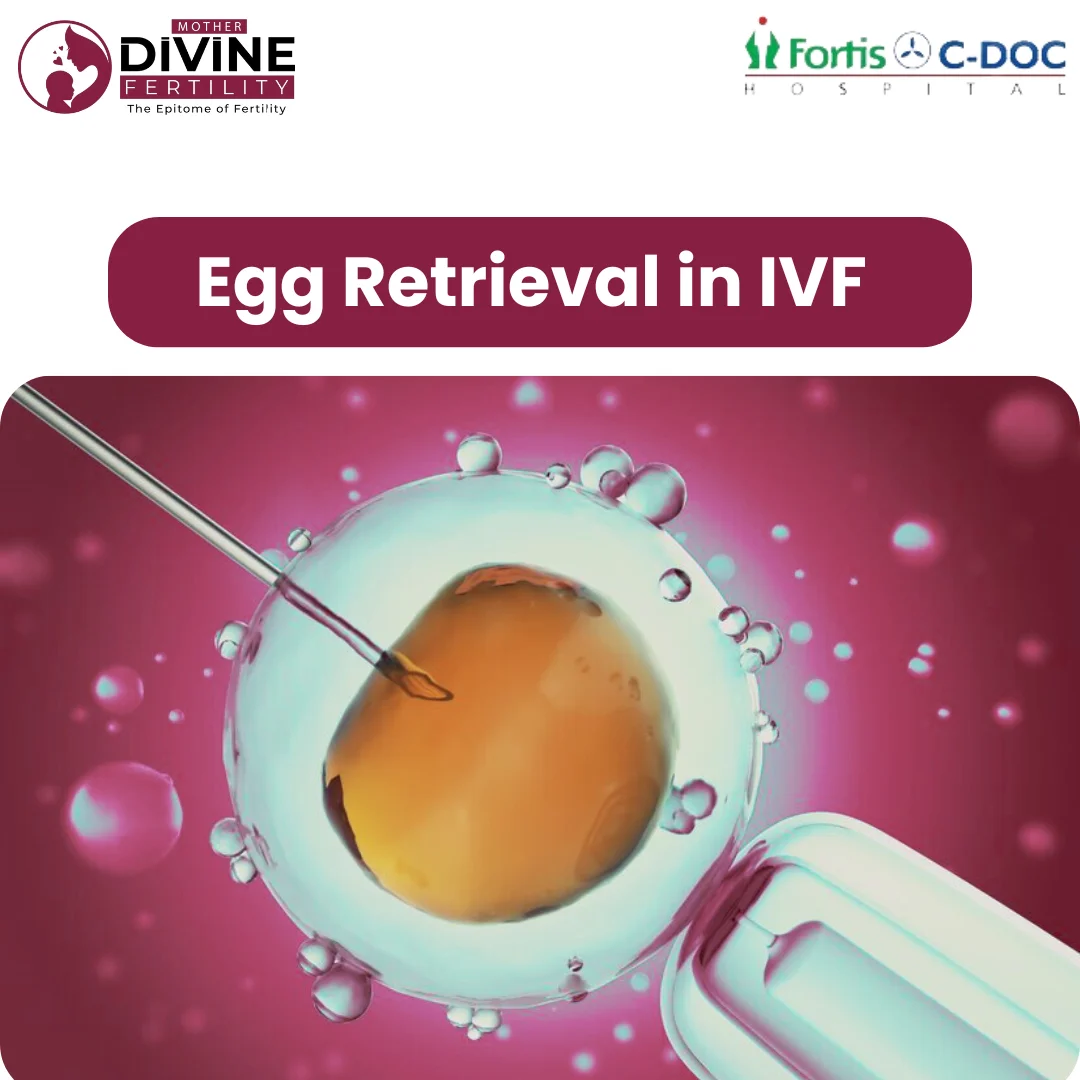
Egg retrieval (oocyte retrieval) is a transvaginal ultrasound-guided procedure in which a fine aspiration needle (about 1.2–1.8 mm in diameter) passes through the vaginal fornix into each mature follicle and aspirates the follicular fluid — egg included. This is collection, not tissue removal, with impact comparable to a routine blood draw.
Egg yield falls with age — averages of 12–16 under 35, 7–10 at 38–40, and 4–7 over 42 (CDC 2022) — but what decides the cycle is quality, not count: the share of MII (metaphase II) mature oocytes. A cycle yielding 6–8 eggs at 80%+ maturity can outperform one yielding 15 at 50%. Timeline context: our complete IVF procedure guide.
Embryologist’s Perspective: “We assess cumulus expansion, cytoplasmic granularity, and polar body morphology of every oocyte — those details predict performance. The gentler the aspiration and the more precise the vacuum, the better the embryo development.”
Pre-Operative Preparation: The Retrieval Day Countdown
Success does not begin in the procedure room — the 24–72 hours beforehand matter just as much.
72–48 Hours Before: Trigger Injection
The trigger shot starts final oocyte maturation; retrieval follows 34–36 hours later.
| Trigger type | Best for |
|---|---|
| hCG (5,000–10,000 IU) | Standard cycles, low OHSS risk |
| GnRH agonist | PGT cycles, high OHSS risk, freeze-all |
| Dual trigger (hCG + GnRH agonist) | Suboptimal development, prior low yield |
Action items: log exact trigger and retrieval times; stop bleeding-risk supplements (vitamin E, fish oil, ginkgo); complete coagulation blood work; arrange a driver — never drive yourself.
The Final 24 Hours and Procedure Morning
- 24 hours before: re-confirm arrival, complete the anesthesia pre-assessment, disclose drug allergies; pack an essentials bag (ID, loose clothing, post-op snacks, sanitary pads)
- 6–8 hours before: stop solid food; 2 hours before: stop clear liquids; remove jewelry and contact lenses — strict fasting is anesthesia safety, non-negotiable
- On the day: register, sign consents, empty your bladder, IV line.
Three Anesthesia Options: An Evidence-Based Comparison
The choice shapes your procedure experience and recovery speed; this comparison follows ASRM 2024 anesthesia guidance.
| Option | How it works | Pros | Cons | Cost reference |
|---|---|---|---|---|
| IV sedation (default) | IV propofol + fentanyl; light sleep | >95% no pain recall, discharge in 30–60 min, work next day | A few feel tugging | China ¥2,000–¥5,000 / US $500–$1,500 |
| General anesthesia | Fully unconscious, ventilator support | Absolutely pain-free, complete immobility | Recovery 2–4 hours, nausea, higher cost | China ¥5,000–¥10,000 / US $1,500–$3,000 |
| Local + analgesia | Lidocaine at the puncture site + pain relief | Minimal fasting, lowest cost | Puncture sensation remains; movement adds risk | China ¥500–¥2,000 / US $200–$800 |
Roughly 85%+ of centers worldwide default to IV sedation; general anesthesia persists mainly in high-end Thai centers, and local + analgesia in parts of Asia and Eastern Europe. Flag sleep apnea, prior anesthesia nausea, and BMI to your anesthesiologist.
Anesthesia Safety Rule: no solid food for 6–8 hours and no clear liquids for 2 hours before the procedure is the absolute baseline under any method — violating it risks aspiration, egg retrieval’s most serious safety event. If fasting means delaying the cycle, delay.
The Egg Retrieval Procedure Step by Step
The procedure takes 15–30 minutes in a dedicated room.
Positioning, Scan and Aspiration — 8–20 minutes
You are placed in the lithotomy position, the vaginal area is disinfected and rinsed with saline, and the doctor scans both ovaries — follicles of 14–22 mm most likely contain mature eggs; under 10 mm, usually not. On suction set at 120–150 mmHg, the needle passes through the vaginal fornix into each follicle in turn while an embryologist checks the drawn fluid under the microscope in real time; multiple follicles on one ovary are reached through a single puncture.
Eggs retrieved ≠ follicles counted: about 5–15% of follicles are empty and some recovered eggs are immature — average follicle-to-egg conversion is 70–85% (ASRM 2024).
Hemostasis and Lab Processing
Most puncture sites stop under 1–2 minutes of gauze pressure. In parallel, the lab finds each oocyte, grades it, incubates it, and denudes cumulus cells before insemination or ICSI to confirm MII maturity.
Follicle Size and Egg Yield Prediction
Follicle diameter is the most direct predictor of egg maturity and retrieval success:
| Follicle diameter | Chance of egg | MII rate | Clinical significance |
|---|---|---|---|
| 10–13 mm | 30–50% | 20–40% | Mostly immature; IVM potential only |
| 14–15 mm | 50–70% | 40–60% | Some mature; not preferred |
| 16–17 mm | 65–80% | 60–75% | Acceptable |
| 18–20 mm | 80–90% | 70–85% | Ideal range |
| 21–22 mm | 75–85% | 65–80% | Good; some post-mature |
| 23 mm+ | 50–70% | 40–65% | Over-maturity risk |
Trigger when at least 3 follicles reach ≥18 mm, then retrieve 34–36 hours later: too early risks immature eggs, too late (>23 mm) risks post-maturity. With PCOS, timing balances yield against OHSS risk; see our IVF stimulation protocols guide.
Post-Retrieval Recovery Timeline — Hour by Hour
First Hours: Recovery Room to Discharge
- 0–1 hour: you wake under monitoring; expect drowsiness, dizziness, and period-like cramping. Light bleeding is normal; no food, drink, or getting up until sedation wears off
- 1–2 hours: assist the first trip out of bed; small sips of water and light food can begin. You must urinate within 2–4 hours
- 2–4 hours: discharge requires stable vitals, controlled pain, no active bleeding, successful voiding, and your companion present; driving and signing legal documents are prohibited for 24 hours
First 48 Hours at Home
- Rest, but not strict bed rest — light indoor walking lowers clot risk
- Follow the pain strategy below; some doctors prefer acetaminophen alone for 24 hours
- High protein plus high fiber eases bloating and prevents constipation pressure
Week One: Gradual Return
- Most patients resume light work from post-op day 2 (about 70–80%); physical labor follows one week later once OHSS risk is cleared
- Light walking starts day 1 and gentle yoga at days 5–7; high-intensity training waits 2 weeks, and intercourse, swimming, tub baths, and douching wait until after your next period
Key Monitoring Parameters
Below 37.5°C is normal, 37.5–38.4°C warrants vigilance, and above 38.5°C needs urgent care. Urine under 400 ml/day (normal: over 800), weight gain above 2 kg per day, heavier-than-period bleeding, or severe progressive pain mean calling the clinic immediately.
Complete Guide to Retrieval Precautions
Diet and Supplement Management
Protein is the workhorse: high-protein intake eases mild OHSS, cutting ascites formation by roughly 25–30%.
| Time | Recommended | Avoid |
|---|---|---|
| 7 days before | High-protein diet, folic acid | Bleeding-risk supplements |
| 12 hours before | Dinner finished 6+ hours before | Solid food within 6 hours |
| 0–24 hours after | Congee, steamed egg, electrolyte drinks | Gas-producing, carbonated foods |
| 24–72 hours after | Chicken, fish, tofu, vegetables, whole grains | Alcohol |
| After 1 week | Balanced Mediterranean pattern | — |
Pain Management Strategy
| Pain level | Recommended approach |
|---|---|
| Mild (VAS 1–3) | Warm compress, rest, deep breathing |
| Moderate (VAS 4–6) | Acetaminophen 500–1,000 mg every 4–6 h, or ibuprofen 400–600 mg every 6–8 h |
| Severe (VAS 7–10) | Contact the hospital immediately — rule out OHSS, torsion, bleeding |
Egg Count and IVF Outcome Correlation
Based on SART 2023 data:
| Eggs retrieved | Live birth, under 35 | Live birth, 38–40 |
|---|---|---|
| 1–3 | 25–35% | 15–20% |
| 4–6 | 35–45% | 20–30% |
| 7–10 | 45–55% | 30–40% |
| 11–15 | 50–60% | 35–45% |
| 16+ | 55–65% | 35–45% |
Core rule: beyond 15 eggs, focus shifts to OHSS prevention — freeze-all with a deferred transfer cuts OHSS hospitalization by roughly 60–80%.
Complication Recognition and Graded Management
OHSS — Ovarian Hyperstimulation Syndrome
The complication most worth watching for, moderate-to-severe in about 1–3% of cycles.
| Grade | Symptoms | Management |
|---|---|---|
| Mild | Bloating, mild pain, weight gain under 2 kg | Observation, high-protein diet, urine tracking |
| Moderate | Marked bloating, vomiting, weight gain 2–5 kg, small ascites | Outpatient follow-up, fluid replacement |
| Severe | Breathing difficulty, oliguria, weight gain over 5 kg, large ascites | Hospitalization — IV fluids, albumin, paracentesis |
Prevention beats treatment: high-protein diet (over 1.5 g per kg daily), daily weight and urine tracking, no strenuous exercise; GnRH agonist trigger plus freeze-all is the most effective high-risk strategy.
Other Complications
| Complication | Rate | Symptoms | Management |
|---|---|---|---|
| Vaginal bleeding | 5–10% minor / <0.5% needing intervention | Spotting or active bleeding | Gauze pressure; suturing if heavy |
| Intra-abdominal bleeding | <0.1% | Severe pain, falling blood pressure | Emergency laparoscopy |
| Pelvic infection | <0.3% | Fever plus pain 3–7 days post-op | Antibiotics; drainage |
| Ovarian torsion | <0.1% | Sudden severe pain, vomiting | Emergency detorsion |
| Bladder/ureter injury | <0.05% | Blood in urine, flank pain | Urology consultation |
| Anesthesia complications | <0.1% serious | Nausea/vomiting; aspiration rare | Symptomatic management |
Key Decision Nodes in Egg Retrieval
Decision 1: Trigger Medication — hCG or GnRH Agonist?
Prefer a GnRH agonist for high OHSS risk, PGT, and freeze-all plans; hCG suits low-risk cycles and costs less; a dual trigger covers poor development or prior low yield.
Decision 2: Anesthesia — IV Sedation or General?
IV sedation suits most patients; general anesthesia only wins for deeply positioned follicles, abnormal ovarian position, or extreme anxiety.
Decision 3: Fresh Transfer or Freeze-All After Retrieval?
Freeze all if peak E2 reaches 3,000 pg/mL or higher, 15+ eggs were retrieved, OHSS symptoms appear, the endometrium is under 7 mm, or PGT is planned; for timing, see how many days after egg retrieval embryo transfer happens.
Decision 4: ICSI or Conventional IVF?
Conventional IVF suits normal semen; ICSI is indicated for male factor, prior low fertilization, frozen sperm, and PGT — about 70% of US cycles already use ICSI (SART 2023).
Decision 5: Too Few Transferable Embryos — What Next?
Under 3 eggs with MII below 50% calls for protocol re-evaluation; two consecutive cycles under 4 eggs each warrant AMH/FSH/LH reassessment and mild or natural-cycle protocols. Zero eggs (empty follicle syndrome, about 0.5–1%) may reflect LHCGR gene variants.
Decision 6: Should a High-OHSS Cycle Be Canceled?
Consider canceling when E2 exceeds 5,000 pg/mL, more than 20 eggs were retrieved, or large ascites appears — freeze-all matches fresh transfer in cumulative live birth (Cochrane 2023), so canceling is not failure.
Egg Retrieval Costs Across Major IVF Destinations
| Country/Region | Retrieval (with anesthesia) | Full IVF cycle | Notes |
|---|---|---|---|
| United States | $3,000–$8,000 | $12,000–$25,000 | Insurance-dependent |
| Thailand | $1,500–$3,000 | $8,000–$15,000 | IV sedation standard |
| Japan | $2,000–$4,000 | $5,000–$12,000 | More general anesthesia |
| China | ¥3,000–¥10,000 (about $400–$1,400) | ¥30,000–¥80,000 | IV sedation standard |
| Spain | €1,500–€3,000 | €5,000–€10,000 | IV sedation standard |
| Greece | €1,200–€2,500 | €4,000–€8,000 | GA sometimes available |
| Mexico | $1,000–$2,500 | $6,000–$10,000 | Local + analgesia at some centers |
| India | $500–$1,500 | $3,000–$6,000 | Local anesthesia still seen |
| Ukraine | €500–€1,500 | €3,000–€6,000 | Local + analgesia common |
Figures cover retrieval + anesthesia + lab assessment; medications, PGT, freezing, and transfer are billed separately (2024–2025 reference prices).
FAQ
Q: Does egg retrieval damage ovarian reserve?
No — each cycle’s cohort of 10–20 developing follicles would otherwise be naturally reabsorbed. A 2023 JAMA 10-year cohort of 12,843 women found no link between retrieval and premature ovarian insufficiency or earlier menopause.
Q: Are more follicles always better?
Not exactly — egg count and live birth follow an inverted U: 6–15 eggs is the ideal zone (SART 2023), beyond 20 OHSS risk rises, and under 5 eggs live birth still runs 20–35% by age; maturity above 75% matters more than count (Human Reproduction 2024).
Q: When does my first period arrive after retrieval?
Usually 10–16 days later, depending on luteal support; if none has arrived by day 21, contact your doctor.
Q: What is empty follicle syndrome?
In about 0.5–1% of cycles (Fertility and Sterility 2023), normal-sized follicles yield no eggs; switching to a dual hCG + GnRH agonist trigger succeeds in about 70% of cases next cycle.
Q: How long until the ovaries return to normal size?
Enlarged to 2–3× normal, ovaries shrink over 1–2 weeks and normalize after one cycle — avoid strenuous exercise to prevent rare (<0.1%) but emergent torsion.
Q: Can I fly after egg retrieval?
Short 1–2 hour flights are usually safe from 2–3 days post-retrieval; postpone 4+ hours to one week, and after moderate-to-severe OHSS get written medical clearance.
Four Patients’ Egg Retrieval Experiences
These cases are anonymized composites of real clinical scenarios.
Case 1 — Age 28, PCOS, 22 Eggs, Freeze-All
Amanda, 28, from Melbourne, has PCOS (AMH 6.8 ng/mL, 30+ follicles, E2 4,200 pg/mL on retrieval day); with 22 eggs retrieved and E2 above 3,000, her doctor chose a GnRH agonist trigger plus freeze-all — 8 blastocysts from 12 mature eggs frozen.
“Three days after retrieval my belly looked three months pregnant — mild OHSS, cleared by day 5 with protein and rest. Two months later, that 4AB embryo is sleeping next to me.” Cost: $16,000 for the cycle, including $2,000 for freezing.
Case 2 — Age 41, AMH 0.8, 4 Eggs, All Usable
Ms. Wang, 41, from Guangzhou, had an AMH of 0.8 ng/mL on mild stimulation; only 5 follicles showed on retrieval-day ultrasound.
“We retrieved 4 eggs, all mature — 3 fertilized normally, and by day 5 we had 2 blastocysts.” Mild stimulation cut single-cycle cost by about 40%; she transferred a 3BB blastocyst and achieved pregnancy. Cost: roughly ¥40,000.
Case 3 — Age 35, Second Retrieval After a Top-Grade Transfer Failed
Ms. Chen, 35, from Taipei, retrieved 14 eggs in her first cycle: 9 MII, 7 fertilized via ICSI, 3 blastocysts (4AB, 4BB, 3BC) — yet the 4AB transfer did not implant.
An ERA and sperm DFI test revealed a shifted implantation window (5 days of progesterone instead of the standard 3) and DFI at 28%; a tuned second cycle retrieved 12 eggs, made 4 blastocysts, and a 4BB transfer succeeded. Cost: $12,000; ERA $1,500.
Case 4 — Age 39, Four Days Hospitalized for Moderate OHSS
Sarah, 39, from Los Angeles (AMH 3.2, 18 eggs, peak E2 4,800 pg/mL) planned a fresh transfer until day 2 brought severe bloating and breathlessness.
“I could barely lie flat within 24 hours — the ultrasound showed moderate-to-large ascites; I stayed in the hospital for 4 days.” Freeze-all followed, and the transfer six weeks later succeeded. Total cost: $22,000, mostly covered by insurance. Lesson: E2 above 3,500 pg/mL plus 15+ eggs means freeze-all by default.
How to Prepare for Egg Retrieval
Before the Cycle
- Confirm baseline AMH, FSH, and antral follicle count, then agree on protocol and trigger strategy
- Verify the clinic performs 500+ retrievals per year — a safety benchmark — and how retrieval, anesthesia, and lab fees are bundled
During and After the Cycle
- Take medications as prescribed, attend every monitoring ultrasound, and confirm the retrieval time before the trigger
- Log eggs retrieved, MII count, pain scores, and daily weight; report OHSS symptoms early; allow one menstrual cycle between retrievals
- No hard cap on total retrievals exists — records include 10+ cycles — but reassess after every 3–4 without a transferable embryo; consider a protocol change or donor eggs
What Should I Ask the Clinic Before Retrieval?
- What is my trigger plan, retrieval time, and anesthesia type?
- What is the OHSS prevention plan if risk runs high?
- How many days of rest — light work 1–2 days, heavy work 1 week?
- Will I get egg count and MII data within 1–3 hours on retrieval day?
- What is the 24-hour emergency contact?
Related: egg retrieval procedure guide, IVF process step by step, OHSS prevention guide. Compare clinics in the hospital directory or contact our team.
Content Authorship
This article was written by Dr. Xinyi Chen (ProIVF Medical Editor) and reviewed by the ProIVF Medical Advisory Board (Chair: Prof. Jiajun Wang, MD, PhD), based on ASRM, CDC, SART, ESHRE, and Cochrane sources.
Learn more on our Editorial Team page.
Sources
- CDC — ART Surveillance Data, 2022
- ASRM — Egg Retrieval and Anesthesia Guidelines, 2024
- SART — National Summary Report, 2023
- ESHRE — IVF Complication Prevention Guidelines, 2023
- Cochrane — Freeze-all strategy and IVF outcomes, 2023
- ASRM — OHSS Prevention and Management Guidelines
- SART 2023 — egg count and live birth correlation
- JAMA 2023 — retrieval and ovarian function cohort
- IVF Worldwide 2024 — global cost survey
- Human Reproduction Update 2024 — sedation vs general anesthesia meta-analysis
- ASRM 2024 — hCG vs GnRH agonist trigger selection
- Fertility and Sterility 2023 — dual trigger in low-yield patients
Last updated: July 26, 2026. Informational only, not medical advice; outcomes vary with individual history, age, and ovarian response — consult a qualified reproductive specialist.