Trying to Conceive
Fertility preparation, ovulation tracking, and wellness tips to boost your chances.
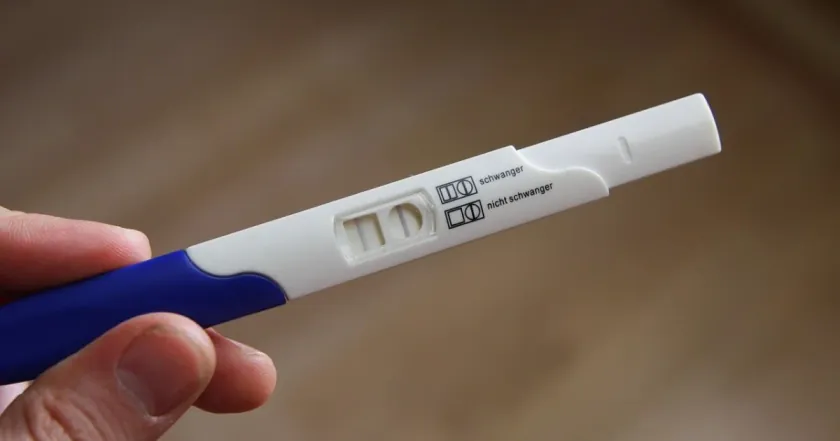
At-Home Fertility Tests: How Much Can You Actually Trust Them? (2026)
Home sperm tests correctly classify about 96% of samples — but they read concentration, not motility. Ovulation predictor kits are the only home tool with randomized-trial evidence of raising live birth (about 16% to 16–28%). An abnormal self-test is a prompt to see a clinic, never a diagnosis.

Chemical Pregnancy: Is It a Good Sign for Fertility?
A chemical pregnancy is an early loss detected only by hCG. Here is what the numbers say about fertility afterwards, rates after IVF, and next steps.

When to Announce an IVF Pregnancy: A Decision Guide by Stage and Risk
No rule sets when to announce an IVF pregnancy. Here is what the miscarriage numbers say at each stage, plus scripts for family, work and social media.
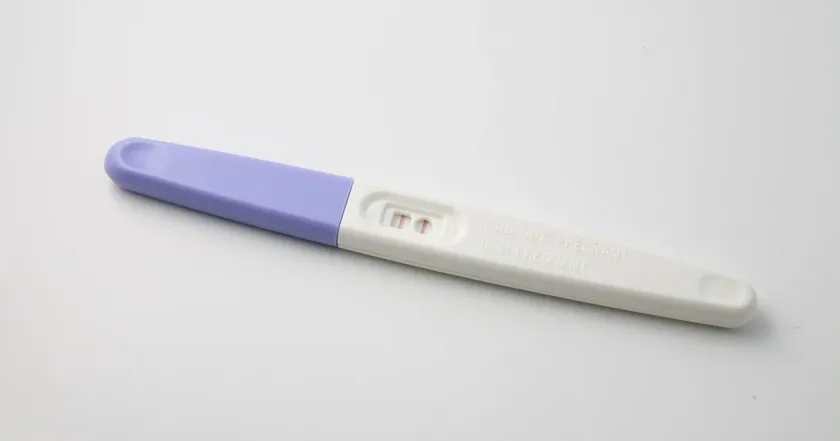
Pregnant Naturally After IVF: How Often It Happens and What Raises Your Odds
Spontaneous pregnancy after IVF happens in 2-25% of couples depending on age, diagnosis and timing. Here is what the cohort data show and when to stop waiting.

Can a Man Be Infertile? Yes — How It Happens, How It's Tested, and What Can Be Fixed
Yes. Male factors alone cause 20–30% of infertile couples and contribute to about half. There are usually no symptoms, so only a semen analysis can tell.

Fertility Treatment for Women Over 40: What Works, in Order
After 40, treatment order matters more than intensity. Live birth is 15-20% per cycle at 40 and under 10% past 42. What IUI, IVF, PGT-A and donor eggs deliver.
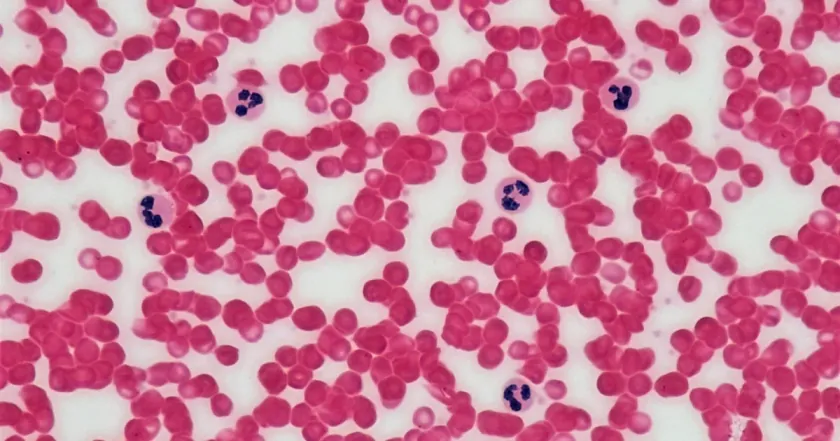
White Blood Cells in Semen: What the 1 Million per mL Threshold Means
White blood cells in semen are abnormal at 1.0 million peroxidase-positive cells per mL (WHO 2021). Round cells are a different measure, with no WHO limit.
How to Read a Semen Analysis: What Each Number Means and What to Do Next
WHO 6th-edition limits, why one abnormal report is not a diagnosis, the order to read your semen analysis numbers, and what each finding means for IUI or IVF.
Can Pre Sperm Get You Pregnant? What the Sperm Studies Actually Show
Can pre sperm (precum) get you pregnant? Lab studies found sperm in 41% of men and 12.9% of pre-ejaculate samples. What those numbers mean for withdrawal, pregnancy risk, IUI and IVF.

IVF Nutrition and Mental Health: How to Prioritize Emotional Load, Diet Changes, and Cycle Timing
About 1 in 5 IVF couples screen positive for anxiety or depression, yet Swedish registry live-birth AOR is 0.83 — and SSRI-only users show no difference.
Infertility vs. Sterility: What the Two Words Actually Mean for You
Infertility means no pregnancy after 12 months of trying; sterility means a live birth is impossible without donation. What the data says about both.

PCOS and Fertility: Can You Get Pregnant, Which Treatment Works First, and When to Move to IVF
PCOS causes about 50% of anovulatory infertility; letrozole reaches 27.5% live birth vs 19.1% with clomiphene, and most patients never need IVF.

How to Collect a Sperm Sample: Abstinence, Transport and the Mistakes That Ruin a Result
How to give a sperm sample: abstinence days, clinic or home, the container, transport time, lubricants, and the errors that ruin a result.
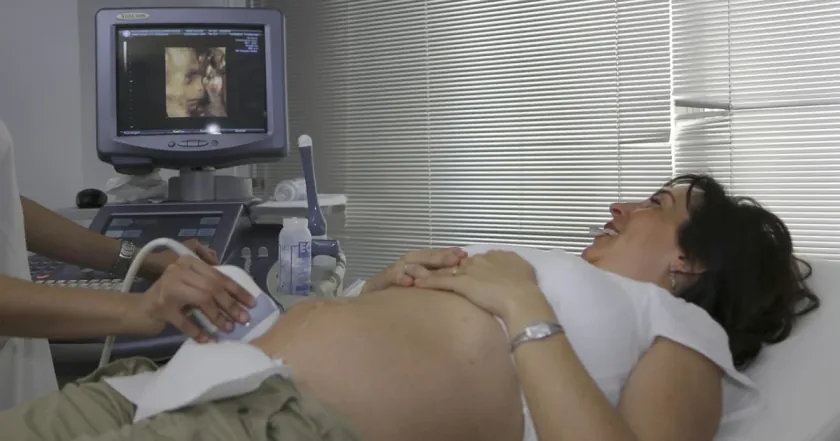
hCG Levels in Ectopic Pregnancy: Typical Ranges, Rise Patterns, and When to Seek Emergency Care
hCG in ectopic pregnancy: median rise is just 25% per 2 days and 40% start by falling; the discriminatory zone is 1,500-3,500 mIU/mL.

Cervical Mucus and Fertility: What Egg-White Discharge Actually Tells You
What cervical mucus can and cannot tell you about your fertile window, with cycle-level data, why clomiphene dries it up, and whether a hostile cervix is real.
Does Abortion Affect Fertility? What the Evidence Actually Shows (2026)
A Finnish register of 88,522 abortions found no link to later IVF use; the one real fertility risk is adhesions after surgical evacuation of retained tissue.

Causes of Infertility in Women: Which Diagnosis Is Which, and How Each One Is Confirmed
Ovulatory disorders lead the identifiable causes, but male factor is present in 40-50% of couples. The causes, the test that confirms each, and treatment.
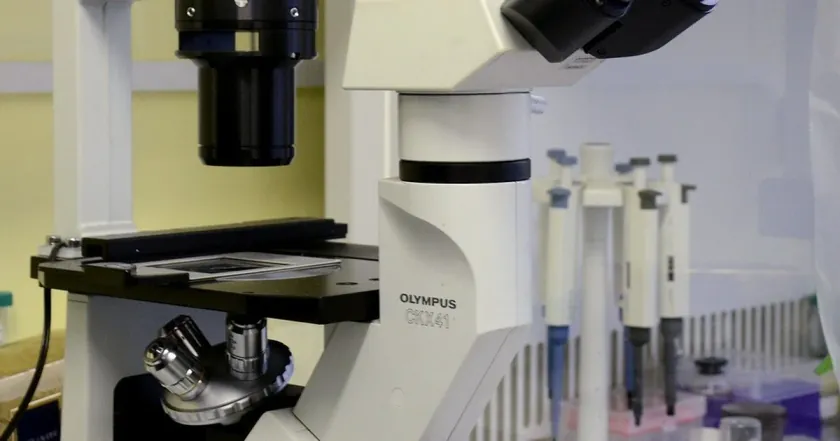
Low Sperm Motility: WHO 2021 Cut-offs, Natural Conception Odds, and What Actually Helps
Low sperm motility means under 42% of sperm move or under 30% swim forward (WHO 2021). What those cut-offs mean for natural conception, IUI, ICSI and treatment.
Showing 1-17 of 52
Ready to start your fertility journey?
Get a personalized plan from our medical advisors