IVF Education
Learn IVF fundamentals to advanced technologies. A comprehensive knowledge base.

Can Infertility Be Cured? What Reverses, What Is Managed, and What Does Not Come Back (2026)
Around 85% of infertile couples have an identifiable cause, but only part of it can be reversed. Evidence on what reverses, cause by cause, and what never does.

Fertility Counseling and Therapy: What the Evidence Shows, Who It Helps, and How to Find a Therapist (2026)
Anxiety affects 13.3% and depression 22.9% of women in fertility care, yet 79.8% are never told where to find help. What counselling changes.

Provera (Medroxyprogesterone Acetate) in IVF: What It Does, PPOS Dosing and 5 Myths (2026)
Provera blocks a premature LH surge; it is not luteal support. In a 300-woman trial, 4 and 10 mg daily gave similar outcomes, with no LH surge or OHSS.
Sperm DNA Fragmentation (DFI): What Counts as High, What It Predicts, and Why Guidelines Disagree (2026)
A 20% cut-off separates fertile from infertile men; high DFI carries a 2.16-fold miscarriage risk. AUA/ASRM advises against routine screening; EAU does not.

Does Red Light Therapy Improve Egg Quality? 810 nm Lab Data, Two Human Studies and HELIOS (2026)
In 260 human eggs, near-infrared light cut maturation time by 92–113%. The only randomised human trial had 30 women and missed significance at P=0.682.
Is Infertility Genetic? What Two Twin Studies and 3,060 Karyotypes Actually Show (2026)
A Danish twin study puts female heritability at 28% and male at 4%. Specific causes — Y microdeletions, CFTR, FMR1 — tell a very different story.

How Many IVF Cycles Does It Take to Get Pregnant? Numbers by Age
Most people need more than one IVF cycle. Cumulative live birth rates by age from the NEJM cohort, what one cycle really buys you, and when to change plans.

World IVF Day: Why 25 July Matters, and What the Numbers Say
World IVF Day marks Louise Brown's birth on 25 July 1978. What the day commemorates, how many babies IVF has produced, and what the data means for patients.
Ozempic and Fertility: What GLP-1 Drugs Do (and Don't Do) for Conception
Ozempic is not a fertility drug. Here is what GLP-1 agonists do to ovulation, IVF outcomes and sperm, plus the pregnancy-safety data and the 2-month stop rule.
Signs of High Fertility in Men: What Actually Predicts Sperm Health
There is no outward sign of high fertility in men. Semen analysis is the only test, and age, smoking, weight, heat and varicocele move the numbers.
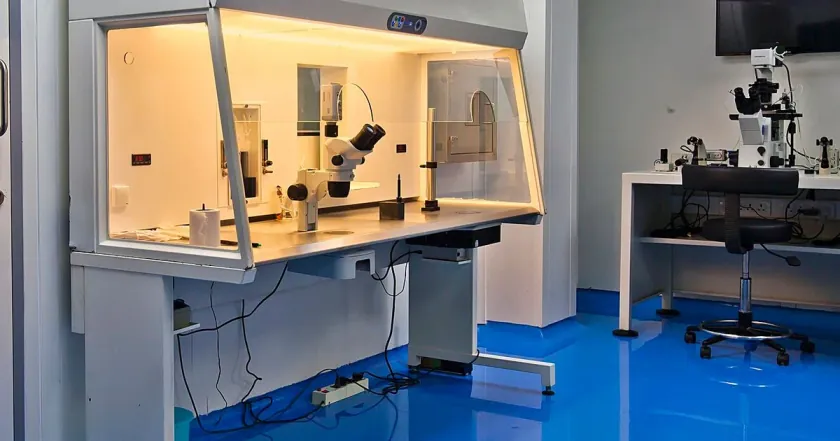
Embryo Glue: Does Hyaluronan-Enriched Transfer Medium Really Improve IVF Success?
Embryo glue is a hyaluronan-enriched transfer medium, not a proven success booster. We compare the Cochrane review, a 2026 meta-analysis and HFEA's rating.
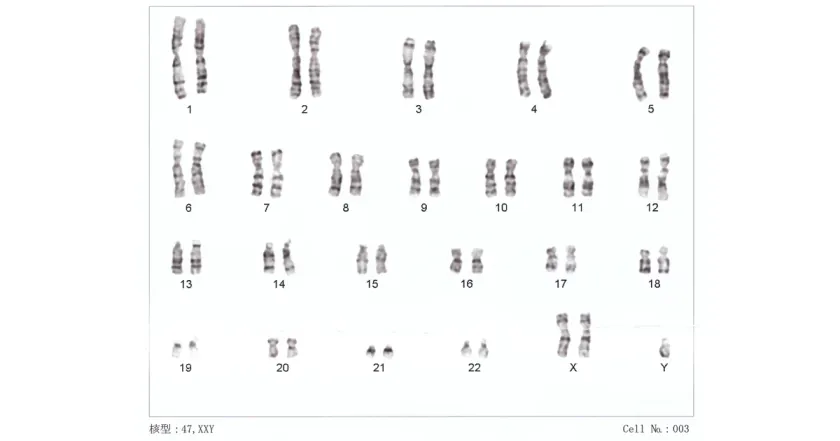
Klinefelter Syndrome and Fertility: Can Men With 47,XXY Father a Child?
Most men with Klinefelter syndrome have no sperm in the ejaculate, but about 44% of testicular sperm extractions succeed. Here is what the evidence shows.

What Percentage of Men Are Infertile? Why the Answer Is 1.8%, 2.5–12%, or 1 in 6
Between 1.8% and 12% of men are infertile depending on the definition. GBD 2021 puts the individual rate at 1.8%; couple-based studies say 2.5–12%.

Coenzyme Q10 and IVF: Clinical Evidence, Optimal Dosing, and Who Should Use It
Coenzyme Q10 (CoQ10) has emerged as a promising fertility supplement for women with diminished ovarian reserve (DOR) or advanced maternal age. This comprehensive guide synthesizes data from randomized controlled trials and meta-analyses to provide evidence-based recommendations on dosage, timing, expected outcomes, and appropriate patient populations.
Semen Analysis in IVF: A Complete Guide to Understanding Results and Treatment Options
Semen analysis is the most fundamental test for male fertility evaluation, yet many patients don't understand what the results mean or how they affect IVF success. This comprehensive guide explains all key parameters, sperm DNA fragmentation testing, and when to choose conventional IVF versus ICSI.
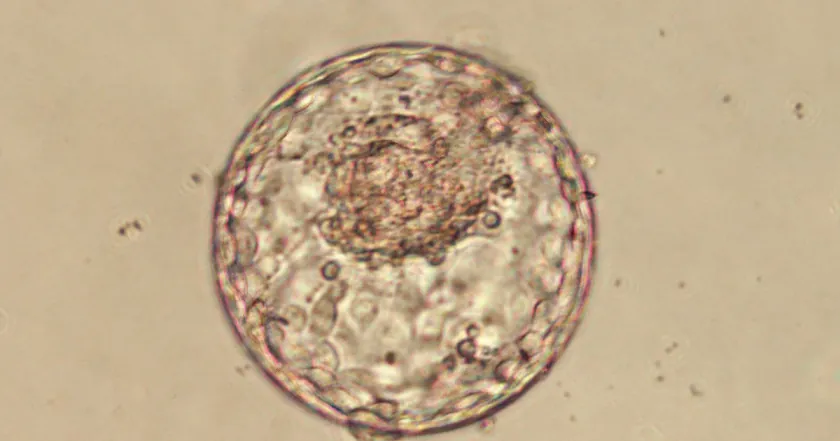
Frozen Embryo Transfer Timeline: A Day-by-Day FET Calendar
A day-by-day frozen embryo transfer timeline for all three protocols: when estrogen starts, when progesterone begins, transfer day, and the beta test date.
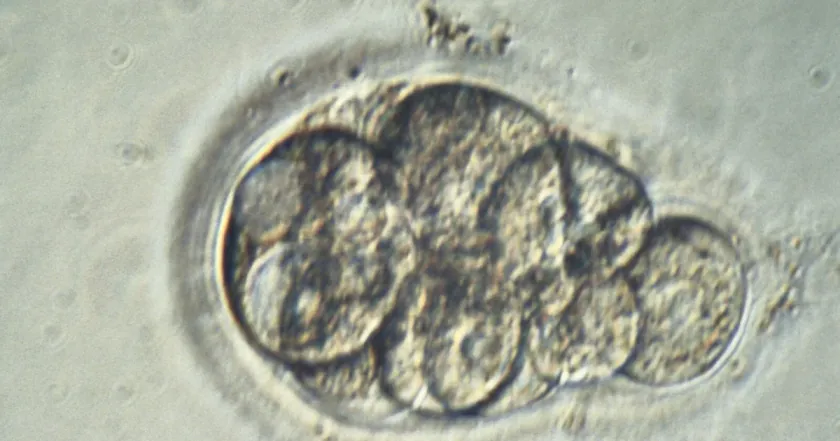
IVF Attrition Rate: Why 12 Retrieved Eggs Rarely Become One Baby
IVF attrition explained stage by stage: 52-83% blastocyst conversion, euploidy falling with age, and live-birth rates per retrieval from 53.2% to 9.4%.
Clomid vs Letrozole: Success Rates, Side Effects and Who Should Switch
Letrozole beats Clomid in PCOS — 27.5% vs 19.1% live birth — but loses in unexplained infertility. The head-to-head trials, side effects and twin risk.
Showing 1-17 of 172
Ready to start your fertility journey?
Get a personalized plan from our medical advisors