'%20d='m0%200%2016%2011h61%2061%2061%2061%2060L47%2037h61%2061%2060%2061L16%2063h61%2061%2061%2061%2060L47%2089h61%2061%2060%2061L16%20115h61%2061%2061%2061%2060L47%20141h61%2061%2060%2061L16%20166h61%2061%2061%2061%2060L47%20192h61%2061%2060%2061L16%20218h61%2061%2061%2061%2060z'/%3e%3c/svg%3e)
About Coastal Fertility Specialists
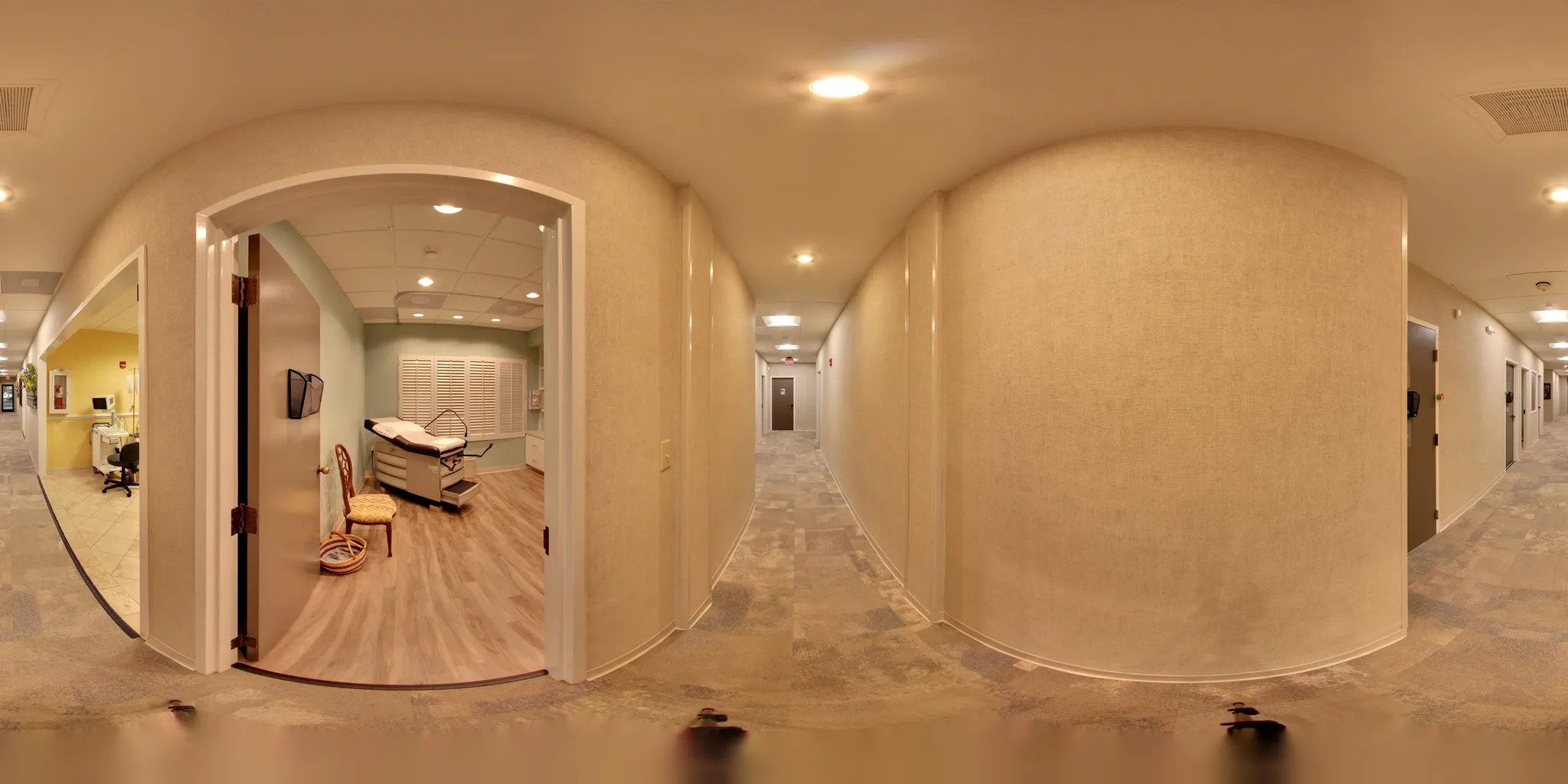
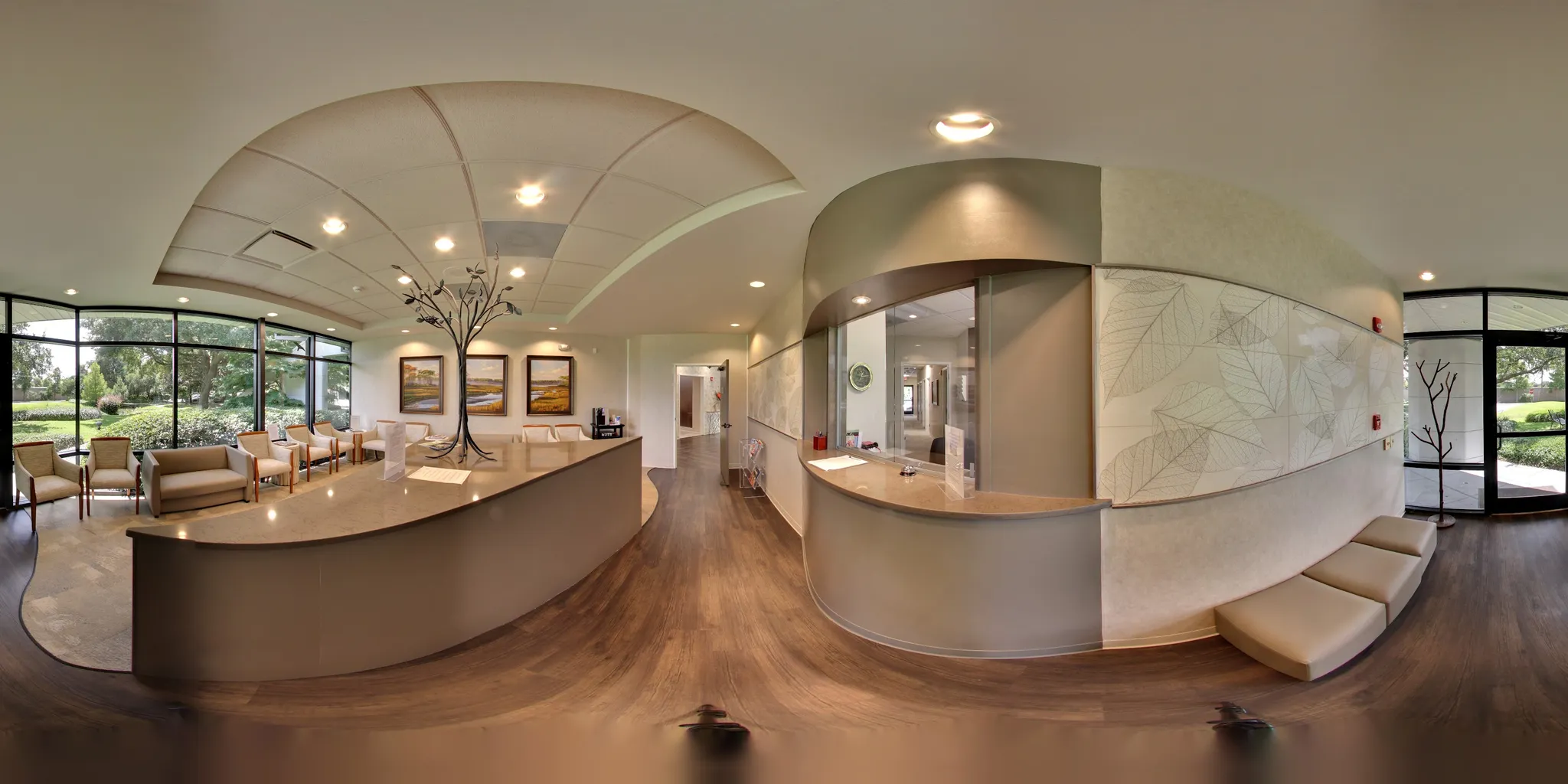
Every egg retrieval and every embryo culture for Coastal Fertility Specialists happens here, at 1375 Hospital Drive. Mount Pleasant is the group’s operational hub: the central embryology laboratory, the andrology lab, the operating rooms and the radiology equipment used for hysterosalpingograms are all on this campus. The offices in Summerville (Nexton), Lexington, Myrtle Beach and Savannah, Georgia handle consultations, testing and monitoring, but the lab work that decides an IVF outcome is concentrated in one place instead of distributed across sites.
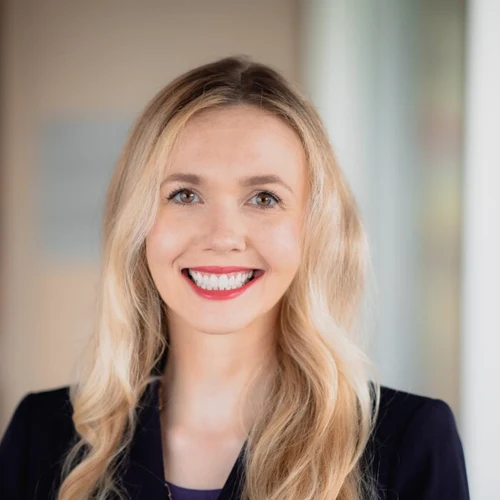
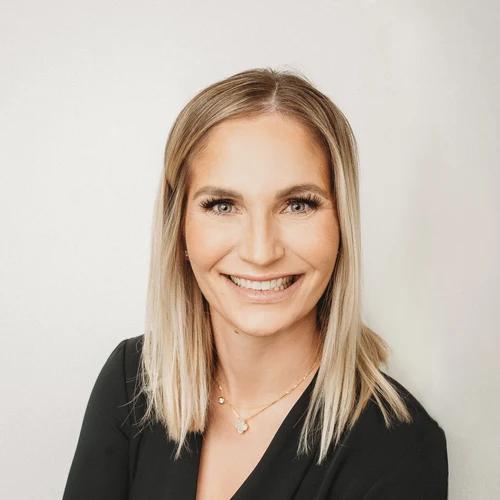
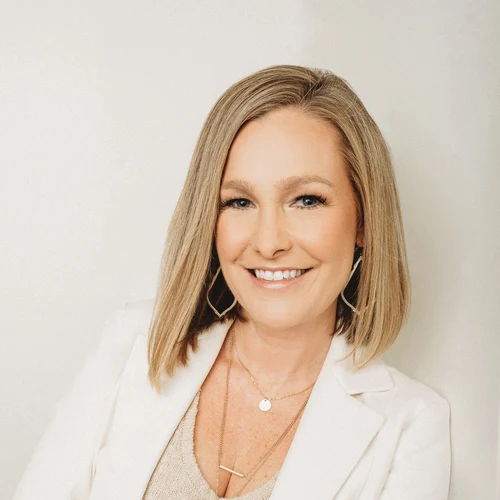
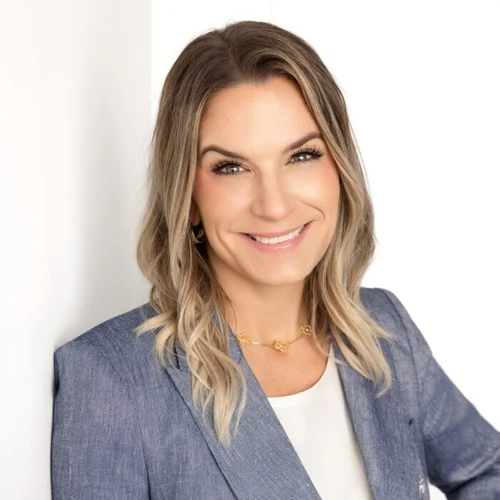
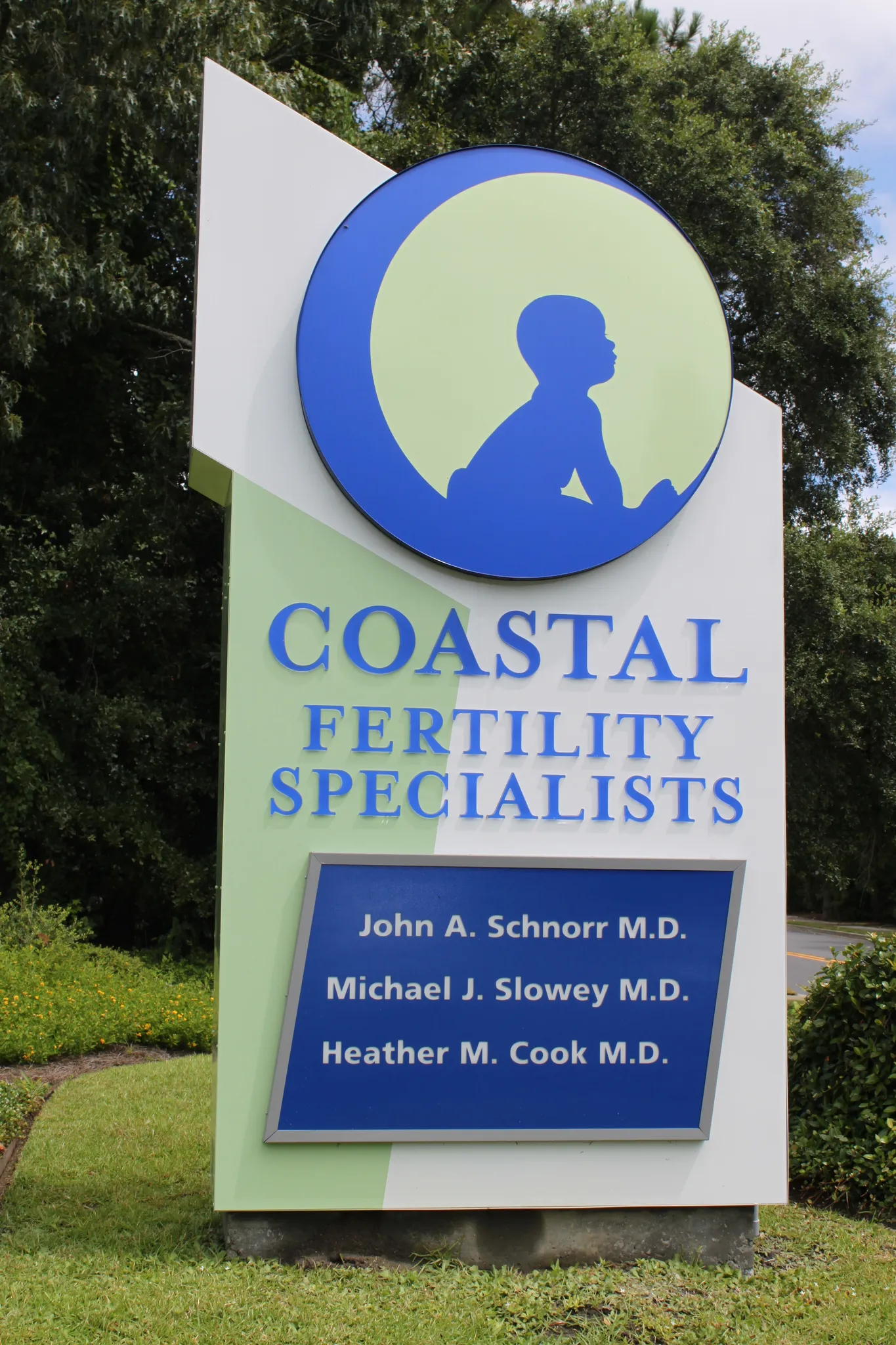
Dr. John Schnorr founded the practice and remains its Medical Director; no founding year appears in our sources, and the earliest date we hold for the clinic is its SART membership, which runs from April 2014. The current physician roster is six reproductive endocrinologists: Schnorr, Dr. Heather Cook, Dr. Jessica McLaughlin, Dr. Carrie Riestenberg, Dr. Andrea Peterson and Dr. Jennifer Dundee, who joined in September 2026. Four of the six — Schnorr, Cook, McLaughlin and Riestenberg — are board-certified by the American Board of Obstetrics and Gynecology in Reproductive Endocrinology and Infertility as well as in Obstetrics and Gynecology. Peterson is certified in OB/GYN and board-eligible in the REI subspecialty; Dundee is certified in REI. Five of the six (Schnorr, Cook, McLaughlin, Riestenberg and Peterson) also form the Reproductive Endocrine Division of the Department of Obstetrics and Gynecology at the Medical University of South Carolina. The clinic puts its physicians’ combined experience at more than 70 years, with over 35,000 ovulation induction and IUI cycles and 15,000 IVF and donor egg cycles performed among them.
On the numbers: in SART’s 2023 final report the network completed 1,906 ART cycles, roughly double the national per-clinic average of about 932, with live births per intended egg retrieval of 61.7% under 35, 48.0% at 35-37, 29.1% at 38-40 and 13.3% over 40. Every band sits above the corresponding SART 2023 national figure (53.2%, 39.9%, 26.2% and 9.4%). Two caveats are worth stating plainly. SART registers Coastal Fertility Specialists as one reporting unit, so these are network results rather than Mount Pleasant alone. And the clinic’s own “top 10% nationwide” claim is self-reported and measured as clinical pregnancy at seven weeks, not live birth; the SART and CDC tables are the figures you can check.
Accreditations & Awards
- CAP-accredited embryology laboratory, recorded as such in the clinic’s SART registry entry (SART #0819, member since 2014)
- CLIA high-complexity laboratory, FDA-registered and CDC-reporting, with AAAASF accreditation for the ambulatory surgery facility
- IntegraMed National Highest Patient Satisfaction Award, three consecutive years — described on the clinic’s site as unprecedented in IntegraMed’s history; the network includes more than 30 centers that together perform a large share of US IVF cycles
- Highest employee satisfaction award in the same network, won in the same period as the patient award
- University affiliation: the practice constitutes MUSC’s Reproductive Endocrine Division. MUSC Health was ranked the No. 1 hospital in South Carolina by U.S. News & World Report in 2020, its sixth consecutive year
- Physician recognition: Dr. Schnorr has been listed in “Best Doctors in America” since 2002, and his ovarian tissue cryopreservation work won the ASRM General Program Prize Paper, the society’s top paper award, at its 2000 San Diego meeting
- Audited outcome reporting: results go to SART, which runs random audits before publishing them; the clinic also carries SART’s required notice that comparing clinic success rates “may not be meaningful because patient medical characteristics, treatment approaches and entrance criteria for ART may vary from clinic to clinic”
Why Choose Coastal Fertility Specialists
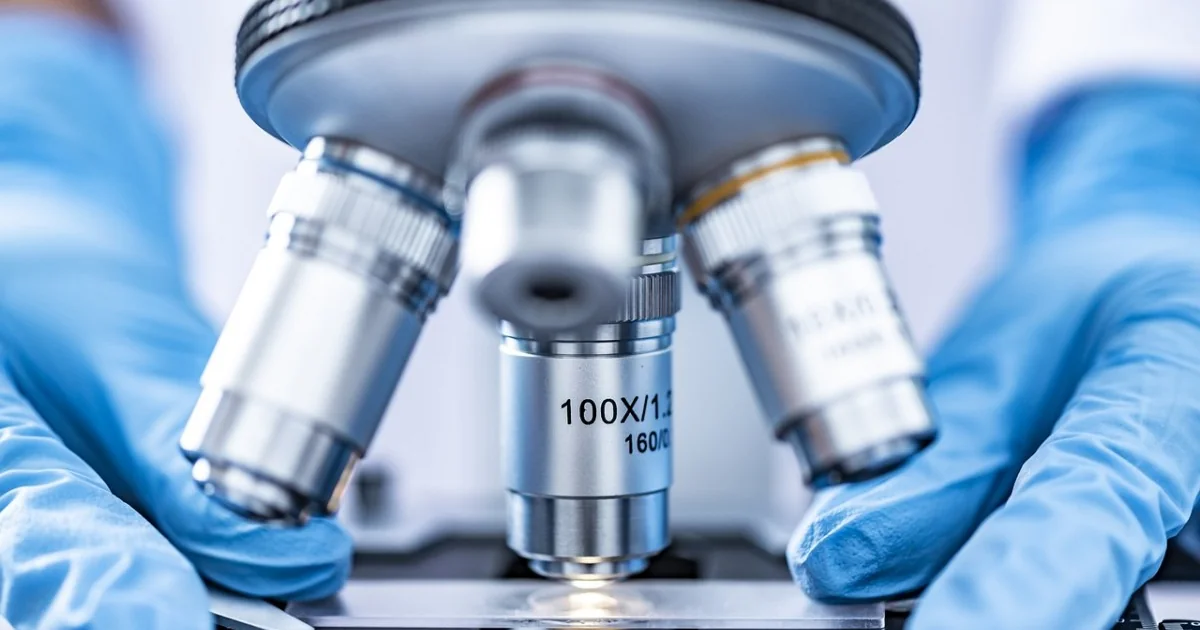
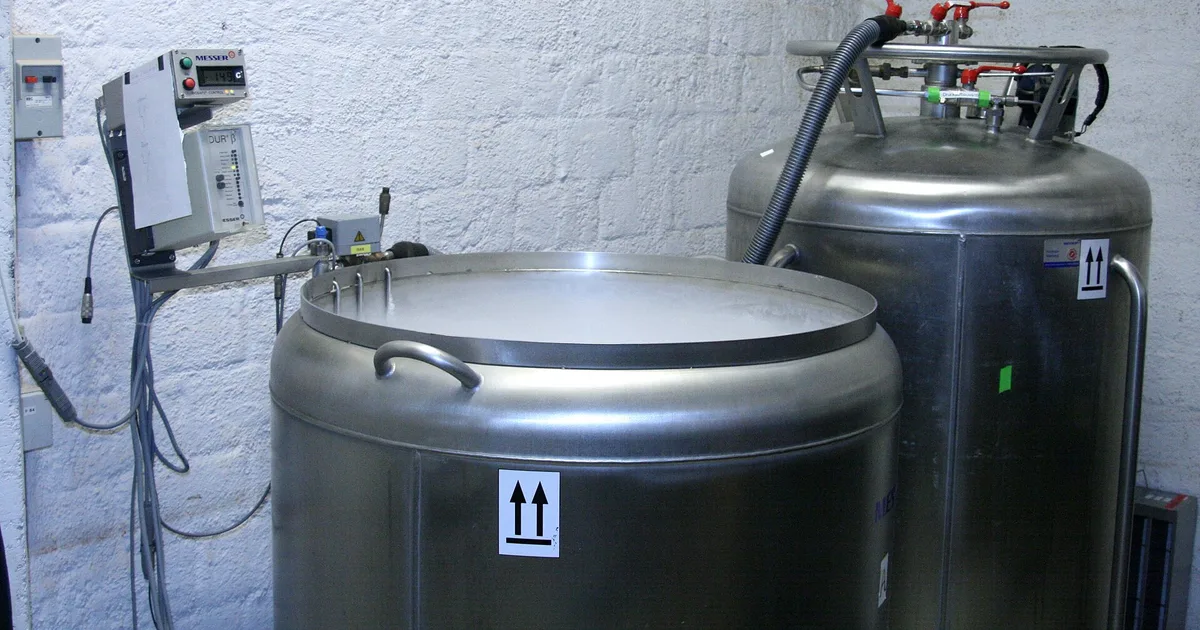
- One laboratory, one standard of care. Because all embryology sits in Mount Pleasant, the same incubators, culture conditions and biopsy team handle every cycle in the network. The lab runs triple-gas embryo incubators with isolettes that keep eggs, sperm and embryos out of their physiological environment for as little time as possible, microscopes fitted with lasers for assisted hatching and biopsy, in-house PGT biopsy, and vitrification for egg and embryo freezing. It was developed with Kathy Miller, HCLD, and is directed on site by Dr. Jeff Gray, PhD, HCLD, TS.
- Double-certified reproductive endocrinologists on staff. Schnorr, Cook, McLaughlin and Riestenberg hold ABOG certification in Reproductive Endocrinology and Infertility and in Obstetrics and Gynecology; Dundee is certified in REI; Peterson is certified in OB/GYN and board-eligible in REI. They teach at an academic medical center while practicing in a private clinic.
- Refund programs with published numbers. Multi-cycle and shared risk plans return up to 100% of treatment cost if you do not take home a baby; the clinic publishes its own completion statistics for those plans (see Fees & Packages).
- Insurance handled on site. CFS is a preferred provider for most major carriers, and a financial counselor reviews benefits with every new patient — including people whose plans have no infertility benefit, since visits, ultrasounds and blood work are often reimbursable anyway.
- Monitoring that fits a workday. Doors open at 7:00 Monday through Thursday, and the clinic is open 8:00-12:00 on both weekend days, which matters when a trigger shot has to land on a specific morning.
- A selective donor egg program. Roughly 2% of donors who complete screening go on to undergo a retrieval.
- Free second opinions. Any patient who has already seen a reproductive endocrinologist can get a no-charge second opinion consult. No referral is required to be seen.
IVF & Fertility Services
- In Vitro Fertilization (IVF): individualized stimulation, with adjuncts chosen for the diagnosis — testosterone where the goal is egg number, growth hormone in selected cases for egg quality, and deliberate freeze-all cycles when uterine receptivity is the limiting factor
- ICSI (Intracytoplasmic Sperm Injection) for male factor infertility or prior fertilization failure
- PGT-A and preimplantation genetic testing: embryo biopsy done in the on-site laboratory as part of embryo selection
- IUI and ovulation induction, reported as a combined program with age-specific pregnancy rates published by the clinic
- Egg freezing and fertility preservation, including ovarian tissue cryopreservation through Dr. Schnorr’s program at MUSC. He was the physician behind the first, second and third live births from frozen eggs in South Carolina, in 2011 and 2012
- Donor egg treatment, built on the clinic’s own donor screening pipeline
- LGBTQIA+ family building and gestational surrogacy programs
- Tubal anastomosis and tubal ligation reversal, performed in the on-site operating rooms
- Evaluation for unexplained infertility, secondary infertility, endometriosis, tubal factor infertility, male factor infertility, PCOS, recurrent pregnancy loss and reproductive aging
- AI-assisted follicle tracking: Cycle Clarity, an FDA-approved platform Dr. Schnorr created, performs 3D ovarian ultrasound and measures each developing follicle in about 20 seconds rather than a roughly 10-minute manual scan, producing a standardized folliculogram the physicians can review any time of day or night. After each scan at CFS, an automated report with measurements and plan is emailed to the patient. The software is used at fertility centers across the United States.
Fees & Packages
There is no published price list. What the clinic does publish is how coverage and risk-sharing work.
CFS accepts most major insurance carriers and is a preferred provider for many of them — a status it attributes to its pregnancy rates and its low multiple pregnancy rates. Patients without an infertility benefit frequently still get reimbursement for new patient visits, ultrasounds and blood work during both evaluation and treatment. South Carolina state employees are the strongest category, since their plan typically covers infertility evaluation and treatment across the board. A financial counselor goes through your benefits during the new patient visit, and the same office handles benefit verification, loan assistance for fertility services and medication donation programs.
The refund side is where the clinic is unusually specific. Multi-cycle and shared risk programs return up to 100% of treatment cost if the plan ends without a baby. Patients must qualify clinically to enroll, and the up-front cost of a bundled plan runs higher than paying for a single cycle. On its program FAQ the clinic reports that 92% of patients who complete its three-cycle plan, and 80% who complete its two-cycle plan, take home a baby. A second-opinion consult for someone already seen by a reproductive endocrinologist carries no charge.
Patient Journey
- Book without a referral. Register online through the clinic’s patient enrollment form — have your insurance information ready, since the form asks for it, and you will be given a number to text so a coordinator can find a time — or call during business hours. New patient coordinators work Monday through Friday, 9:00-16:00.
- New patient visit with a financial review. History is taken and your benefits are verified at the same appointment.
- Evaluation on campus. Transvaginal ultrasound, semen analysis in the andrology lab, and hysterosalpingography on the Mount Pleasant radiology equipment, with ovarian reserve testing to shape the protocol.
- Protocol design. Stimulation is set by age, ovarian reserve, infertility cause and prior response rather than by a single default recipe.
- Monitoring. Scans start at 7:00 on weekdays, with Saturday and Sunday morning slots for cycles that need them; each scan generates an emailed follicular report. Patients who live far from Mount Pleasant, or who see a physician at another office, can monitor locally.
- Retrieval and culture. Retrieval takes place in the Mount Pleasant operating rooms, where all of the network’s IVF lab work is centralized, followed by ICSI or conventional insemination, embryo culture, biopsy if PGT is planned, and vitrification if eggs or embryos are frozen.
- Transfer and follow-up, with shared risk or multi-cycle paperwork running in parallel if you enrolled in a refund program.
Local Legal Framework
South Carolina does have written law touching assisted reproduction: the state’s Code of Laws Title 44 sets out a framework for surrogacy, and fertility clinics operate under the state’s medical practice rules alongside federal CLIA, CAP, FDA, CDC and SART requirements. What South Carolina leaves to consent documents and to the courts is parentage and embryo disposition. Three things are worth knowing before you start.
Insurance. South Carolina does not require private insurers to cover IVF. The state employee health plan is the main exception and generally covers infertility evaluation and treatment. Injectable medications are the line most often left out of a plan’s benefits, so ask the financial counselor to verify drug coverage separately from procedure coverage.
Embryos, storage and disposition. Our South Carolina sources do not identify a statute fixing the legal status of an embryo, so in practice disposition runs on the consent forms you sign: who decides if you divorce or become incapacitated, whether unused embryos are stored, donated to research or discarded, and what happens when paid storage ends. Laboratory practice is regulated instead through CLIA high-complexity requirements, CAP accreditation, FDA donor-screening and infectious-disease rules, and CDC and SART reporting — the framework this lab operates under.
Donor eggs and surrogacy. Surrogacy is the one area where South Carolina legislates directly: Title 44 of the state’s Code of Laws is the framework our sources point to, and the clinic lists gestational surrogacy among its programs. How intended parents then secure parentage is not documented in the material we hold, so settle that with a South Carolina family-law attorney before any transfer. Egg donation is practiced openly, and CFS runs its own donor screening program. For LGBTQ+ couples, our sources record family building as protected under both federal and state law; the clinic lists LGBTQIA+ family building among its services but gives no legal advice.
Location
- Address: 1375 Hospital Drive, Mount Pleasant, SC 29464
- Phone: (843) 883-5800