'%20d='m0%200%2016%2011h61%2061%2061%2061%2060L47%2037h61%2061%2060%2061L16%2063h61%2061%2061%2061%2060L47%2089h61%2061%2060%2061L16%20115h61%2061%2061%2061%2060L47%20141h61%2061%2060%2061L16%20166h61%2061%2061%2061%2060L47%20192h61%2061%2060%2061L16%20218h61%2061%2061%2061%2060z'/%3e%3c/svg%3e)


About Mayo Clinic Assisted Reproductive Technologies
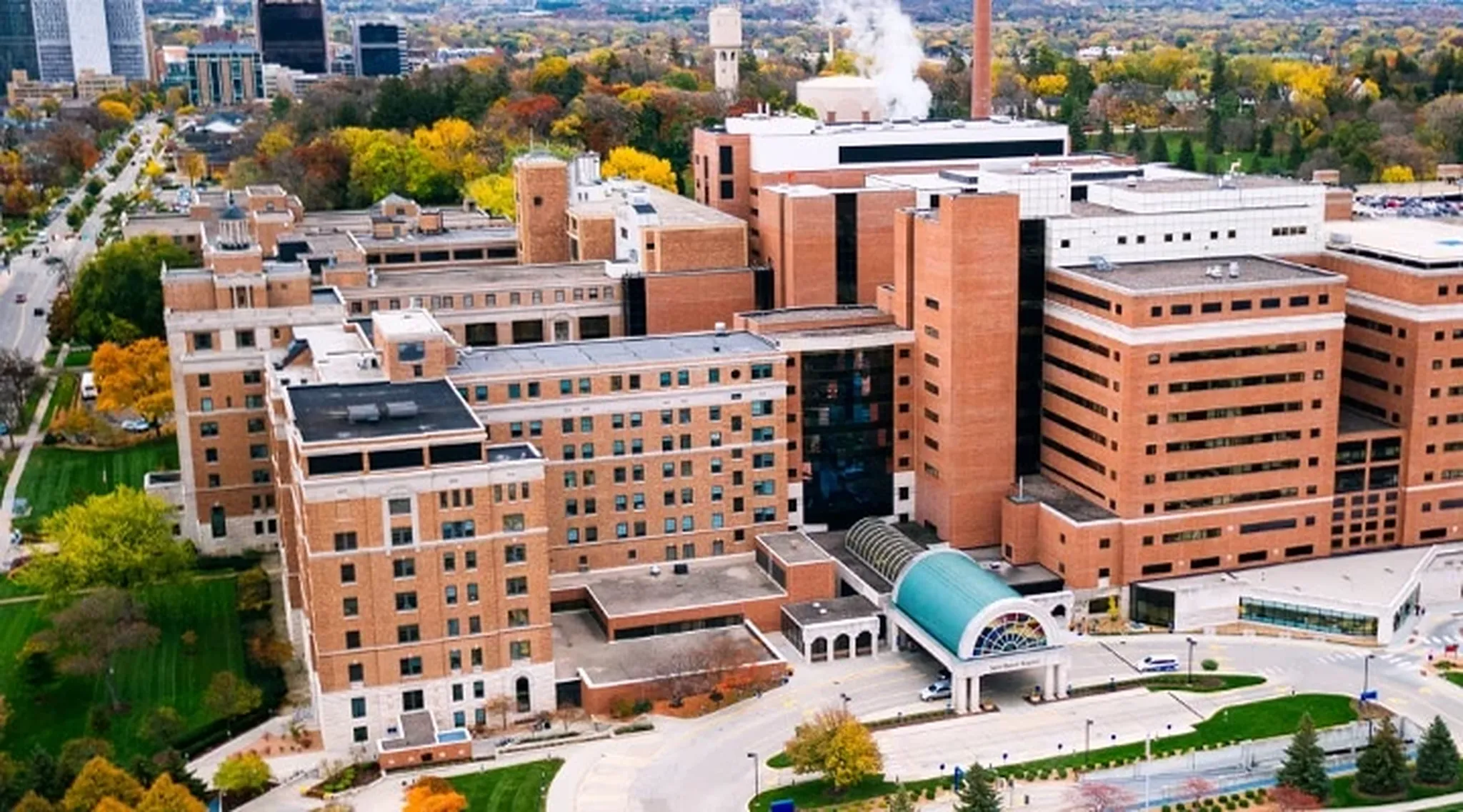
This page covers one department at one campus. Mayo Clinic Assisted Reproductive Technologies is the Division of Reproductive Endocrinology and Infertility inside Mayo Clinic’s Department of Obstetrics and Gynecology in Rochester, Minnesota, an ART program listed as established in 1985 in this page’s directory record (the same record that carries the license number). All five of its reproductive endocrinologists practice in Rochester. Mayo’s Scottsdale and Jacksonville campuses run separate programs, and nothing below — the SART data, the outcomes, the team — should be read as system-wide numbers. The reporting unit here is registered with SART as clinic ID 2396.
The division’s stated focus is complex fertility problems: infertility with fibroid tumors, recurrent pregnancy loss, abnormal uterine bleeding, endometriosis, diminished ovarian reserve, congenital uterine anomalies, cancer and fertility (oncofertility), and conditions carrying a risk of genetic disorders in offspring. Mayo describes an integrated model: a single visit can include evaluation by doctors in other specialties, comprehensive diagnostic testing and counseling.
The results, with the measure attached. Mayo’s own overview page publishes no headline success rate. It points patients to its SART clinical summary and warns that clinic-to-clinic comparison is unreliable, because programs differ in patient populations and in how they screen people before an IVF cycle. The SART 2023 report for clinic 2396 records 843 total cycles for this division, with live birth per intended retrieval (all embryo transfers) of 52.3% under 35, 35.7% at 35-37, 32.8% at 38-40 and 8.7% at 40 and over. Read the comparison carefully. The clinic row above is SART 2023; the national row in the comparison table on this page comes from CDC NASS 2022. Different registry, different reporting year and different cycle denominators — the two are not a like-for-like measure of the same thing, so nothing on this page should be read as Mayo sitting above or below the national figure at any age band. What the aggregate cannot tell you is your own prognosis; Mayo’s overview says it plainly — your reproductive endocrinologist, not a website table, is the person who can evaluate your chances given your diagnosis and history.
Accreditations & Awards
- SART member with public CDC/SART reporting. Every cycle is filed to SART and the CDC under the Rochester registration, clinic ID 2396 — the same summary report Mayo links from its own ART overview page.
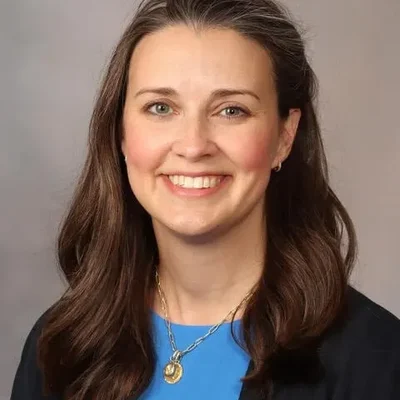
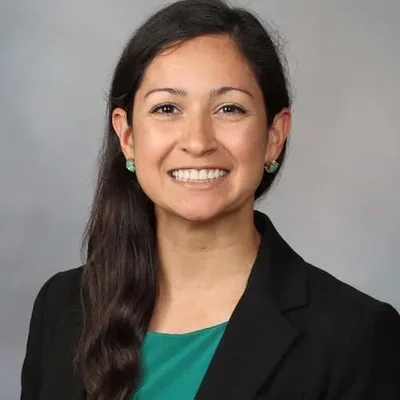
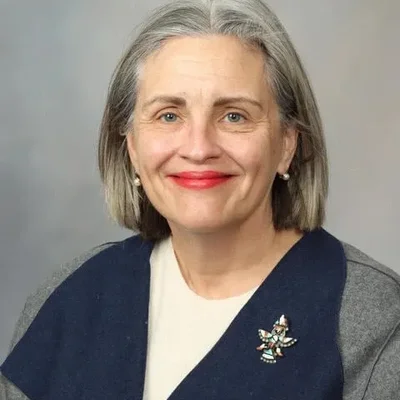
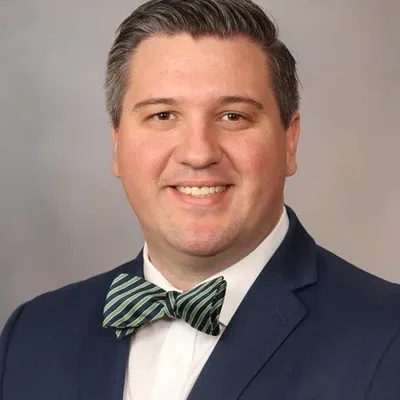
- Board certification across the staff. The division states that its staff doctors are certified by the American Board of Obstetrics and Gynecology in both obstetrics and gynecology and in reproductive endocrinology and infertility. The five individual profiles confirm it, with REI certification years of 1995 (Stewart), 2018 (Khan), 2019 (Paff Shenoy), 2023 (Ainsworth) and 2025 (Neblett).
- Time-lapse embryo culture. Mayo’s overview describes an IVF laboratory with an incubation system that allows real-time observation of embryo development without disturbing the culture, and calls Mayo “one of a few clinics” in the United States with the technology. That scarcity claim is Mayo’s own marketing language and no longer reflects the field — time-lapse culture is now widely available at American IVF programs — but the underlying function, continuous embryo monitoring without incubator removal, is a legitimate laboratory capability worth asking about.
- A hospital-level ranking, correctly scoped. The overview notes that Mayo Clinic in Rochester is ranked among the best obstetrics and gynecology hospitals in the nation by U.S. News & World Report. That is a hospital rating for the OB/GYN service line as a whole; it says nothing about this ART unit’s cycle outcomes, which is why the SART figures above are the ones to read.
Why Choose Mayo Clinic Assisted Reproductive Technologies
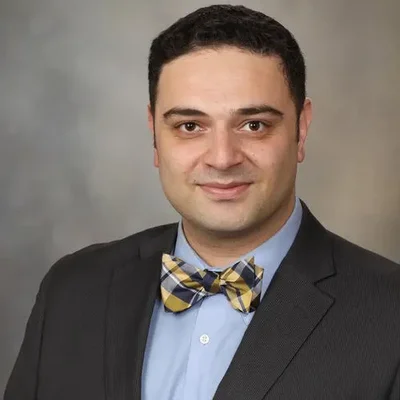
- Five reproductive endocrinologists, each with a named job. One directs the IVF program (Dr. Ainsworth), one directs third-party reproduction (Dr. Paff Shenoy), one holds a multi-department professorship and a decades-long research program in fibroids and hysterectomy alternatives (Dr. Stewart), and two practice reproductive surgery alongside fertility care (Dr. Khan, Dr. Neblett). All five hold ABOG certification in ob/gyn and in REI.
- The hard cases are the default setting. The division lists fibroid tumors, recurrent pregnancy loss, diminished ovarian reserve, congenital uterine anomalies and genetic-risk pregnancies among its named areas of leadership. Mayo’s obstetrics and gynecology specialty-group roster runs alongside REI with a fibroid clinic, endometriosis care, reproductive oncology and gynecologic oncology — so a cycle that develops surgical or oncologic complications gets evaluated inside one system rather than referred out.
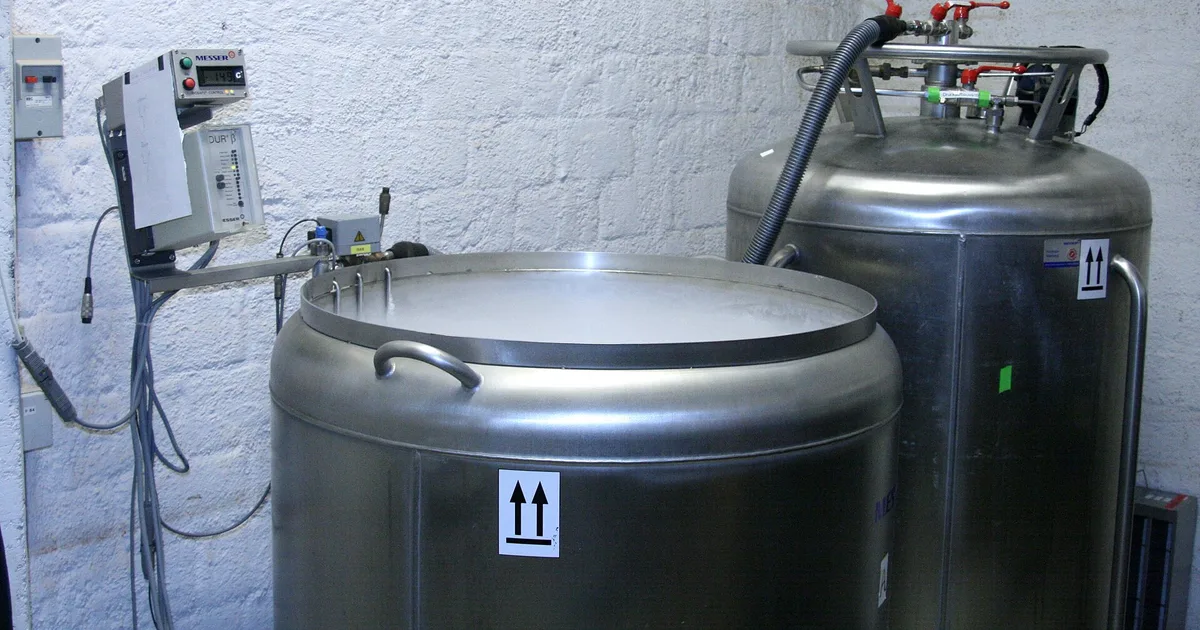
- Fertility preservation as a program, not an add-on. The division offers freezing of eggs, embryos, ovarian tissue and sperm, and Mayo’s overview describes an integrated approach that includes ovarian transplant. Mayo Clinic Children’s Center runs a separate Fertility Preservation Program for children whose medical treatment may impair future fertility.
- Reproductive surgery under the same roof. The division’s reproductive surgeons use minimally invasive techniques for fibroids, endometriosis, polyps, adhesions and uterine or tubal abnormalities, perform outpatient microsurgical tubal ligation reversal, and offer robotic myomectomy and MR-focused ultrasound surgery for fibroids.
- Third-party reproduction and LGBT family building are formal service lines. Donor sperm insemination, donor egg, gestational carrier cycles, and combined donor-egg-plus-gestational-carrier paths are listed as the program’s own offerings, with a dedicated medical director for the Third Party Reproduction Program.
IVF & Fertility Services
- In Vitro Fertilization (IVF) with individualized stimulation, monitoring and embryo transfer; the IVF program has its own divisional director.
- ICSI (Intracytoplasmic Sperm Injection) for male-factor indications.
- IUI, ovulation induction and superovulation as first-line and adjunct treatments.
- Preimplantation genetic testing — screening (PGT-A) and diagnosis for known single-gene conditions (PGT-M) appear on Mayo’s service list as PGS and PGD.
- Egg, embryo, ovarian tissue and sperm freezing — oocyte, embryo, ovarian tissue and sperm cryopreservation are all listed, for medical and elective preservation, including for children through Mayo Clinic Children’s Center.
- Donor egg and donor sperm programs, and gestational carrier (surrogacy) cycles, including use of both a donor egg and a gestational carrier in one plan.
- Reproductive surgery: myomectomy including robotic approaches, endometriosis surgery, hysteroscopy and diagnostic laparoscopy, tubal ligation reversal, and MR-focused ultrasound for fibroids.
- Complex-condition management: recurrent pregnancy loss, premature ovarian insufficiency, diminished ovarian reserve, uterine anomalies, thyroid and prolactin disorders affecting fertility.
- Diagnostics and imaging: 3D ultrasound, pelvic ultrasound, hysterosalpingography, sonohysterography, and genetic counseling.
Fees & Packages
There is no published price list. Mayo’s reproductive endocrinology and infertility pages for the Minnesota campus do not post prices for IVF cycles, medications, testing or surgical procedures, and no bundled self-pay package is documented in our research. Cost runs through protocol, medications and any additional services, so the practical step is a quote for your own plan: Mayo directs patients to its patient financial services for cost estimates and insurance questions, and the division’s appointment line (507-284-9792) is staffed 8 a.m. to 5 p.m., Monday through Friday. Verify what your insurer covers — diagnostics, medications and egg retrieval are often billed as separate components — before consenting to a cycle.
Patient Journey
- Enter on your own terms. You can be referred by your primary doctor or request an appointment directly; a referral is not required.
- Contact the division. Call 507-284-9792 between 8 a.m. and 5 p.m. weekdays, or submit Mayo’s online appointment request form.
- Comprehensive evaluation. Your visit may include assessment by a reproductive endocrinologist, diagnostic testing, and evaluation by doctors in other Mayo specialties when your history calls for it, plus counseling as part of the workup.
- A personal prognosis, not a website average. Mayo’s overview is explicit that success rates move with individual factors and that clinic comparisons mislead; your reproductive endocrinologist maps the SART data onto your diagnosis, age and history.
- Treatment. Cycles run stimulation and monitoring, retrieval, fertilization by IVF or ICSI, time-lapse embryo culture, genetic testing where indicated, and transfer; eggs, embryos, ovarian tissue or sperm are frozen when preservation is the goal.
- Surgical and third-party paths. Reproductive surgery, donor egg or sperm programs and gestational carrier cycles follow the same division, with the Third Party Reproduction Program coordinating donor and carrier logistics.
- Follow-through. Pregnancy follow-up continues with the division; obstetric care is available at the same Rochester campus if you need it.
Local Legal Framework
Our research records no Minnesota statute names or numbers governing assisted reproduction; in practice, these arrangements in Minnesota run on written agreements and, for surrogacy, court review. What is documented:
- Gestational carriers. Minnesota allows surrogacy arrangements, but commercial surrogacy contracts are subject to court review. Gestational carrier cycles are offered at this program. Line up a reproductive-law attorney familiar with Minnesota before the cycle starts, not after the birth.
- Donor eggs and donor sperm. Donation is clinically available here, and intended-parent rights in donor gamete cycles are protected through written agreements. Complete the legal documents before treatment.
- PGT. No Minnesota-specific legal restriction on PGT-A or PGT-M appears in our research; standard medical informed consent governs, and testing is performed as part of the program’s services.
- LGBT family building. Minnesota recognizes same-sex marriage and family-building rights, and this ART program lists donor sperm insemination, donor egg and gestational carrier services for LGBT patients as core offerings.
- Before you sign, ask. Storage, disposition and consent terms for embryos and gametes are set by clinic policy and contract — confirm them in writing at the start of care.
Location
- Address: 200 First Street SW, Rochester, MN 55905
- Phone: 507-284-9792