'%20transform='translate(88%20-32)'%3e%3cpath%20fill='%23fff'%20d='M-128%2032h720v480h-720z'/%3e%3ccircle%20cx='523.1'%20cy='344.1'%20r='194.9'%20fill='%23bc002d'%20transform='translate(-168.4%208.6)scale(.76554)'/%3e%3c/g%3e%3c/svg%3e)
Oak Clinic Ginza — Tokyo IVF & Fertility Center
About Oak Clinic Ginza
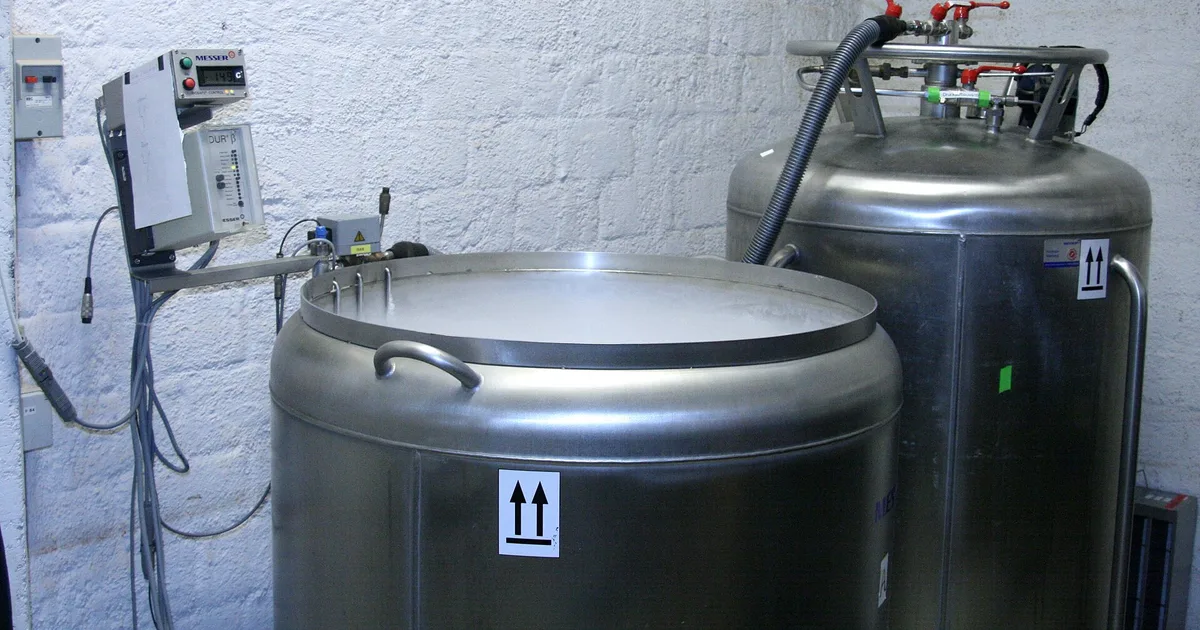
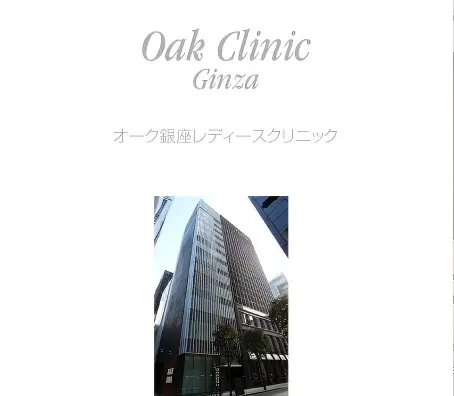
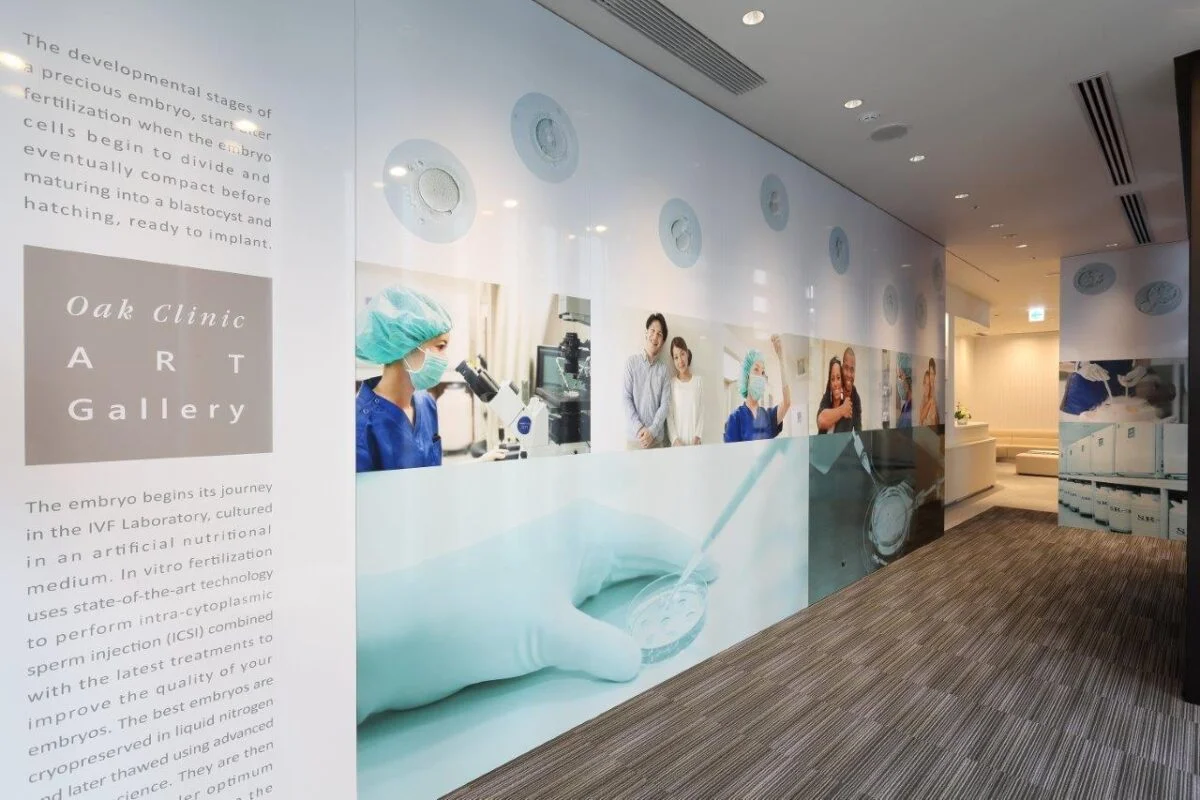
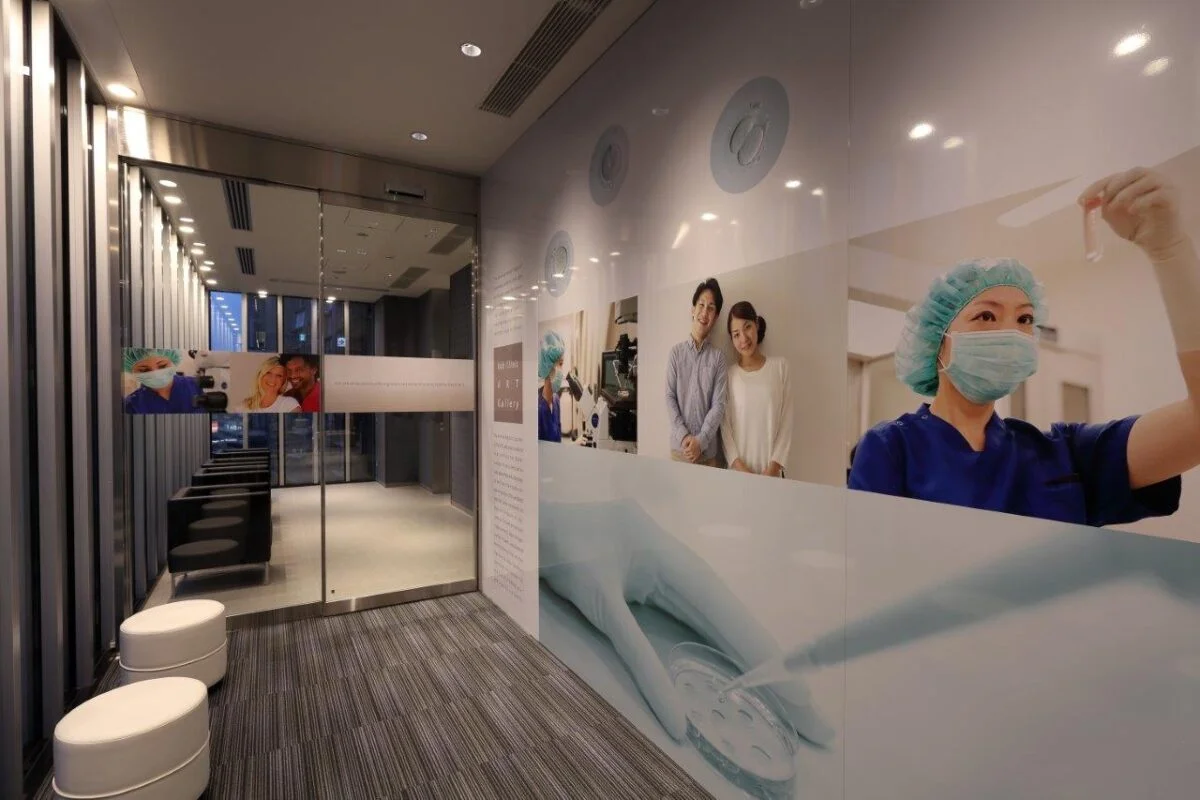
Oak Clinic Ginza opened in 2016 on the seventh floor of Okura House in central Ginza, Tokyo, as the Tokyo branch of Medical Corporation Oak (Oak Clinic Group). The group is one of Japan’s better-known reproductive-medicine networks, with its founding Sumiyoshi clinic and Umeda clinic in Osaka and this Ginza clinic in Tokyo. The Ginza site maintains its own reproduction center (embryology laboratory) built to the same group standards as the Osaka laboratories.
Ginza is the group’s patient-access flagship: it opens Saturdays, Sundays and public holidays (09:00-16:30) in addition to weekday clinics until 19:00 — weekend and holiday ART care is still uncommon among Japanese fertility clinics. Since April 2025, the clinic’s medical director is Dr. Giannina Karangos, a reproductive medicine specialist of the group (source: corporate profile, Oak Clinic Ginza doctor schedule).
Oak Clinic Ginza does not publish age-specific clinical pregnancy rates. Japanese ART clinics are not required by the Japan Society of Obstetrics and Gynecology (JSOG) to disclose success-rate data, and none appears on the clinic’s website (as of the 2026 site review).
Accreditations & Awards
- JSOG-registered facility — ART practice follows the ethics guidelines of the Japan Society of Obstetrics and Gynecology (source: official website)
- Founded 2016 — the group’s Tokyo expansion clinic, with an in-house reproduction center (source: corporate profile page)
- Oak Safe Payment refund program — a group refund scheme designed to reduce the financial risk of repeated unsuccessful IVF cycles (source: official treatment pages)
- No JCI or other international accreditation is listed on the clinic’s official website
Why Choose Oak Clinic Ginza
- Prime Ginza location, three minutes on foot from Ginza Station: one of the most accessible fertility clinics in Tokyo for residents and overseas patients staying in the city center
- Weekend and holiday clinics: Saturday, Sunday and public-holiday sessions (09:00-16:30) allow monitoring appointments without weekday time off — a key difference from the Osaka Sumiyoshi flagship, which closes Sundays and holidays
- Fully individualized IVF protocols: the group’s signature approach — stimulation, trigger timing and transfer strategy are designed per patient rather than by standard recipe
- Shared group expertise: Oak’s senior reproductive endocrinologists, surgeons and genetic counselors rotate between Osaka and Tokyo or consult online, so Ginza patients access the full group faculty
- Dedicated male-infertility clinic in Tokyo: urology specialists run andrology sessions at the Ginza clinic, so couples can complete both partners’ evaluation on site
- Multilingual support: English and Chinese site versions, a dedicated Chinese-language consultation channel and translation services for international patients
IVF & Fertility Services
- In Vitro Fertilization (IVF) with individualized stimulation, including minimal-stimulation options
- ICSI (intracytoplasmic sperm injection)
- PGT-A / preimplantation genetic testing, with genetic counseling
- Egg freezing, embryo freezing and cryopreservation
- Intrauterine insemination (IUI)
- Male infertility evaluation and treatment (semen analysis, andrology outpatient clinic)
- Endometrial receptivity (ERA) and related implantation work-ups
- Online consultation and free online fertility seminars (group program)
Fees & Packages
The Ginza clinic uses the group’s unified, published fee schedule (deposit-and-settle system; 1 June 2026 revision; USD at ~¥150 = US$1):
- IVF prepayment: ¥350,000-500,000 (~US$2,330-3,330)
- Frozen-thawed embryo transfer prepayment: ¥150,000 (~US$1,000)
- Egg retrieval: base ¥70,000 (~US$470) + ¥4,000 (~US$27) per egg
- ICSI: base ¥50,000 (~US$330) + ¥30,000 (~US$200) per 5 eggs
- Embryo culture to day 3: ¥60,000 (~US$400); blastocyst culture supplement: ¥30,000 (~US$200)
- Embryo transfer: base ¥75,000 (~US$500)
- ERA test: ¥128,140 (~US$855) for the clinic’s own IVF patients
- Egg freezing prepayment: ¥250,000-300,000 (~US$1,670-2,000)
Overseas patients without a Japanese residence card are charged treatment fees plus a 50% overseas surcharge; a designated agent may reduce the surcharge (source: official overseas patient notice). Evening, weekend and holiday visits to insured care carry an additional selected-medical-treatment fee.
Patient Journey
- First-visit booking: reserve by phone or email; the group recommends an online first visit to confirm the treatment direction before traveling — note that Ginza requires an in-person plan for procedures
- Initial consultation: complete the questionnaire; bring prior cycle or test records if available
- Fertility assessment: hormone panel including AMH, ultrasound antral follicle count, semen analysis (male infertility clinic available on site)
- Protocol design: individualized stimulation plan from the assigned Oak specialist
- Treatment cycle: stimulation and monitoring → egg retrieval → IVF/ICSI → embryo culture → PGT-A if indicated → fresh or frozen transfer → pregnancy test about two weeks later
- Follow-up: on a positive test, patients are supported in transferring to an obstetric provider; Ginza itself has no inpatient obstetric unit (that resource sits at the Osaka Sumiyoshi flagship)
Local Legal Framework
IVF, ICSI and PGT-A are legal and widely practiced in Japan under the ethics guidelines of the Japan Society of Obstetrics and Gynecology (JSOG). Since April 2022, mainstream infertility treatments are covered by national health insurance for eligible patients, while PGT-A remains self-pay and restricted to defined indications. Egg donation and commercial surrogacy are prohibited; Japanese law does not define the legal status of embryos. Foreign patients generally need to document a current marital partnership under JSOG practice rules.
Location
- Address: 7F Okura House, 2-6-12 Ginza, Chuo City, Tokyo 104-0061, Japan
- Phone: +81-120-009-345
- Hours: Monday-Friday 09:00-19:00; Saturday, Sunday and public holidays 09:00-16:30
- Getting there: about a three-minute walk from Ginza Station and a five-minute walk from Yurakucho Station
- Note: for safety reasons the Ginza clinic does not admit patients accompanied by children and has no nursery (unlike the Osaka Sumiyoshi clinic)