'%20d='m0%200%2016%2011h61%2061%2061%2061%2060L47%2037h61%2061%2060%2061L16%2063h61%2061%2061%2061%2060L47%2089h61%2061%2060%2061L16%20115h61%2061%2061%2061%2060L47%20141h61%2061%2060%2061L16%20166h61%2061%2061%2061%2060L47%20192h61%2061%2060%2061L16%20218h61%2061%2061%2061%2060z'/%3e%3c/svg%3e)
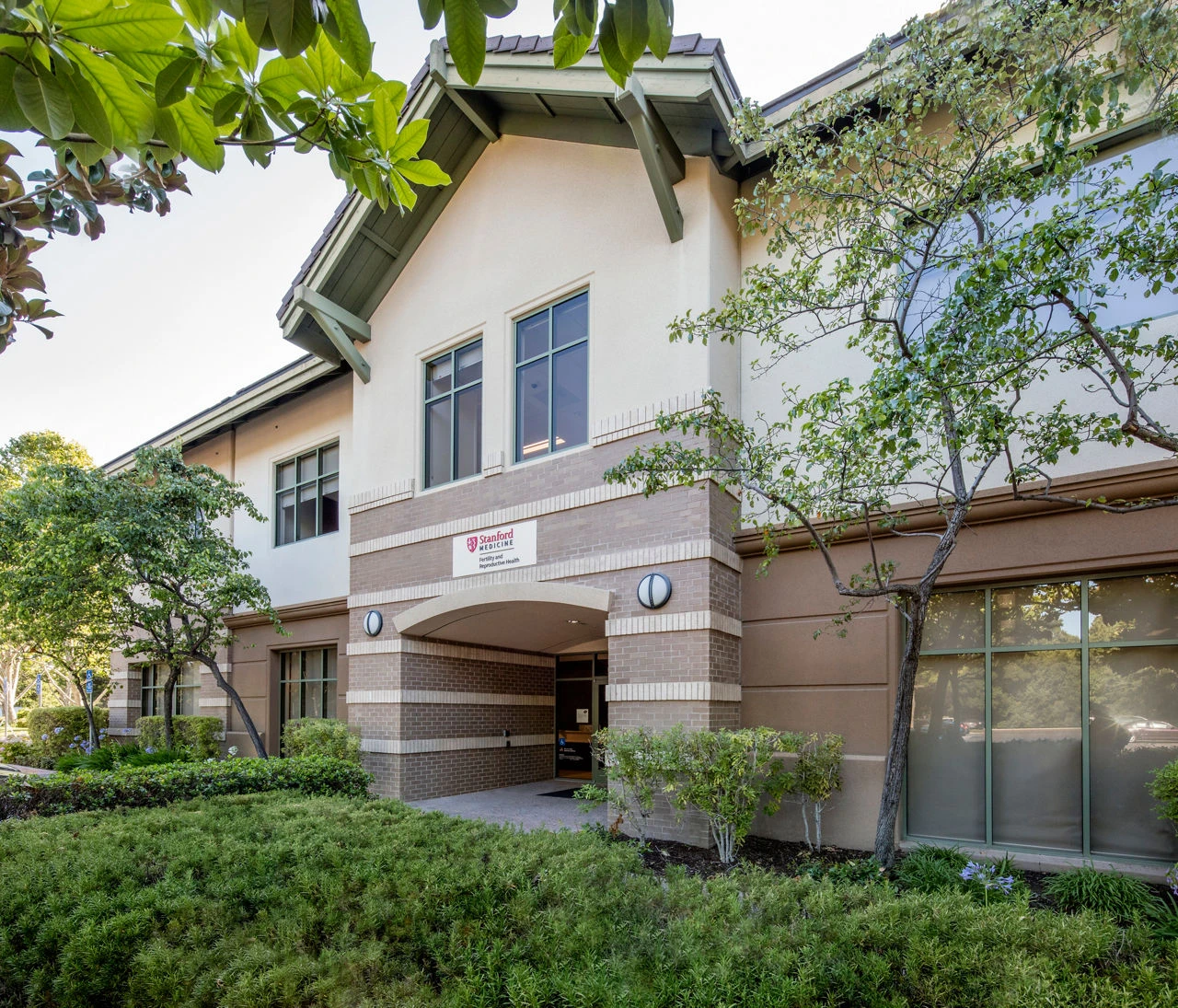


About Stanford Medicine Fertility & Reproductive Health
Stanford Medicine Fertility & Reproductive Health is the reproductive endocrinology and infertility center of Stanford Medicine, part of the Johnson Center for Pregnancy and Newborn Services at Lucile Packard Children’s Hospital Stanford. The clinic was founded in 1963, its IVF laboratory was established in 1985, and it joined Stanford Children’s Health in 2014. Today the center supports about 22,000 patient visits a year, performs roughly 1,500 assisted reproductive technology (ART) cycles annually, and helped bring 3,000 babies into the world over the past decade (source: Stanford Medicine Children’s Health Fast Facts).
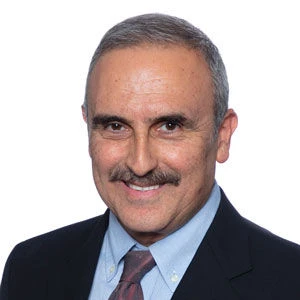
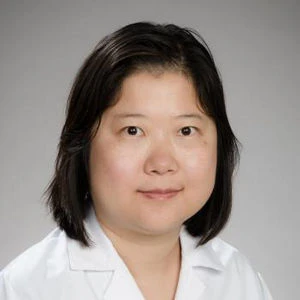
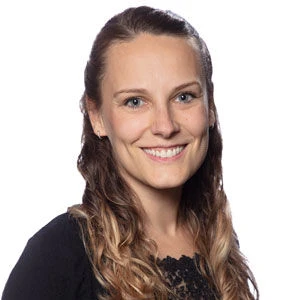
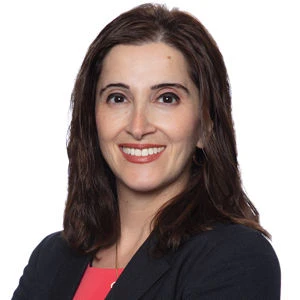
The team includes board-certified reproductive endocrinologists who are faculty at Stanford University School of Medicine, combining clinical care, research, and teaching. According to the SART 2021 final report (1,709 total cycles), the center’s cumulative live birth rate per intended egg retrieval was 52.7% for women under 35, 36.8% for ages 35-37, 19.4% for ages 38-40, and 9.2% for women over 40.
Accreditations & Awards
- Founded 1963, IVF Lab Established 1985: Among the first university-affiliated fertility centers in the U.S., holding early SART membership number 0076 (source: official Fast Facts + SART CORS).
- Pioneered imaging-based embryo selection: Assessing embryos without exposing them to potentially toxic outside environments, significantly improving embryo viability (source: official Fast Facts).
- First center to report a successful pregnancy after biopsy of a frozen embryo: Enabling viability assessment of embryos frozen many years earlier (source: official Fast Facts).
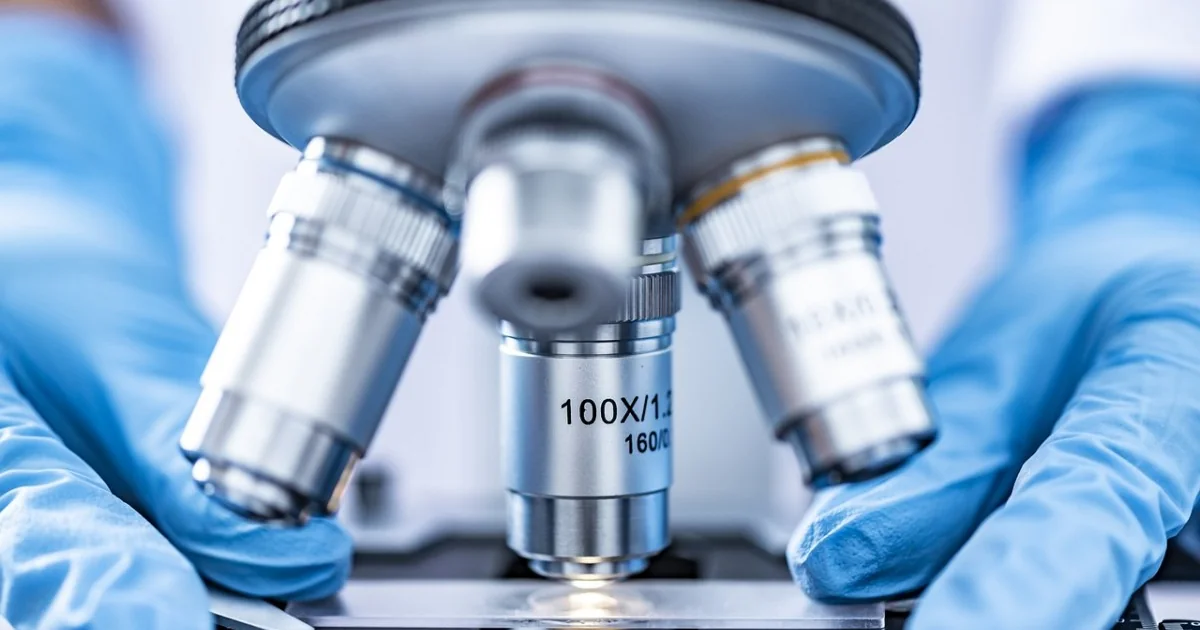
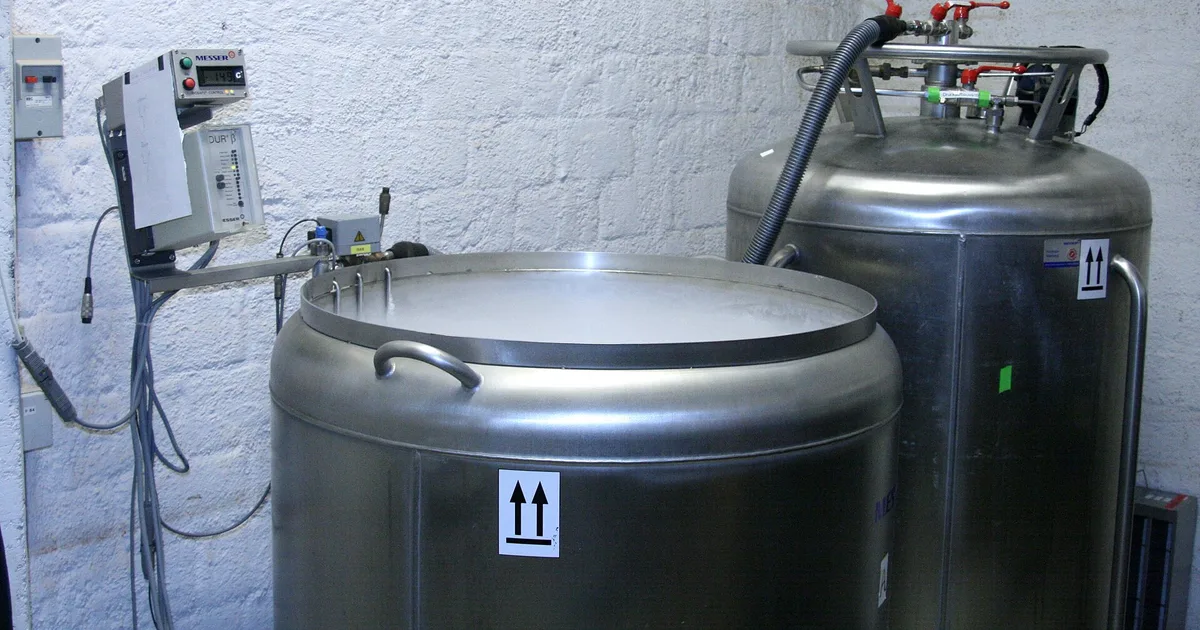
- CAP-accredited IVF laboratory: Featuring the world’s largest LifeAire air filtration system of its kind, protecting embryos from volatile organic compounds; double monitoring of cryogenic tanks and emergency generators ensures safety of frozen reproductive material (source: official IVF Lab page).
- 20+ years of fertility preservation leadership: Covering egg, embryo, ovarian tissue, sperm, and testicular tissue cryopreservation (source: official Fertility Preservation page).
Why Choose Stanford Medicine Fertility & Reproductive Health
- University-affiliated academic excellence: Physicians are professors at Stanford University School of Medicine, board-certified by the American Board of Obstetrics and Gynecology, giving patients access to the latest clinical research.
- One of the first SART member centers: SART# 0076, founded 1963, IVF lab since 1985, with complete success-rate reporting to CDC/SART (SART 2021 Final: 1,709 cycles).
- CAP-accredited lab with the world’s largest LifeAire system: 24/7 equipment monitoring, real-time personnel location tracking (unique worldwide), and double monitoring of cryogenic tanks with emergency generators.
- 20+ years of fertility preservation leadership: Fast-track for cancer patients, fertility preservation for transgender individuals, comprehensive egg/embryo/ovarian tissue/sperm freezing, and free virtual Egg Freezing Seminars.
- Comprehensive family building: From IVF/IUI to genetic counseling (PGD/PGS), recurrent pregnancy loss clinic, male fertility clinic, reproductive surgery, and mental health support, plus the Q+ Family Building clinic for LGBTQ+ patients (reciprocal IVF, gestational carrier, and more).
IVF & Fertility Services
| Service | Description |
|---|---|
| IVF (In Vitro Fertilization) | Full cycle from ovarian stimulation to embryo transfer, including ICSI and embryo genetic testing |
| IUI (Intrauterine Insemination) | Medication-stimulated IUI, often a first-line treatment |
| PGD/PGS (Preimplantation Genetic Testing) | Embryo genetic diagnosis/screening covering all 24 chromosomes (CCS) |
| Fertility Preservation | Egg/embryo/ovarian tissue/sperm/testicular tissue freezing; fast-track for cancer patients; options for transgender and LGBTQ+ patients |
| Male Fertility Clinic | Andrology lab (CASA/CEROS semen analysis, Kruger morphology, sperm freezing), led by urologist Michael Eisenberg, MD |
| Reproductive Surgery | Laparoscopic/hysteroscopic and robotic-assisted infertility surgery (fibroids, endometriosis, ectopic pregnancy) |
| Genetic Counseling | Carrier screening, donor genetic testing, PGD/PGS counseling, recurrent pregnancy loss genetics |
| Recurrent Pregnancy Loss Program | Led by Ruth Lathi, MD |
| LGBTQ+ Family Building | Q+ Family Building clinic: donor-sperm IUI, gestational carrier, reciprocal IVF, fertility preservation around gender-affirming care |
| Mental Health Services | Individual, couple, and group counseling for infertility and family building |
Fees & Packages
The hospital does not publish a public price list (university-affiliated health system; costs vary by insurance plan). International patients can contact Stanford International Medical Services for pricing and coordination. A free virtual Egg Freezing Seminar is offered on select Thursday evenings.
Patient Journey
- Initial consultation: Meet a fertility provider to discuss medical history and treatment goals, with bloodwork and one or two timed ultrasounds, and receive clear pre-cycle steps (source: official Your First Visit page).
- Testing and plan activation: Based on results, your provider activates an individualized treatment plan, supported by patient care coordinators, registered nurses, IVF/REI lab teams, financial counselors, and medical assistants.
- Before your visit: Activate MyChart, sign pre-registration documents, complete the intake questionnaire (available seven days before your visit); bring photo ID, insurance card, and prior OB/GYN records; both partners register.
- Scheduling: Appointments via the website or phone; international patients can contact the Stanford international services office for remote evaluation and support.
Local Legal Framework
California is one of the most supportive U.S. states for assisted reproduction: egg/sperm/embryo donation and cryopreservation are legal with mature legal frameworks; California is a surrogacy-friendly state with clear case law and contract rules for gestational surrogacy (California Family Code); PGD/PGS embryo genetic testing has no federal restrictions. California requires clinics to report success-rate data to CDC/SART, and this center’s data is publicly verifiable (SART# 0076).
Location
- Address: 1195 West Fremont Avenue, Sunnyvale, CA 94087, USA
- Phone: +1 844 377 1209