'%3e%3cpath%20fill='red'%20d='M0%200h720v480H0z'/%3e%3cpath%20fill='%23000095'%20d='M0%200h360v240H0z'/%3e%3cg%20fill='%23fff'%3e%3cpath%20d='m154%20126.9-2.5%209.6%209.4%202.6-1.8-7.1zm46.9%205.1-1.8%207.1%209.4-2.6-2.5-9.6zm-41.8-24-5.1%205.1%201.9%206.9z'/%3e%3cpath%20d='m155.9%20120-1.9%206.9%205.1%205.1z'/%3e%3cpath%20d='m154%20113.1-6.9%206.9%206.9%206.9%201.9-6.9zm14%2027.8%205.1%205.1%206.9-1.9zm18.9%205.1%209.6%202.5%202.6-9.4-7.1%201.8z'/%3e%3cpath%20d='m192%20140.9%207.1-1.8%201.8-7.1zm-31.1-1.8%202.6%209.4%209.6-2.5-5.1-5.1zm19.1%205%206.9%201.9%205.1-5.1z'/%3e%3cpath%20d='m173.1%20146%206.9%206.9%206.9-6.9-6.9-1.9zm-12.2-45.1-9.4%202.6%202.5%209.6%205.1-5.1zm-1.8%2031.1%201.8%207.1%207.1%201.8zm45-12%201.9-6.9-5.1-5.1z'/%3e%3cpath%20d='m168%2099.1-7.1%201.8-1.8%207.1zm32.9%208.9-1.8-7.1-7.1-1.8zm5.1%2018.9%206.9-6.9-6.9-6.9-1.9%206.9z'/%3e%3cpath%20d='m200.9%20108-8.9-8.9-12-3.2-12%203.2-8.9%208.9-3.2%2012%203.2%2012%208.9%208.9%2012%203.2%2012-3.2%208.9-8.9%203.2-12z'/%3e%3cpath%20d='m200.9%20132%205.1-5.1-1.9-6.9zm5.1-18.9%202.5-9.6-9.4-2.6%201.8%207.1zm-6.9-12.2-2.6-9.4-9.6%202.5%205.1%205.1zm-26-6.9-9.6-2.5-2.6%209.4%207.1-1.8zm6.9%201.9-6.9-1.9-5.1%205.1z'/%3e%3cpath%20d='m186.9%2094-6.9-6.9-6.9%206.9%206.9%201.9z'/%3e%3cpath%20d='m192%2099.1-5.1-5.1-6.9%201.9zM173.1%20146l-9.6%202.5%204.5%2016.6%2012-12.2zm-5.1%2019.1%2012%2044.9%2012-44.9-12-12.2zm-7.1-26-9.4-2.6-4.4%2016.4%2016.4-4.4z'/%3e%3cpath%20d='m147.1%20152.9-12%2045.1%2032.9-32.9-4.5-16.6zm-12-20.9L102%20165.1l45.1-12.2%204.4-16.4z'/%3e%3cpath%20d='m154%20126.9-6.9-6.9-12%2012%2016.4%204.5zm0-13.8-2.5-9.6-16.4%204.5%2012%2012z'/%3e%3cpath%20d='M135.1%20108%2090%20120l45.1%2012%2012-12zm90%2024-16.6%204.5%204.4%2016.4%2045.1%2012.2z'/%3e%3cpath%20d='m199.1%20139.1-2.6%209.4%2016.4%204.4-4.4-16.4zm-12.2%206.9-6.9%206.9%2012%2012.2%204.5-16.6zm19.1-19.1%202.5%209.6%2016.6-4.5-12.2-12z'/%3e%3cpath%20d='m192%20165.1%2033.1%2032.9-12.2-45.1-16.4-4.4zm7.1-64.2%209.4%202.6%204.4-16.4-16.4%204.4z'/%3e%3cpath%20d='M225.1%20108%20258%2075.1l-45.1%2012-4.4%2016.4zm-12.2-20.9L225.1%2042%20192%2075.1l4.5%2016.4zm12.2%2044.9%2044.9-12-44.9-12-12.2%2012z'/%3e%3cpath%20d='m206%20113.1%206.9%206.9%2012.2-12-16.6-4.5zm-38-38L135.1%2042l12%2045.1%2016.4%204.4z'/%3e%3cpath%20d='m160.9%20100.9%202.6-9.4-16.4-4.4%204.4%2016.4z'/%3e%3cpath%20d='m147.1%2087.1-45.1-12%2033.1%2032.9%2016.4-4.5zm39.8%206.9%209.6-2.5-4.5-16.4-12%2012z'/%3e%3cpath%20d='M192%2075.1%20180%2030l-12%2045.1%2012%2012z'/%3e%3cpath%20d='m173.1%2094%206.9-6.9-12-12-4.5%2016.4z'/%3e%3c/g%3e%3ccircle%20cx='180'%20cy='120'%20r='51.1'%20fill='%23000095'/%3e%3ccircle%20cx='180'%20cy='120'%20r='45.1'%20fill='%23fff'/%3e%3c/g%3e%3c/svg%3e)

About Stork 11 Fertility Center Taipei
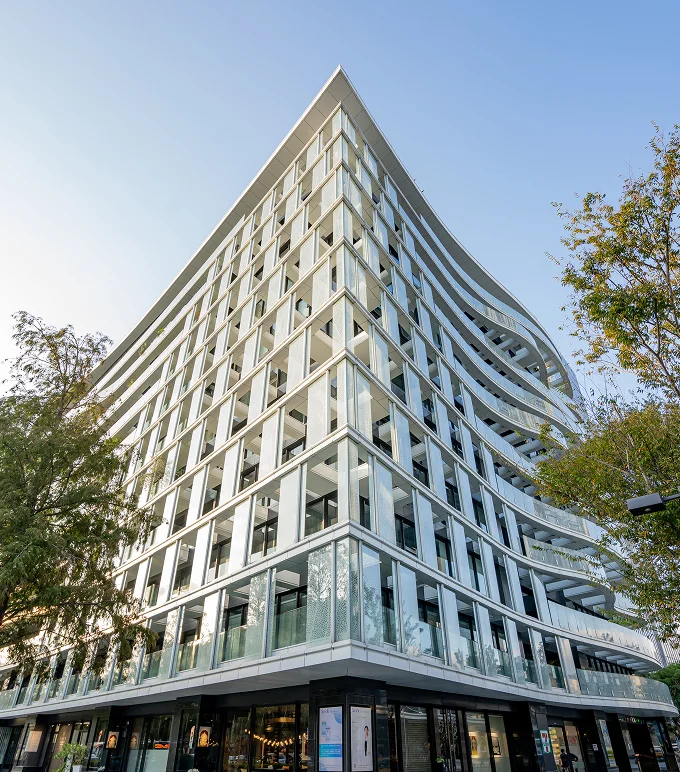
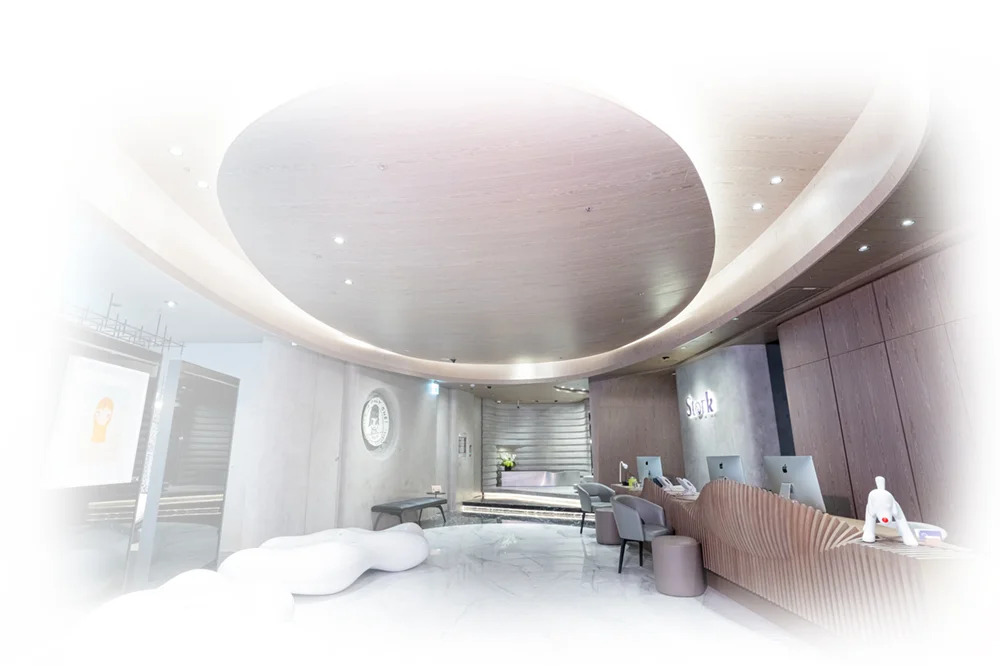
Stork 11 Fertility Center Taipei opened in 2018 as the Taipei campus of Stork Fertility Center, a reproductive network whose first clinic began in Hsinchu in 2000. The clinic is registered with Taiwan’s health authorities as 送子鳥11診所 (Stork 11 Clinic) and sits in the Dazhi Funhui development in Zhongshan District, a short drive from the Songshan and DaZhi MRT areas. The interior was designed around a “Core” concept and doubles as a display space for works by Yoshitomo Nara, Takashi Murakami and RAVI SINGH.
The center’s own milestone page dates each piece of its stack: 2000 Hsinchu clinic, 2010 biotech arm, 2014 gamete bank, 2017 PP-IVF protocol, 2018 Taipei campus, 2022 Implanted-Blastocyst Rescue (IBR), 2025 low-carbon egg freezing, 2026 HiSA platform. A Taoyuan flagship is listed as planned for the fourth quarter of 2027.
What the clinic calls PP-IVF (personal and precision IVF) is its main treatment line: stimulation intensity is set by ovarian reserve rather than by a standard protocol, and the lab work is done in house. Stork groups three technologies as its live-birth drivers — PP-IVF, the 4SG laboratory, and IBR. The 4SG lab uses Geri incubators with time-lapse imaging, so embryologists watch development continuously instead of removing embryos from stable conditions to look at them, and the lab runs two culture-medium lines in parallel.
Staffing figures the clinic publishes cover the whole network, not the Taipei campus alone: 6 reproductive medicine physicians, 2 anesthesiologists, 1 andrologist, and more than 250 staff including over 30 embryologists and 60 counselors.
Success rates — everything below is the clinic’s own reported figure. Under Taiwan’s Artificial Reproduction Act, clinics file cycle data with the National Health Administration, but the NHA does not release clinic-level success rates; it publishes annual totals and the licensed-institution roster only. Stork is not in the US CDC NASS or SART databases, which cover American clinics. There is no independent way to verify or compare these numbers against other clinics.
- 54.8% “graduation rate” on a first PP-IVF transfer (2023). The clinic defines graduation as a pregnancy reaching 12 weeks and states the gap to a live birth is about 2 percentage points.
- Egg thaw survival above 95% (2024), with the clinic noting extreme cases below 1%. A separate page describes vitrification results as a thaw survival rate holding above 94% and an average day-5/day-6 blastocyst rate of 50%.
- Averages for the PP-IVF program exceed 50% live birth rate, set against roughly 15% for IUI — the clinic publishes this as a comparison, without an age breakdown.
- 1 in 12 IVF babies in Taiwan comes from Stork, per the clinic’s note that this counts its own cases through 2025.
- 8,873 cumulative PP-IVF graduates and 8,153 babies, plus 150+ overseas cases (as of 2025). The clinic appends the standard caveat that outcomes vary by patient.
- Homepage counters: roughly 10,000 IVF graduates supported, 5,000 women who froze eggs, and over 100,000 eggs frozen in total. These are brand figures, not per-age statistics.
- The egg-freezing program started in 2009. The clinic reports pregnancies from frozen eggs at age 46, and thaw-and-live-birth cases after 13 and 12 years of storage. For donor-egg cycles it states only that success is considerably higher than using own eggs at advanced maternal age, without giving a number.
A third-party directory (LinkEDIVF, entry 114) carries older Stork figures covering 2000-2021: 1 in 14 IVF babies in Taiwan, 7,345 Stork babies worldwide, and a 14-week graduation rate of 59.756% across 424 mothers, with roughly a 5-point difference from the live-birth rate. Same reporting style, different cut-off year — treat the clinic’s 2023/2025 figures as current and these as historical.
Accreditations & Awards
- ASPIRE 2016 Best Oral Award (Asia Pacific Initiative on Reproduction) for a paper on sperm morphology and embry chromosome ploidy screened by PGS with next-generation sequencing; a poster from the same group was also accepted that year. Source: the clinic’s academic achievements page.
- Peer-reviewed publications in Scientific Reports (2021), Frontiers in Genetics (2021), Molecular Human Reproduction (2018), Molecular Cytogenetics (2017) and PLoS One (2016).
- Literature cited on Stork’s own treatment pages as the basis for its lab choices: Int. J. Mol. Sci. 2023, 24(1) on polarized microscopy of the meiotic spindle to time fertilization; Reprod Biomed Online 2024 May;48:104032 on wet versus dry culture; Am J Reprod Immunol 2025 and JBRA Assist Reprod 2024 on immune and thrombophilia monitoring in recurrent implantation failure and recurrent loss.
- Media interviews: Commonwealth Magazine (Business Today) on 2025-11-24 about a single successful transfer after 12 years of frozen eggs, and 姊妹淘/Sisters on 2026-07-31 on regular periods not equaling good ovarian reserve.
- NHA licensed-institution listing, northern region, updated 2025-11-07.
- Claims from the center’s English-language materials, without the denominators or age bands a registry would require: pregnancy rates “enhanced to 80%” through IMSI, PGS, PGD and ERA; an in-house PGS lab since 2015 that has tested over 9,000 embryos by NGS; one of the top five fertility centers in Taiwan; a conception at age 47 through IVF; an Asian record for a 62-year-old conceiving boy-girl twins; and the first Asian PGD case for a hemophilia carrier couple.
Why Choose Stork 11 Fertility Center Taipei
The embryology lab is on site and under continuous observation. Geri incubators give each embryo its own compartment with time-lapse imaging, so development from fertilization to splitting is recorded without opening the incubator. Stork reports 42 “home runs” in 2025 — cases where a single retrieved egg reached blastocyst. Its embryologists hold to a transfer rule the clinic states plainly: embryos graded BC or better are transferred or frozen, and CA/CB/CC blastocysts with a weak inner cell mass are not recommended for transfer.
Stimulation is chosen from your AMH number, in three bands. Above 3 with more than 8 antral follicles, strong stimulation with long or short gonadotropin protocols. Between 0.8 and 3 with 2-8 follicles, mild stimulation with short-acting injections. Below 0.8 with 0-2 follicles, natural cycle with oral medication. A separate low-carbon protocol cuts reported emissions by more than 50% and is built around “four fewers”: fewer injections, fewer blood draws, fewer visits, and 0-1 ultrasounds.
Immune and thrombosis monitoring is built into the cycle, not added later. Stork’s “three-in-one” model runs reproductive endocrinology, immunology and thrombosis screening as one protocol, with repeated blood draws around transfer and dynamic adjustment of medication. Implanted-Blastocyst Rescue (IBR), introduced in 2022, covers the days after transfer; the clinic says a pregnancy test can happen as early as day 4.
Fertility preservation is a standing service with published tiers. Egg freezing can start any time in the cycle without synchronizing to a period and needs three visits. For AMH above 3 the clinic offers a random-start protocol — adapted from cycles for cancer patients where there is no time to wait — completing in two weeks with three visits including the initial workup, monitoring and retrieval.
Donor-egg matching uses facial features. Stork describes matching recipients to a donor whose facial characteristics are closest, using image recognition and large datasets. Its English-language materials describe an egg-bank database of 300 donors; the Chinese pages describe screening a pool of about 200. The clinic does not publish which figure is current.
Scheduling is genuinely flexible for a working patient. Registration closes at 11:30, 17:00 and 20:30 across three daily sessions, so a follicular-monitoring scan can be done before work, at lunch, or after 18:00. The Smart Stork app handles booking, queue status, uploaded lab results, cycle progress, embryo imaging, cycle records, consent forms, payment and messaging.
IVF & Fertility Services
Stork’s service overview groups its offering into five categories. The list below follows that grouping.
- Infertility diagnostics: hysterosalpingography (HSG), AMH ovarian reserve, transvaginal ultrasound, WHO-standard semen analysis, hormonal blood panels, blood karyotype, autoimmune screening, combined cervical swab, hysteroscopy, endometrial receptivity array (ERA), endometrial microbiome (EMMA), and chronic endometritis infection testing (ALICE).
- Infertility treatment: timed intercourse assistance (TSI), IUI, PP-IVF, recurrent implantation failure (RIF) workup, ICSI/IMCI single-sperm injection, and surgical sperm retrieval by MESA or TESE.
- Genetic testing: PGT-A/PGS chromosome screening, PGT-M/PGD single-gene diagnosis, and the iGene carrier screening panel.
- Gamete bank: donor egg and egg-bank programs, donor sperm and sperm bank, egg donation and sperm donation, egg freezing for future use, and sperm freezing.
- Preventive services: premarital health checks, self-pay cervical smear screening, and the nine-valent HPV vaccine.
On the bench, the lab performs ICSI, high-magnification sperm selection (IMSI), spindle imaging, time-lapse culture, blastocyst culture and PGS.
Fees & Packages
These are the clinic’s self-published figures. Prices appear on Stork’s service pages, are not differentiated between the Taipei and Hsinchu campuses, and carry the clinic’s own “for reference only” note; actual cost moves with your AMH and protocol. TWD converted at roughly NT$32 = US$1.
| Item | Clinic-published fee | Approx. USD |
|---|---|---|
| One PP-IVF cycle | NT$200,000-280,000, medication included (stimulation, trigger, transfer support), monitoring (blood work, ultrasound) and lab work (retrieval, fertilization, culture, vitrification, transfer, thaw) | about $6,300-8,800 |
| Billed separately | PGT-M/PGD, PGT-A/PGS, epididymal or testicular sperm retrieval, donor egg or sperm package fees; international patient registration for foreign residents and overseas Taiwanese | quote from clinic |
| Egg freezing, one cycle | NT$80,000-90,000 / 80,000-90,000 / 90,000-100,000 / 110,000-130,000 by AMH tier; the same page also phrases it as “over NT$100,000 per cycle” | about $2,500-4,100 |
| Egg or sperm storage | NT$10,000 per year regardless of how many eggs are frozen; the sperm page lists NT$10,000 per year against a NT$12,000 list price | about $310 per year |
| Sperm freezing | NT$10,000-40,000 including testing and processing, varying by case | about $310-1,250 |
| Donor egg, whole program | NT$320,000-580,000, split by the clinic as testing NT$20,000-30,000, donor-egg package NT$240,000-520,000, transfer about NT$50,000 | about $10,000-18,100 |
| Egg donor stipend | Capped at NT$99,000, paid on the retrieval day and not reduced by egg count | about $3,100 |
| Sperm donor stipend | Capped at NT$8,000 under the Act, paid in cash at the end of treatment | about $250 |
| Semen analysis | NT$2,000 before 17:00, NT$2,450 from 17:00-19:00, NT$2,000 Saturday morning | about $63-77 |
| Premarital check | NT$3,300-5,000 per person, NT$8,000 for a couple including registration; add-on iGene carrier screening NT$28,000 per person or NT$52,000 per couple | about $103-1,625 |
Charity allocation: the clinic states it sets aside 3/1000 of treatment fees.
For donor-egg cycles the clinic is explicit about subsidy overlap: because the retrieval is performed on the donor, that portion cannot be claimed, but a married couple meeting the criteria can still claim the subsidy against the transfer stage.
Two public programs sit outside the clinic’s own pricing. The NHA’s “IVF Subsidy 3.0+” schedule the clinic publishes pays NT$150,000 for a first cycle and cycles 2-3 for patients under 40, NT$60,000 for cycles 4-6, NT$130,000 for the first and second cycles at age 40-44, and NT$150,000 for low- and middle-low-income households. Municipal egg-freezing subsidies listed by the clinic: Taipei NT$32,000 for women under 40 plus NT$3,000 per child for up to four years; New Taipei NT$70,000 under 40; Taoyuan NT$33,000 for ages 25-40 plus NT$6,000 for two years. Eligibility and amounts follow the current year’s announcement.
Patient Journey
- Book, then check in before the cutoff. Stork registers no walk-in patients at either campus. First-visit patients book through the Smart Stork app or by phone; booked patients must arrive before their session closes (11:30, 17:00, 20:30). Sessions are capped at 30 patients in the morning, 30 in the afternoon, 25 in the evening. The Taipei first session is a contracted national-insurance clinic session; the second and special-appointment sessions are self-pay, and the clinic states that infertility and ART treatment is fully self-pay.
- Baseline testing for both partners, on separate registrations. The clinic reminds couples that each partner registers separately for testing and for reviewing results. For men, semen analysis is the anchor test, with 2-5 days of abstinence beforehand; sperm takes about 72-75 days to mature, so the clinic suggests lifestyle and diet changes for 1-3 months and a repeat test, and treats 2-3 results as the better basis. For women: endocrine work (prolactin, TSH), AMH, antral follicle count by ultrasound on cycle day 2-4, and transvaginal ultrasound at day 1-3, day 12 and after the period ends, each with a different focus. HSG is scheduled on cycle day 7-11, takes 5-10 minutes, and gives a same-day result.
- Cycle planning, stimulation, retrieval and culture, transfer. The clinic quotes about three menstrual cycles for one IVF attempt, adjustable. Patients with eggs already frozen skip retrieval: eggs are thawed, fertilized with the partner’s sperm, cultured to blastocyst, and a transfer is scheduled. Testing splits into a routine tier (hysteroscopy, HSG, autoimmune screening to confirm the uterus is implantation-ready) and an advanced tier (PGT-A/PGS to select chromosomally normal embryos, ERA to pick the transfer window).
- Protocol confirmed by AMH, then retrieval. Strong, mild or natural-cycle stimulation is chosen from the AMH band, optionally as the low-carbon “four fewers” protocol. During stimulation the clinic uses a GnRH agonist trigger and a freeze-all thawed-transfer strategy when the cycle responds that way, which it credits with driving ovarian hyperstimulation syndrome close to zero. After retrieval, the clinic warns that a period arrives within 3-14 days and that heavy housework and intercourse should be avoided before it does.
- Implantation window and pregnancy test. Serial blood draws track immune and thrombosis markers; IBR intervention covers the days around transfer, and the clinic says pregnancy can be tested as early as day 4.
- Payment. The Taipei campus accepts ATM and e-ATM transfer, app payment, and autopay or wire. The app flow is register and verify, open Fee Information, choose Online Payment, select the item and method, confirm the amount and enter transfer details.
- International patients. Stork’s English-language process is: online consultation, protocol briefing, document preparation, first visit on cycle day 2-4 with a stay of about 15 days to finish paperwork, testing and retrieval, fertilization and blastocyst culture, blastocyst freezing, collect the medication package for transfer, transfer (you can carry the medication home), then pregnancy follow-up. Bring photo ID and passports for both spouses and the original notarized marriage certificate; the clinic notes that notarization formalities differ by the office where the marriage was registered. Its international services are an assigned IVF consultant, visa assistance in selected regions, medical consultation, protocol design, and scheduling built to minimize trips to Taiwan.
Local Legal Framework
- Only licensed institutions may perform ART. Stork states that it is a reproductive medicine center approved by the Ministry of Health and Welfare’s National Health Administration, which is what allows it to receive, store or supply gametes, and that its embryology laboratory passed the NHA institutional evaluation. The NHA’s licensed-institution roster (102 institutions, updated 2025-11-07) lists 送子鳥11診所 in the northern region at the same address and phone number.
- Treatment is limited to married different-sex couples. The clinic states plainly that under the Artificial Reproduction Act, IUI and IVF in Taiwan are open only to legally married opposite-sex couples. Single women and LGBTQ families are offered egg freezing and cross-border egg transport as technical services, not assisted reproduction performed in Taiwan.
- No sex selection. Asked whether embryos can be sexed, the clinic’s answer is that the technique exists but Taiwan’s Act does not allow it; PGT-A/PGS is limited to chromosome screening and blocking disease.
- Donation is anonymous, double-blind, and you cannot pick the donor. Citing Article 13 of the Act, the clinic states that a medical institution may not use a specific donor’s gametes because a couple requests them, and a donor may not direct their gametes to a specific recipient — bringing a friend or relative to donate is not available. Donor records are confidential; recipients receive race, skin tone and blood type only, and neither side learns the other’s identity. One egg donor may bring a live birth for only one couple.
- Consanguinity lookup exists at the NHA. The clinic quotes a statistical estimate that consanguineous marriage arising from gamete donation is about one in fifty million, and describes the NHA’s procedure for checking whether the intended spouse of a donor-conceived child has a biological relationship to them. The lookup does not disclose the donor.
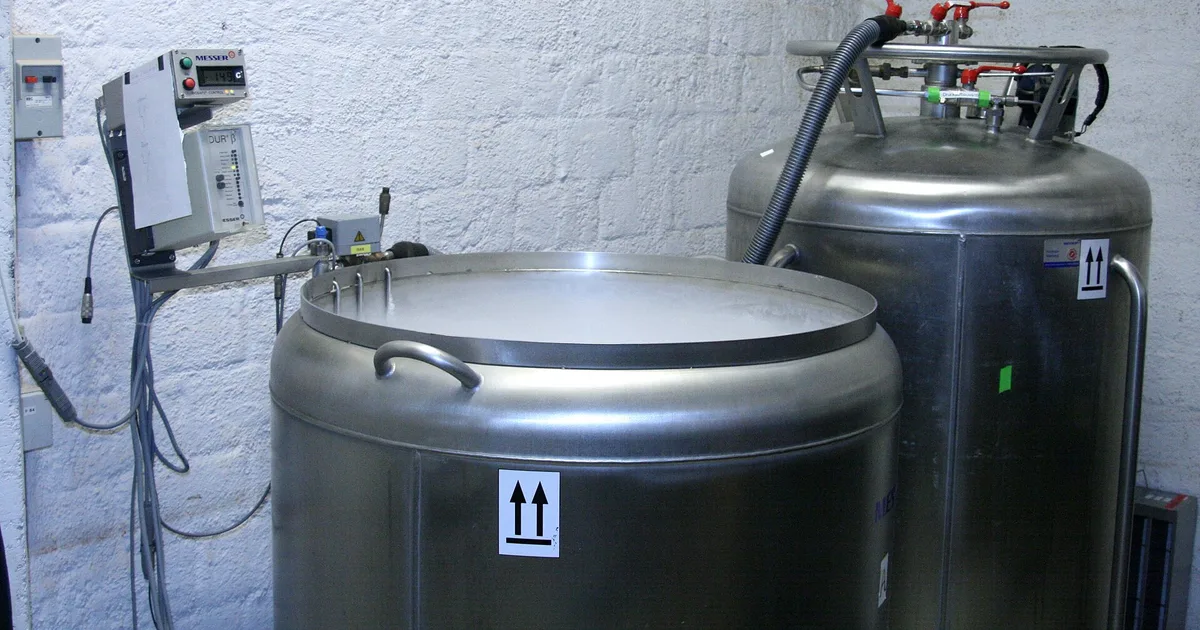
- Storage limits. Sperm stored in liquid nitrogen at -196°C has no technical expiry, but the clinic states the Act requires a written application to extend storage after ten years.
- Stipend ceilings. The sperm figure, NT$8,000, is attributed by the clinic to the Act. The egg donor ceiling of NT$99,000 is the clinic’s own published number and is not tied to a statute article, so it should not be read as a legal maximum.
- Subsidies are administrative programs, not legal entitlements. The clinic references NHA 2023 procedure reporting and the annual Taiwan ART results analysis for context; qualifying conditions and amounts follow the current year’s announcement.
- Laboratory conduct rules. The lab statement page requires tests to follow prescribed procedures, forbids adding or dropping test items without physician agreement or legal requirement, retains results and reports for seven years for traceability, and requires supervisory approval to copy or transmit those records.
Location
- Address: No. 189, Lequn 2nd Rd., Zhongshan District, Taipei 104, Taiwan (1F-2F)
- Phone: +886-2-2532-3357