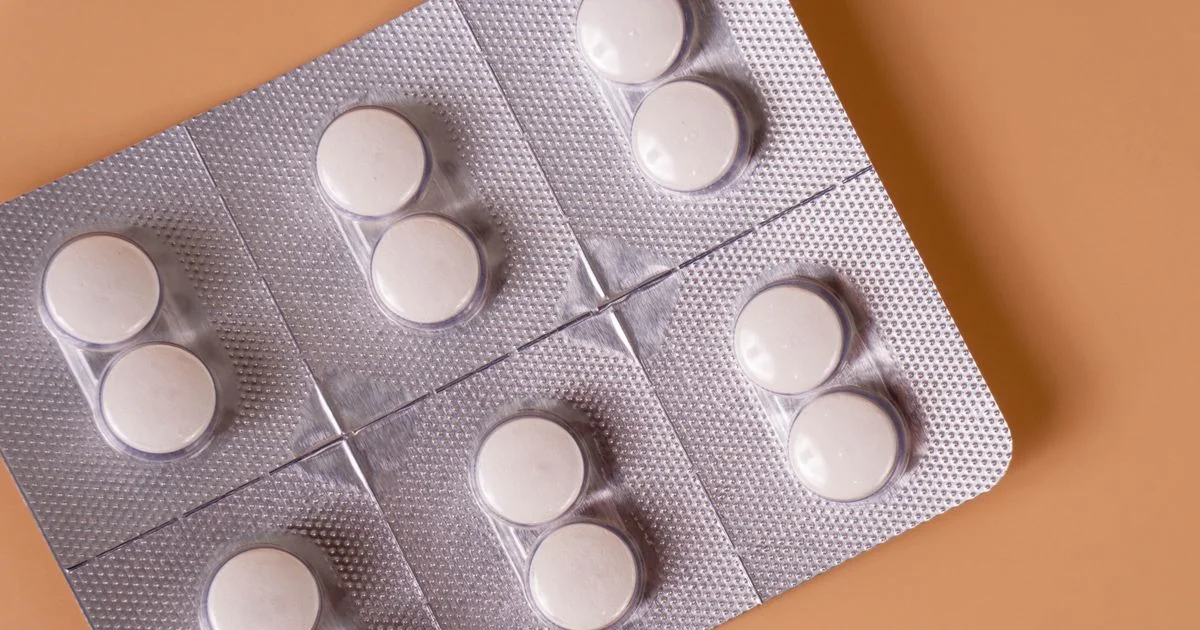
Provera is the tablet brand of medroxyprogesterone acetate (MPA), a synthetic progestin that in IVF suppresses the pituitary rather than supporting the luteal phase. At 10 mg daily from the start of stimulation it blocks a premature LH surge — the luteinizing-hormone spike that would release the egg before the trigger shot — so a freeze-all cycle becomes unavoidable.
This article was prepared by the ProIVF medical editorial team from the randomized trials, meta-analyses and guideline documents cited below, and reviewed by the ProIVF Medical Advisory Board. Doses and prices that reflect routine practice rather than a published trial are flagged as such in the text.
Is Provera the same thing as progesterone?
No — and confusing the two is the most common error patients make. Provera is medroxyprogesterone acetate, a synthetic progestin taken by mouth, while luteal support — progesterone given after egg collection to help the lining hold an embryo — uses micronized progesterone, usually vaginally.
| Provera (MPA) | Micronized progesterone | |
|---|---|---|
| Drug class | Synthetic progestin (C21 derivative) | Bioidentical progesterone |
| Main IVF role | Suppress premature LH surge, cycle scheduling | Luteal support, endometrial transformation |
| Typical dose | 4–10 mg once daily | 200–800 mg daily, usually vaginal |
| Fresh transfer possible | No | Yes |
| Use in early pregnancy | Stopped before transfer | Continued through the first trimester |
Both drugs bind the progesterone receptor, which is why one tablet can hold back ovulation. The difference is potency, route and what the lining of the womb does in response — and that last point decides whether a fresh transfer is possible.
How does a progestin stop ovulation during stimulation?
MPA acts on the hypothalamus and pituitary to keep LH pulses low, so the follicle does not rupture before the trigger shot. Because the tablet is oral and has a long half-life, suppression stays steady without a daily injection.
The trade-off is the endometrium, the lining of the womb. Progestin exposure before egg collection advances its maturation, so the implantation window moves earlier than the embryo’s own timeline. Freezing every embryo and transferring in a later cycle resolves that mismatch, which is why progestin-primed ovarian stimulation (PPOS) is described as “freeze-all by design” rather than as a convenience.
What dose is used — 10 mg or 4 mg?
Ten milligrams daily is the dose used in most published PPOS protocols. A 300-woman randomized trial found that 4 mg performed much the same.
In that trial, women received 225 IU of human menopausal gonadotropin plus either 10 mg or 4 mg of MPA from cycle day 3. Oocytes retrieved were 9.8 ± 6.3 versus 9.6 ± 5.9, viable embryos 4.2 ± 2.6 versus 3.7 ± 3.0, and clinical pregnancy after frozen transfer 58.0% versus 48.7%. Live birth per participant was 48.7% versus 42.0%, none of which reached significance (BJOG, 2017). Neither arm recorded a premature LH surge or a case of OHSS — ovarian hyperstimulation syndrome, where the ovaries over-respond and fluid shifts into the abdomen.
The practical reading is that 10 mg is the mainstream choice. A 4 mg dose is reasonable where a lighter progestin load matters, but the gap between the two has not been shown to change outcomes. What does matter is timing: take the tablet at roughly the same hour each day until the trigger.
Does it work as well as injectable antagonists?
For most outcomes, yes. A systematic review of seven studies and 2,047 women found progestins comparable to GnRH antagonists — daily injections that block the pituitary directly — on effectiveness and safety, with slightly longer stimulation and more gonadotropin used (Reprod Biomed Online, 2020).
The same review reported higher live birth or ongoing pregnancy per transfer with progestin-primed cycles than with the short GnRH agonist protocol (RR 1.49, 95% CI 1.16–1.91). Most included studies were not randomized, so treat that advantage as suggestive rather than settled.
The 2021 Human Reproduction Update review pooled the wider literature and landed in a similar place. Live birth, ongoing pregnancy and clinical pregnancy rates per transfer were comparable between progestins and GnRH analogs, and the euploidy rate of embryos was no different (Hum Reprod Update, 2021). Gonadotropin consumption was 648 IU lower than with a long agonist protocol and 433 IU higher than with a short agonist protocol. In women with PCOS, a 2024 meta-analysis of eight studies and 2,156 patients found PPOS comparable on oocyte yield and pregnancy outcomes, with a lower OHSS risk but a higher gonadotropin dose (Arch Gynecol Obstet, 2024).
One number from an early controlled study of 300 patients is worth keeping: the premature LH surge rate on MPA was 0.7%, one case in 150 cycles (Fertil Steril, 2015). The same study reported clinical pregnancy of 47.8% versus 43.3% and live birth of 42.6% versus 35.5% in the subsequent frozen transfers, neither significant.
Who is it for, and who should avoid it?
PPOS fits cycles where a fresh transfer was never the plan.
- Egg freezing and fertility preservation, where all oocytes are vitrified regardless of protocol.
- Preimplantation genetic testing, where embryos are biopsied and frozen before transfer.
- High responders and PCOS, where a lower OHSS risk is worth the extra gonadotropin.
- Donor egg and double stimulation cycles, both of which already rely on freezing.
- Patients who want fewer injections, or who are traveling and cannot manage daily antagonist injections.
It is a poor fit for anyone hoping for a fresh transfer. Women with a history of thrombosis or other contraindications to progestins should also avoid it, as should anyone who cannot take a tablet at a consistent time each day. It is also not luteal support: that is a separate micronized-progesterone prescription, started around egg collection.
Is it safe for eggs, embryos and the baby?
The available data are reassuring on embryo genetics. The 2021 review found the proportion of euploid (chromosome-normal) embryos similar to conventional stimulation, called obstetric and neonatal outcomes reassuring, and flagged that mandatory cryopreservation can raise the cost per live birth (Hum Reprod Update, 2021).
One safety point is not negotiable: MPA is stopped before transfer. The drug is not intended for use in pregnancy, and PPOS protocols schedule the last tablet before the trigger shot, with luteal support handed over to vaginal progesterone.
“Progestins can effectively prevent premature ovulation in assisted reproductive technology cycles.” — Reproductive BioMedicine Online, 2020 systematic review and meta-analysis
That sentence is a fair summary of where the evidence sits: effective at the job it is used for, with questions about cost and neonatal follow-up still open.
Five myths worth correcting
Myth 1: Provera is a luteal support drug. It is not — it is a pituitary suppressor.
Luteal support uses 200–800 mg of micronized progesterone daily, roughly 20 to 80 times the PPOS dose. Using MPA in that role would under-treat the luteal phase and expose a pregnancy to a drug not intended for it.
Myth 2: 4 mg is always too little. In the 300-woman randomized trial, 4 mg and 10 mg produced comparable oocyte numbers, pregnancy rates and live birth rates, with no premature LH surge in either group (BJOG, 2017).
Myth 3: PPOS is cheaper, so it is the budget option. The tablets are inexpensive, but the protocol requires freezing and a later transfer, and the 2021 review notes that this can increase cost per live birth compared with a fresh transfer (Hum Reprod Update, 2021).
Myth 4: You can use it to delay a period whenever it suits you. MPA can schedule a cycle, but only on prescription. Taking it during an unrecognized pregnancy is unsafe, and self-directed use can also mask a missed period.
Myth 5: Oral progestin means weaker eggs. Oocyte yield, mature oocyte numbers and euploidy rates in the published comparisons are similar to antagonist protocols. The difference that consistently shows up is more gonadotropin used, not worse eggs.
Two patients on a progestin-primed cycle
The cases below are composites drawn from routine practice; names, cities and exact figures have been altered, and no identifying information is included.
Case 1: 33, Beijing, PCOS, second cycle after an OHSS scare. Her first antagonist cycle produced 21 oocytes and a hematocrit rise — a sign of OHSS — that worried the clinic enough to cancel the fresh transfer. For the second cycle the team switched to MPA 10 mg daily with 150 IU of gonadotropin, retrieved 18 oocytes, and froze six blastocysts. The first frozen transfer produced a live birth. The MPA for the whole stimulation cost under RMB 100, against roughly RMB 2,000 for the antagonist injections it replaced. “The difference was not the money, it was not having to think about injections every night,” she said.
Case 2: 37, Bangkok, elective egg freezing before a job move. She wanted maximum oocytes in one cycle with the fewest clinic visits, so the clinic used MPA 10 mg daily alongside 225 IU of gonadotropin, retrieved 14 oocytes and vitrified nine mature ones. She calculated the saving at about RMB 3,000 against the antagonist quote she had received in another country. “I only had ten days in the city,” she said, “so a protocol with fewer appointments decided it for me.”
FAQ
Is Provera the same as progesterone suppositories?
No. Provera is medroxyprogesterone acetate 10 mg, a pituitary suppressor, while luteal support uses 200–800 mg of micronized progesterone daily, usually vaginally — 20 to 80 times the dose.
Can I have a fresh embryo transfer on a PPOS cycle?
No. Progestin exposure advances endometrial maturation, so with a 10 mg daily dose embryos are frozen and transferred in a later cycle.
The 300-woman trial behind that dose reported pregnancy rates after frozen transfer only, and the 2021 review names this mandatory cryopreservation as the main cost drawback (Hum Reprod Update, 2021).
How long do I take Provera during stimulation?
From the first or third day of stimulation until the trigger shot, typically 8 to 12 days. In the 2015 controlled study, only one of the 150 MPA-treated patients had a premature LH surge, a rate of 0.7% (Fertil Steril, 2015).
Is 10 mg a day too much?
Ten milligrams is the standard PPOS dose and the dose used in most published protocols. A randomized trial of 300 women found 4 mg comparable, so the choice is a clinical judgment rather than a fixed rule (BJOG, 2017).
Does PPOS lower my chance of success?
Published comparisons show live birth and clinical pregnancy per transfer similar to antagonist protocols. In PCOS there is a lower OHSS risk, offset by more gonadotropin used (Arch Gynecol Obstet, 2024).
The main cost is time: stimulation ran about 0.6 days longer in the pooled analysis.
Can I take Provera if I might be pregnant?
No. MPA is stopped before embryo transfer and is not intended for use in pregnancy; a blood hCG test above 5 mIU/mL means the drug is not started.
Planning your next step
If a clinic has proposed a progestin-primed cycle, ask three questions: which drug and dose they use, whether the plan includes freezing and a later transfer, and how luteal support will be handled. Our stimulation protocol guide sets PPOS against agonist and antagonist protocols side by side, and frozen embryo transfer explains what the second half of the cycle involves.
For readers weighing egg freezing rather than a transfer, the egg freezing guide covers the same protocol from the fertility-preservation angle, while fertility drugs explained places MPA among the other medications in a cycle. Compare centers that offer progestin-primed stimulation in our hospital directory, or contact our editorial team if you want help writing questions for your consultation.
Medical disclaimer: this article is educational and does not replace individual medical advice. Medroxyprogesterone acetate must be prescribed and monitored by a fertility specialist; do not start, stop or change any medication based on this text.
How this article was produced: written by the ProIVF medical editorial team, checked against the trial reports and PubMed records linked above, and reviewed by the ProIVF Medical Advisory Board. We have no financial relationship with any manufacturer, pharmacy or clinic named here. Learn more about our editorial process.
Last updated: 15 November 2026.





