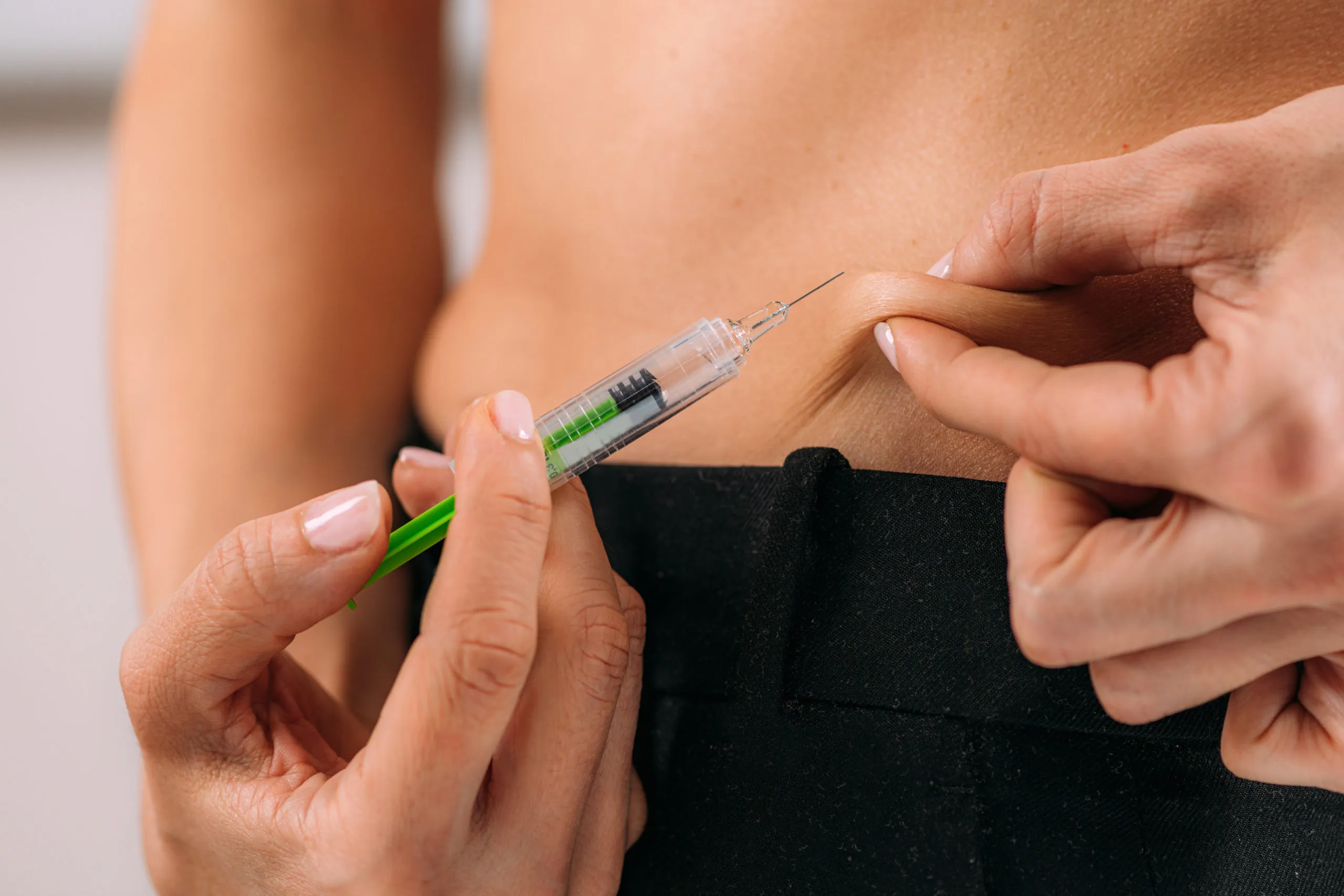
IVF stands for in vitro fertilization — Latin for “fertilization in glass,” describing an egg and sperm united in a laboratory dish, then transferred into the uterus. Since the first IVF birth in 1978, the technique has produced an estimated 10-13 million babies worldwide, per the ICMART 40-year estimate.
Understanding those three letters — and what they do not mean — is the foundation for every fertility decision ahead. This guide, compiled by the ProIVF Medical Editorial Team from ASRM, ESHRE, CDC, SART, and HFEA data and reviewed by reproductive medicine specialists, gives you the complete picture.
IVF by the Numbers: Key Facts at a Glance
Seven figures frame everything that follows:
| Metric | Value | Source |
|---|---|---|
| Infants born via ART worldwide, 1978-2018 | 9,829,668-13,019,331 estimated | Adamson 2025 |
| ART cycles reported globally, 2019 | 3,544,683; ≥3.86 million estimated | Dyer 2025 |
| Infants born from those reported cycles | 783,073; >865,914 estimated | Dyer 2025 |
| First IVF baby (Louise Brown) | 1978 | Steptoe & Edwards, The Lancet |
| Nobel Prize for IVF’s development | 2010 | Edwards, Nobel lecture |
| Cycles in the US SART registry, 2014-2022 | 2,275,167 | Albright 2026 |
| Share used by non-US residents | 2.6%, from 182 countries | Albright 2026 |
“Ten million and up to 13 million or more infants have been born from ART in the 40 years since the first ART-conceived infant was born in 1978.” — Adamson GD et al., Fertility and Sterility 2025 · PMID 39947276
What Does Each Letter in IVF Actually Mean?
The acronym packs three words, two of them Latin.
”In Vitro” — the Latin Root
“In vitro” (pronounced in VEE-tro) comes straight from Latin: “in” = within, and “vitro” = the ablative of vitrum, glass. Lab biologists have used it since the 19th century for experiments run in glass vessels — the opposite of “in vivo,” inside a living organism.
The scientific habit of Latin naming dates to the 17th century, when Latin was the international language of science; “in vitro” entered human reproduction research in the 1930s, when scientists first described fertilizing human eggs in laboratory glassware.
”Fertilization” — the Biological Event
Fertilization is the moment a sperm penetrates an egg and their genetic material fuses into a single cell, the zygote. Naturally this happens in the fallopian tube; in IVF it happens in the lab.
What fertilization is not:
- Not implantation — that is the embryo attaching to the uterine wall, days later
- Not pregnancy itself
- Not legally identical to “conception” in every jurisdiction
- Not automatic — total fertilization failure still occurs in about 9% of cycles with no known oocyte gene mutation, per a 2026 meta-analysis
The Full Technical Name: IVF-ET
The complete procedure is formally IVF-ET — in vitro fertilization and embryo transfer. In everyday usage, “IVF” has absorbed both halves — fertilization and transfer.
Where Did the Term IVF Come From?
The phrase is barely 90 years old in science and under 50 in public use.
1934 — first recorded use. Gregory Pincus and E. V. Enzmann published “Can Mammalian Eggs Undergo Normal Development in Vitro?” in PNAS (1934;20(2):121-122) — PNAS, 1934.
A one-line Science record the following month is titled “The Fertilization of Rabbit Eggs in Vitro” (1934;79(2045):7) — Science, 1934. Pincus later co-developed the birth-control pill.
1944 — from rabbit eggs to human eggs. John Rock and Miriam F. Menkin, working at Harvard, reported the first fertilization of human ovarian eggs outside the body in “In Vitro Fertilization and Cleavage of Human Ovarian Eggs” — Science, 1944.
1978 — into the public eye. Robert Edwards and Patrick Steptoe spent more than a decade refining the technique; on 25 July 1978 Louise Brown, the first baby conceived by IVF, was born — The Lancet, 1978. Newspapers called her a “test tube baby,” and Edwards received the 2010 Nobel Prize in Physiology or Medicine for the work — Nobel lecture.
The Acronym’s Timeline
| Era | Evolution | Significance |
|---|---|---|
| 1934 | ”In vitro fertilization” used in animal research | Pincus, rabbit eggs |
| 1944 | First human in vitro fertilization | Rock & Menkin, Harvard |
| 1960s | Edwards begins systematic human IVF research | Cambridge University |
| 1970s | ”In vitro fertilization” becomes standard medical term | Steptoe & Edwards partnership |
| 1978 | ”Test tube baby” dominates headlines | Louise Brown born |
| 1980s | ”IVF” abbreviation becomes literature standard | First IVF clinics open worldwide |
| 1990s | IVF expands to ICSI, PGT and sub-technologies | Treatment protocols evolve rapidly |
| 2000s–present | IVF becomes the umbrella term for lab-based ART | 3.54 million cycles reported globally in 2019 |
What IVF Does NOT Mean: 7 Common Myths
These seven misconceptions about what the acronym excludes cause real financial and medical mistakes.
Myth 1: IVF Means the Baby Grows in a Test Tube
The embryo spends 3-6 days in a culture dish, then transfers to the uterus — the remaining 9 months of pregnancy happen inside the mother, exactly as in natural conception. The “test tube baby” label was a 1970s media shortcut: early IVF research genuinely used glass tubes for labelling and handling, and reporters found the phrase catchier than “in vitro fertilization.”
Myth 2: IVF Is a Single Procedure
IVF is a chain of steps — ovarian stimulation, egg retrieval, fertilization, embryo culture, optional genetic testing, and transfer — and each step carries its own medical decisions. A good overview is our step-by-step IVF process guide.
Myth 3: IVF Always Uses the Woman’s Own Eggs
IVF is a platform technology that can incorporate donor eggs, donor sperm, and gestational carriers. In the US SART registry, 9% of cycles for US residents used donor oocytes, versus 52% for non-US residents at the same clinics — Albright 2026.
Myth 4: IVF Stands for “Intravenous Fertilization” or “Infertility Vaccination”
These internet jokes are mostly harmless — until insurance forms are involved. Medical records, ICD-10/CPT coding, and consent documents require the exact term “in vitro fertilization,” as mandated by ASRM, ESHRE, and the WHO.
Myth 5: IVF and IUI Are the Same Thing
IUI (intrauterine insemination) places washed sperm directly into the uterus — fertilization still happens inside the body, in the fallopian tube. IVF moves fertilization outside the body entirely.
The gap in outcomes and pricing is enormous:
| Comparison | IVF | IUI |
|---|---|---|
| Where fertilization happens | Lab dish (outside body) | Fallopian tube (inside body) |
| Per-cycle success, under 35 | 30-55% | 8-20% |
| Typical US cost | $15,000-$30,000 | $300-$1,000 |
| Invasiveness | Moderate (retrieval procedure) | Minimal |
| Eggs involved | Multiple (stimulated) | 1 (natural ovulation) |
Myth 6: IVF Always Involves Freezing Embryos
Frozen embryo transfer (FET) now outnumbers fresh: worldwide, 61.8% of autologous transfers without PGT were frozen-thawed in 2019, up from 14.8% in 2015, and freeze-all cycles reached 38.4% — Dyer 2025. Freezing is an option, not a definition.
Myth 7: IVF Is Short for “Incredibly Very Frustrating”
A viral social-media joke, not a medical term. The only expansion recognized in medical records and consent forms is “in vitro fertilization”.
The Fertility Alphabet: Related Acronyms Every Patient Should Know
One acronym opens the door; treatment hands you about twenty more. Keep these four tables as a consultation cheat-sheet.
Core Treatment Terms
| Acronym | Stands For | Meaning |
|---|---|---|
| ART | Assisted Reproductive Technology | Umbrella term for all treatments handling eggs or embryos |
| IUI | Intrauterine Insemination | Washed sperm placed directly into the uterus |
| ICSI | Intracytoplasmic Sperm Injection | One sperm injected into one egg; used in 84% of US-resident cycles |
| FET | Frozen Embryo Transfer | Transfer of a previously frozen, thawed embryo |
| ET | Embryo Transfer | Placing an embryo into the uterus |
Testing and Screening Terms
| Acronym | Stands For | Meaning |
|---|---|---|
| PGT-A | Preimplantation Genetic Testing for Aneuploidy | Screens embryos for chromosome number |
| PGT-M | Preimplantation Genetic Testing for Monogenic Disorders | Screens for single-gene diseases |
| PGT-SR | Preimplantation Genetic Testing for Structural Rearrangements | Screens for chromosome structural issues |
| NIPT | Non-Invasive Prenatal Testing | Blood-based screening during pregnancy |
Clinical Terms
| Acronym | Stands For | Meaning |
|---|---|---|
| OHSS | Ovarian Hyperstimulation Syndrome | Possible complication of stimulation meds |
| AMH | Anti-Müllerian Hormone | Key ovarian reserve marker |
| FSH | Follicle Stimulating Hormone | Stimulation medication |
| HCG | Human Chorionic Gonadotropin | Trigger shot for final egg maturation |
| E2 | Estradiol | Estrogen monitored during stimulation |
| LBR | Live Birth Rate | The success metric that matters most |
| CPR | Clinical Pregnancy Rate | Pregnancy confirmed on ultrasound |
| SAB | Spontaneous Abortion | Miscarriage |
| RPL | Recurrent Pregnancy Loss | Repeated miscarriages |
Organizations Behind the Acronyms
| Acronym | Organization | Role |
|---|---|---|
| ASRM | American Society for Reproductive Medicine | US clinical guidelines |
| ESHRE | European Society of Human Reproduction and Embryology | European guidelines |
| HFEA | Human Fertilisation and Embryology Authority | UK fertility regulator |
| SART | Society for Assisted Reproductive Technology | US clinic success reporting |
| ICMART | International Committee for Monitoring ART | Global ART data tracking |
| WHO | World Health Organization | Defines infertility as a disease |
Why the Exact Definition Matters in Clinic, Court, and Insurance
Getting the term right has money-and-law consequences.
Insurance and Medical Records
Policies, ICD-10/CPT codes, and consent forms use precise language: a plan covering “IVF” may exclude “ICSI” or “PGT-A” even though both happen inside a modern IVF cycle. Plans also disagree on when a “cycle” begins — with stimulation drugs or with retrieval.
Clarify the wording before treatment; the difference can be several thousand dollars out of pocket. Pricing context is in our IVF cost guide.
Legal Definitions
In some jurisdictions the legal meaning of “IVF” determines:
- Embryo disposition — who decides the fate of frozen embryos
- Parentage law — who is the legal parent when donors or carriers are involved
- Posthumous reproduction — whether stored embryos may be used after a partner dies
- Insurance mandates — which states must cover fertility treatment
Reading Success Statistics Correctly
“Live birth rate per IVF cycle” and “live birth rate per embryo transfer” are different denominators — the second silently drops cycles that never reach transfer — worldwide, delivery ran 22.9% per oocyte retrieval against 31.3% per fresh transfer and 48.7% per transfer after PGT — Dyer 2025. Our IVF success rate by age guide breaks down which metric clinics quote.
How “IVF” Shifts Meaning Across Contexts
The same three letters mean slightly different things in three rooms. In clinics, IVF is the full sequence: stimulation → retrieval → fertilization → culture → transfer, with precise sub-terms for each phase.
In news media, “IVF” is a catch-all for almost any fertility treatment, including cycles that were really IUI or a donor programme. On social media, #IVFjourney mostly narrates the emotional arc — injections, waiting, hope, grief — rather than the medicine.
What Patients Say About Learning What IVF Means
Four anonymized accounts, drawn from common patient experiences, show why the vocabulary matters early.
Sarah, 36, Melbourne — “I thought it was one appointment, not a 10-step journey”
Sarah, 36, from Melbourne, pictured IVF as a quick procedure from her referral letter — the reality was 10-14 days of daily injections, ultrasound monitoring, a retrieval under sedation, days of lab culture, and a 5-minute transfer.
“My referral letter just said ‘IVF’ and I pictured a quick procedure. I remember Googling ‘what does IVF stand for’ at 2 a.m. and spending two hours on stimulation protocols and embryo grading. The reality: 10-14 days of daily injections, 4-6 ultrasound monitors, a 30-minute retrieval under sedation, 3-6 days of lab culture, and a 5-minute transfer. Understanding the acronym was the first time I felt in control.”
Chen, 34, Shanghai — “The Latin intimidated me — then it clicked”
Chen, 34, from Shanghai, was intimidated by the Latin until a doctor held up a picture of a petri dish — once it clicked that “in vitro” literally means “in glass,” everything made sense.
“I knew ‘IVF’ but never grasped ‘in vitro’ until my doctor held up a picture of a petri dish. Once I got that it literally means ‘in glass,’ everything made sense: the egg and sperm just meet somewhere else. Biologically, nothing else changes. That one insight cut my anxiety in half.”
Angela, 42, New York — “An $8,000 lesson: acronyms are not academic”
Angela, 42, from New York, saw her insurance cover “IVF” — until the fine print revealed ICSI and PGT billed as separate, excluded services, nearly $8,000 together.
“My insurance covered ‘IVF’ — until I read the fine print and found ICSI and PGT billed as separate, excluded services, nearly $8,000 together. If I had assumed ‘IVF is IVF,’ that surprise bill would have landed on me. Knowing the abbreviations is personal finance, not pedantry.”
Maria, 39, Mexico City — “It read like a foreign language until we started with IVF”
Maria, 39, from Mexico City, kept receiving overseas clinic brochures dense with IUI, IVF, ICSI, PGT, FET, and OHSS — a coordinator’s advice to master IVF first brought the whole treatment map into focus within a week.
“Every overseas clinic sent brochures dense with IUI, IVF, ICSI, PGT, FET, OHSS. My husband wanted to quit researching and just pick the most expensive clinic. A coordinator told us to master IVF first — everything else builds on it. She was right: after a week, the whole treatment map came into focus.”
FAQ
Q: What does the V in IVF stand for?
The V is the second word of the 3-letter acronym: “vitro,” Latin for glass — so “in vitro” literally means “in glass.” It is not an English word, which is exactly why the term sounds foreign to most patients.
Q: Is IVF the same thing as a “test tube baby”?
In everyday speech, yes — media still call IVF “test tube baby” treatment; medically the label is wrong: embryos grow in a culture dish for 3-6 days, then transfer to the uterus.
Q: What is the difference between IVF and ICSI?
IVF is the whole treatment; ICSI is one fertilization technique inside an IVF cycle. Conventional IVF mixes eggs and sperm together in a dish; ICSI injects a single sperm directly into each egg.
84% of cycles for US residents include ICSI; for non-US patients treated in the US it is 93% — Albright 2026. Rule of thumb: all ICSI is IVF, not all IVF is ICSI.
Q: Is “in vitro” used anywhere outside fertility treatment?
Yes — since 1934 the phrase has described any biological process run outside a living organism. Everyday examples include in vitro diagnostics (blood and tissue tests), lab drug screening on cultured cells, and cultivated (“test-tube”) meat.
Its opposite, “in vivo,” means inside a living body.
Q: When did “IVF” become the standard abbreviation?
The 3-letter form appeared in medical literature in the late 1970s, right after Louise Brown’s 1978 birth, and replaced the full phrase in common usage by the mid-1980s as clinics opened worldwide. A PubMed title-or-abstract search for “IVF” returned 34,689 records in September 2026.
Q: Does IVF always use my own eggs?
No — IVF works with your own eggs, donor eggs (9% of cycles for US residents in the 2014-2022 SART registry), previously frozen eggs, or a gestational carrier’s uterus.
The laboratory process — retrieval, fertilization, culture — is identical regardless of egg source.
Q: How do I explain IVF to someone who has never heard of it?
Try this 2-sentence version: “IVF means in vitro fertilization. Doctors collect eggs, fertilize them with sperm in a lab to make embryos, then place the best embryo in the uterus — one cycle takes about 2-3 months.”
Q: Why do doctors say the acronym instead of the full term?
Efficiency and precision — a reproductive endocrinologist uses “IVF” dozens of times a day, and the term maps to standardized ICD-10 and CPT codes used in billing and records. Guidelines expect the full phrase “in vitro fertilization” at first explanation and on consent forms.
What to Do Now That You Know What IVF Stands For
The vocabulary is step one; four actions turn it into a plan.
- Check whether IVF is actually your treatment. Not every fertility struggle needs it — for some diagnoses, IUI or medication-only protocols come first. Our IVF procedure explainer shows where it fits.
- Learn the neighboring acronyms. At minimum ICSI, PGT, FET, and OHSS — the tables above cover all 20+.
- Vet clinics, not just terms. Success rates vary widely by lab and patient mix; browse our IVF hospital directory for profiles, outcomes, and reviews.
- Map the full journey. Read what IVF is: the complete process, success rates by age, and what treatment costs.
3 Questions to Ask at Your First Consultation
- “Which specific version of IVF do you recommend for my case?” — surfaces whether ICSI, PGT, or other add-ons are truly needed
- “Does your quoted cycle include everything from stimulation to transfer?” — exposes what the price actually covers
- “What is your live birth rate per started cycle for patients my age?” — gets the most honest success metric
Sources
- Adamson GD, Creighton P, de Mouzon J, Zegers-Hochschild F, Dyer S, Chambers GM. Fertility and Sterility, 2025;124(1):40-50. DOI: 10.1016/j.fertnstert.2025.02.009 · PMID 39947276
- Dyer S, Chambers GM, Jwa SC, Baker VL, et al. Fertility and Sterility, 2025;124(4):679-693. DOI: 10.1016/j.fertnstert.2025.06.003 · PMID 40513636
- Albright NL, Gaskins AJ, Hipp HS, Kawwass JF. American Journal of Obstetrics and Gynecology, 2026;235(1):86-95 · PMID 41722751
- Kepkep B, Botos MS, et al. Reproductive Biology and Endocrinology, 2026;24. DOI: 10.1186/s12958-026-01546-9 · PMID 42001136
- Rock J, Menkin MF. “In Vitro Fertilization and Cleavage of Human Ovarian Eggs.” Science, 1944;100(2588):105-107. DOI: 10.1126/science.100.2588.105
- Pincus G, Enzmann EV. “Can Mammalian Eggs Undergo Normal Development in Vitro?” PNAS, 1934;20(2):121-122. DOI: 10.1073/pnas.20.2.121; “The Fertilization of Rabbit Eggs in Vitro.” Science, 1934;79(2045):7. DOI: 10.1126/science.79.2045.7.s
- Steptoe PC, Edwards RG. “Birth after the reimplantation of a human embryo.” The Lancet, 1978;312(8085):366. DOI: 10.1016/S0140-6736(78)92957-4
- Edwards RG — Nobel Prize Lecture, 7 December 2010. NobelPrize.org
- ESHRE — ART Data
- ICMART — World Reports: global ART data
- CDC — ART Success Rates, national data
- SART — Clinic Directory and national success rates
- HFEA — Data and research
- ASRM — Practice Guidance: Infertility and ART
- World Health Organization — Infertility
This article was written by the ProIVF Medical Editorial Team and reviewed by the ProIVF Medical Advisory Board, based on ASRM, ESHRE, CDC, SART, HFEA, ICMART, and WHO data. It is for informational purposes only and does not constitute medical advice; terminology, protocols, and outcomes vary by clinic and individual history.
Questions about your case? Contact our team.
Last updated: 2026-07-24.