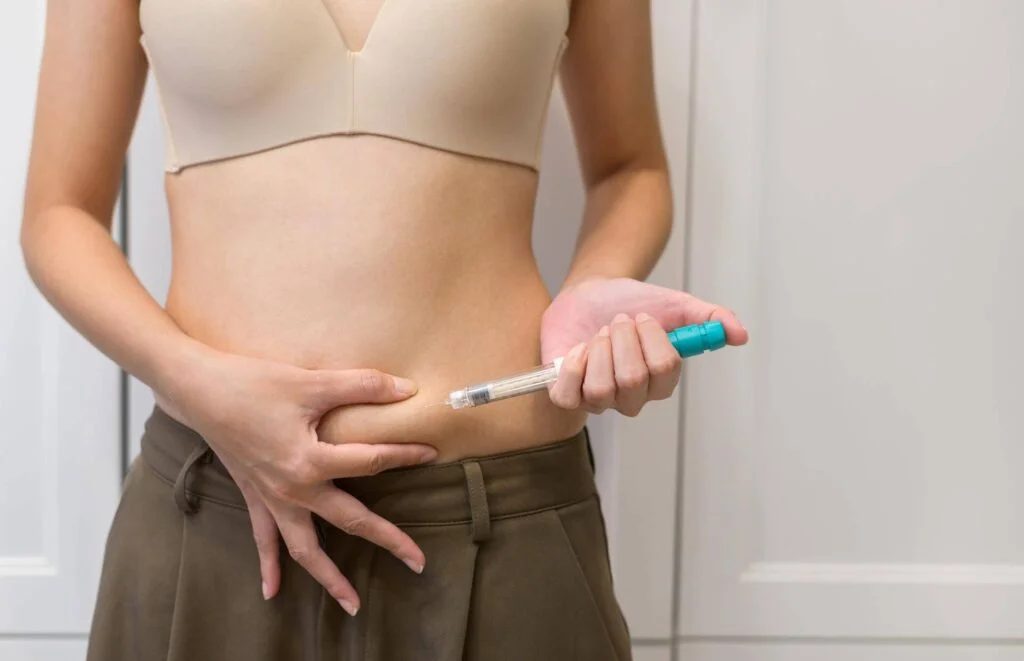
IVF is used when a specific medical diagnosis makes pregnancy unlikely without laboratory assistance — most commonly blocked tubes, severe male factor, ovulation disorders such as PCOS, endometriosis, age 38+, and genetic conditions requiring embryo screening. Over 2 million cycles run worldwide each year; for women under 35 with tubal factor infertility, live birth reaches about 46% per retrieval (SART 2022).
Unneeded IVF adds cost; delaying indicated treatment wastes months — especially after 38.
The 10 Medical Indications for IVF, Explained
1. Tubal Factor Infertility
Tubal factor accounts for 25-35% of female infertility — the largest identifiable cause. When both tubes are blocked or damaged, natural conception is mechanically impossible.
Diagnostic criteria:
- Bilateral tubal occlusion on hysterosalpingography (HSG) or laparoscopy
- Hydrosalpinx (fluid-filled tubes) — lowers implantation even in IVF; salpingectomy often needed before transfer
- Tubal damage from pelvic inflammatory disease (PID), prior ectopic pregnancy, or endometriosis
- Tubal ligation: patients preferring IVF over surgical reversal
- Unilateral blockage combined with other infertility factors
IVF bypasses the tubes, so success ranks among the highest of any indication — ~46% live birth per retrieval under 35 (SART 2022). An untreated hydrosalpinx roughly halves it.
Alternatives compared:
- Tubal reconstructive surgery: 12-25% pregnancy within 12 months, 5-10% ectopic risk — weaker per cycle than IVF.
- IUI: nearly 0% when both tubes are blocked; IVF is the only pathway.
- Ligation reversal: 40-80% pregnancy by age and method, but surgery plus 12+ months.
Decision note: The American Society for Reproductive Medicine, ASRM recommends IVF over tubal surgery above 35, with severe disease or added male factor; deeper analysis in our tubal factor infertility and IVF guide.
2. Male Factor Infertility
Male factor contributes to about 50% of infertility cases. Since intracytoplasmic sperm injection (ICSI) arrived in 1992, severe male factor has been treatable: fertilization rates match conventional IVF.
Diagnostic criteria (WHO 2021):
- Oligozoospermia: sperm concentration <16 million/mL
- Asthenozoospermia: progressive motility <30%
- Teratozoospermia: normal morphology <4%
- Azoospermia: no sperm in ejaculate (obstructive vs non-obstructive)
- Elevated DNA fragmentation index (DFI >25-30%)
Why IVF/ICSI works: ICSI injects one viable sperm directly into the egg. In azoospermia, sperm are retrieved from the epididymis or testicular tissue (TESA, PESA, micro-TESE).
Success rates by severity:
| Severity | Sperm Concentration | IVF/ICSI Live Birth Rate | IUI Success Rate | Recommendation |
|---|---|---|---|---|
| Normal | >16M/mL | ~45-50% | ~10-15% per cycle | IUI first (3 cycles) |
| Mild | 10-15M/mL | ~42-48% | ~7-10% per cycle | IUI first or direct IVF |
| Moderate | 5-10M/mL | ~40-45% | ~3-5% per cycle | Consider direct IVF/ICSI |
| Severe | <5M/mL | ~35-42% | <3% per cycle | IVF/ICSI indicated |
| Azoospermia | 0 | ~30-40% (with surgical retrieval) | 0% | IVF/ICSI with TESA/micro-TESE |
Per retrieval, age under 35; SART and ESHRE registry data.
Decision note: ASRM recommends against routine ICSI without male factor — conventional IVF fertilizes equally at lower cost (ASRM Practice Committee, 2020).
3. Ovulatory Disorders / PCOS
Ovulatory dysfunction causes 20-25% of female infertility, usually from polycystic ovary syndrome (PCOS). Unlike tubal or male factor, it responds to less invasive treatment first; IVF is reserved for failed cycles or combined factors.
When IVF becomes indicated:
- 3-4 ovulation induction cycles with clomiphene or letrozole without pregnancy
- Failed ovulation induction plus IUI
- PCOS with other factors (age over 35, male factor, tubal disease)
- Need for PGT-A (elevated miscarriage rates in some PCOS studies)
PCOS-specific considerations:
- Higher oocyte yield: 15-30+ eggs per retrieval
- OHSS risk of 10-15% vs 3-5% in non-PCOS — antagonist protocol, GnRH agonist trigger and freeze-all reduce it significantly
- Metformin co-treatment may improve outcomes
- Letrozole protocols lower OHSS risk
Success rates: younger average age and high oocyte yield give 48-55% live birth per retrieval under 35 (SART 2022), with the highest cumulative rates of any indication.
Step-up pathway: The standard sequence is lifestyle modification → oral ovulation induction → ovulation induction + IUI → IVF. A 2023 Human Reproduction Update meta-analysis found immediate IVF no better than 6 months of ovulation induction in treatment-naive patients.
4. Endometriosis
Endometriosis affects 10-15% of reproductive-age women, and 30-50% of them are infertile. Stage III-IV drops spontaneous pregnancy below 3% per month — IVF is strongly recommended.
Staging and IVF indication:
- Stage I-II (minimal-mild): try ovulation induction + IUI 3-4 times first; IVF after failure or age over 35
- Stage III-IV (moderate-severe): strongly indicated, especially with bilateral endometriomas or tubal distortion
Surgery vs IVF: The ENDO trial (NEJM, 2014) found laparoscopy for Stage I-II modestly improved spontaneous but not IVF outcomes. For Stage III-IV cysts >4 cm, excision before IVF improves follicle access and lowers retrieval infection risk.
Success rates: outcomes track age and ovarian reserve more than stage — 38-45% live birth per retrieval under 35 after surgical treatment. Bilateral endometrioma removal lowers AMH by roughly 30%.
5. Unexplained Infertility
Unexplained infertility affects 10-30% of couples: ovulation, semen analysis and tubal patency all normal after 12-24 months. IVF is indicated after 3 failed IUI cycles (cumulative pregnancy about 25-30%; only ~15-20% conceive with IUI).
When IVF becomes indicated:
- Age 38+: progress earlier (time-sensitive)
- Early IUI success followed by later failures
Why IVF works: IVF is also diagnostic — about 15-20% of “unexplained” couples discover fertilization failure or poor embryo development only through it.
Success rates: live birth per retrieval 40-50% under 35, falling to 25-30% at 38-40 (SART 2022).
Cost-effectiveness: The 2023 update of the NICE fertility guideline finds 3 IUI cycles then IVF most cost-effective; after 38, direct IVF pays off sooner.
6. Advanced Maternal Age
Advanced maternal age (35+) is the fastest-growing indication. After 38, guidelines advise direct IVF: IUI falls to 5-8% per cycle while time erodes egg quantity and quality.
Age-stratified decision framework:
| Age | Monthly Natural Conception Chance | 12-Month Conception Chance | IUI per Cycle | IVF Live Birth per Retrieval | Recommended Path |
|---|---|---|---|---|---|
| <35 | 20-25% | 85-90% | 10-15% | 48-52% | Try 12 months, then evaluate |
| 35-37 | 15-18% | 70-75% | 8-12% | 40-45% | Try 6 months, then evaluate |
| 38-40 | 8-12% | 40-50% | 5-8% | 28-35% | Consider direct IVF |
| 41-42 | 3-5% | 15-20% | 2-4% | 15-22% | IVF recommended |
| 43+ | <2% | <5% | <2% | 5-10% | Donor-egg IVF strongly advised |
Live birth per retrieval with own eggs; data from SART 2022 and CDC ART surveillance.
Why IVF is indicated at older age:
- PGT-A screens aneuploid embryos — aneuploidy is roughly 60-70% at age 40, above 80% at 43
- Embryo banking: several retrievals accumulate euploid embryos
- Speed: one IVF cycle matches 6-12 months of cumulative IUI probability in 4-6 weeks
Decision note: ASRM recommends direct IVF after an abbreviated workup over 38; NICE agrees for ages 40-42.
“The right time to start IVF is the point at which its expected benefit exceeds the expected benefit of waiting or of continuing lower-efficacy treatment — after 38, that point is usually now.” — ProIVF Medical Advisory Board, on IVF candidacy decisions, 2026
7. Genetic Disorders Requiring PGT
Preimplantation genetic testing (PGT) is the only pre-pregnancy pathway that prevents transmitting a known genetic condition — and it requires IVF. PGT-M targets single-gene disorders, PGT-SR chromosomal rearrangements, PGT-A aneuploidy.
Conditions where IVF with PGT is indicated:
- Monogenic disorders: thalassemia, SMA, hereditary deafness, hemophilia, cystic fibrosis, Huntington’s disease, BRCA1/BRCA2 mutations
- Chromosomal translocations: reciprocal or Robertsonian carriers with recurrent miscarriage
- Mitochondrial disorders requiring MRT (available in few jurisdictions)
- HLA matching: an embryo matched to donate stem cells to an existing sick sibling
PGT-A is typically offered for:
- Advanced maternal age (38+), aneuploidy above 40%
- Recurrent pregnancy loss (30-50% of miscarriages are aneuploid)
- Repeated implantation failure after 3+ euploid transfers
- Severe male factor (elevated embryonic aneuploidy in ICSI cycles)
Success rates: transferring only unaffected embryos gives age-matched live-birth rates; the trade-off is fewer transferable embryos, so more cycles may be needed.
Important limitation: PGT biopsies 3-10 trophectoderm cells, and mosaicism affects roughly 3-5% of biopsies; not every condition is detectable — see our embryo genetic screening guide.
8. Recurrent Pregnancy Loss
Recurrent pregnancy loss — 2-3 or more pregnancy losses before 20 weeks — affects 1-2% of couples. IVF with PGT-A helps only after a complete workup has excluded correctable causes.
When IVF with PGT is indicated:
- Unexplained RPL after full workup: parental karyotyping, uterine cavity assessment, antiphospholipid antibodies, thyroid, thrombophilia screening
- Confirmed parental chromosomal translocation (carried by 3-5% of RPL couples)
- Age-related RPL driven by aneuploidy, where PGT-A significantly reduces miscarriage rates
When IVF is NOT the first step (treat first, not IVF):
- Untreated antiphospholipid syndrome — anticoagulation
- Untreated uterine septum or fibroids — surgery
- Untreated thyroid dysfunction — medication
Evidence: a 2022 Cochrane review found PGT-A lowered miscarriage per transfer but not cumulative live birth in young RPL patients versus expectant management; benefit is clearer over 38. Full workup: recurrent pregnancy loss and IVF guide.
9. LGBTQ+ Family Building and Single Parents
IVF enables family building where intercourse cannot: same-sex couples, transgender individuals and single parents — success rates match or exceed age-matched heterosexual couples.
- Same-sex female couples: reciprocal IVF (one partner provides the eggs, the other carries) or standard IVF with donor sperm
- Same-sex male couples and single men: IVF with donor eggs and gestational surrogacy
- Transgender individuals: fertility preservation before gender-affirming treatment, and IVF for family building
- Single women: donor-sperm IUI for up to 6 cycles first; IVF if it fails or is contraindicated
Clinical note: Success depends on egg-provider and gestational-carrier age, not family structure.
Legal note: surrogacy legality varies by country — see countries where surrogacy is legal in 2026.
10. Fertility Preservation
Egg and embryo freezing is among the fastest-growing IVF uses — and IVF is the only pathway for both. Eggs frozen at 30-35 retain a live-birth probability above 80%.
Medical fertility preservation (medically indicated):
- Gonadotoxic chemotherapy or radiation for cancer
- Cyclophosphamide-requiring autoimmune disease (lupus nephritis, vasculitis)
- Bone marrow transplant conditioning
- Turner syndrome with residual ovarian function
- Ovarian-compromising endometriosis surgery
- Multiple prior ovarian cyst surgeries
- BRCA carriers before prophylactic oophorectomy
Elective (social) fertility preservation:
- Career, partner or financial timing
Success rates by freezing age:
| Age at Freezing | Eggs Needed for 1 Live Birth | Survival After Vitrification | Clinical Pregnancy per Thawed Egg |
|---|---|---|---|
| <35 | 10-15 | >95% | 6-8% |
| 35-37 | 15-20 | >95% | 4-6% |
| 38-40 | 20-30 | >95% | 2-4% |
| >40 | 30+ | >95% | <2% |
Data from the ASRM Practice Committee (2023) and SART registry.
When Is IVF Not the Right Choice?
Four categories where IVF is not the answer:
Category A: Medical contraindications
- Uncontrolled hypertension or cardiovascular disease — pregnancy and IVF medications compound the risk
- Active malignancy (except pre-treatment preservation) — hormones may accelerate some cancers
- Severe coagulopathy or uncontrolled diabetes
- Active pelvic infection
- Uterine factors incompatible with pregnancy (refractory Asherman’s, severe congenital anomalies)
Category B: Extremely low chance of success
- Ovarian failure (FSH >40 IU/L, undetectable AMH) without donor eggs — under 1% live birth per cycle
- Age 45+ with own eggs — under 1% live birth per cycle (SART 2022); donor eggs instead
- Complete azoospermia with no sperm found on micro-TESE — donor sperm is required
Category C: Better alternatives exist
- Mild ovulatory dysfunction — ovulation induction alone achieves 70-80%
- Stage I-II endometriosis with open tubes and normal semen — 3-4 IUI cycles, comparable cumulative pregnancy at lower cost
- Mild male factor (10-15M/mL with normal motility) — IUI with sperm preparation may be sufficient
Category D: Legal or ethical restrictions
- Surrogacy is prohibited in countries including France, Germany, Italy, Japan and China
- Non-medical sex-selection PGT is prohibited in most countries
- Embryo disposition is restricted under embryo-protection laws
How Successful Is IVF by Indication?
Live birth per retrieval by age and indication (SART 2022); clinic outcomes vary.
| Indication | Under 35 | 35-37 | 38-40 | 41-42 | Over 42 |
|---|---|---|---|---|---|
| Tubal factor | 46.1% | 38.4% | 26.8% | 15.2% | 6.3% |
| Male factor (with ICSI) | 47.8% | 38.9% | 27.1% | 16.0% | 6.8% |
| PCOS / ovulatory | 51.0% | 41.3% | 28.9% | 16.8% | 7.1% |
| Endometriosis | 43.2% | 35.7% | 24.5% | 13.9% | 5.8% |
| Unexplained | 45.5% | 37.2% | 26.1% | 14.8% | 6.0% |
| Diminished ovarian reserve | 37.9% | 30.1% | 19.5% | 10.2% | 3.5% |
| Recurrent pregnancy loss | 44.8% | 36.5% | 25.3% | 14.1% | 5.5% |
| Genetic (PGT) | 42.0% | 35.0% | 24.0% | 13.0% | 5.0% |
| Donor egg (all indications) | — | — | — | — | 52.0% |
Sources: SART national data and CDC ART surveillance.
What Do Real Patients Experience?
Case 1: Tubal factor — Xiao Li, 29, Guangzhou
Xiao Li tried for over a year before an HSG revealed both tubes blocked, traced to a pelvic infection years earlier. With AMH 2.1 ng/mL and normal semen, her doctor recommended straight to IVF: “Tubal reversal has only a 15-20% success rate and high ectopic risk — IVF was designed exactly for this.”
Twelve days of antagonist stimulation retrieved 12 eggs; 9 fertilized conventionally, 6 reached blastocyst, and a single fresh transfer resulted in pregnancy. Total cost: about ¥45,000 RMB.
Case 2: Male factor — Mr. Wang, 32, and Ms. Zhang, 30, Hangzhou
After a year without pregnancy, a semen analysis showed Mr. Wang’s severe oligoasthenozoospermia — 1.2 million/mL, 18% motility. Three IUI cycles failed; the clinic recommended IVF with ICSI.
Ms. Zhang’s 10 eggs yielded 7 ICSI fertilizations and 4 blastocysts; a single frozen transfer resulted in pregnancy. “I felt guilty,” Mr. Wang says. “The doctor explained ICSI was built for exactly this — one sperm into the egg, with a 70% fertilization rate, the same as couples with no male factor.”
Case 3: Unexplained infertility — Ms. Chen, 35, Shanghai
Every test was normal after two years, so three IUI cycles came first. The first IVF cycle exposed the hidden problem: only 3 of 8 eggs fertilized, none reached blastocyst.
“IVF finally showed us the problem — the embryos weren’t developing,” she says. A second cycle switched to ICSI: 6 of 10 eggs fertilized, 2 blastocysts formed, and one transfer ended in a live birth.
Case 4: Advanced maternal age — Ms. Liu, 42, Beijing
Ms. Liu married at 39 and started trying at 40. After 18 months without pregnancy she was referred, with an AMH of just 0.8 ng/mL, and her doctor recommended direct IVF with PGT-A.
“He was blunt: at our age IUI is a waste of time — under 2% per cycle,” she says. The first retrieval gave 4 eggs and 2 blastocysts, both aneuploid on PGT-A.
A modified second protocol yielded 6 eggs, 3 blastocysts and 1 euploid embryo, which transferred successfully. “Two retrievals for one good embryo sounds inefficient — but it beat failed transfers and miscarriages.”
Case 5: Egg freezing — Ms. Zhao, 30, Shenzhen
Ms. Zhao froze her eggs after learning how sharply age affects fertility: “I don’t want children right now, but I want the choice to exist later.” One cycle — 10 days of stimulation, 16 eggs retrieved, 15 mature eggs vitrified — cost about ¥25,000 RMB plus ¥2,000 per year in storage. “Two days off work; now I own my timeline.”
All cases are anonymized composites based on common clinical scenarios.
FAQ
Q: At what age is IVF most commonly used?
Women aged 35-39 are the largest group — roughly 35% of US cycles. Success declines with age: peaks at 48-52% per retrieval under 35; most post-42 cycles use donor eggs.
Q: How do I know if I need IVF or if IUI is enough?
Three factors: age, diagnosis, duration; IUI is reasonable first under 35 with open tubes, sperm above 10M/mL and under 2 years of infertility; go directly to IVF at 40+, with blocked tubes, severe male factor or after failed IUI — IUI vs IVF.
Q: Can IVF work if I have only one ovary or one fallopian tube?
Yes — one ovary responds normally, one tube is irrelevant since IVF bypasses the tubes, and with low AMH expect 2 or more cycles.
Q: Is IVF used for obesity-related infertility?
It can be, but guidelines optimize weight first: obesity cuts IVF success 10-20%, BMI above 40 is a relative contraindication at many clinics, and losing 5-10% of body weight improves both natural conception and IVF outcomes.
Q: Does IVF solve recurrent miscarriage?
Only after a full workup: PGT-A lowers miscarriage per transfer but does not beat expectant management in young unexplained loss; benefit is clearest after 38 (see RPL above).
Q: When is IVF covered by insurance or public funding?
In mainland China most regions self-pay, though Beijing, Zhejiang and a few provinces added partial coverage; 19 US states mandate coverage. The UK, France, Japan, Australia and Israel fund 1-6 cycles with age limits — see our IVF insurance coverage guide.
Are You a Candidate for IVF? Four Steps to Decide
-
Complete a fertility workup: AMH, hormone panel (FSH, LH, estradiol), transvaginal antral follicle count, semen analysis, and tubal patency testing (HSG or contrast ultrasound).
-
Match your diagnosis to the evidence: how strongly do the sections above recommend IVF for your case? If your doctor diverges from published guidance, ask why.
-
Factor in age: the strongest predictor. At 38+, direct IVF beats months of low-yield attempts — 38 versus 39 can be worth 10-15 percentage points.
-
Plan financially: mainland China ~¥30,000-¥50,000 RMB per cycle at top-tier public hospitals (ICSI +¥5,000-¥8,000; PGT +¥20,000-¥40,000); Thailand ~¥45,000-¥70,000; US ¥100,000-¥180,000. Many need 1-3 cycles — compare pricing in our global fertility clinic directory.
Bring this guide to your consultation, or contact our team.
About this article: Written by the ProIVF Medical Editorial Team based on ASRM guidance, ESHRE recommendations, NICE NG257, WHO semen reference values (6th ed., 2021), SART 2022 and CDC ART surveillance 2022, and PubMed-indexed literature. Reviewed by the ProIVF Medical Advisory Board; editorial standards on our About page.
Last updated: July 17, 2026. Informational only, not medical advice — candidacy and recommendations vary with history, clinic and location; consult a licensed reproductive endocrinologist and verify with your chosen clinic before treatment.
Sources
- ASRM — Practice Committee Guidelines
- CDC — ART Success Rates
- SART — National Summary Reports
- NICE — Fertility guideline NG257
- WHO — Laboratory Manual for Semen Analysis, 6th ed.
- ESHRE — Guidelines and Legal
- Human Fertilisation and Embryology Authority (HFEA) — IVF success rates